







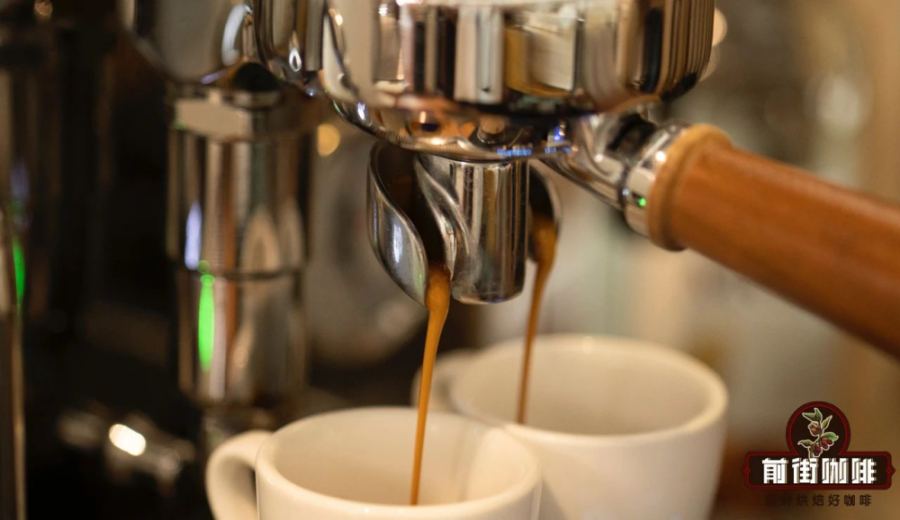
Introduction:Espresso is the foundation of many coffee beverages—rich, bold, and layered with complexity. This article delves into the core characteristics of espresso, including the science behind the formation and flavor implications of the golden crema (the layer of fine, yellowish foam on top), and the high-concentration extraction methodology. It also provides detailed home-brewing parameters such as grind size, coffee-to-water ratio, extraction time, and recommends suitable coffee bean types to help readers master professional-level espresso brewing from scratch.
Espresso(also commonly referred to as "concentrated coffee") is a classic Italian-style coffee made through high-pressure and high-temperature rapid extraction. Its defining feature is the layer of fine, golden foam on the surface, known as “crema,” which is not only a visual highlight but also an important indicator of the coffee’s freshness and extraction quality. Since different cafés use varying coffee beans and extraction settings, the flavor of espresso can vary widely—but a standard shot of espresso typically exhibits two prominent traits: rich crema and intense concentration.
The Formation and Significance of Crema
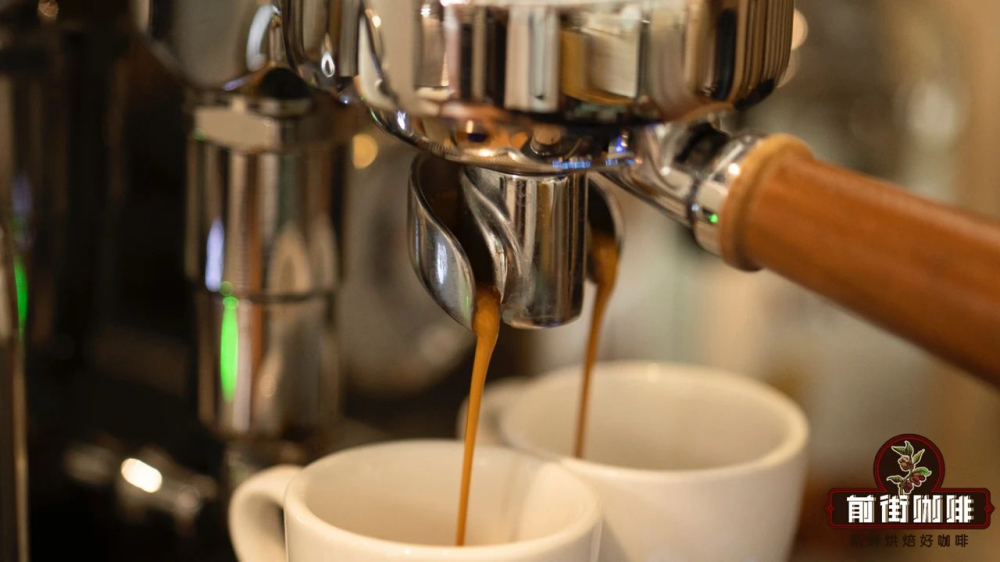
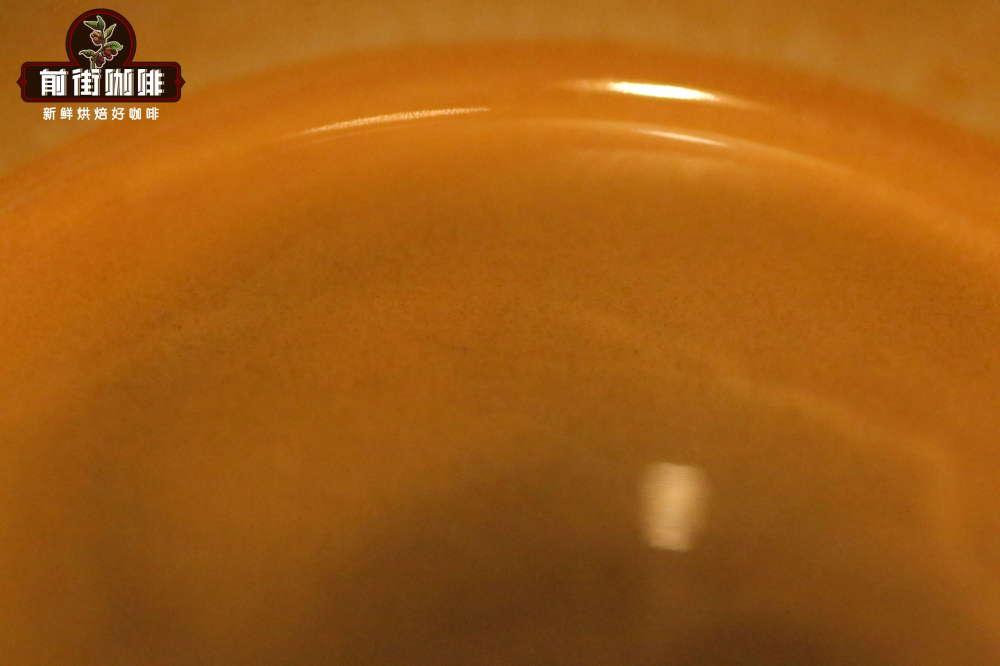
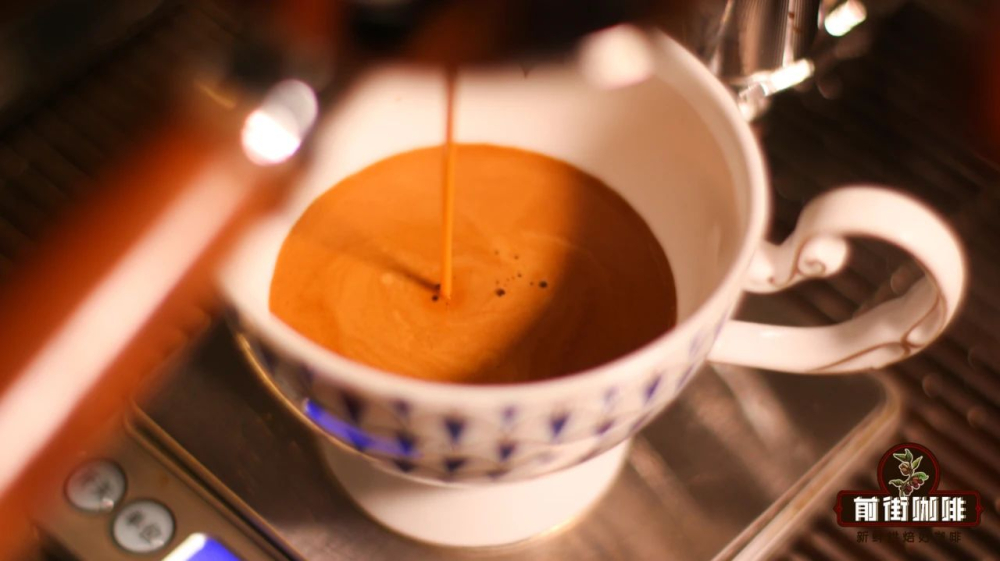
When you order a freshly brewed espresso, the first thing that usually catches your eye is the thick, glossy layer of golden foam on top. This foam is formed when carbon dioxide produced during the roasting process is released under high pressure during extraction, then gathers as fine bubbles on the liquid’s surface once it returns to normal atmospheric pressure. This phenomenon is called crema and is one of the most iconic visual features of espresso.
It’s worth noting that the texture and color of crema can reveal a lot of information.The finer and thicker the foam, the fresher the coffee beans generally are.As time passes after roasting, the carbon dioxide inside the beans gradually dissipates, resulting in less foam being formed during extraction. Additionally, thecolor intensity of the crema is closely related to the roast level.Darker roasts produce more pigments and aromatic compounds through the Maillard reaction, resulting in darker-colored crema, which is often accompanied by a richer, fuller-bodied taste.
The Key to High-Concentration Extraction
Another hallmark of espresso is its extremely high concentration, achieved by extracting a large amount of soluble substances in a very short period of time. Typically, a standard shot of espresso is extracted in20 to 35 seconds,using near-boiling hot water under9 atmospheres of high pressure,from finely ground coffee beans. During this process, while the contact time between water and coffee grounds is brief, the extraction efficiency per unit of time is extremely high. This results in a highly concentrated final coffee liquid with intense flavor and distinct layers.
As a result, espresso often delivers a strong flavor impact upon drinking, with a lingering aftertaste that remains in the mouth for a long time. Many cafés serve espresso with a glass of water on the side to help cleanse the palate and fully appreciate its complex flavors.
How to Brew Espresso at Home
For coffee enthusiasts, attempting to make a professional-grade espresso at home is a rewarding challenge. While home machines can’t fully replicate the stability of commercial equipment, mastering key parameters will still allow you to brew flavorful espresso.
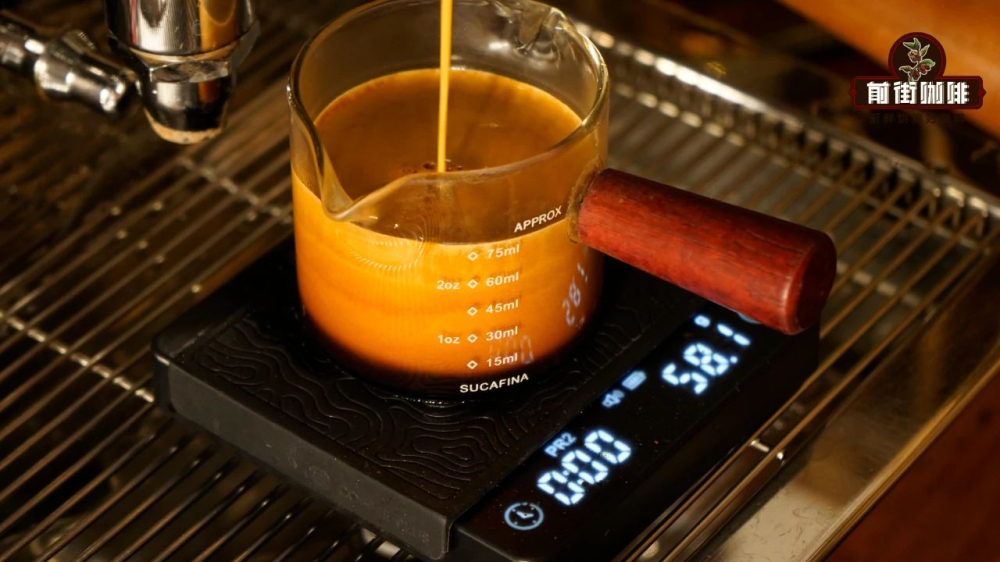
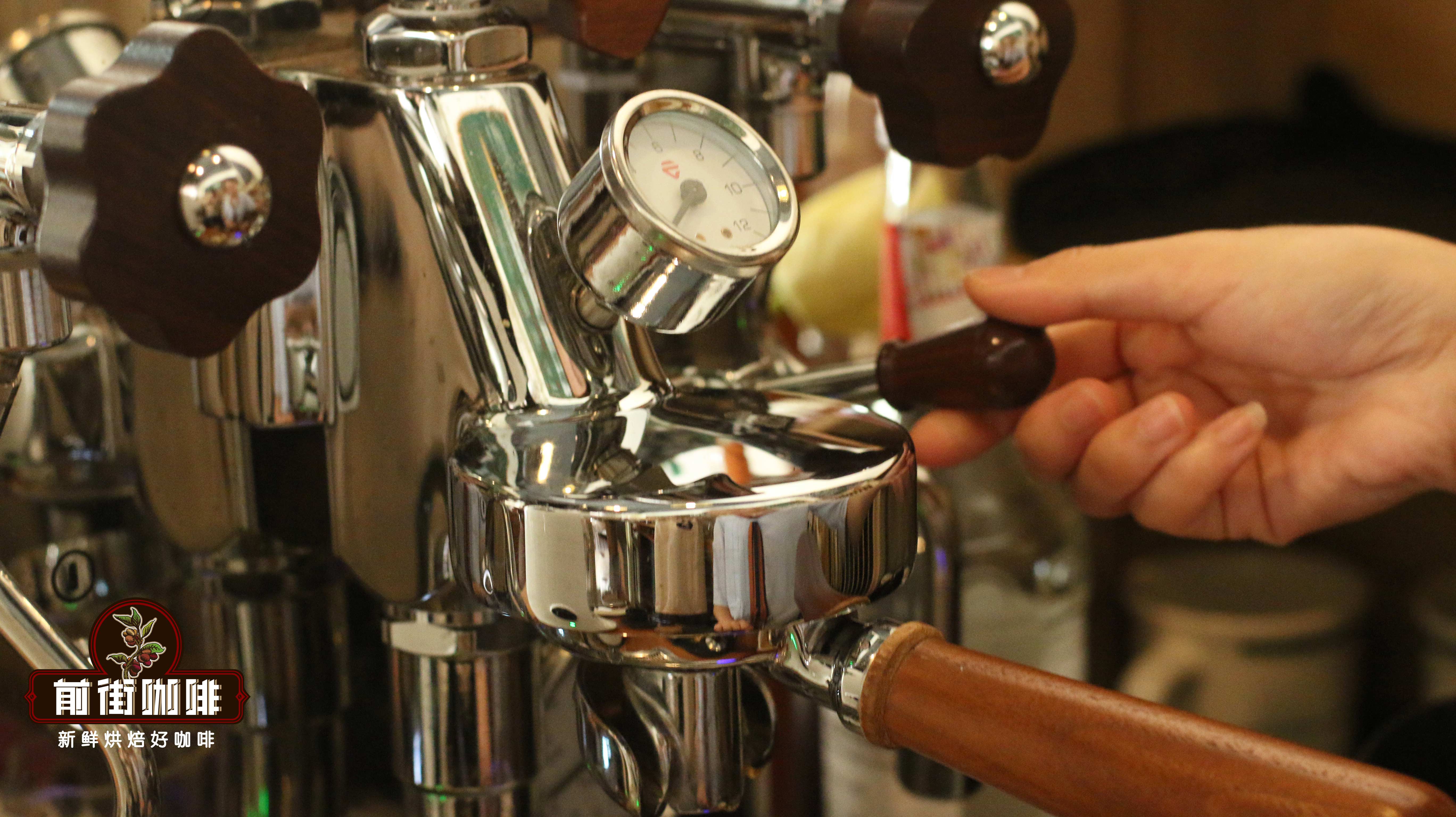
Taking commercial equipment as an example, cafés often use the “Lelit Bianca” single-group commercial machine, which can be adjusted up to 11 bar of pressure—but for home use, achieving9 bar of extraction pressurealong with a stable espresso grinder is sufficient to start experimenting. As for the portafilter basket, a common double basket can hold about18 to 20 grams of coffee grounds,while in practice, cafés typically use20 grams of coffeewith a1:2 coffee-to-water ratio(i.e., 20 grams of coffee yielding 40 grams of espresso) as the standard.
In terms of extraction time, it is recommended to keep it within20 to 35 seconds,with the optimal range being28 to 30 seconds.If the extraction time is too short (less than 20 seconds), the coffee may taste weak; if it exceeds 35 seconds, over-extraction and burnt, bitter notes can occur. Consistent grind size, even distribution, and firm tamping are all critical factors influencing extraction quality.
Step-by-Step Brewing Guide
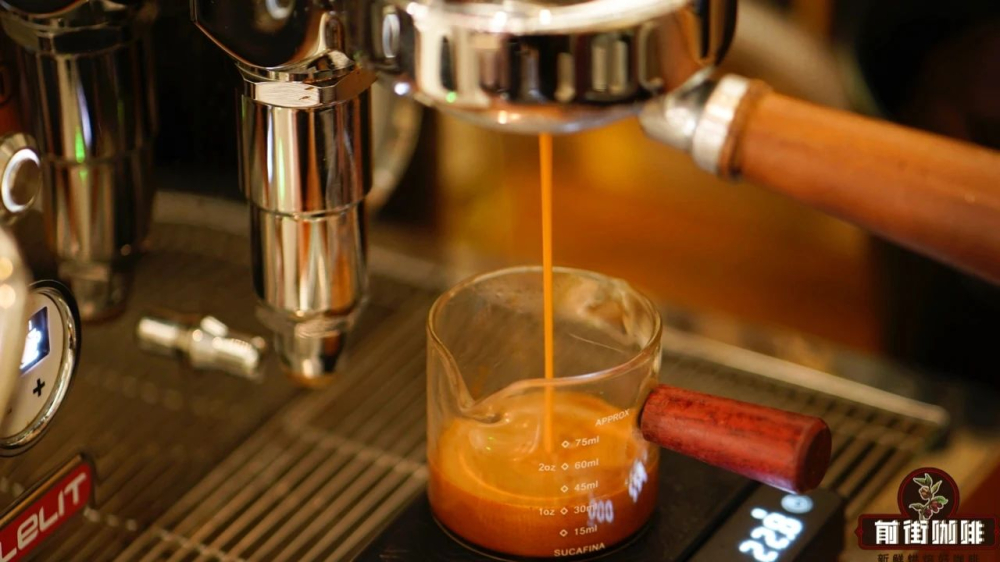
Before starting, ensure the portafilter basket is dry and free of leftover coffee grounds. Start the grinder, grind a suitable amount of double-shot coffee, and measure it precisely to20 gramsusing an electronic scale. Then, use a specialized tool to evenly distribute the coffee grounds in the basket, followed by applying appropriate pressure to ensure consistent puck density, aiding stable extraction. Next, turn on the extraction switch to run water to rinse the group head and remove any residual coffee grounds. Then gently lock the portafilter into place and begin the actual extraction.
When the electronic scale shows the espresso liquid has reached40 gramsand the time falls within the28 to 30 secondrange, you can turn off the extraction switch, pour the finished espresso into a preheated espresso cup, and enjoy a freshly brewed shot.
Recommended Coffee Beans for Espresso
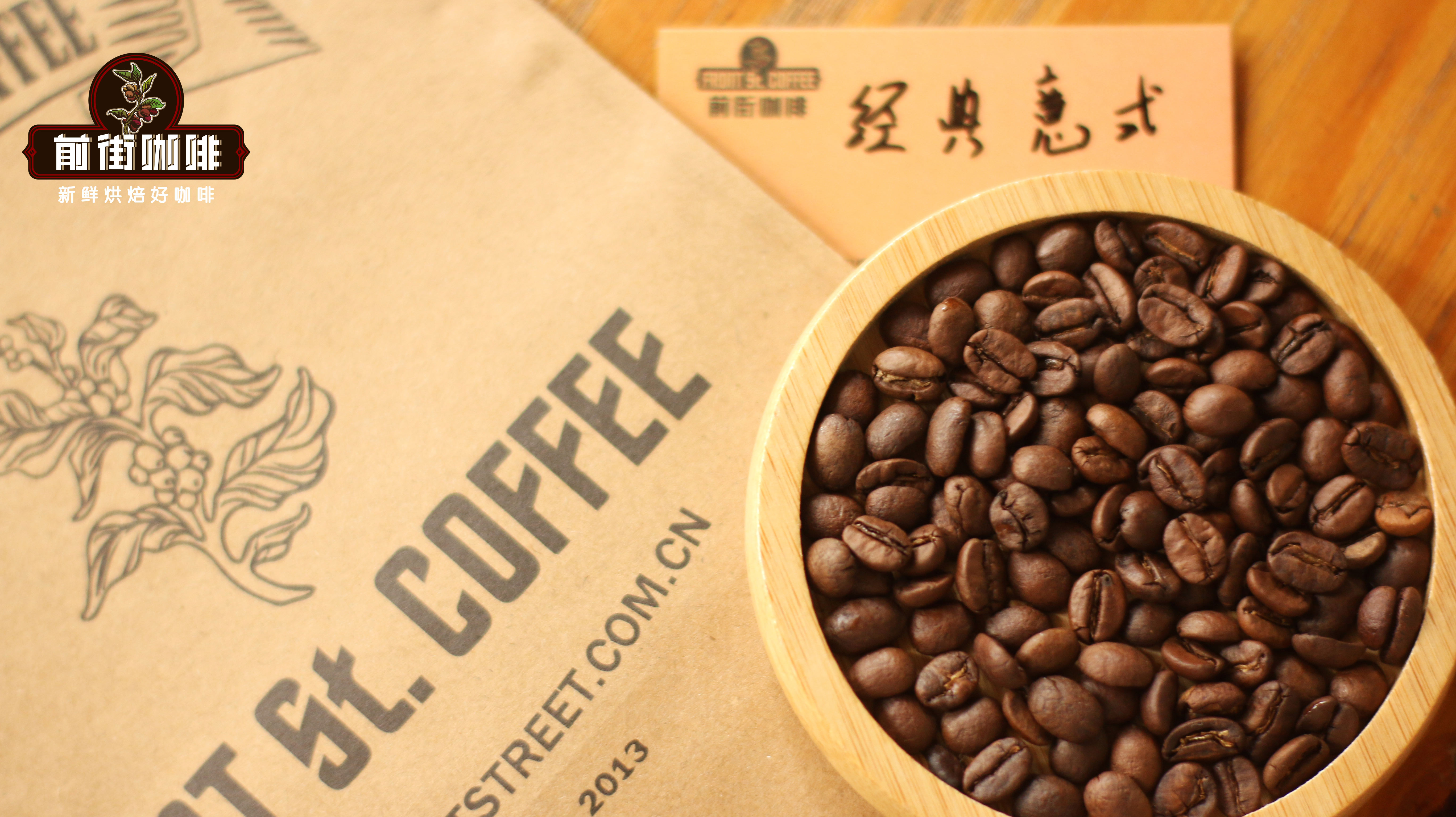
The flavor profile of espresso is closely tied to the choice of coffee beans. Generally,darker roasted blends or single-origin blends are better suited for espresso preparation.These beans, due to their higher roast levels, produce richer crema, a fuller body, and help create a fine, long-lasting crema, enhancing the overall flavor complexity.
For example, a classic blend composed of Brazilian, Indonesian, and Vietnamese beans is a popular choice among many cafés for making espresso. Such blends not only deliver intense caramel and chocolate notes but are also well-suited for making Americano or milk-based drinks like lattes and cappuccinos.
The above content is compiled by CoffeeHunters, a coffee news website.


