







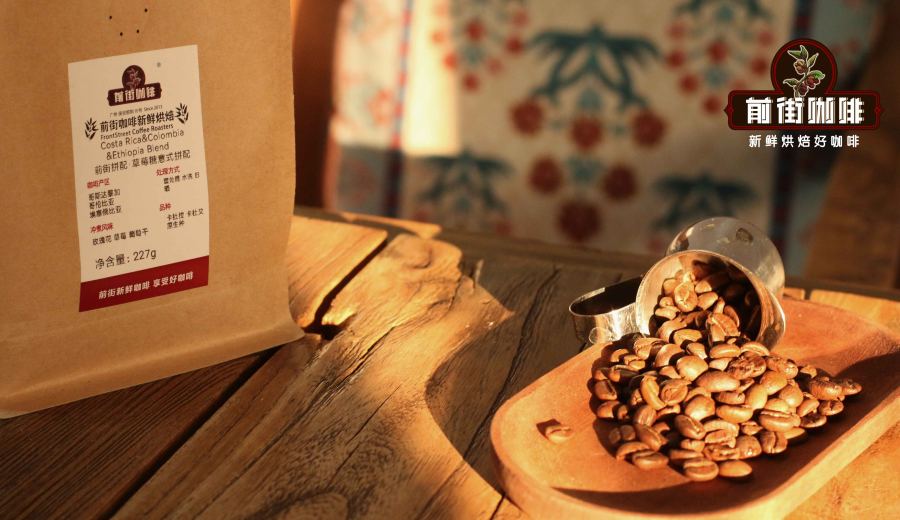
Introduction:Want to brew an authentic espresso at home? Understanding the correct extraction ratio and choosing the right coffee blend for beginners is key. This article starts with the definition and characteristics of espresso, explores the science behind its unique crema, and recommends four high-value, versatile home espresso blends. It also provides detailed guidelines on the golden coffee-to-water ratio for Americano and practical brewing tips, helping you easily master professional-level coffee-making skills.
EspressoThe term “espresso” (
Compared to pour over coffee, the flavor of espresso is more concentrated and intense. Due to the short extraction time, there’s often little opportunity to savor the changes across different temperatures before it’s consumed in one go. Additionally, its low coffee-to-water ratio results in very high concentration, which can sometimes mute the flavors—though some high-quality espressos can still exhibit delicate and complex layers. Notably, theCrema (coffee oils)produced during high-pressure extraction not only gives the drink a unique mouthfeel but also serves as one of the key indicators of espresso quality.

Since espresso is often used as a base for drinks like lattes, cappuccinos, or Americanos, when selecting a home espresso blend, it’s recommended to prioritize options with balanced flavor and versatility for various drinks. Below are four high-value, beginner-friendly espresso blends offering a variety of choices.
First is the Classic Espresso Blend, inspired by the popular “Mamba” recipe from Taiwan’s early coffee scene. It combines Indonesian Mandheling and Brazilian beans, later adding Robusta to significantly enhance crema performance and overall body. It’s especially well-suited for making lattes at home with latte art, offering good stability and rich flavor layers.
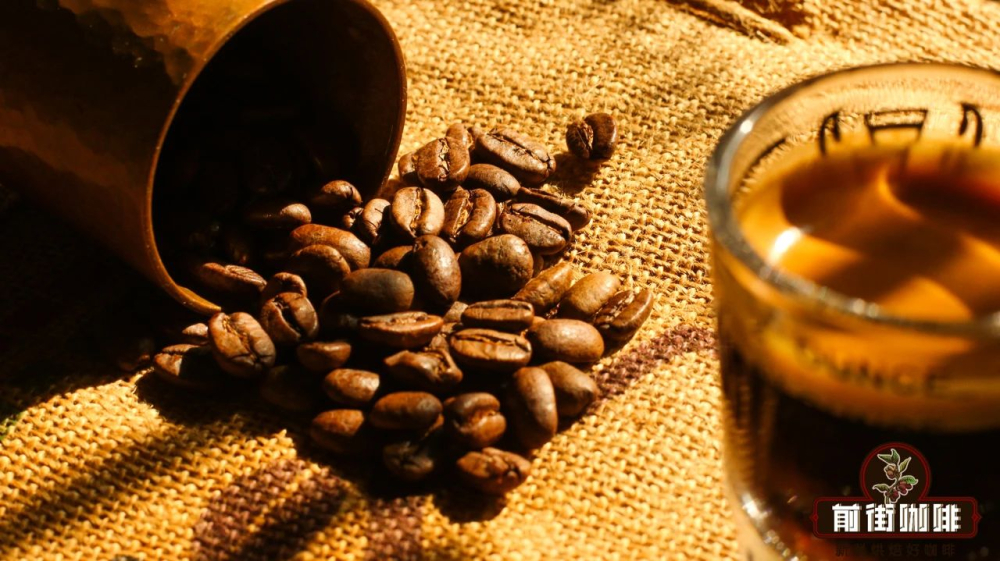
If you prefer nutty and chocolatey notes, consider the Premium Espresso Blend. This one is made from beans sourced from two renowned regions: Brazil and Colombia. The Brazilian beans bring a rich, nutty aroma and balanced taste, paired with the chocolatey finish of Colombian beans. The resulting brew offers the enticing flavors of butter cookies, cocoa, and roasted nuts. It’s ideal for those who don’t enjoy acidity and works well for both Americano and latte.
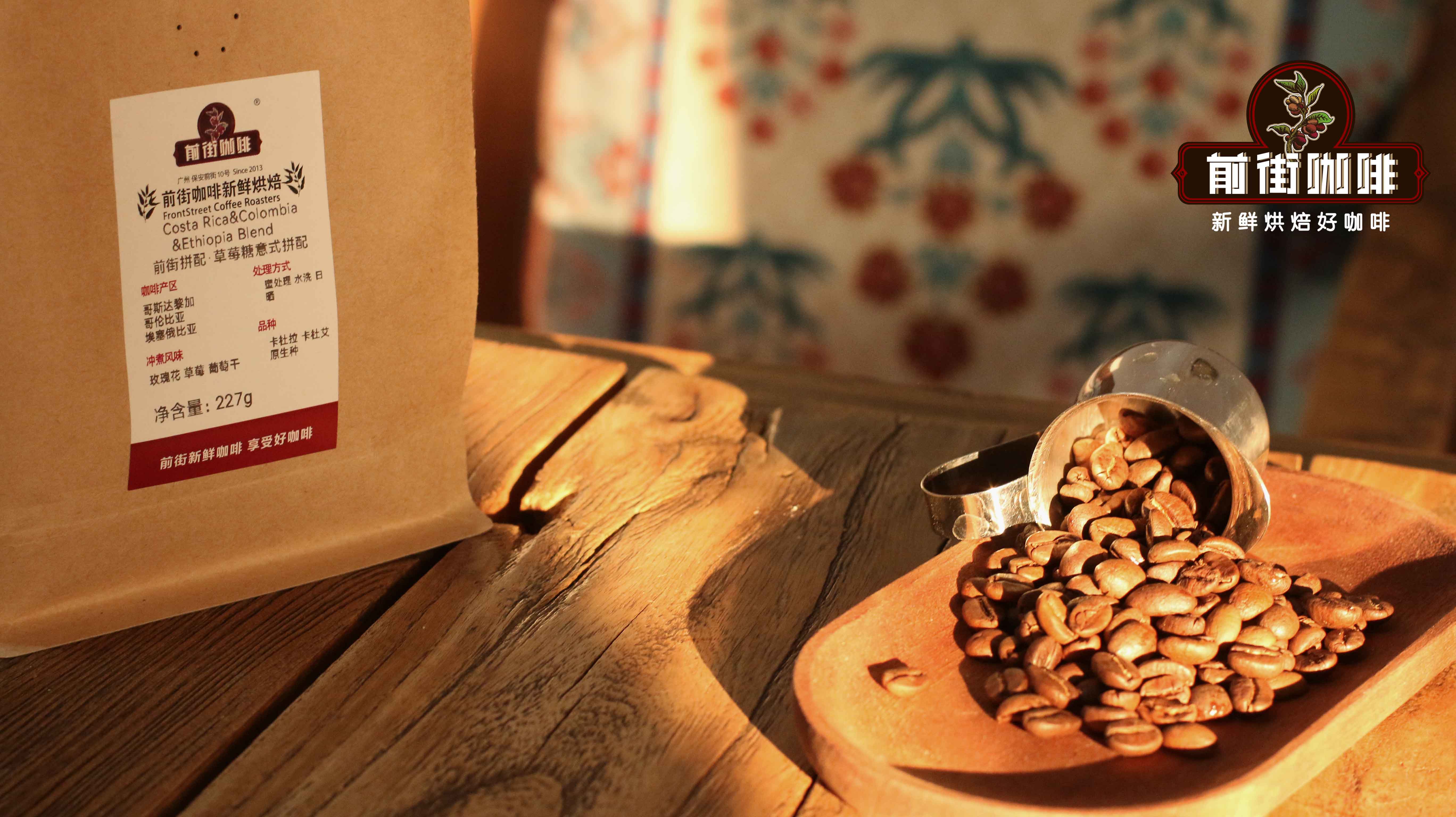
Want to explore floral and fruity notes? Try the Strawberry Candy Espresso Blend, based on a medium roast and blending honey-processed beans from two famous regions: Costa Rica’s Tarrazú and Ethiopia, complemented by Colombian beans. This blend produces fine crema and a smooth texture, along with a gentle sweet-and-sour tone reminiscent of strawberry taffy. It’s perfect for making Americano or latte, adding a fun twist to the flavor.
For users looking to replicate café-style flavors, the Commercial Espresso Blend is a solid choice. It combines beans from Brazil, Colombia, and Vietnam, roasted to a medium-dark level, resulting in rich crema and toasty aromas. The brewed Americano delivers bold flavors of dark cocoa and toasted bread, while the latte feels smooth with a long-lasting finish. It’s affordably priced and makes an excellent everyday home coffee bean.
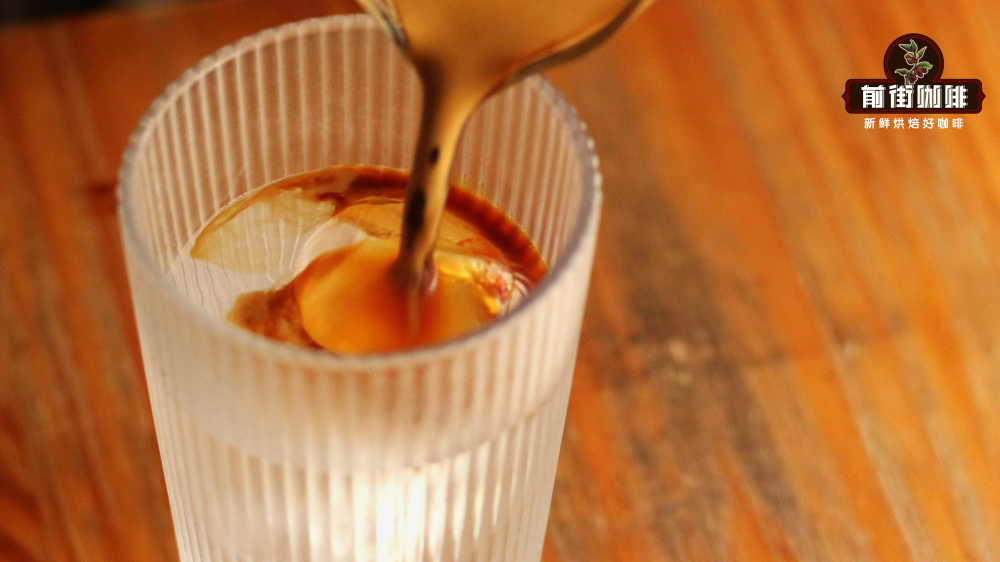
Finally, let’s talk about how to use espresso to make Americano. The basic principle is diluting the espresso with hot or cold water. A common method is using 20 grams of coffee grounds to extract 40 grams of espresso over 28 seconds (a coffee-to-water ratio of about 1:2), then adding 240 grams of ice water or hot water at a 1:6 ratio according to personal preference to create a standard iced or hot Americano. Controlling water temperature and extraction time can further improve the overall flavor balance.

The above content is compiled by CoffeeHunters, a coffee news website.


