








Introduction:Want to recreate café-quality Italian latte at home? This article details the fundamentals of lattes, key extraction parameters, and recommends several espresso blends perfect for making lattes. It also provides a full step-by-step guide—from grinding coffee beans, extracting espresso, steaming milk, to pouring latte art—helping you master every detail and effortlessly brew a professional-level latte with rich flavor and beautiful latte art.
The term “latte” comes from the Italian word “Latte,” meaning milk. A coffee latte is a popular Italian-style coffee drink made by combining espresso with steamed milk. It offers a strong coffee aroma along with the silky texture of milk, featuring distinct layers and a long-lasting aftertaste. By mastering the right choice of coffee beans, espresso extraction ratio, and milk steaming techniques, you too can easily create a beautifully crafted latte that rivals those from cafés.

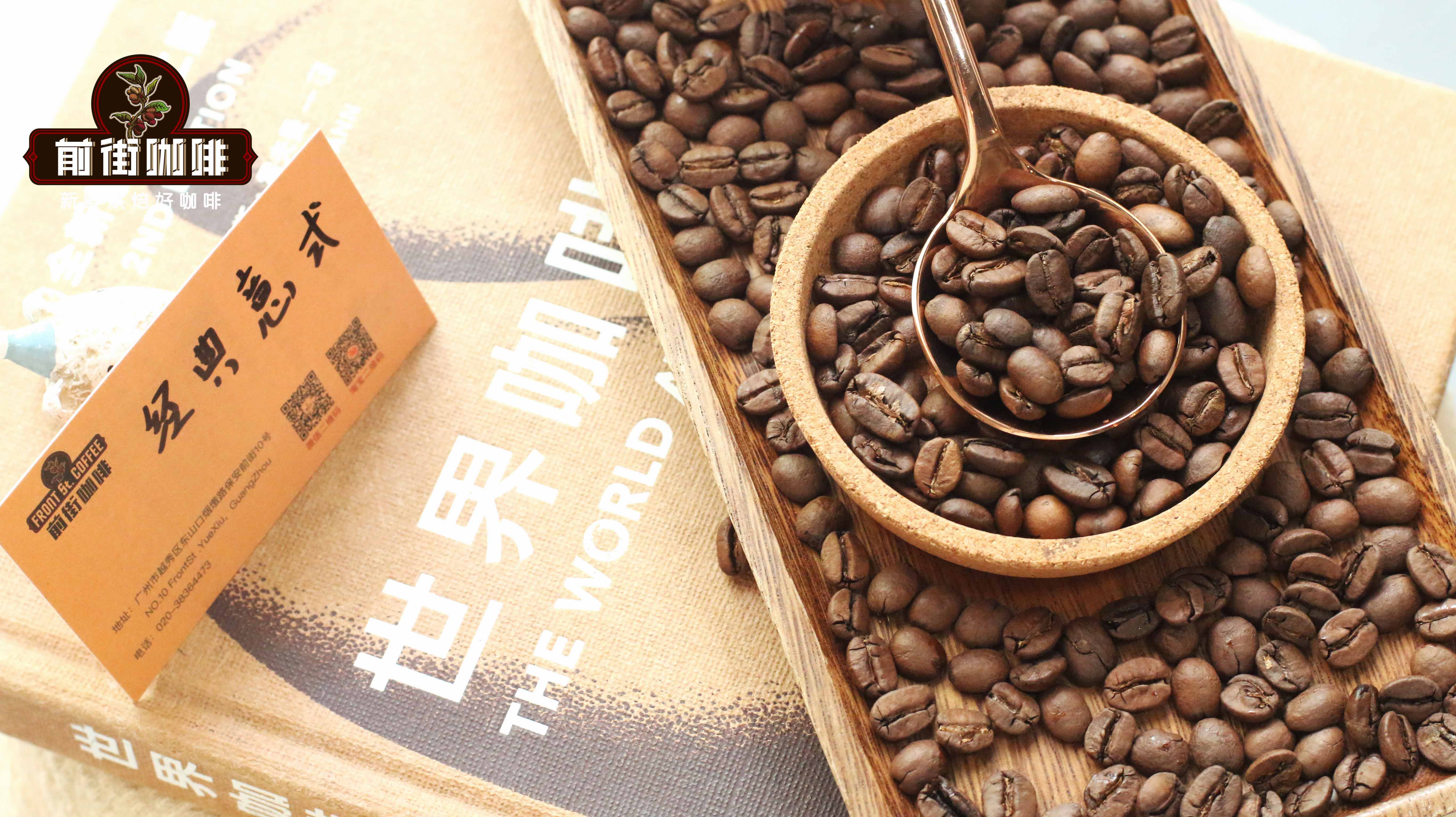
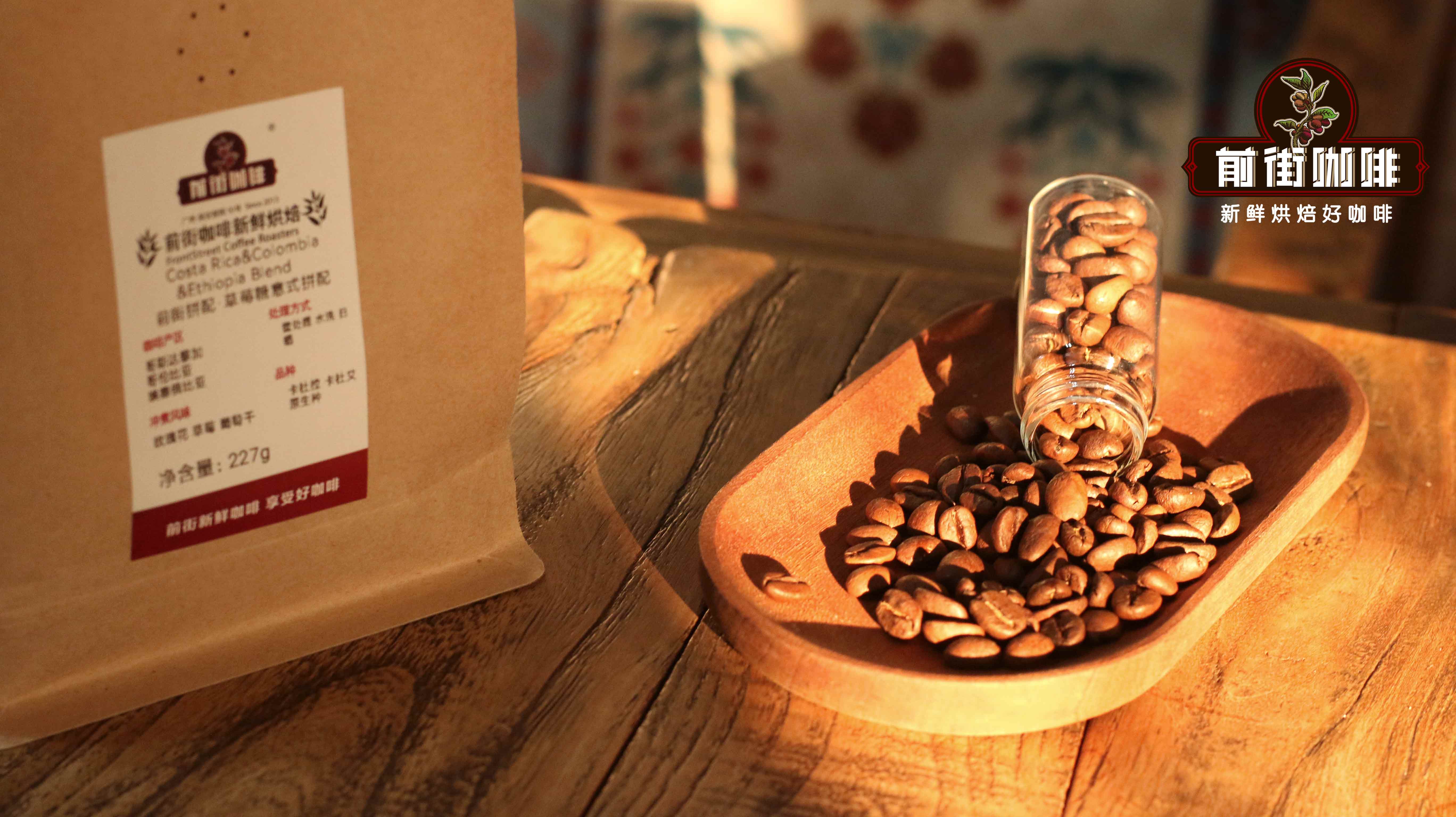
To successfully brew a high-quality latte, the first priority is selecting the right espresso beans. Beans from different regions and roast levels directly affect the final flavor profile. It’s recommended to choose based on personal taste preferences, while also considering cost-effectiveness and freshness, in order to consistently achieve your desired coffee texture.

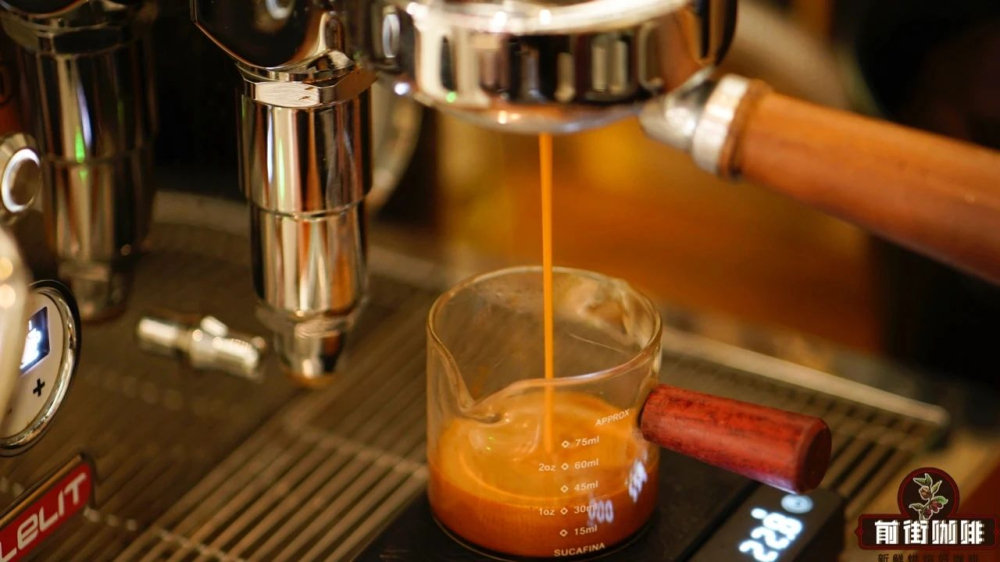
Extracting espresso is the soul of a latte, with key factors being precise control over coffee dose, yield, and time. A common double shot uses about 18–20 grams of coffee grounds, with a standard coffee-to-water ratio of 1:2 (i.e., 20 grams of coffee yielding 40 grams of espresso), and an extraction time of around 20–35 seconds. Too short an extraction may result in underdeveloped flavor, while too long can lead to burnt, bitter off-notes. The 28–30 second range is considered ideal based on practices at many professional cafés.
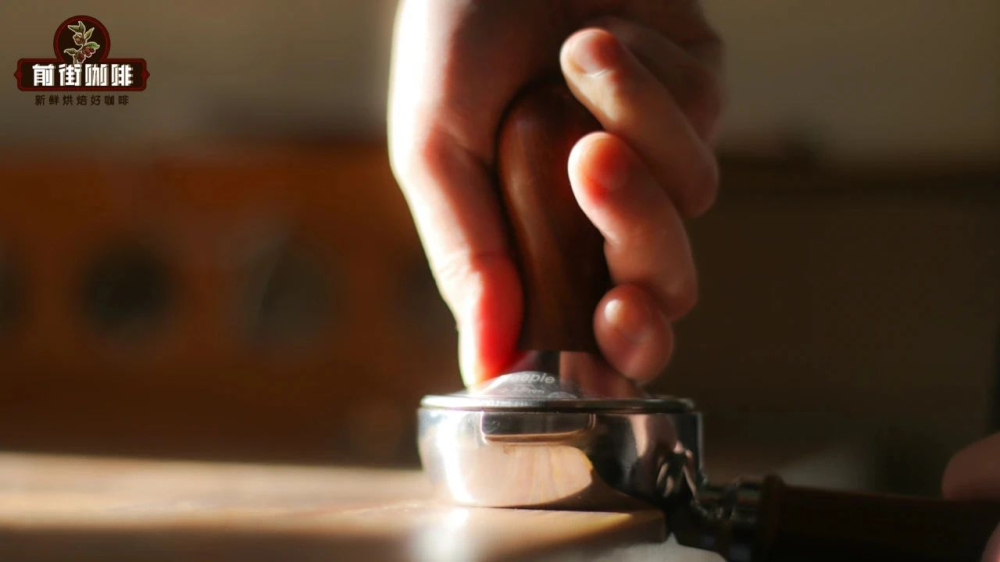
Before extraction, prepare a ceramic coffee cup, a milk pitcher, and fresh milk, and ensure the grinder is adjusted to a fine setting suitable for espresso. Place the ground coffee (about 20 grams) into the portafilter, level it evenly using a distribution tool, then tamp it firmly and flatly with a tamper—a crucial foundation for stable extraction. After turning on the machine, allow water to flow for 1–2 seconds to pre-wet the group head and remove any leftover coffee grounds. Then place the coffee cup on the scale and tare it, lock the portafilter into the group head, and begin extraction. When the yield reaches 40 grams and the time is around 30 seconds, stop the extraction and pour the espresso into the cup.


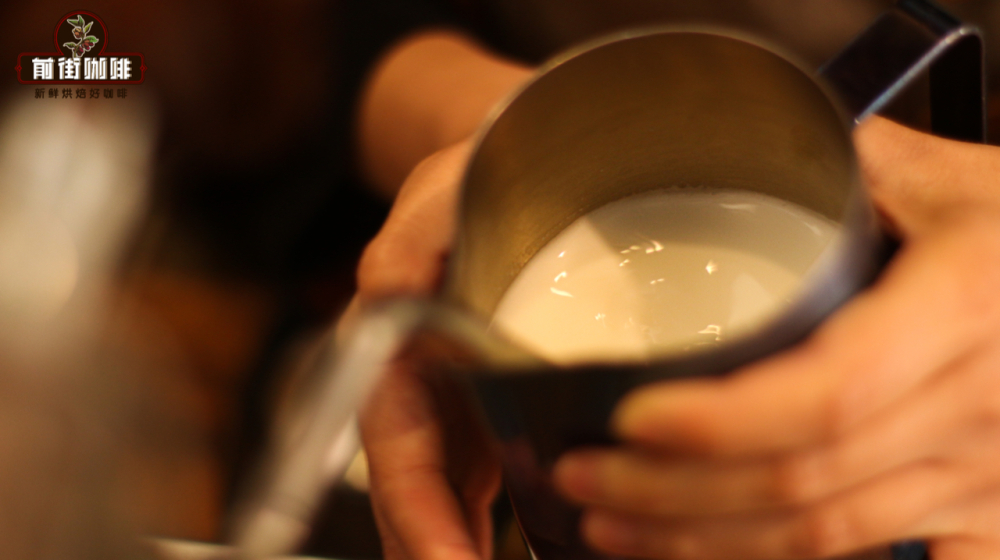
Steaming milk is a critical step for both the texture of the latte and the success of latte art. It’s recommended to use whole fresh milk for optimal milk foam quality. Pour about 240 milliliters of milk into the milk pitcher (using a 300 milliliter cup as an example), and first purge the steam wand for 1–2 seconds to remove condensation. Insert the steam tip just below the milk surface to begin the first stage of stretching, keeping the steam hole just touching the milk to produce fine microfoam and creating a sharp, paper-tearing sound. Then submerge the steam wand about 1 centimeter into the milk to begin the second stage of rolling, evenly incorporating air bubbles to form a smooth, fine foam about 1 centimeter thick, with no large bubbles, a glossy surface, and a velvety feel.
The final integration and latte art are the finishing touches that make the latte truly special. Begin by gently pouring the steamed milk into the espresso from a slightly higher position to integrate the two, maintaining a soft yet steady flow until the cup is about three-quarters full. Then lower the pitcher to reduce impact, letting the foam naturally rise to the surface. Use gentle wrist movements to create patterns, and finally lift the pitcher and push forward to finish—completing a simple yet elegant heart shape or other basic latte art design. Remember to keep the angle and speed of the milk pitcher consistent throughout to achieve smooth and natural latte art.

The above content is compiled by CoffeeHunters, a coffee news website.


