







Introduction:From the birth of the first coffee extraction device in the late 19th century to the modern semi-automatic machines operating at 9 bar pressure, the evolution of the espresso machine has transformed global coffee drinking habits. This article delves into the origins of the espresso machine’s invention, key technological breakthroughs, as well as the milestone contributions of classic brands such as La Pavoni and Faema. It also analyzes the core extraction principles of modern machines, helping readers understand the time-tested design wisdom that has endured for centuries.
Step into any specialty coffee shop, and aside from the unique interior design, nothing catches the eye more than the diverse array of espresso machines. These machines are not only essential tools for crafting espresso but also carry the history of a century of technological innovation. Though their operation may seem simple, the evolution behind them is a culmination of ingenuity from engineers and baristas alike.
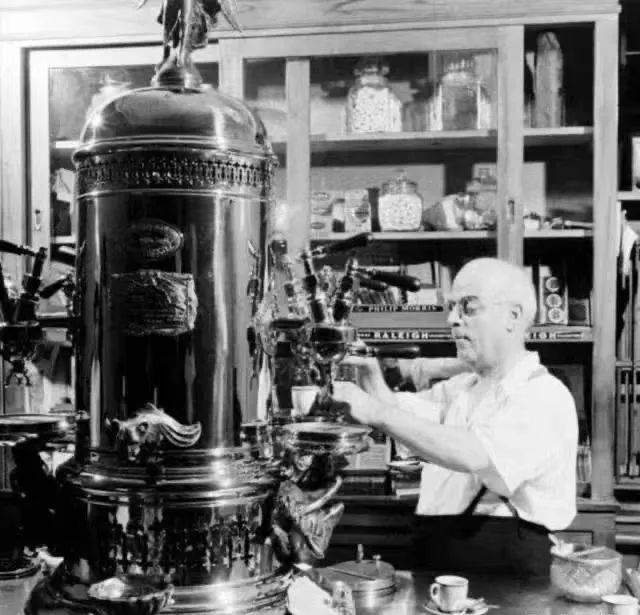
Long before the espresso machine was invented, people relied on methods like using moka pots, pots, or drip brewing to make coffee—all of which required long waits. Angelo Moriondo of Italy grew impatient with this, and in 1884, he showcased his prototype coffee machine at an Italian exposition. This device featured a dual-boiler system: a main boiler to heat pure water and a secondary boiler to generate steam, which used steam pressure to push hot water through coffee grounds for rapid extraction. Although the design at the time did not meet the standards of modern espresso, it laid the foundation for the concept of high-pressure extraction.
It’s worth noting that Moriondo only applied for a patent for a “steam-driven rapid coffee-making device” and did not commercialize it. It wasn’t until 1901 that a mechanic in Milan improved the prototype to make it more suitable for public use, and in 1905, the La Pavoni company obtained the crucial commercial patent. A team led by Desiderio Pavoni added a dedicated brewing head based on this foundation, finally giving birth to the world’s first espresso machine that met modern definitions.
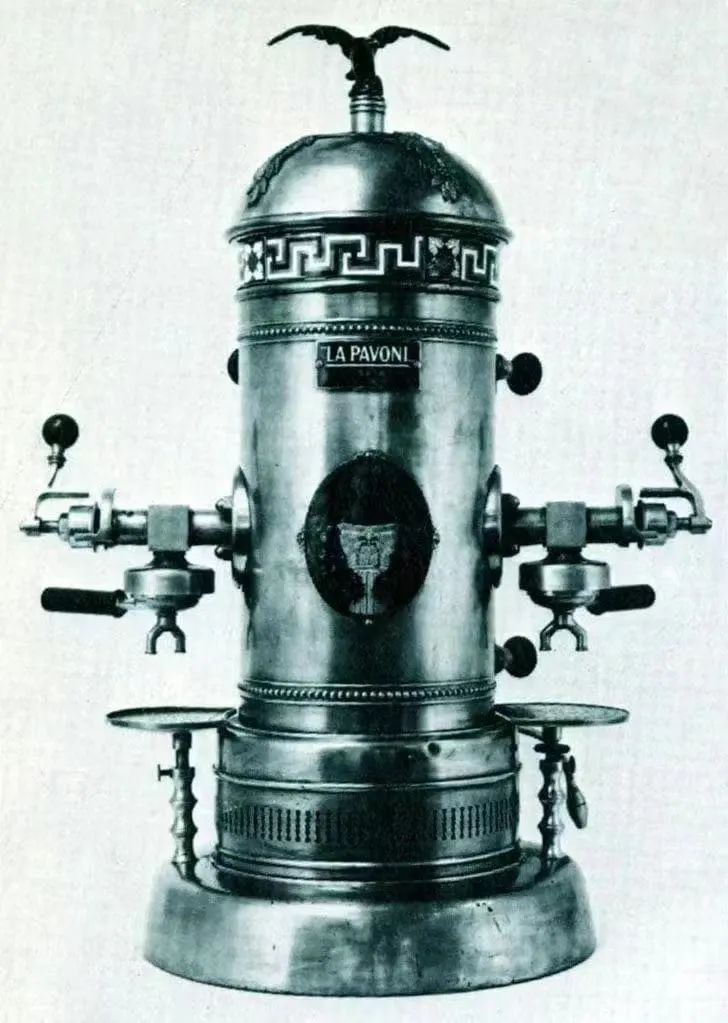
Compared to earlier devices that could only produce black coffee, this new machine achieved standardized espresso extraction for the first time. Although it resembled a fire hydrant and used a design with 140°C temperatures and 1.5 bar pressure to complete extraction in 45 seconds, the flavor profile was far from what we expect today due to the limitations of technology and coffee bean quality at the time. Nevertheless, its emergence led to the formal inclusion of the term “espresso” in the Italian dictionary in the early 20th century, defined as “concentrated coffee made by a pressurized device.”
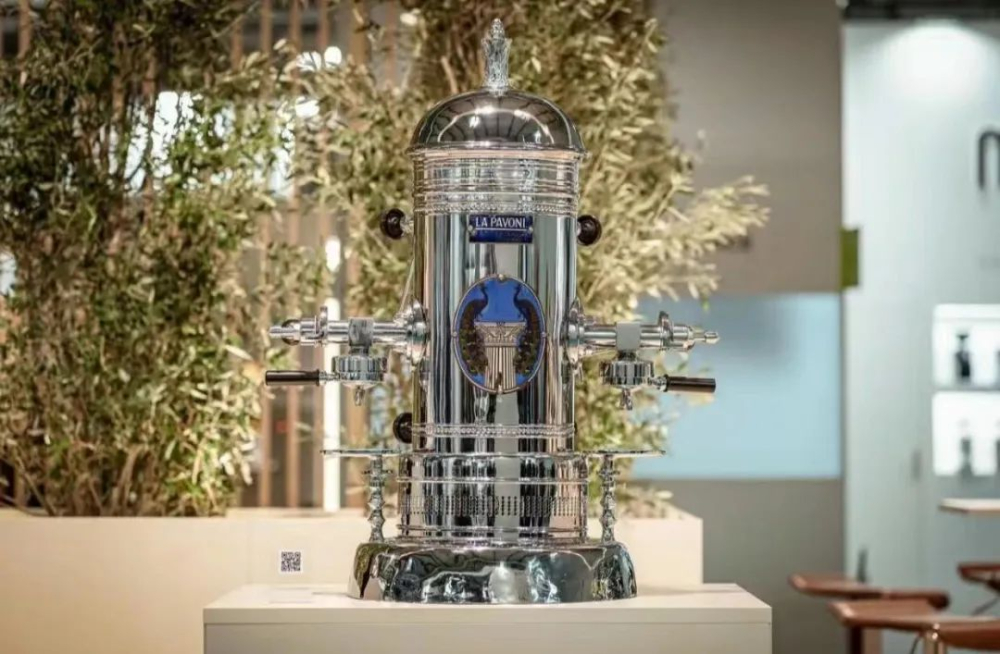
Modern espresso machines typically achieve an extraction pressure of 9 bar, a breakthrough originating from the innovation of a Milanese barista in 1947. He invented a piston-style manual lever mechanism that used human power to increase pressure and extract more coffee flavor compounds, while also producing the rich golden crema. This technology was later acquired by the Faema company and led to the launch of the revolutionary “Faema E61” in 1961.
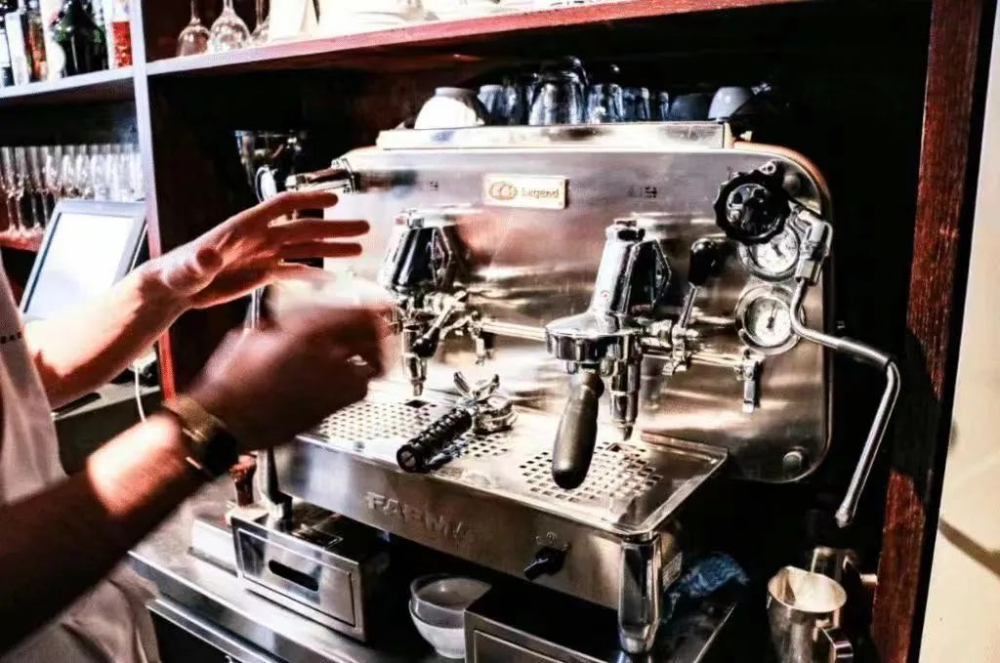
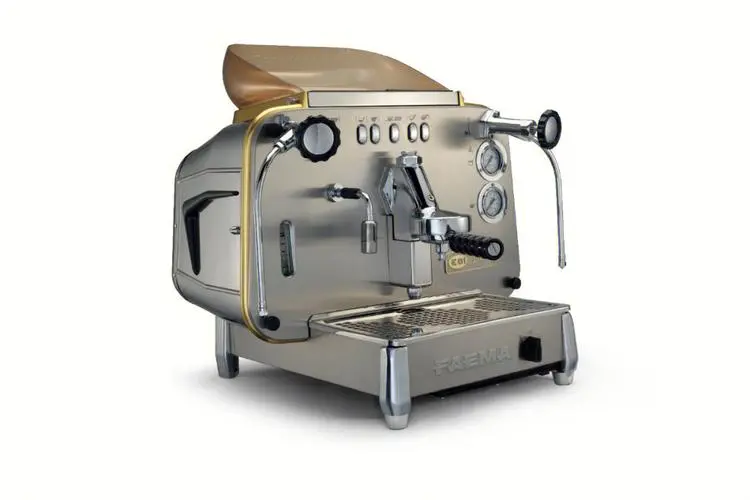
The E61 model introduced an electric pump system to precisely control extraction pressure to the standard 9 bar, coupled with a stable water temperature management system to achieve highly consistent extraction quality. Its modular design and user-friendly interface became the blueprint for later semi-automatic espresso machines and remain considered industry classics to this day. Many modern high-end machines inherit the E61 brew head structure and heat exchange technology.
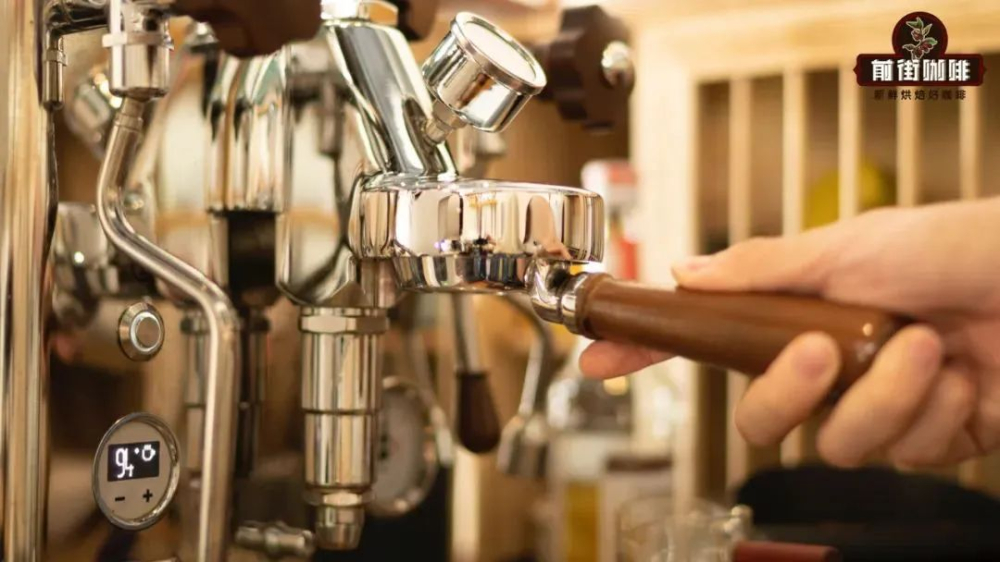
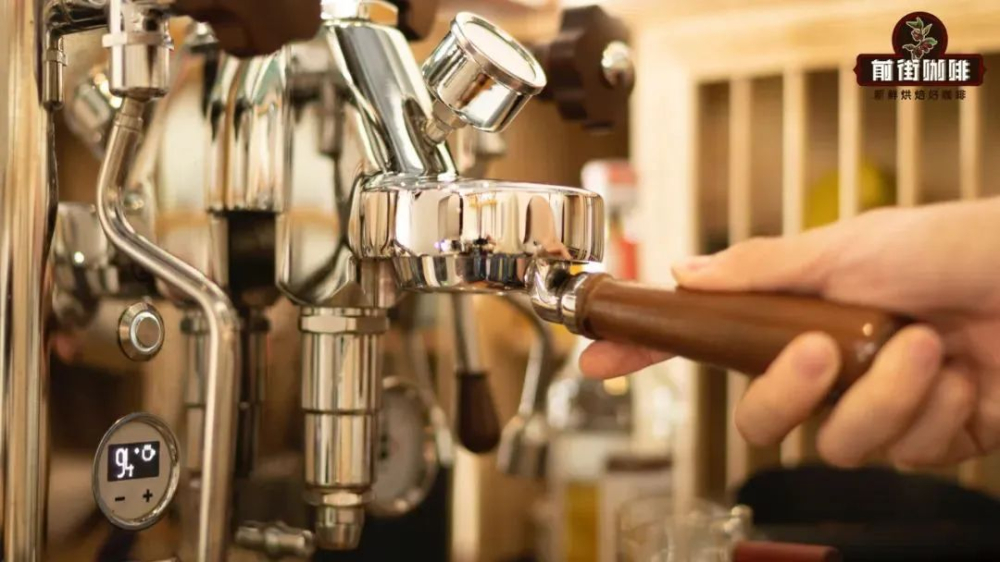
As the market matured, the types of espresso machines became increasingly diverse, ranging from professional commercial models to compact home-use devices. Modern machines generally come equipped with advanced features such as PID temperature control, pre-infusion functions, and adjustable pressure profiles, allowing users to fine-tune parameters based on the characteristics of different coffee beans. Whether you’re a barista pursuing ultimate flavor or a coffee enthusiast hoping to enjoy professional-grade coffee at home, there’s a machine suited to your needs.
The above content is compiled by CoffeeHunters, a coffee news website.


