







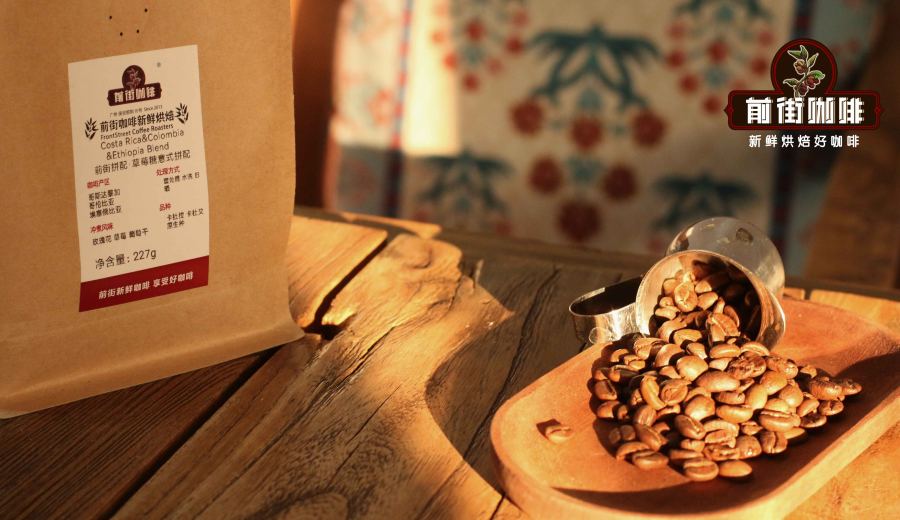
Introduction:To brew professional-grade espresso at home, choosing the right coffee beans is essential. This article delves into whether single-origin SOE beans are suitable for home machines, and selects 10 high-cost-performance medium-to-dark roasted espresso beans—from blends to single origins—based on factors like crema, flavor, and extraction performance. These beans are ideal for use with moka pots, semi-automatic machines, and daily enjoyment by enthusiasts, along with key parameter references.
To extract coffee with rich aroma and full crema using a home coffee machine, selecting freshly roasted beans is key. Freshly ground coffee not only preserves complete flavor characteristics but also allows you to adjust grind size and extraction settings based on different equipment. With hundreds of coffee bean options on the market, how to choose the right product for your taste and device is a common question among many coffee lovers.
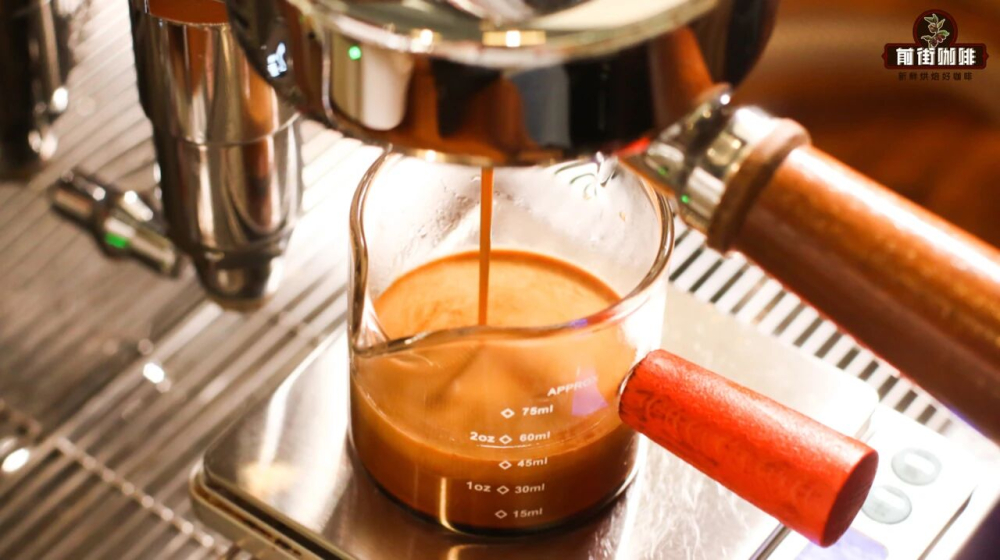
For beginners or home users seeking stable performance, it’s important to choose an espresso bean with moderate roast level and balanced flavor. It is generally recommended to select medium-to-dark roasted beans, which usually offer better body and crema performance, and can still deliver a rich taste even under the limited pressure conditions of home machines.
Many brands on the market offer blends specifically designed for espresso machines. Classic combinations often use Brazilian or Colombian beans as a base, blended with varying proportions of Central/South American or Southeast Asian beans, creating a bold and rich foundation flavor that’s ideal for latte art. Additionally, if you want to explore the charm of single-origin beans, choosing a high-quality SOE (Single Origin Espresso) is also a great option, allowing you to more clearly experience the unique terroir characteristics of the origin.
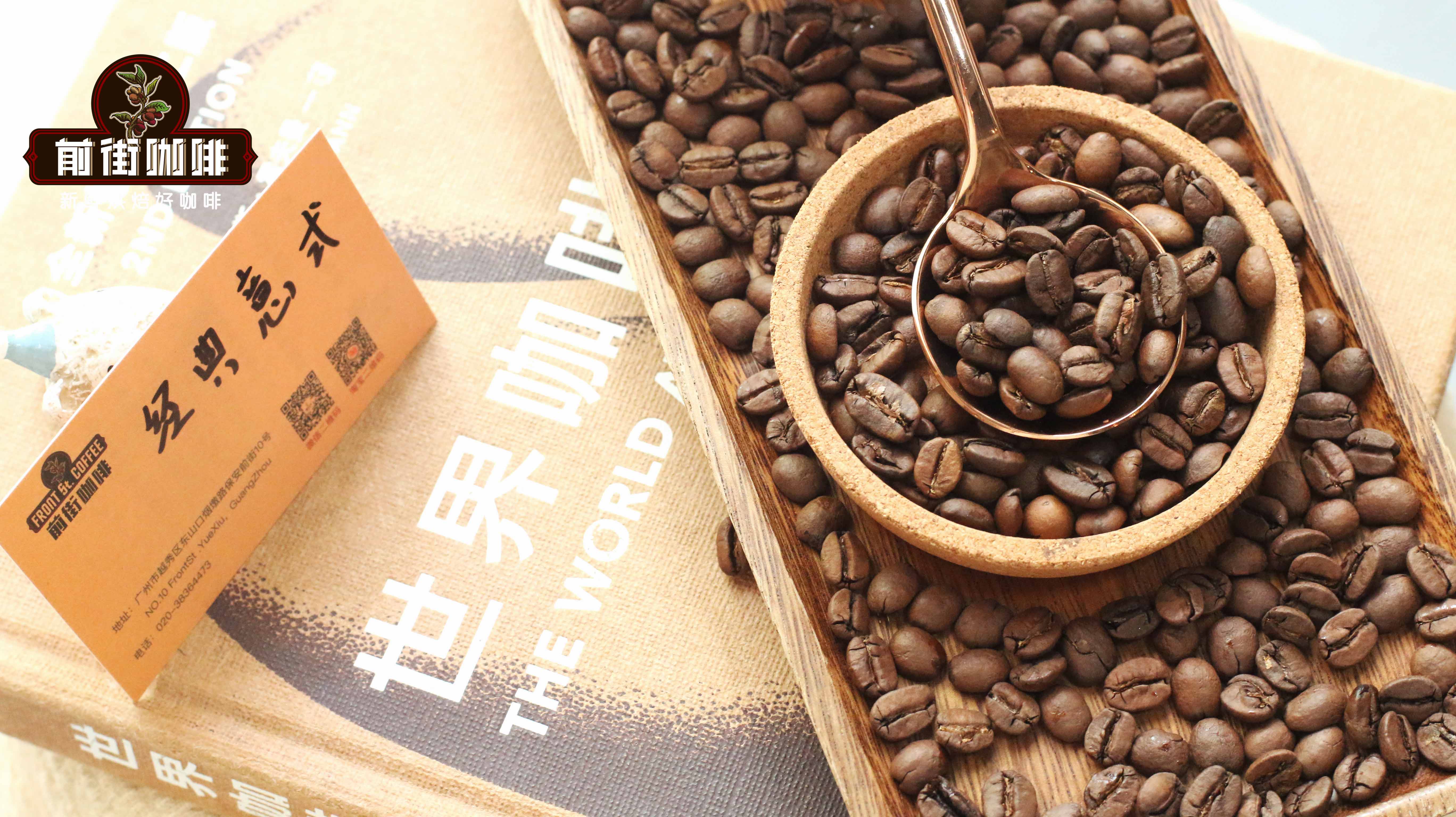
For example, a classic espresso blend based on Mandheling and Brazilian beans, enhanced with a small amount of Robusta to boost crema, is especially suitable for making lattes and cappuccinos at home. Its rich body blends perfectly with milk. Another strawberry candy-flavored espresso blend combines medium-light roasted Costa Rican and Ethiopian beans, offering a soft sweet-and-sour profile and smooth texture, ideal for fruit-flavor lovers making Americanos or light-cream lattes.
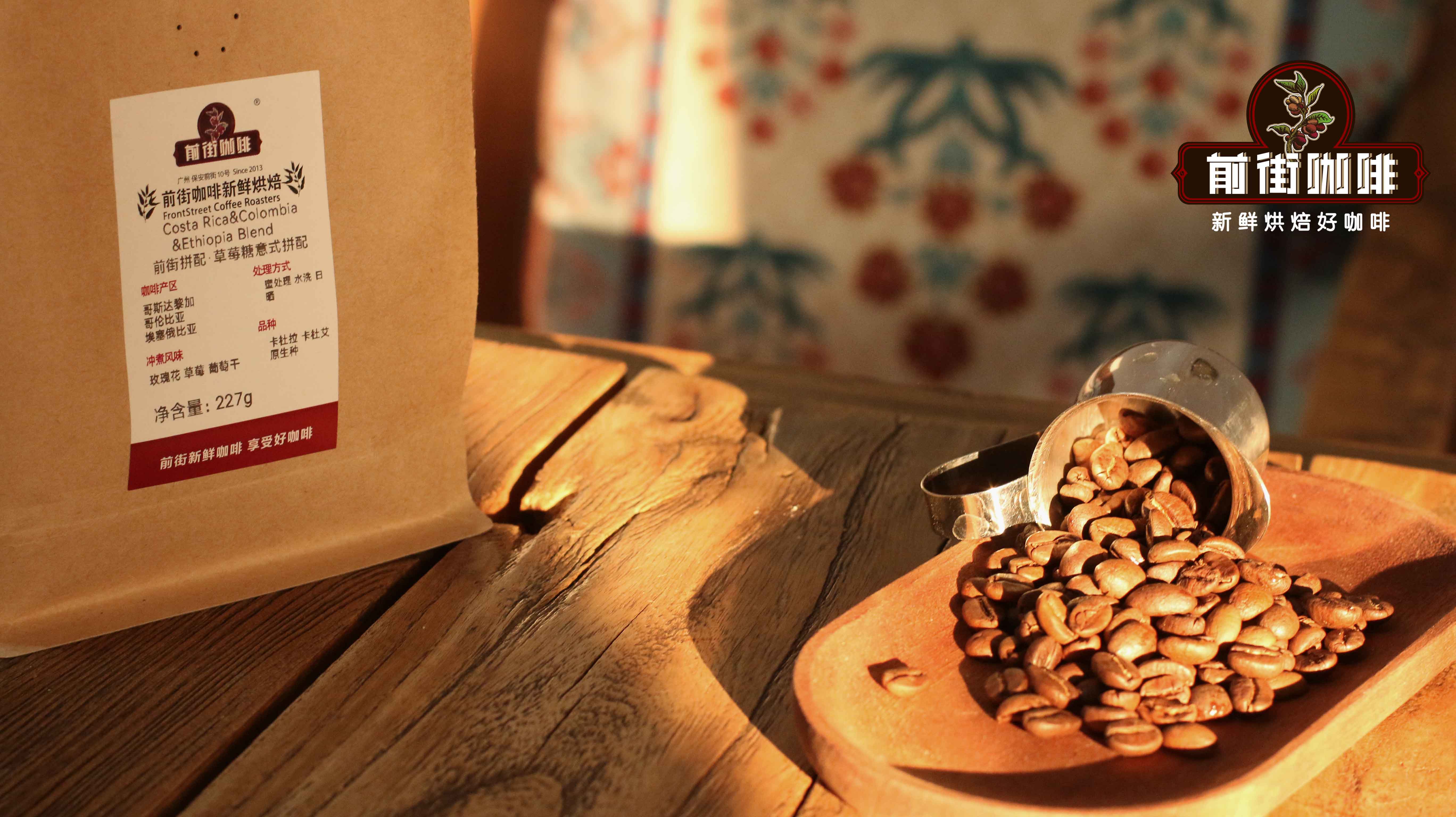
If you prefer nutty and chocolatey notes, a blend of Brazilian and Colombian beans is a good choice. Such blends often exhibit aromas of roasted nuts, cocoa, and caramel, suiting drinkers who don’t favor excessive acidity. There are also commercial-grade blends primarily made from high-yield regions like Vietnam and Brazil, providing intense roasted flavors and affordable prices, making them very suitable for daily heavy use.
For single-origin SOEs, the Geisha coffee from Huehuetenango, processed with double anaerobic natural fermentation, offers intense tropical fruit aromas such as passion fruit, grapes, and dried fruits, with a smooth almond finish. It has been a popular choice in recent years. The Ethiopian Huila Kouwei SOE is known for its tropical fruit profile, including mango, blueberry, and citrus, with bright and layered acidity, and has received recognition in the TOH competition.
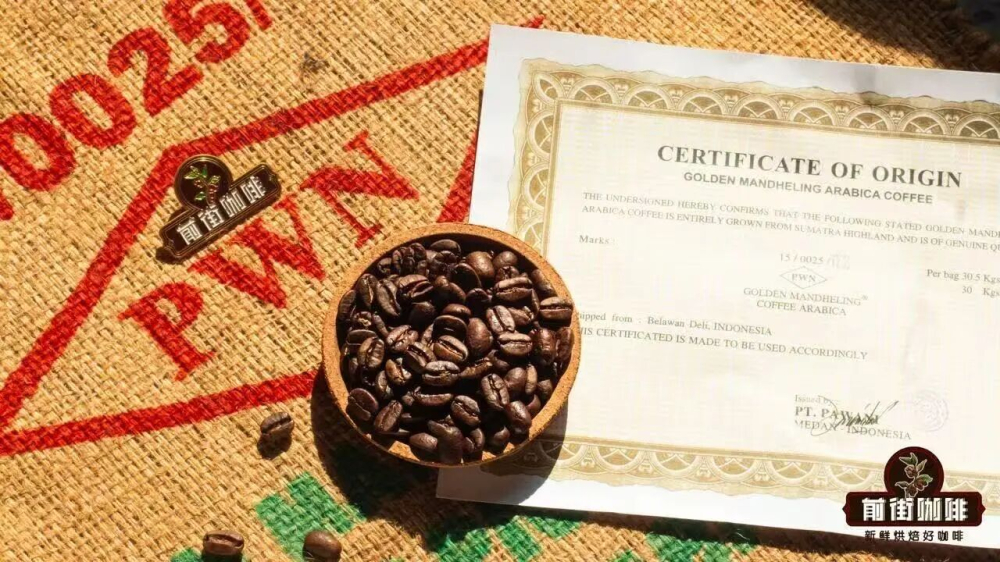
The Costa Rican Mozart SOE uses raisin honey processing. After medium roasting, it exhibits fermentation aromas of berries and fruit wine. Medium roasting enhances its flavor expression, with sweet notes of raisins and pineapple upon tasting. The Indonesian Golden Mandheling is renowned for its high-quality G1 grade, with an extremely low defect rate and multi-layered flavors, featuring notes of nuts, caramel, and chocolate, with a clean and long-lasting finish.
Additionally, the Brazilian Yellow Bourbon SOE comes from a unique variety exclusive to São Paulo state. When ripe, the beans appear orange-yellow, with flavors mainly of nuts, chocolate, and cocoa, a gentle acidity, and a sugarcane sweetness on the finish. It suits drinkers who prefer a mellow taste. Whether you choose blends or single origins, it’s recommended to adjust grind size and extraction time appropriately according to your home machine’s pressure and water temperature parameters, to achieve the best flavor performance.
In summary, SOE beans are not only suitable for professional coffee machines but can also deliver outstanding flavors on home equipment—the key lies in selecting the right roast level and processing method that match your taste and equipment characteristics. Through this list of 10 recommended beans, whether you’re a beginner or an advanced user, you can find delicious daily options that suit you.
The above content is compiled by CoffeeHunters, a coffee news website.


