








Introduction:The unique flavor of espresso comes from the perfect combination of roast level and extraction technique. This article delves into why most espresso beans are roasted to medium-dark or darker, analyzes the extraction principles and key parameters of espresso, and provides practical suggestions for coffee-to-water ratios. Whether you’re choosing a classic blend or a specialty bean, it can help you find the right coffee to enhance the quality of your home or café brewing.
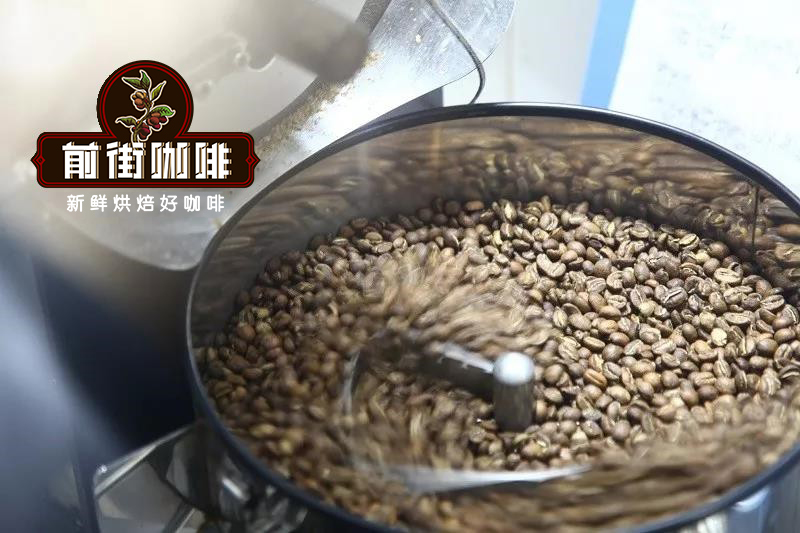
Espresso is typically made with beans roasted to medium-dark to dark levels, which is closely related to its diverse uses. In addition to being served as straight black coffee, espresso beans are more commonly used in milk-based drinks such as lattes, cappuccinos, and mochas. If roasted too lightly, not only will the crema layer be thinner, but the coffee’s own aroma can easily be masked by the milk, making it difficult to showcase the full flavor profile.
Why do espresso beans favor dark roasts?Dark roasting brings out richer caramel, nutty, and chocolatey notes, while also giving the beans greater resistance to extraction, making them suitable for high-pressure environments. Even for SOEs (single-origin espressos), when used in espresso machines, roasters will fine-tune the roast to medium-dark or darker to ensure a rich flavor profile can still be expressed under 9-bar pressure.
Espresso has a high consumption rate, so commercially available beans often come in large packages of 1 pound (about 454 grams) or 1 kilogram. The unit price is more affordable compared to premium pour-over beans, making it suitable for daily high-volume use. Below are five carefully selected espresso beans that offer both good value and flavor, providing reference options for different scenarios.
Classic Three-Region Blend:A blend of Brazilian, Indonesian Mandheling, and Vietnamese beans, delivering rich caramel aromas and bold dark chocolate flavors. It has a thick, smooth crema and a nutty aftertaste, making it an ideal base for lattes and cappuccinos.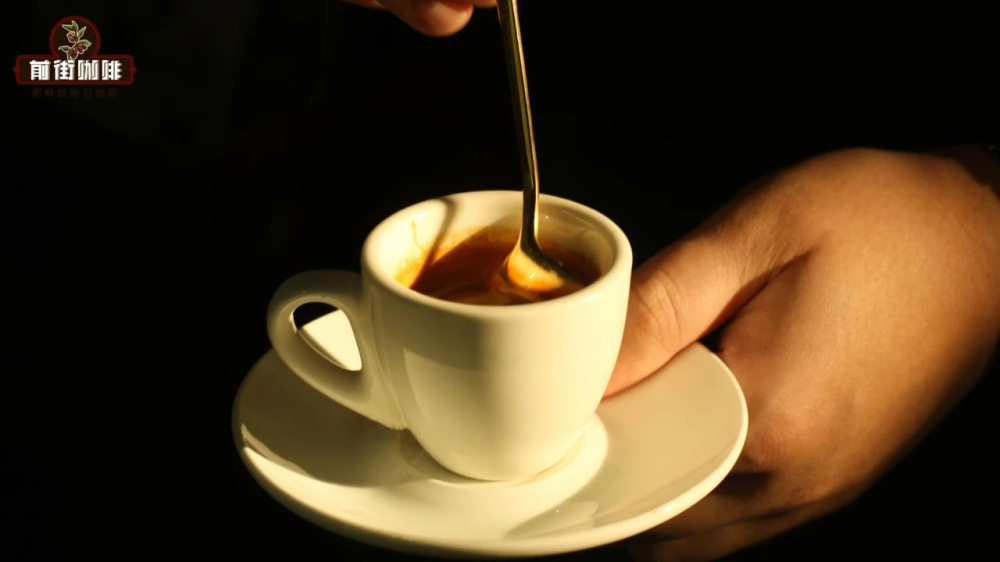
Two-Region Balanced Blend:Combining Colombian Huila and Brazilian Cerrado, the former contributes bright acidity and subtle herbal notes, while the latter offers a rich, bitter-sweet taste with a silky mouthfeel. The overall flavor is mild, suitable for cafés serving coffee daily and able to meet the taste preferences of most customers.
Commercial-Grade High-Crema Blend:This blend incorporates Robusta beans to enhance bold body and abundant crema. Caramel sweetness and dark chocolate notes are prominent, with well-balanced acidity and sweetness. It’s suitable for high-traffic beverage shops, capable of consistently producing espresso with uniform flavor.

Mild Acidic Blend:Blended with Yunnan AA and Brazilian beans, it showcases gentle fruit acidity and a mellow caramel sweetness. Though the overall profile is more subdued, it pairs well with bread or light meals. It’s a cost-effective choice for small cafés or home users, especially suitable for consumers who prefer low-acidity flavors.
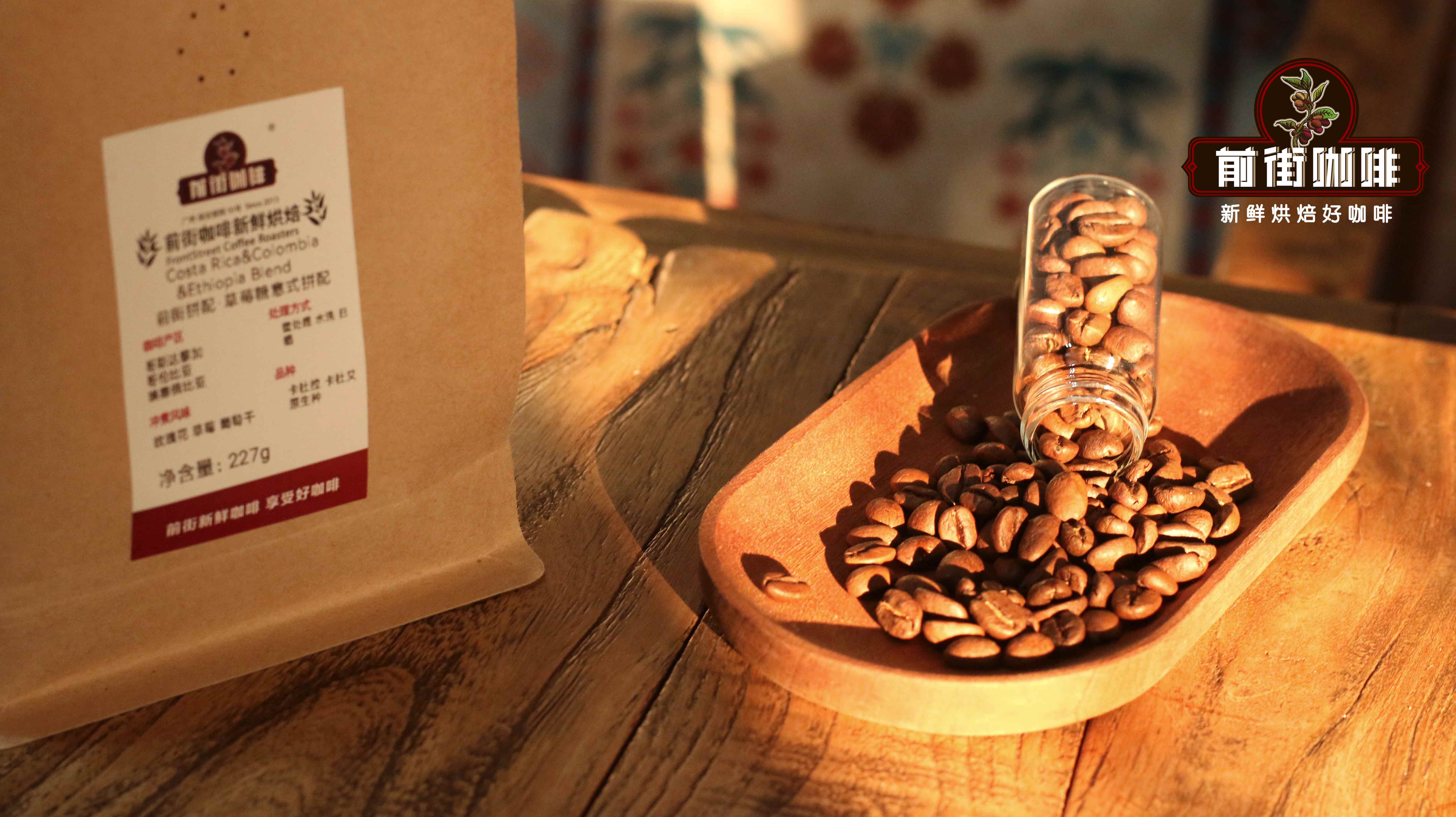
Specialty Honey-Processed Blend:A mix of Costa Rica Tarrazú honey-processed beans, Ethiopian beans, and Colombian beans, creating a profile that retains acidity yet feels smooth and rounded. The extracted crema is delicate, with a subtle sweet-tart flavor reminiscent of strawberry taffy. It’s ideal for coffee enthusiasts seeking innovative flavors and can also add a highlight to standard menus.

Key Extraction Parameters for Espresso:The general recommendation is a coffee-to-water ratio of 1:2 to 1:2.5 (e.g., 18 grams of coffee grounds yielding 36–45 milliliters of espresso). The grind size should be close to that of granulated sugar or finer, and the extraction time should be controlled between 25–30 seconds. Too coarse a grind can lead to under-extraction and a flat flavor; too fine may cause over-extraction, resulting in bitterness and off-flavors.
Mastering these basic elements and fine-tuning according to the characteristics of the coffee beans used—whether in a professional café or at home—can elevate the quality and consistency of your espresso.

The above content is compiled by CoffeeHunters, a coffee news website.


