








Introduction:When faced with an overwhelming array of options on a café menu, have you ever wondered what exactly sets an Americano, Latte, or Dirty apart? This article delves into the various iterations of Italian-style coffee, from the extraction ratios of espresso to the adjustments in milk proportions, helping you grasp the unique characteristics and key techniques behind each drink. Whether you’re a beginner or a coffee enthusiast, you’ll find your ideal coffee recommendation here.
Walking into a coffee shop, it’s common to hesitate between choices like Americano, Latte, or Cappuccino. In reality, these drinks mostly belong to the Italian coffee family, all based on espresso extracted under high pressure, then mixed with varying ratios of water, milk, or ice. Understanding their differences will make your next order much more confident.
The Core of Italian Coffee: Espresso
Espresso is made by extracting a concentrated coffee liquid under high pressure from extremely finely ground coffee beans. A standard double shot typically uses 19–20 grams of coffee grounds, yielding 35–40 grams of espresso, in about 28–35 seconds; a single shot uses 11–12 grams of coffee grounds, producing 20 grams of espresso, in around 18–23 seconds. Actual parameters may vary slightly depending on the equipment used.

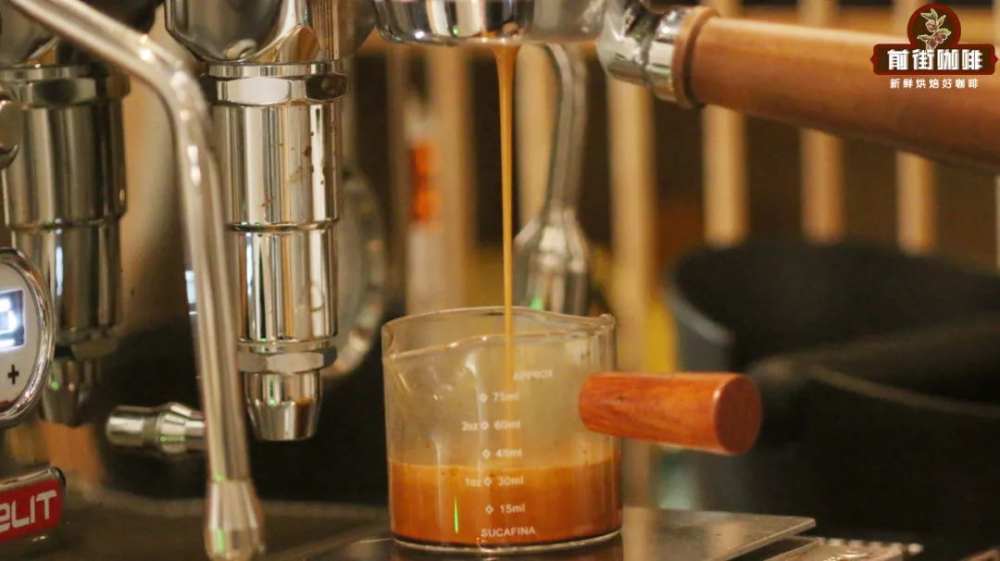
Espresso can be categorized into regular, Ristretto, and Single Origin Espresso (SOE). Ristretto has a lower extraction ratio and a bolder flavor; SOE highlights the unique characteristics of coffee beans from a single origin, commonly found in specialty coffee.
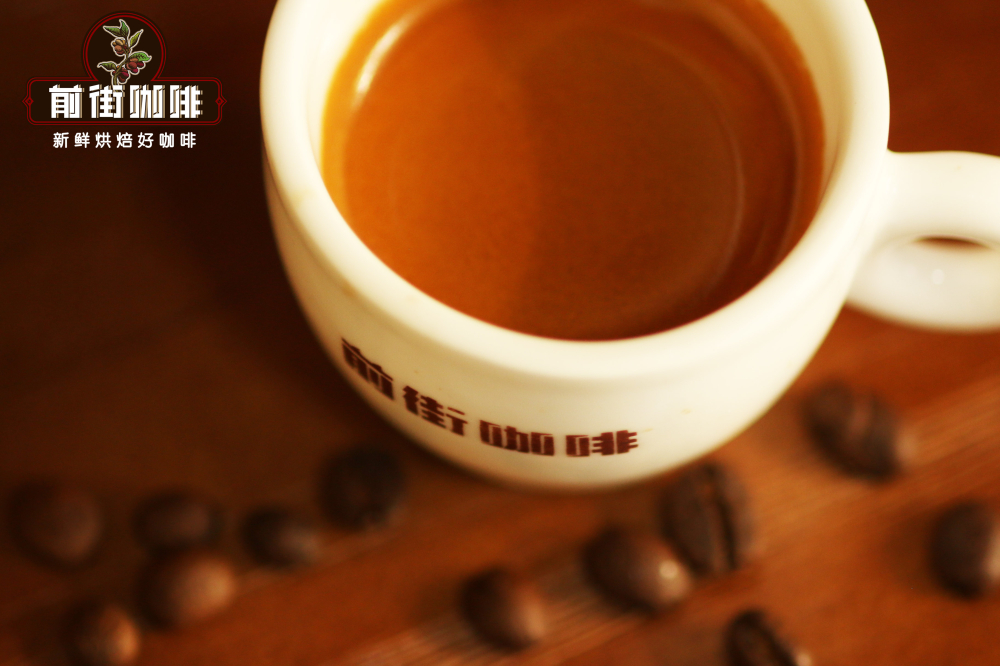
Common Variations of Italian Coffee
The Americano is the simplest variation, made by adding hot or cold water to espresso at a 1:6 to 1:8 ratio —two shots of espresso with the right amount of water makes a classic Americano.
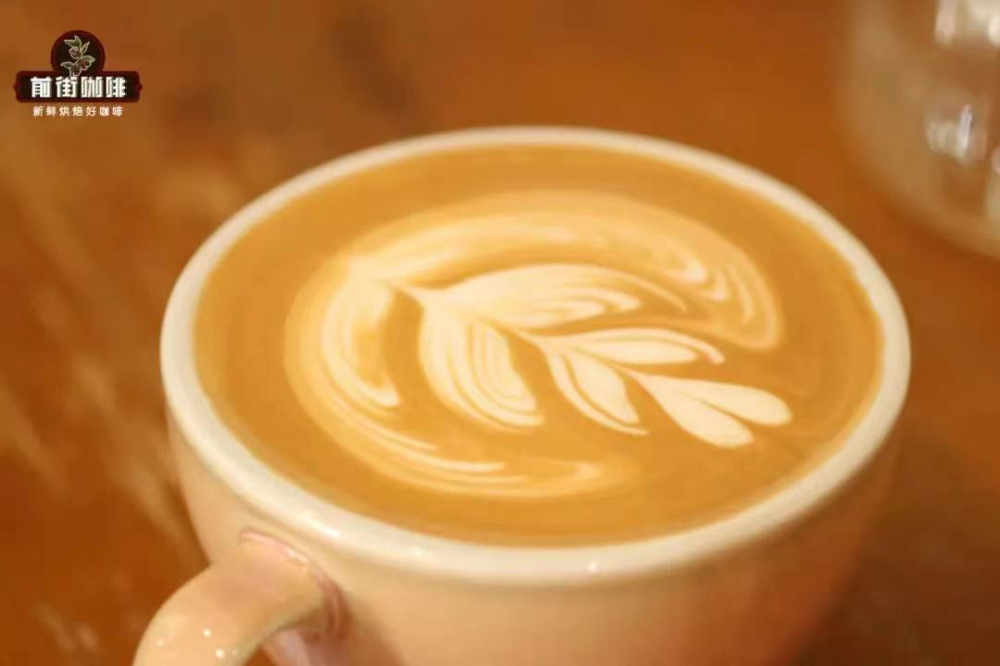
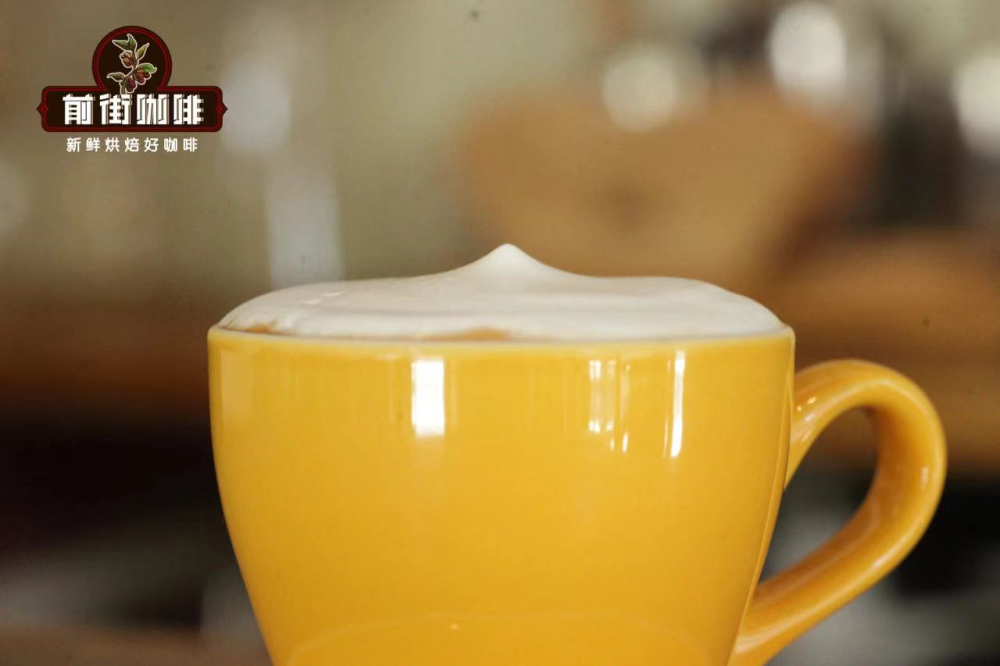
A Latte combines espresso with a large amount of steamed milk and milk foam, at a ratio of about 1:5 to 1:8, available hot or iced. A Cappuccino is characterized by its thick layer of foam, with a similar ratio, but it's only recommended hot for a fluffier foam texture.
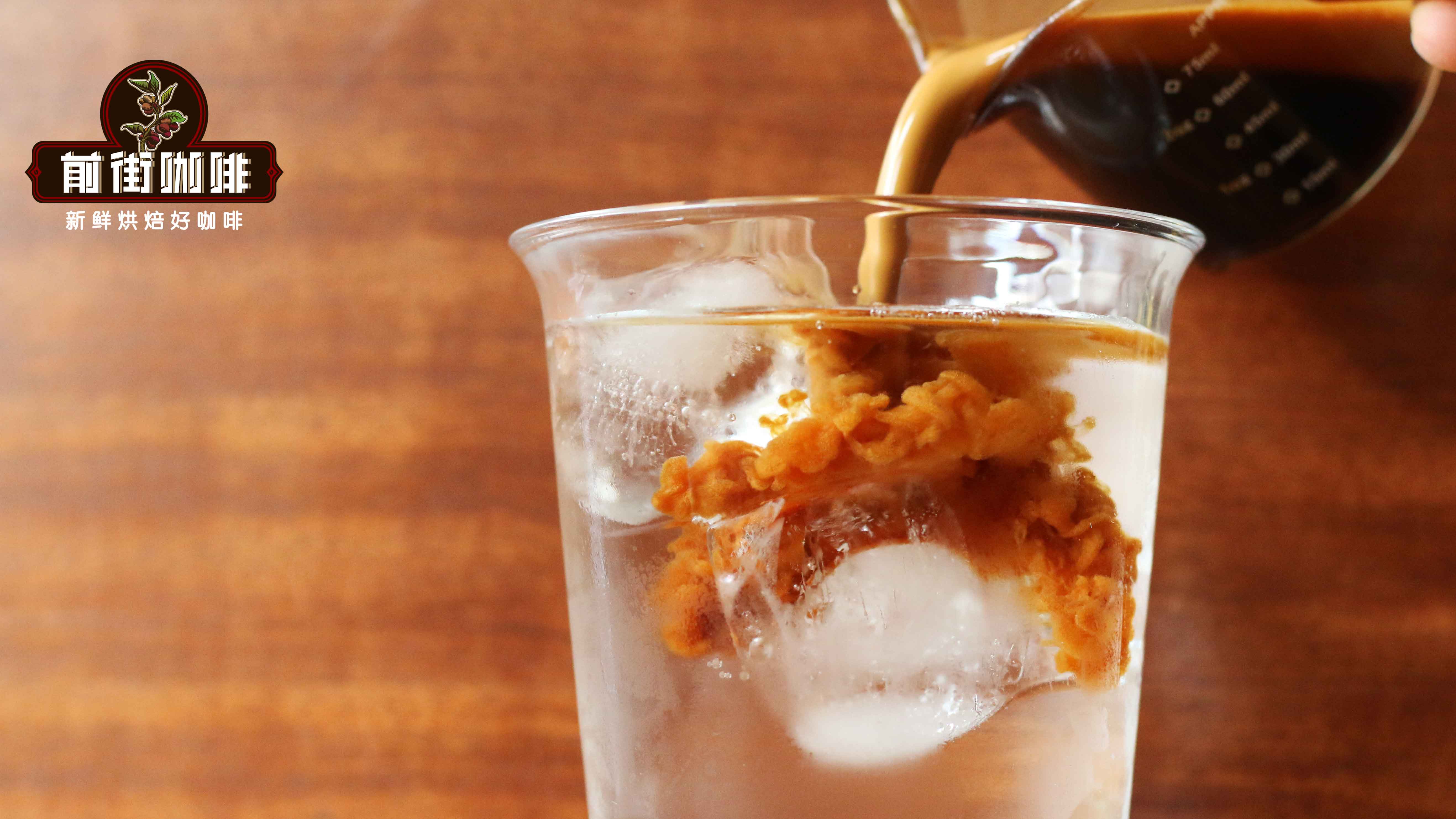
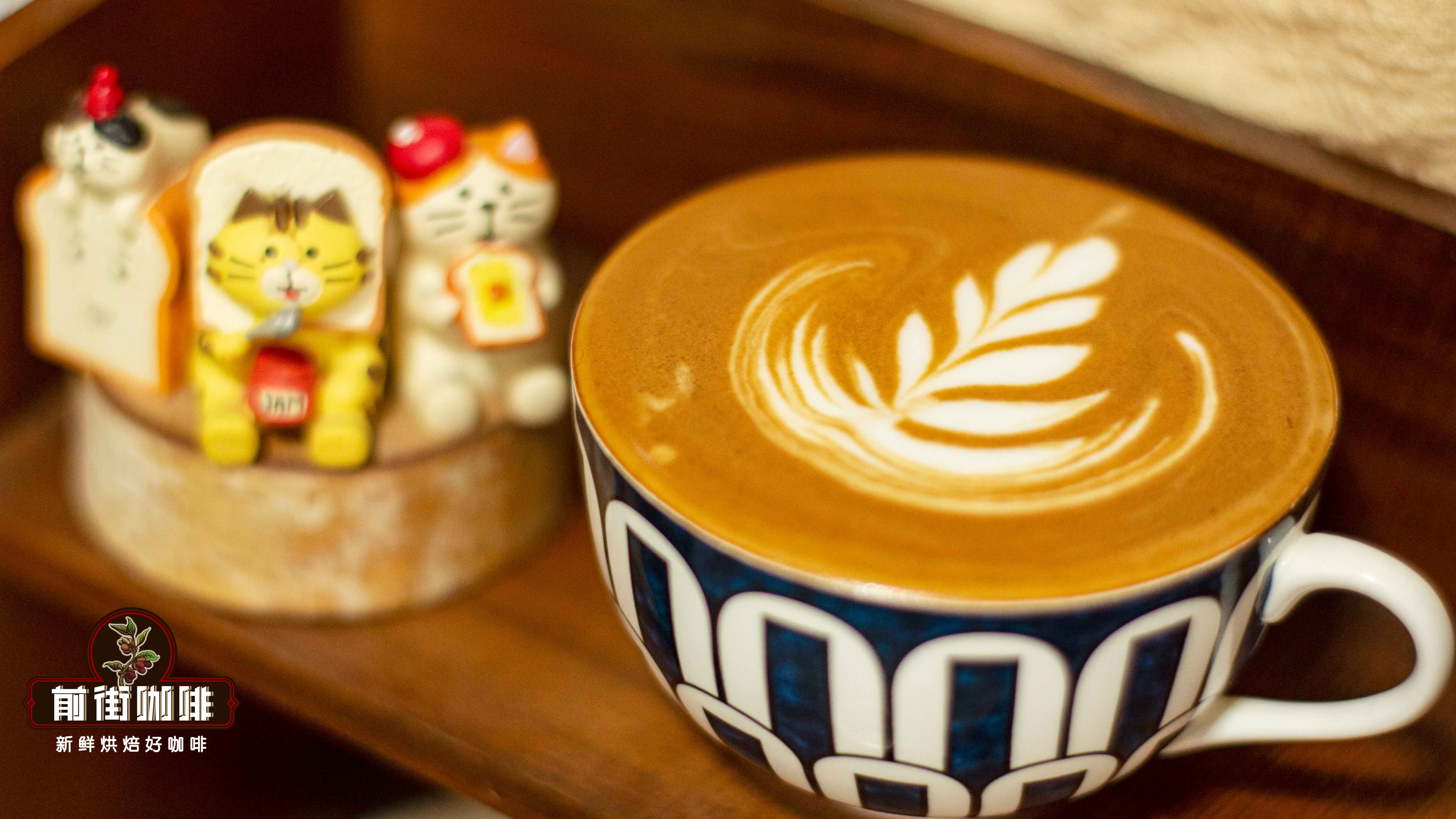
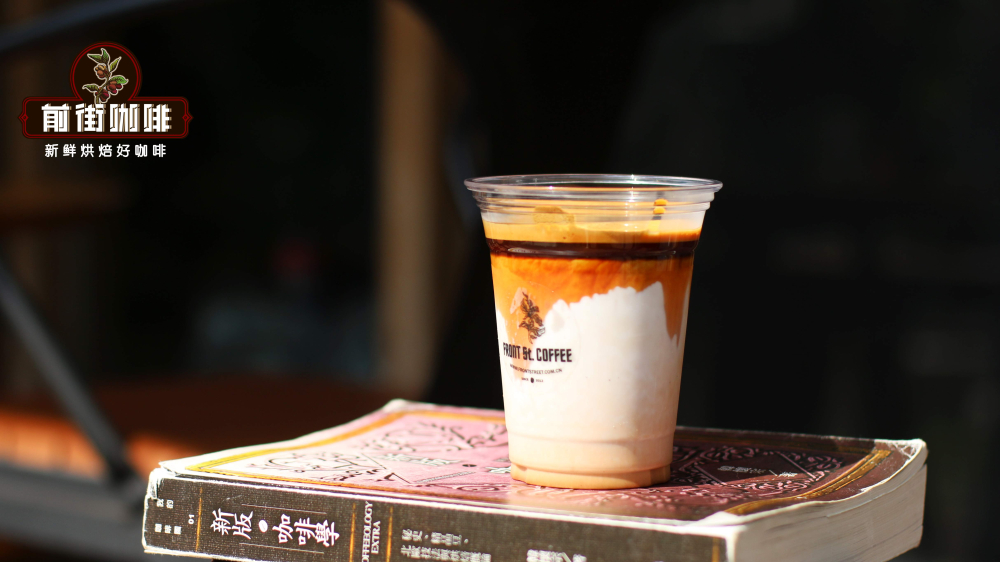
The Flat White is similar to a Latte but uses Ristretto shots, with a lower milk ratio and thinner foam, usually at a 1:5 to 1:6ratio, offering a more concentrated flavor. The Dirty is a cold drink representative, where espresso is poured directly over cold milk, creating a layered effect due to density differences; drinking it unstirred allows you to experience the gradual blending of coffee and milk.
Mochas include chocolate syrup, mixed with milk and espresso, also at a 1:5 to 1:8ratio, ideal for those who enjoy the combination of sweetness and coffee.
Pour Over Coffee: Drip and Cold Drip
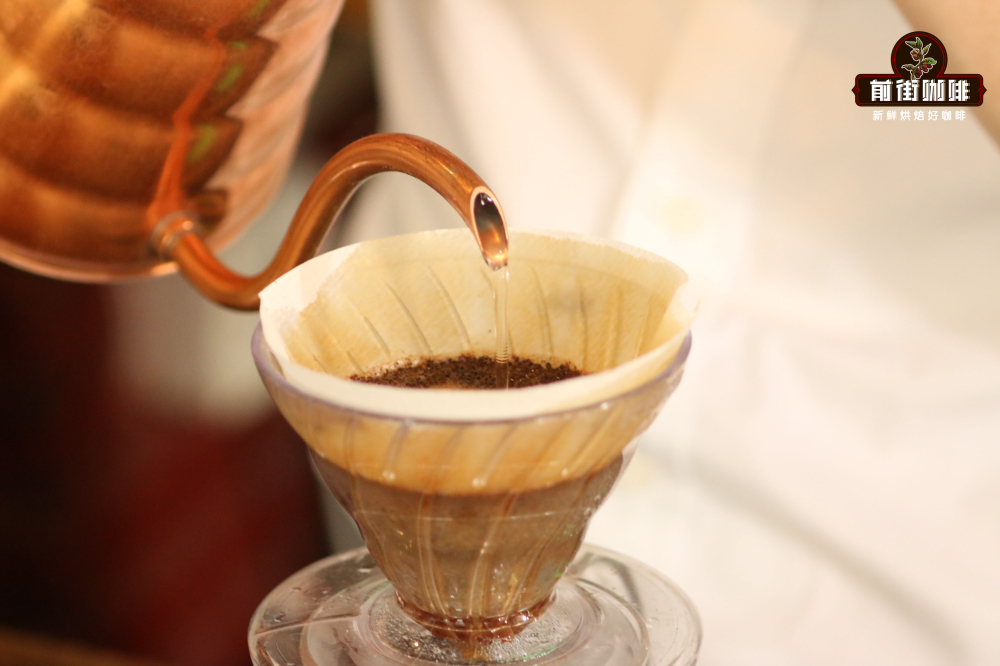
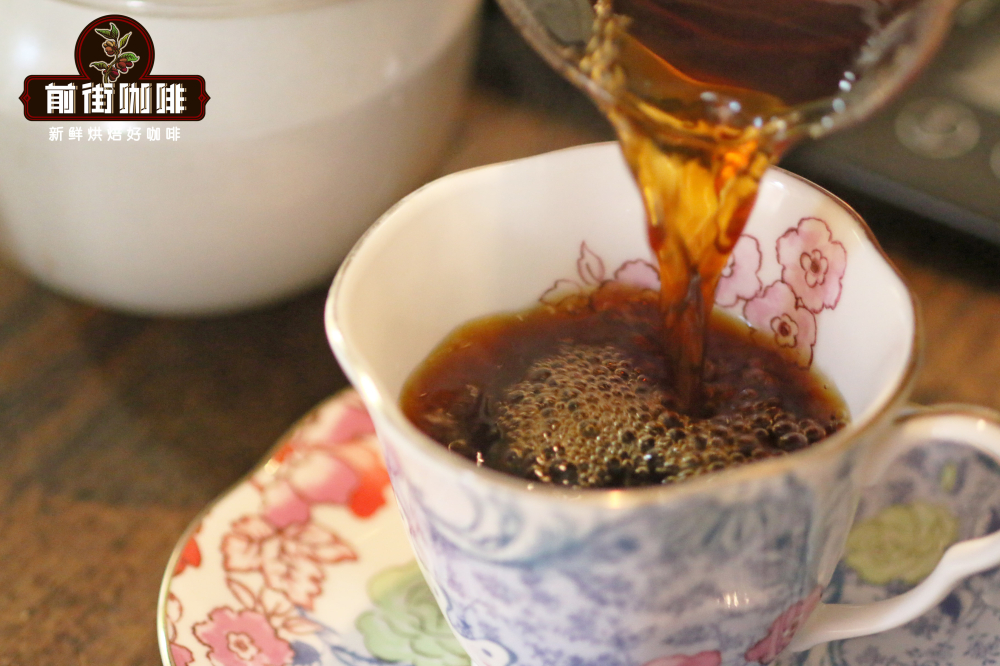
Drip coffee relies on gravity and filter paper for natural extraction, resulting in a cleaner flavor. Pour over is typically a high-temperature extraction, often using 15 grams of coffee to 225 grams of water (1:15), with medium-fine grind for light to medium roasts and water temperature 90-91°C; for medium-dark roasts and above, use medium-coarse grind and water temperature 88-89°C, employing a three-pour method for stable extraction.
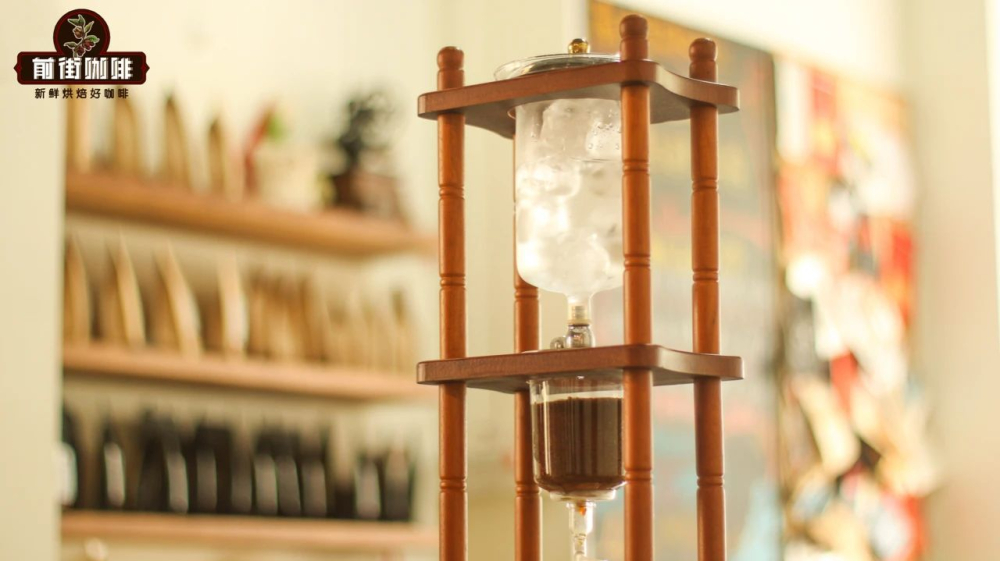
Cold drip is a low-temperature slow extraction method, with a water-to-coffee ratio of about 1:10, for example, 60 grams of beans to 600 ml of water, producing a rich flavor but requiring refrigeration and rest before consumption, suitable for those who enjoy delicate textures.
Cold Brew Coffee: Immersion Extraction
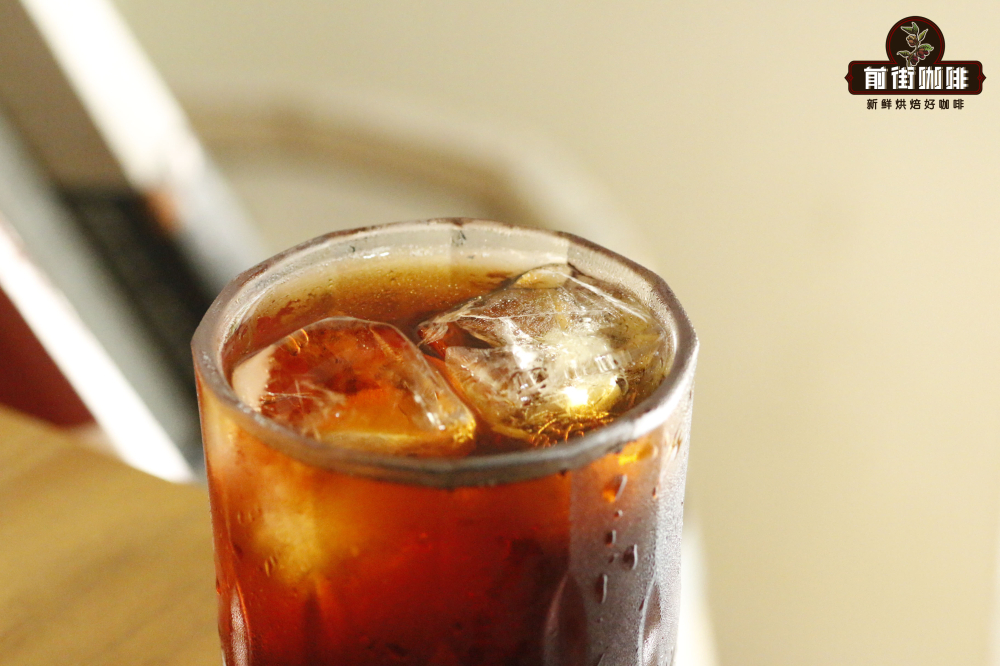
Cold brew differs from cold drip—it involves steeping coffee grounds in cold water or ice for extraction, resulting in a fuller-bodied taste. A common method is using 50 grams of coffee to 400 ml of room temperature water plus 200 grams of ice (1:12), with a grind size of about 85% passing through a #20 sieve, steeped in the fridge for 12–24 hoursbefore filtering, then refrigerated for several more hours to enhance the flavor.
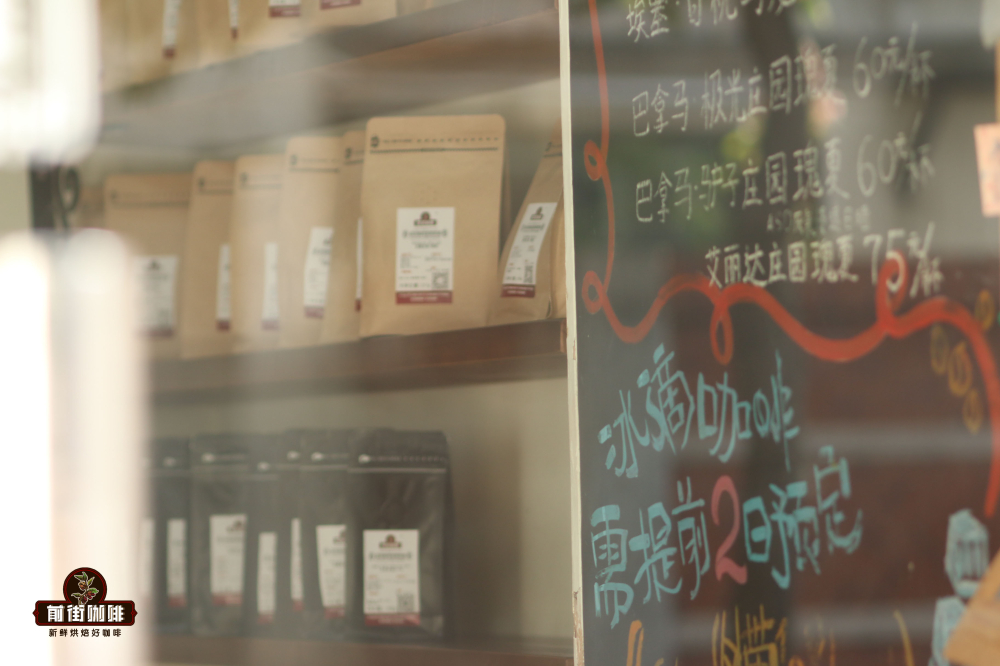
When selecting coffee beans, you can choose based on preference: opt for Ethiopian Huila for acidity, Costa Rican Mozart for fermentation notes, Brazilian Queen for a rich, acid-free profile, or Honduran Sherry for a wine-like experience.
Conclusion: Freshness Is Key
No matter which type of coffee you choose, freshness in roasting and grinding ensures the best flavor. It’s recommended to buy beans roasted within 5 days and consume them within about 30 days for optimal taste—grinding them yourself maximizes flavor expression.

The above content is compiled by CoffeeHunters, a coffee news website.


