








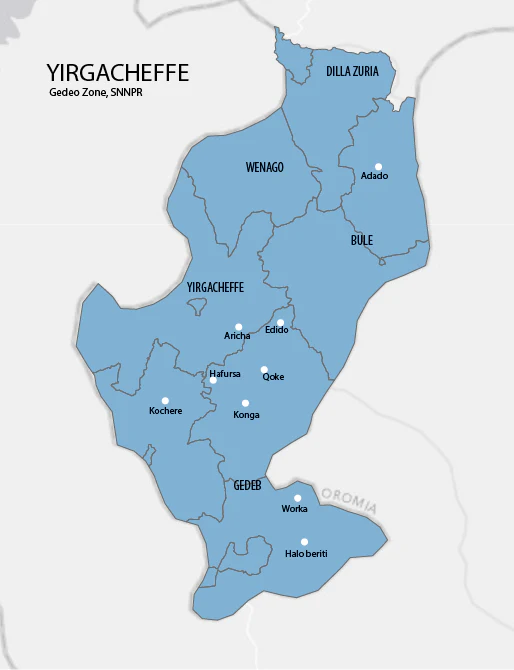
Introduction:As one of Ethiopia’s most iconic coffee-growing regions, Yirgacheffe is renowned for its distinctive floral and citrus notes. This article delves into the flavor profile of washed-process coffee beans from this region, offering expert pour-over brewing recommendations—including grind size, water temperature, coffee-to-water ratio, and a four-step brewing method—to help coffee enthusiasts fully showcase its bright and layered character.
Yirgacheffe, located in Ethiopia’s southern highlands at an altitude of approximately 2,000 meters, benefits from a cool climate and significant day-night temperature variations. These conditions allow coffee cherries to accumulate sugars more fully, resulting in a unique flavor profile. The region predominantly employs the washed processing method, yielding a clean acidity, delicate floral and fruity aromas, and a bright, crisp finish—making it the globally recognized birthplace of the “Yirgacheffe flavor.”
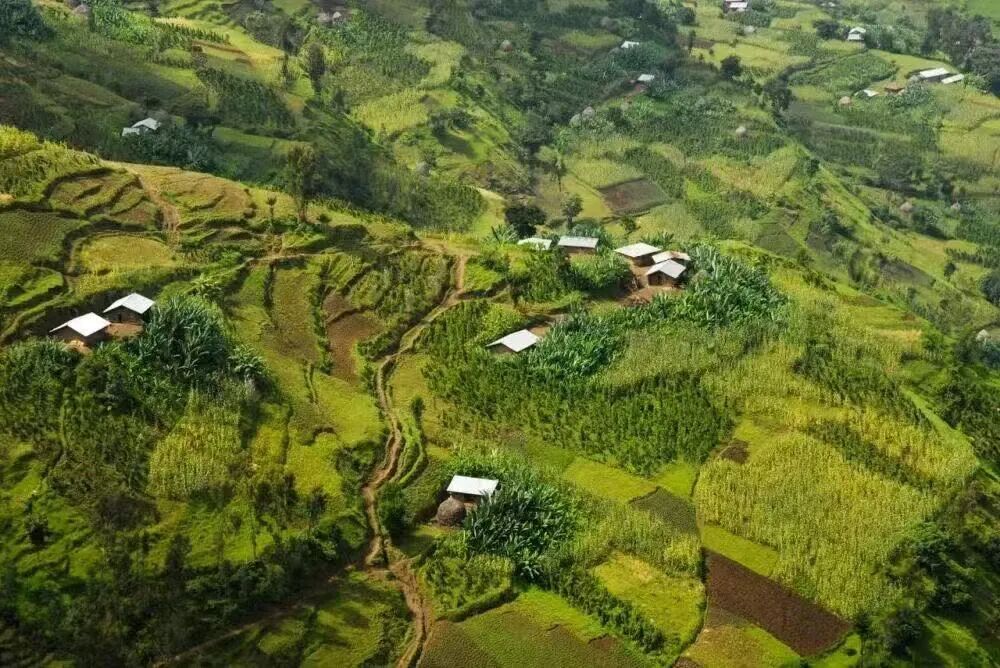
Notably, Yirgacheffe was originally part of the Sidamo region. However, due to its exceptionally distinct and vibrant flavor profile, it was later designated as a separate region and has since become synonymous with Ethiopia’s specialty coffee. The area’s mountainous terrain, diverse microclimates, traditional farming practices, and high-altitude environment collectively create a highly recognizable coffee character.
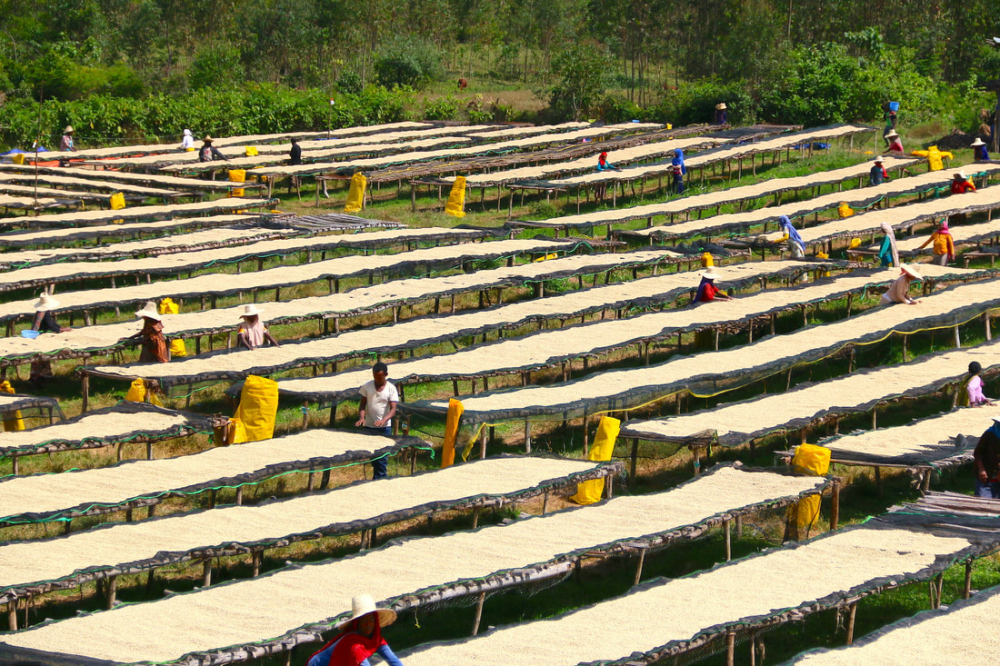
When discussing Yirgacheffe, the pivotal role of the washed processing method cannot be overlooked. In the past, Ethiopia primarily relied on natural (sun-dried) processing, but due to immature techniques and challenges in management, the proportion of defective beans was relatively high, often resulting in impure flavors. In 1972, the local government introduced modern washed processing equipment and technology, establishing the first specialized processing facility in the town of Yirgacheffe, which significantly improved coffee quality. The washed method, through the removal of pulp and fermentation washing, effectively reduces impurities and undesirable flavors, allowing the coffee’s inherent characteristics—such as citrus acidity, white floral notes, and a green-tea-like crisp aftertaste—to shine through clearly.
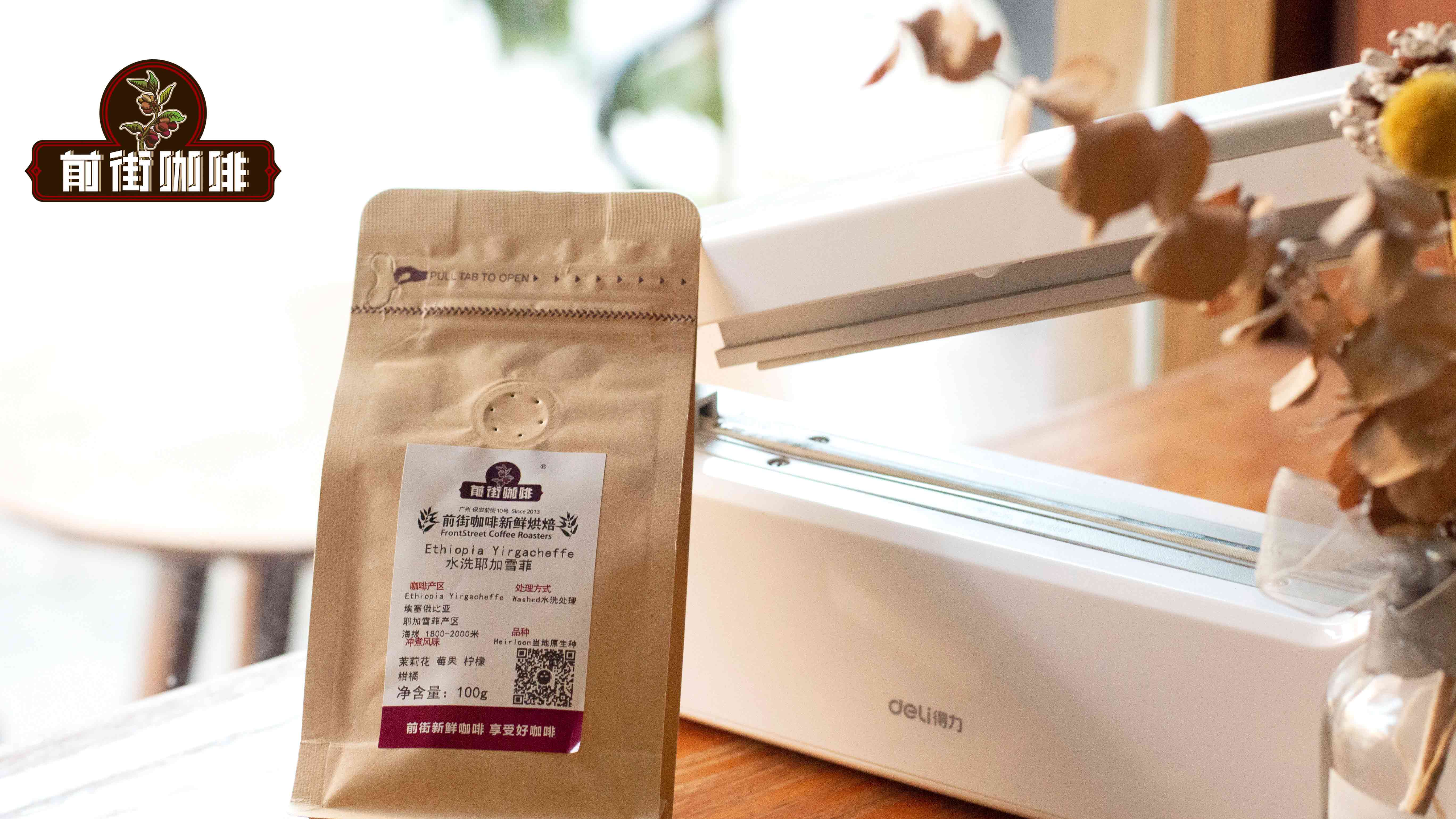
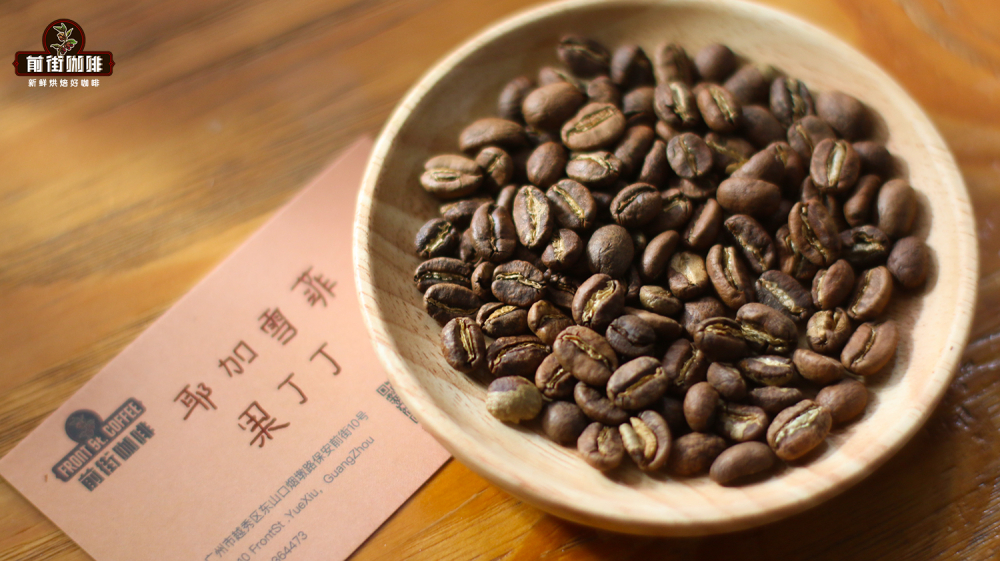
For coffee enthusiasts who appreciate bright acidity and floral-fruity notes, medium-light roasting is key to showcasing the charm of Yirgacheffe. Overly dark roasting, while adding body, can easily mask its delicate citrus and floral tones, and may even introduce unwanted bitterness or grassy flavors. Therefore, it is recommended to choose medium-light roasted beans with a balanced roast level—preserving the tea-like quality and honey sweetness while achieving a more transparent and harmonious overall flavor.
If you’d like to brew high-quality Yirgacheffe washed beans at home, you can refer to the following professional extraction parameters: Use 15 grams of coffee grounds, preferably ground with an Ek43 grinder set to level 10, or achieving about 75% extraction through a #20 sieve—resulting in a uniform fineness similar to granulated sugar. Set the coffee-to-water ratio at 1:16, with a brewing water temperature of 92°C, and employ a four-step pouring method to ensure even extraction and minimize over-extraction risks.
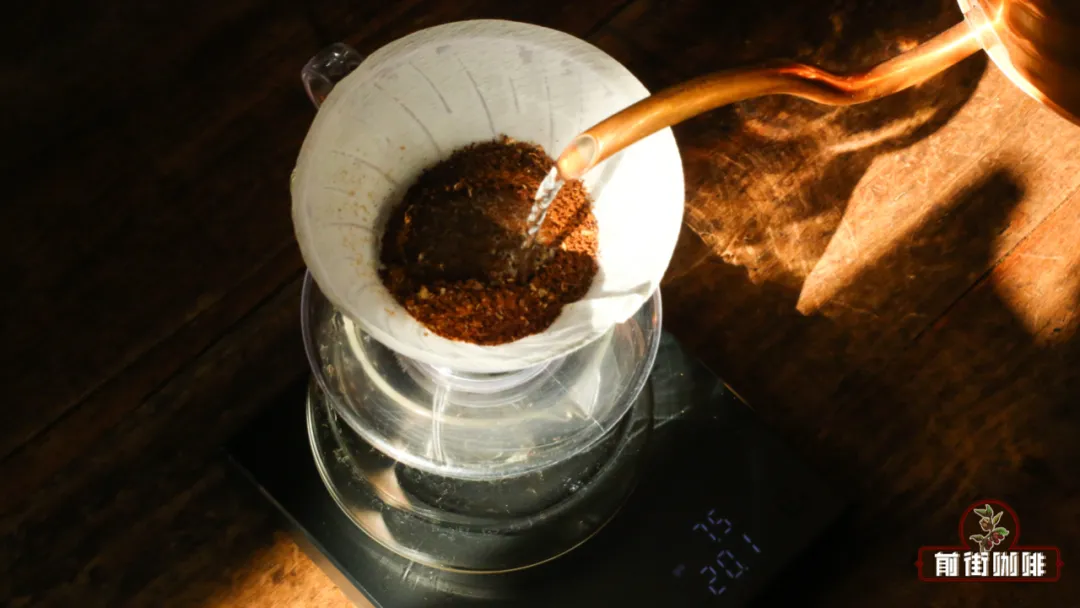
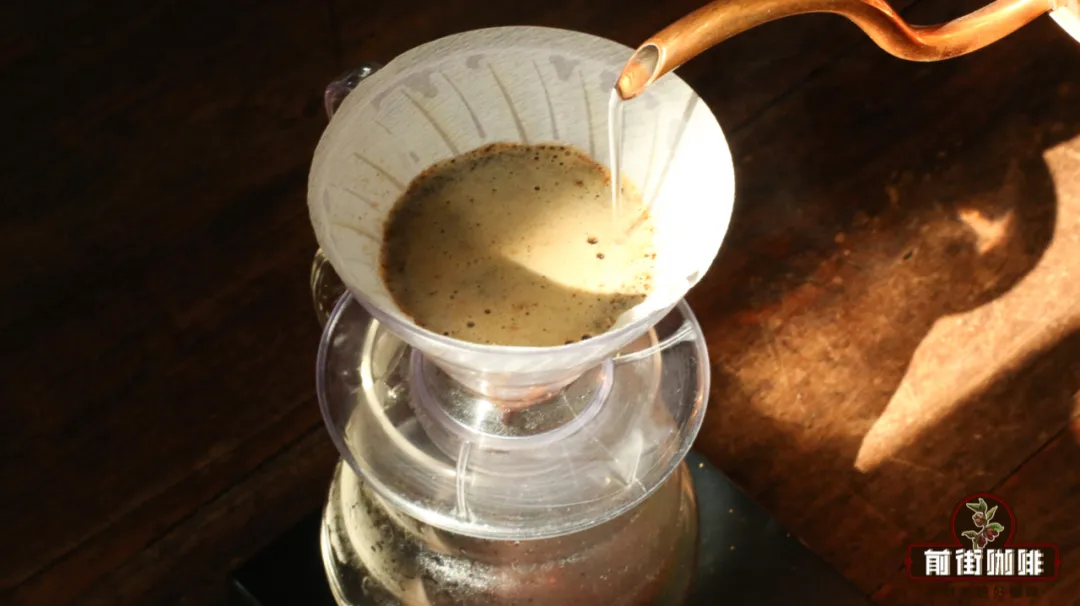
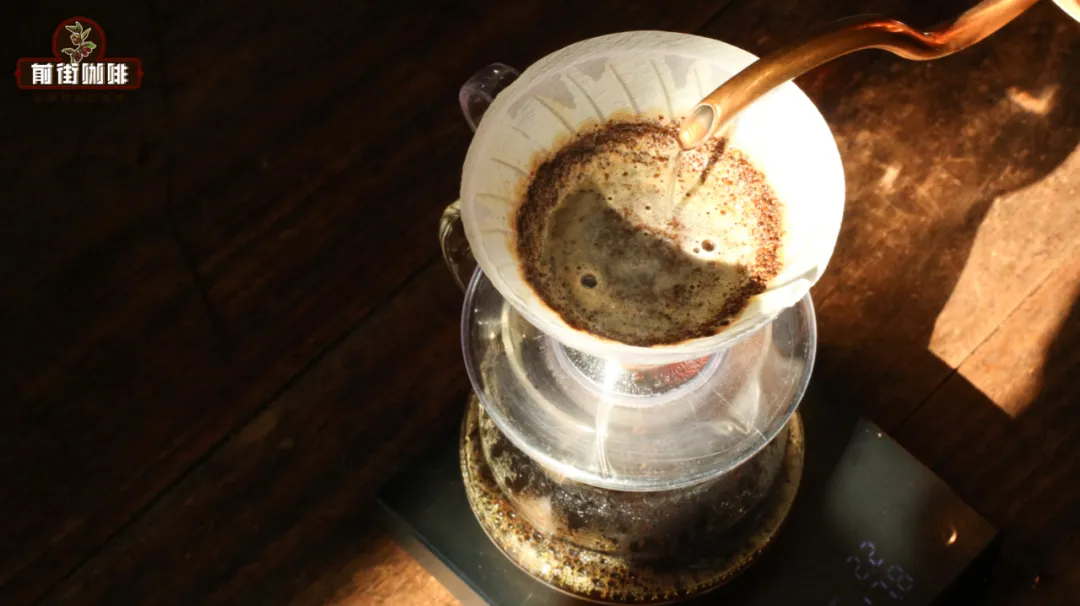
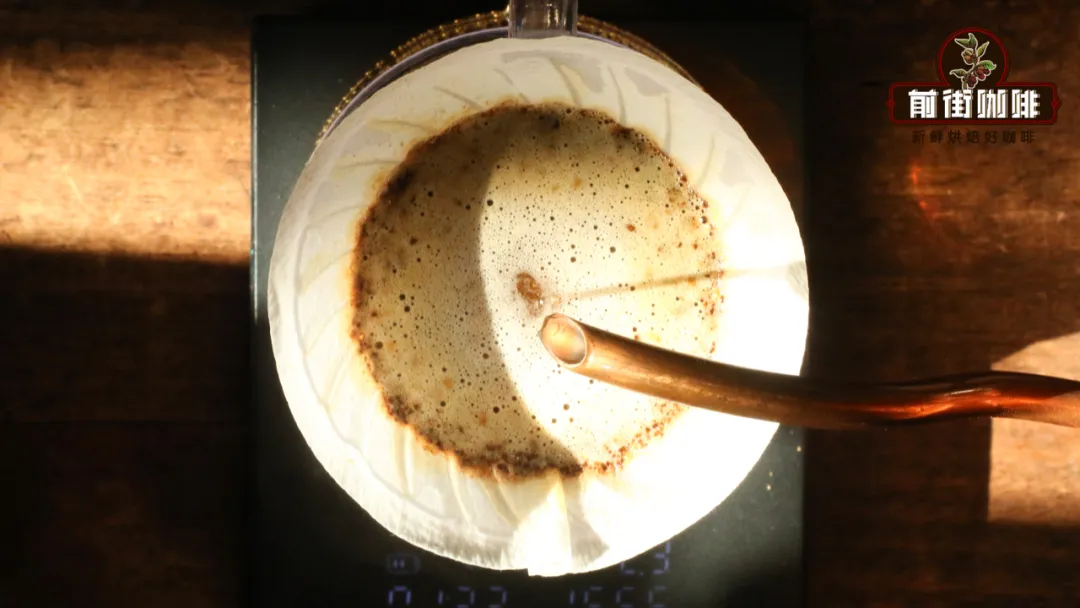
The specific steps are as follows: First is the blooming phase—pour approximately 30 milliliters of hot water (about twice the weight of the coffee grounds) and let it sit for 30 seconds to activate the coffee. Next, slowly pour the second stage of 90 milliliters of water in small streams along a large circular path, being mindful of the water level to avoid excessive bypass water that could affect extraction uniformity.After completing the second pour, wait for the water in the filter to drain down significantly, then proceed to pour the third stage of 60 milliliters of water. At this point, switch to small streams in a smaller circular motion to maintain a stable coffee bed.Finally, when the water level in the filter is nearly drained, decide the pouring method for the last 60 milliliters based on the extraction time—if the time is under two minutes, continue with a small circular pour; if it exceeds two minutes, opt for a center pour to stabilize the flow rate and complete the extraction. The total brewing time is approximately 2 minutes and 28 seconds. Once the coffee has fully dripped through, remove the filter.
The resulting coffee will exude subtle white floral and citrus wet aromas. Upon tasting, you’ll distinctly notice the bright acidity of lemon and jasmine, complemented by fruity notes of apricot and citrus. The finish offers a honey-like sweetness and the refreshing aftertaste of green tea. Overall, the body is medium to light, the acidity lively and bright, with clear, well-separated layers and a clean, crisp profile—making it an excellent choice for those who enjoy floral and fruity coffees.
In summary, to fully experience the unique charm of Yirgacheffe washed beans, it’s essential not only to select the right region and processing method but also to master the appropriate roast level and precise pour-over parameters. By paying attention to grind size, water temperature, coffee-to-water ratio, and pouring rhythm, you can easily brew an outstanding coffee at home that captures the essence of Ethiopia’s high-altitude flavors.
The above content is compiled by CoffeeHunters, a coffee news website.


