







Introduction:Explore the unique flavor profile of Sumatra Mandheling, analyzing how the wet-hulled processing method shapes its herbal, spicy, and woody aromatic notes, and providing detailed guidance on selecting high-quality PWN Golden Mandheling and brewing with a moka pot. This article is ideal for coffee enthusiasts who want to understand the characteristics of dark-roasted SOE beans and enhance their manual brewing skills.
When it comes to coffee from the Sumatra region, especially Mandheling, opinions among coffee lovers tend to be sharply divided. Those who prefer bright fruit acidity may not find it appealing, but for consumers who enjoy a full-bodied mouthfeel and low acidity, these beans are an extremely attractive choice. The key to Mandheling’s distinctive flavor lies in the region’s unique post-harvest processing techniques.
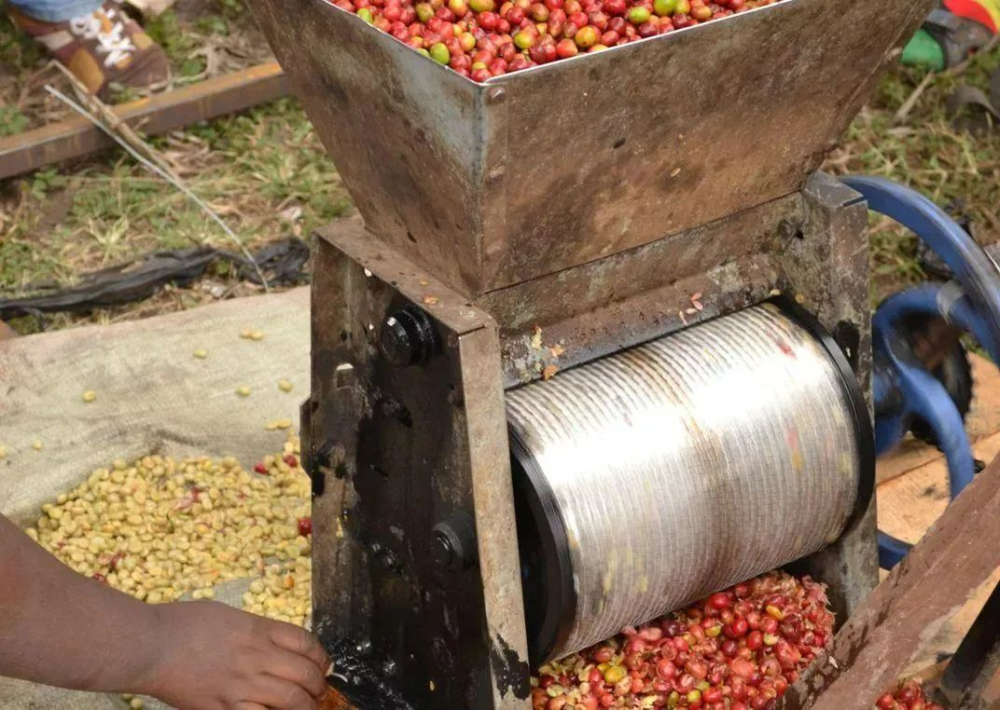
Sumatra’s rainy climate and limited economic conditions have led to the development of a semi-washed processing method known as "Giling Basah," or the widely recognized wet-hulled process. After harvesting, farmers remove the coffee fruit's skin and pulp on the same day using machinery, then place the mucilage-rich parchment beans in water tanks for about one night of fermentation. The next day, they stir and wash the beans with clean water to remove as much of the outer mucilage as possible, after which the parchment beans are evenly spread out to dry. When the beans reach a semi-dry state, they are bagged and sent to nearby processing stations for further handling.
To accelerate the drying process, the processing stations first remove the silver skin layer, exposing the green coffee beans completely, and continue drying until the moisture content drops to around 13%, after which they are stored. The most notable difference between the wet-hulled method and other processing methods is that the silver skin is removed while the beans are still in a semi-dry, semi-wet state. Although this approach carries risks—such as increasing the chance of bean damage and exposure to a humid environment—it unexpectedly imparts jungle-like herbal, spicy, and woody flavor characteristics to the coffee. If you haven’t tried it yet, we recommend sampling a medium-dark roasted Indonesian Mandheling, where the caramelization reaction brings out layers of dark chocolate, spices, toasted bread, and nuts, making it a great option for beginners who don’t favor acidity.
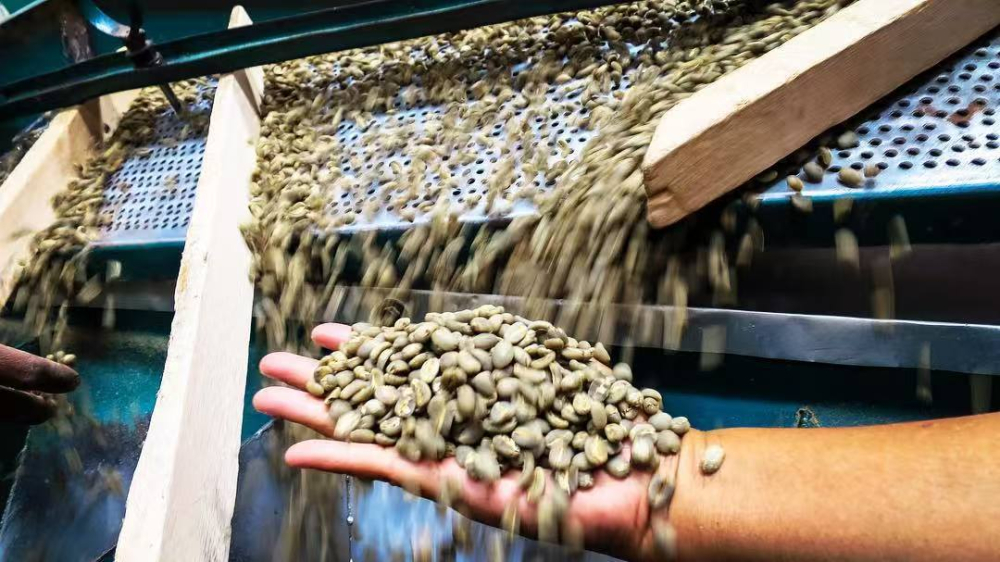
For more advanced drinkers seeking higher quality options, PWN’s Golden Mandheling is an essential choice. Unlike regular Mandheling, this product undergoes strict selection, choosing only the highest-grade G1 coffee beans, which feature excellent appearance, large bean size, and high density. After initial machine sorting, the beans go through three rounds of manual hand-picking and one additional machine re-inspection to ensure all defective beans are thoroughly removed, significantly improving cleanliness and sweetness.
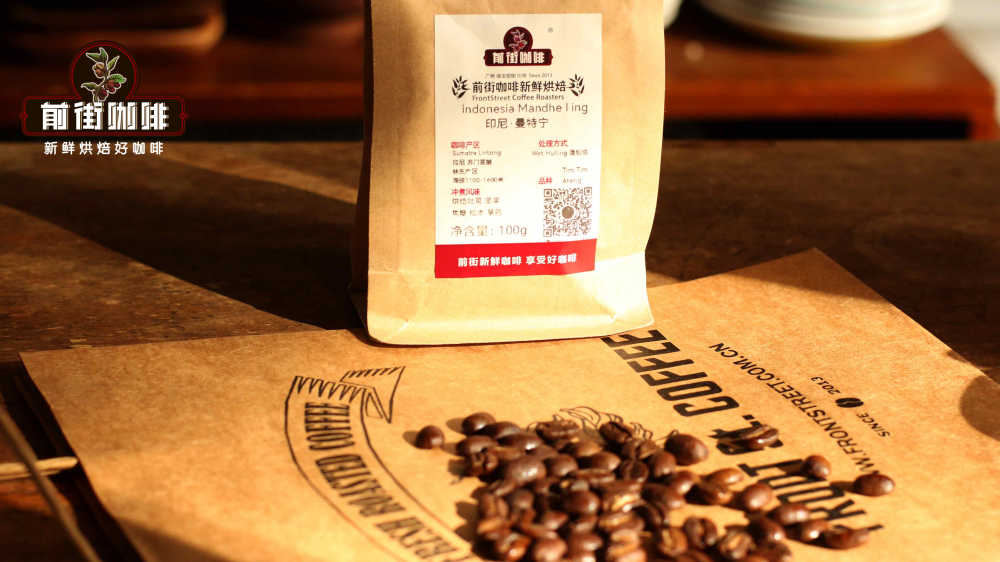
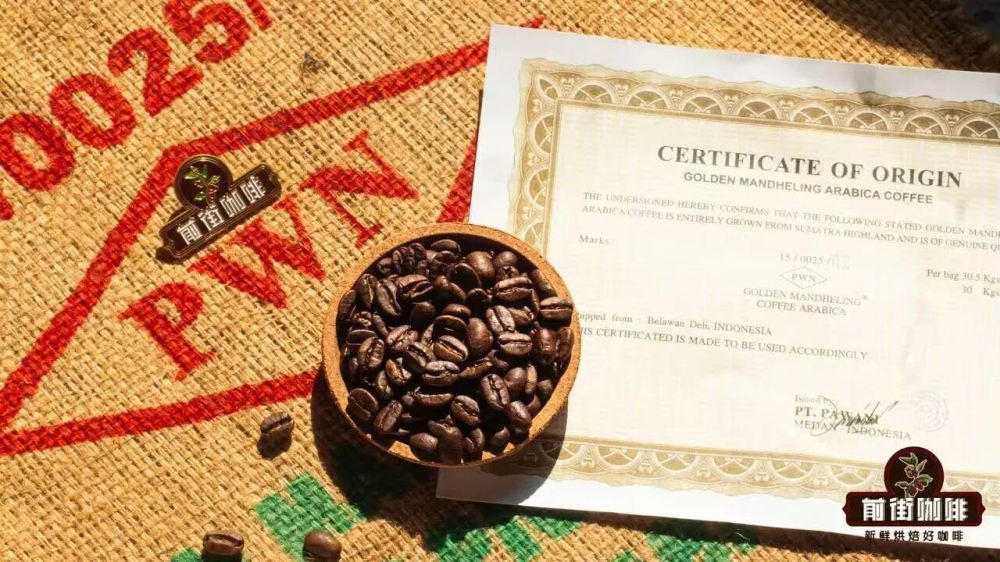
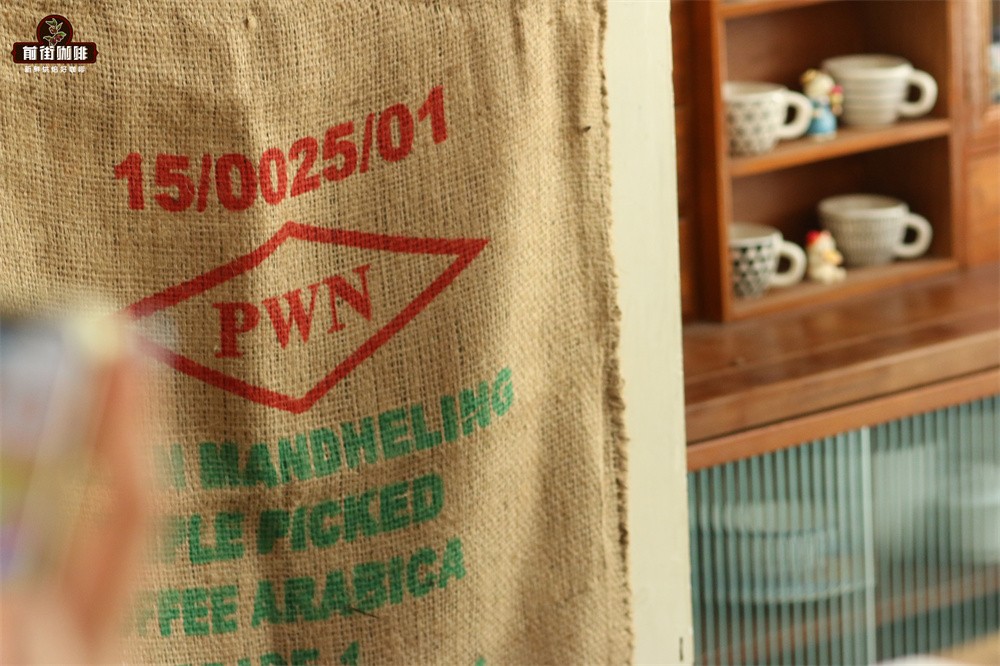
The PWN Golden Mandheling is grown in the Gayo Highlands of Aceh, Sumatra, Indonesia, at altitudes ranging from 1100 to 1600 meters, and the variety is Ateng, processed via the wet-hulled method. This bean is favored by coffee connoisseurs for its exceptionally clean flavor profile, and even many first-time tasters are eager to experience its true taste. It’s important to note that "Golden Mandheling" is a registered trademark of PWN, and only products produced by PWN can be considered authentic. Verification methods include asking the seller for green coffee sacks printed with the PWN logo and certificates issued by the company, with some physical stores even publicly displaying these documents.
To showcase the classic Mandheling flavor profile, the primary requirement is to avoid prominent acidity while ensuring a full-bodied mouthfeel, so the roast level needs to be medium or higher. Both Indonesian Mandheling and PWN Golden Mandheling are medium-dark roasted, not only enhancing caramelized aromas but also being suitable for various brewing methods, including pour over, moka pot, and SOE single-origin applications.
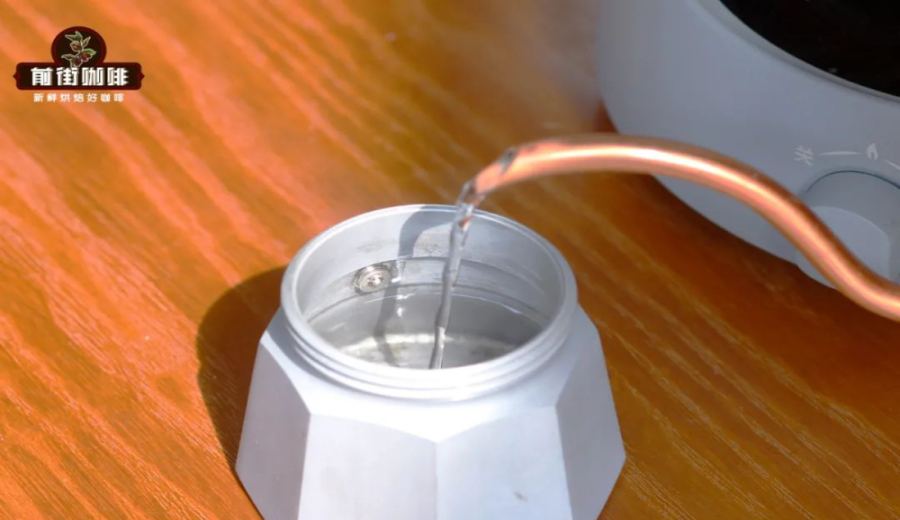
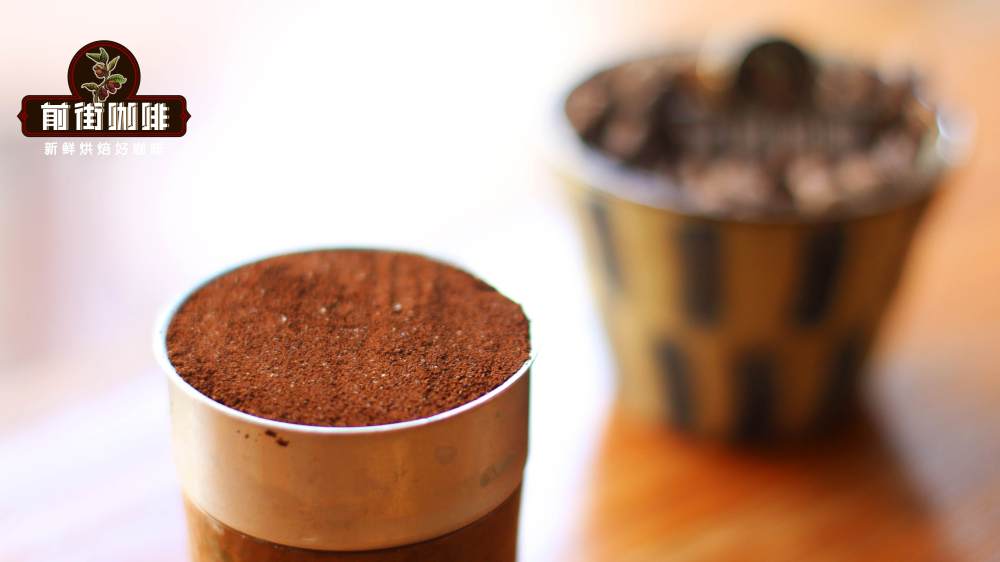
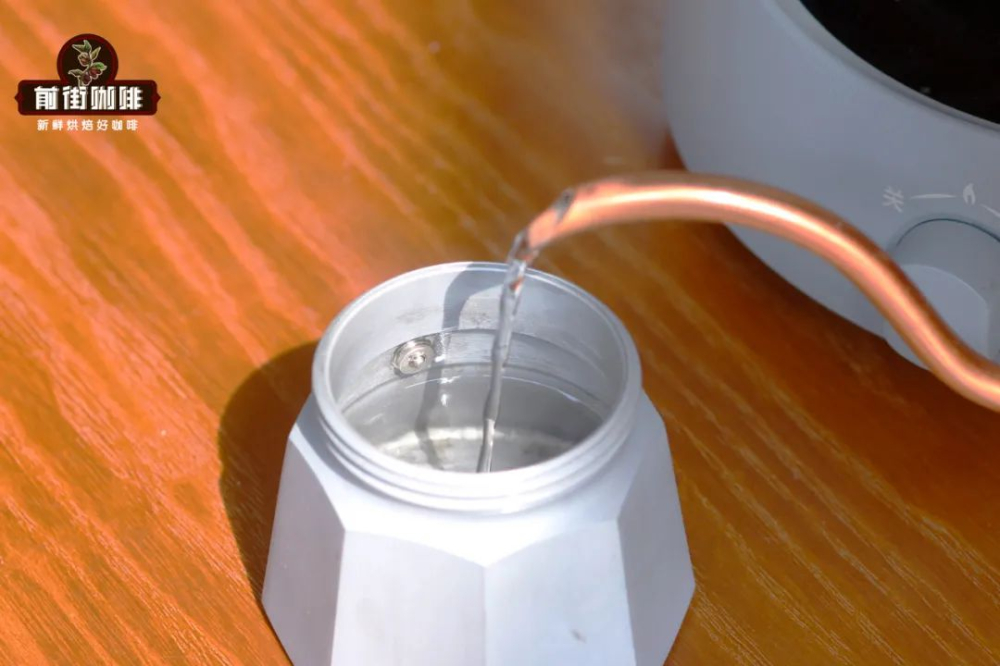
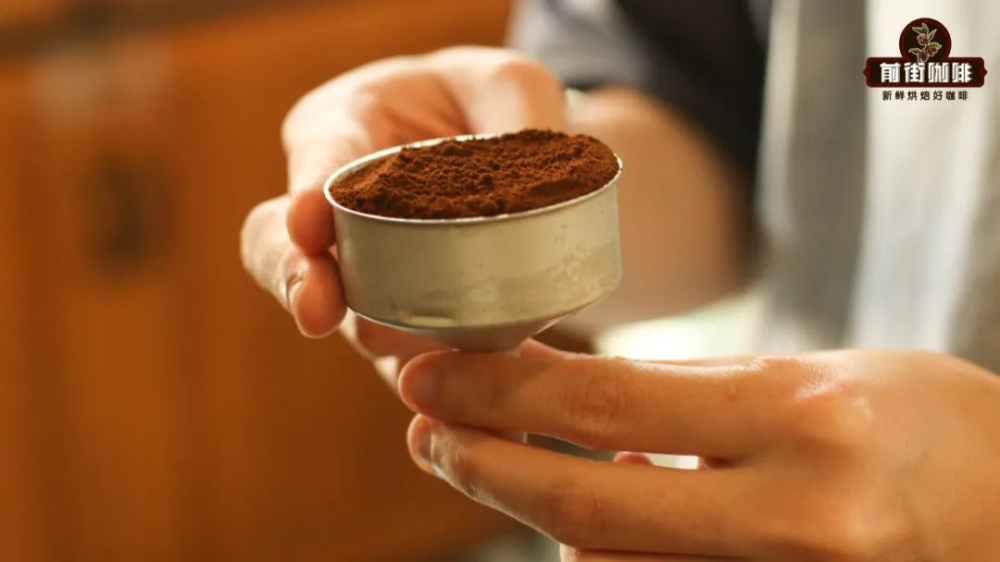
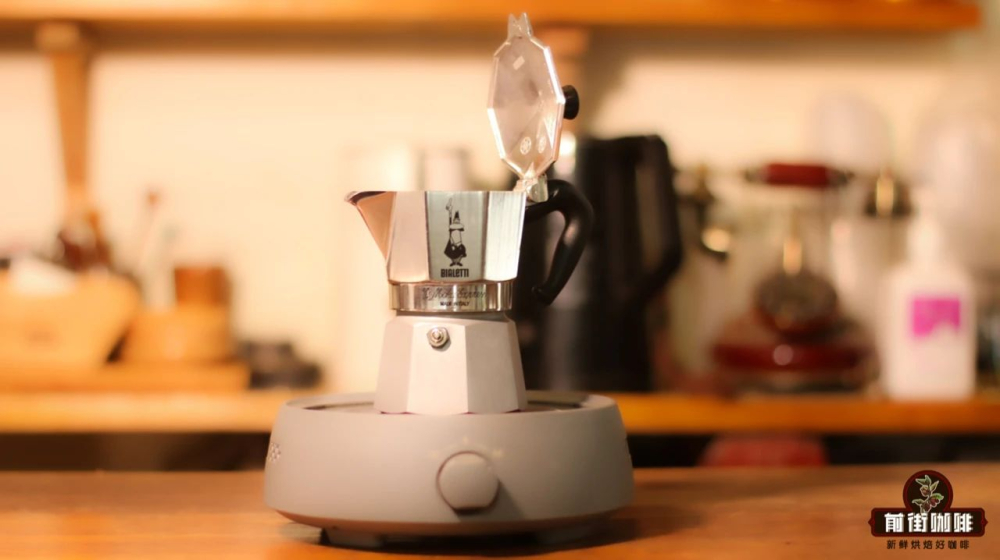
The steps for making moka pot coffee with Golden Mandheling are simple and straightforward: First, accurately weigh out 30 grams of coffee beans and grind them to a coarseness slightly finer than espresso but more coarse than table sugar for pour over (refer to the diagram). Before loading, pour cold water (avoid using overly hot water) into the lower chamber, place the filter basket inside the lower chamber, and evenly fill it with coffee grounds by hand around the edges of the basket, forming a small mound in the center while filling the gaps around the edges. Quickly assemble the upper chamber and tighten it securely.
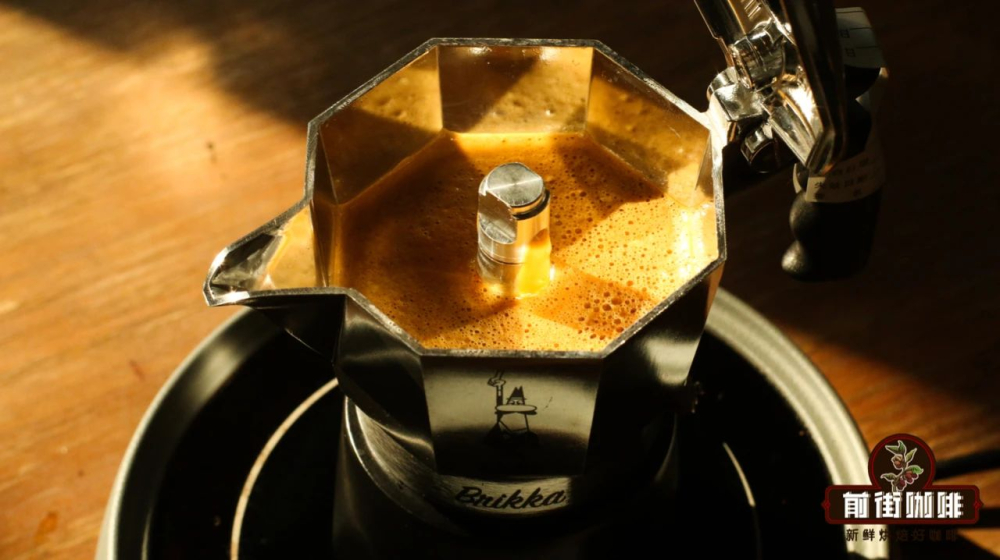
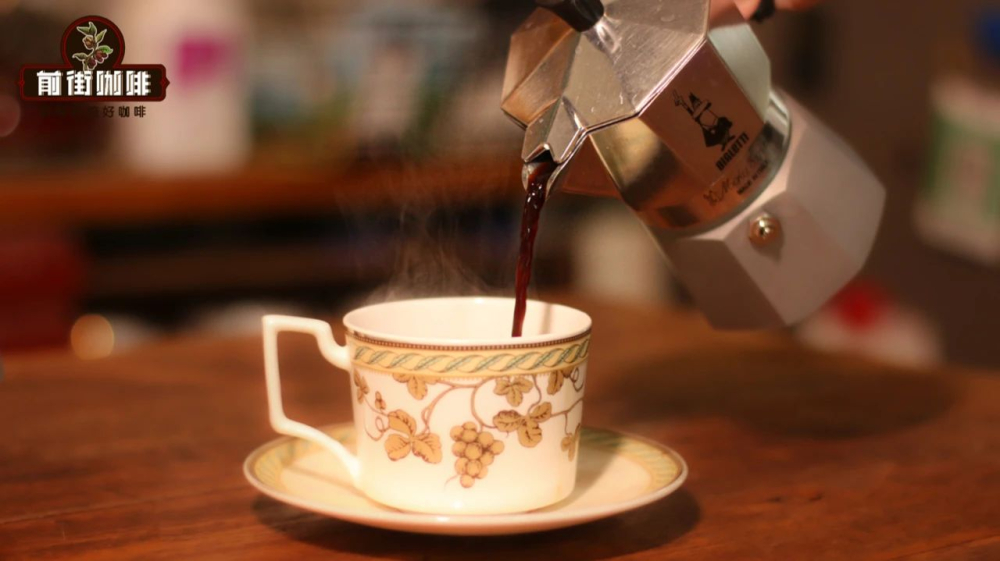
Place the assembled moka pot on an electric stove or gas burner and heat it. When you hear a distinct “wuu wuu” sound, it indicates that the coffee liquid has begun to flow out. At this point, immediately turn off the heat and wait for the coffee to finish dripping before enjoying.
The above content is compiled by CoffeeHunters, a coffee news website.


