








Introduction:Why has Yirgacheffe become the dream brew in the hearts of coffee lovers worldwide? This article delves into the unique allure of this high-altitude Ethiopian coffee region, exploring everything from classic washed to captivating natural processed beans. We break down the characteristics of three representative flavor profiles and uncover the mysteries of native varieties and the evolution of processing methods. Whether you're a pour over beginner or on the hunt for premium beans, this is your go-to guide for both entry and upgrade.
As one of Ethiopia’s most iconic specialty coffee regions, Yirgacheffe has long been celebrated by coffee enthusiasts around the globe for its distinctive floral-fruity aromas and bright acidity. Whether you're new to specialty coffee or a seasoned taster who's sampled beans from many regions, Yirgacheffe never fails to impress with its refreshing and multi-layered flavor profile. What makes the beans from this region so captivating? The answer lies in its unique geography, traditional processing techniques, and rich coffee genetics.
[Hands-on Review of Three Classic Flavor Beans] Experience the Diverse Charms of Yirgacheffe
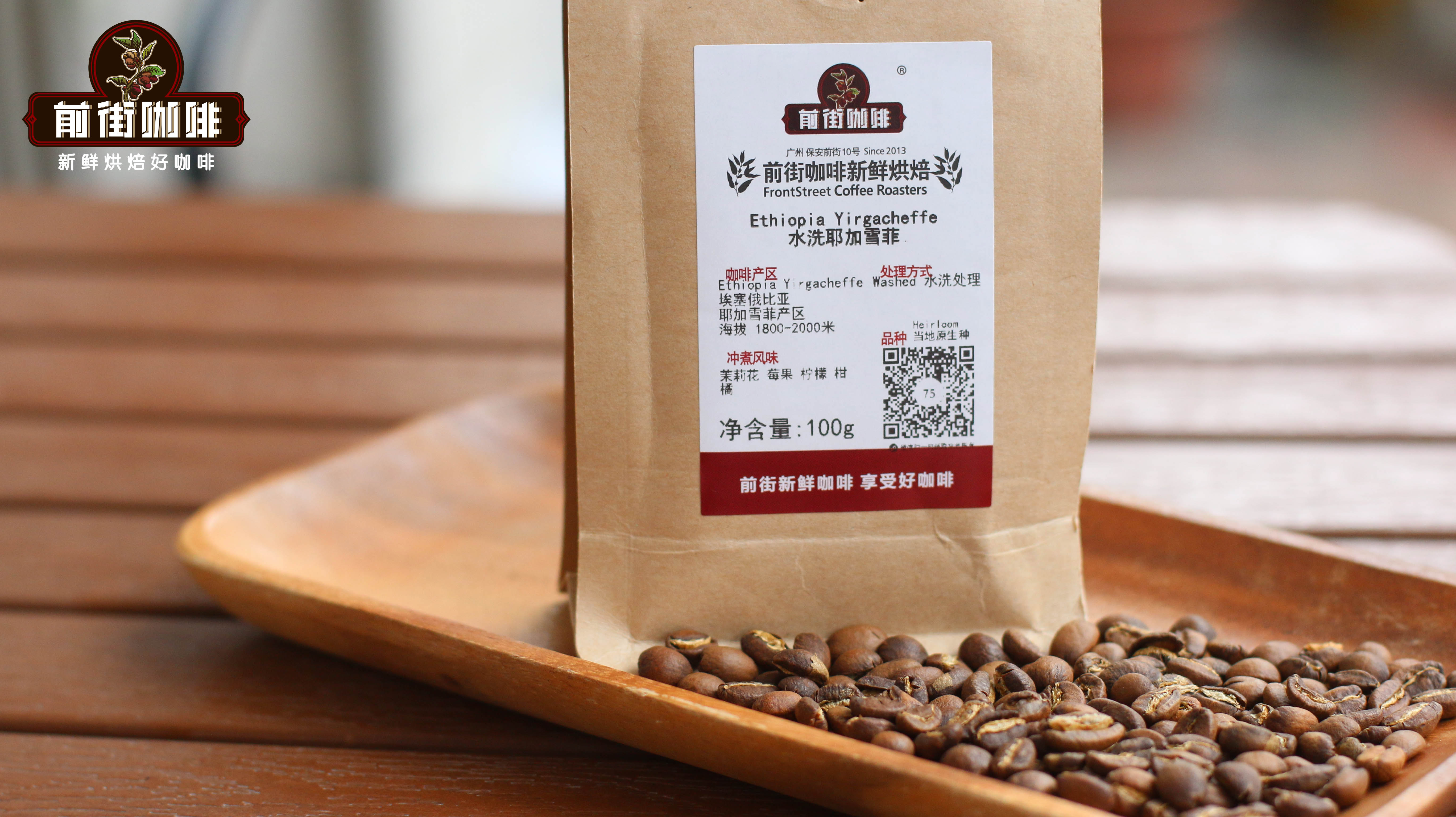

First, let’s introduce three commonly available and distinctly styled Yirgacheffe coffee beans, each showcasing the brilliant expression of washed and natural processing methods. The first isWashed Yirgacheffe, often considered an ideal entry point. It is known for its gentle citrus notes and delicate white floral-tea undertones, making it perfect for pour over, drip bags, or even cold brew—offering a clean, refreshing taste with a subtle aftertaste. The second isNatural Red Cherry G1, which undergoes an extended natural drying process that brings out intense berry and apricot aromas, along with a hint of natural fermentation complexity. It’s a must-try for enthusiasts who love advanced fruity profiles. The third isWashed Guji Dingding G1, which highlights an interplay of jasmine, lemon, and green tea layers, accented with a touch of blueberry—reminiscent of a delightful garden tea.

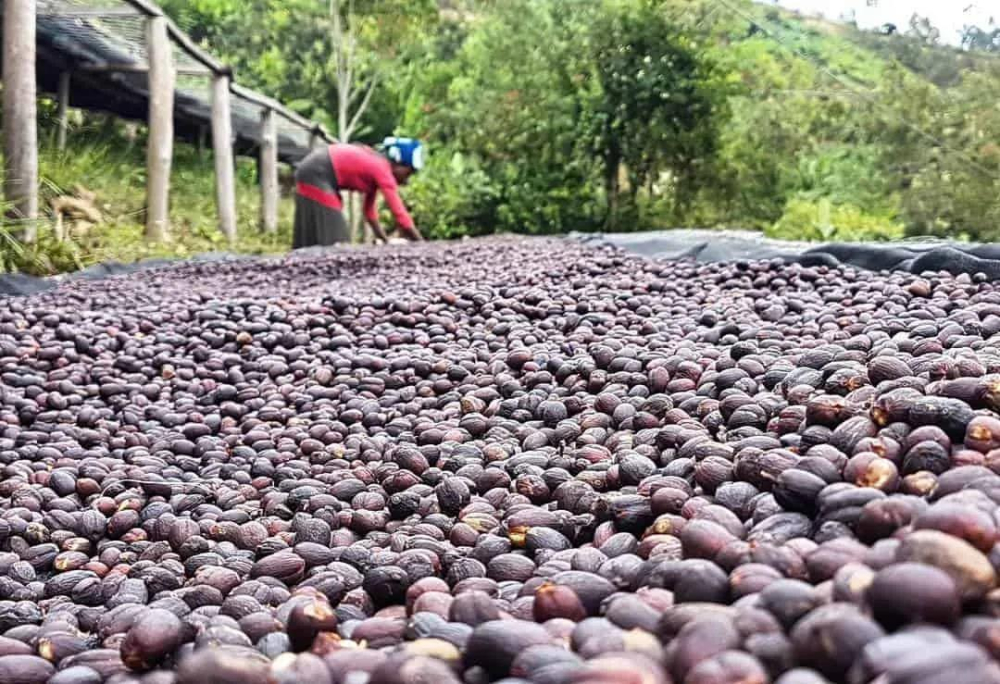
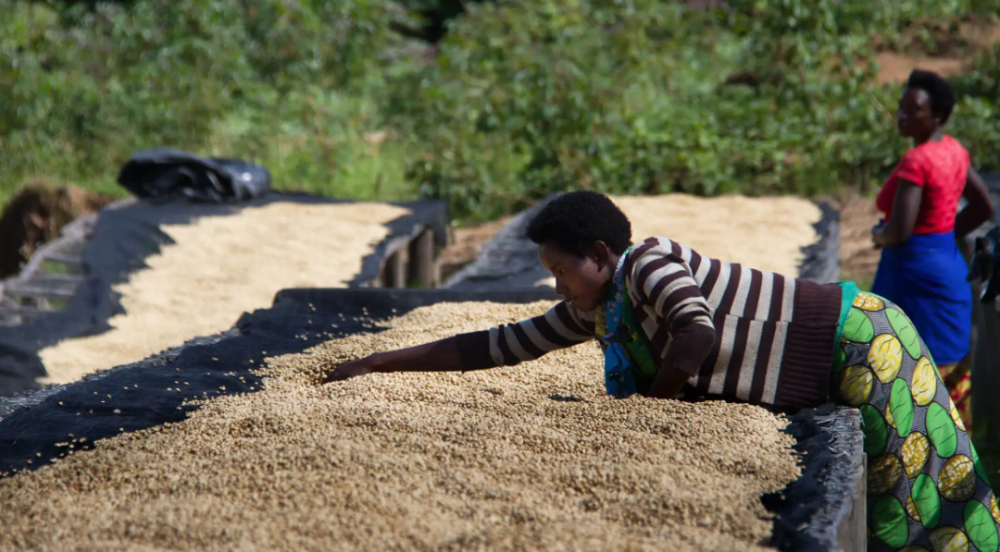
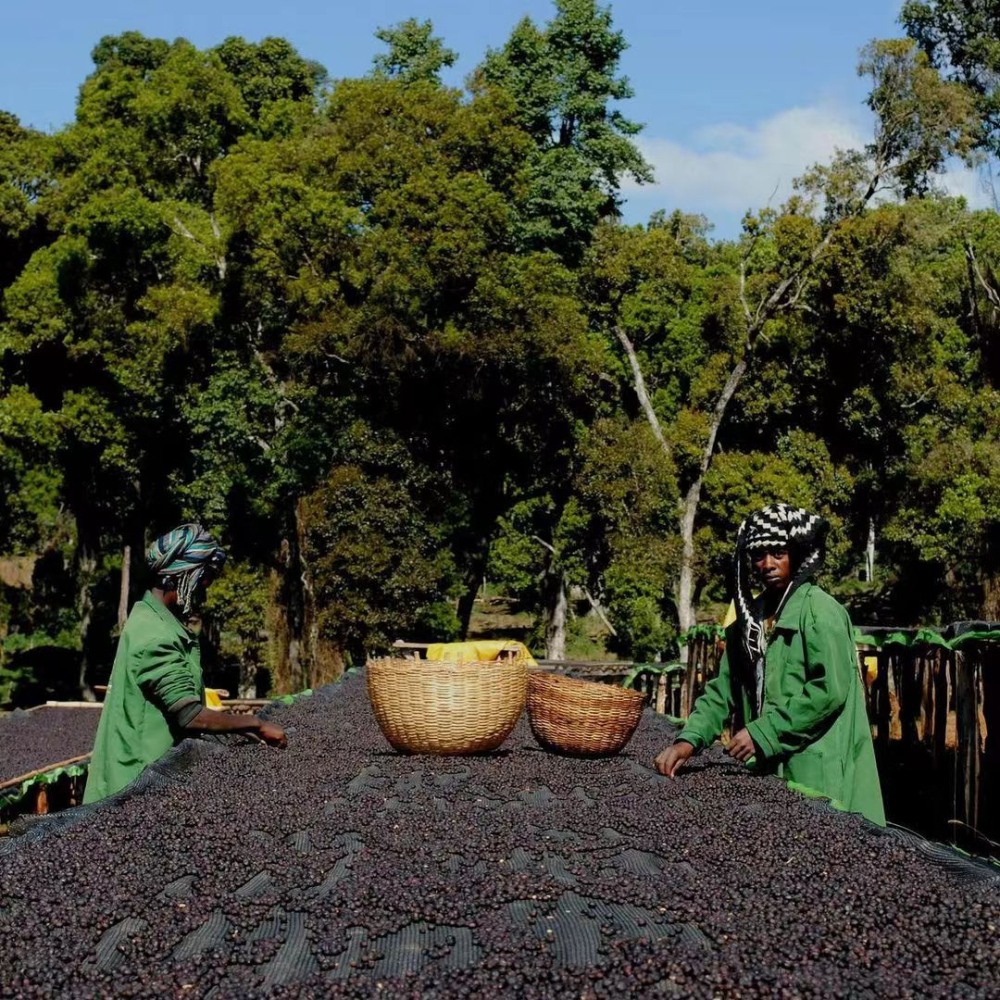
The natural processing method is one of the oldest post-harvest techniques for coffee. Instead of removing the fruit skin immediately after harvest, the coffee cherries are left to dry in the sun for about four weeks, during which temperature and humidity are tightly controlled to prevent mold. This technique preserves more of the fruit’s sugars and fermentation characteristics, resulting in a rounder, fuller mouthfeel and intense fruity flavors. In contrast, washed processing emphasizes cleanliness and clarity of flavor. The skin, pulp, and mucilage are removed using water channels, followed by prolonged drying until the moisture content drops to 12%. This yields a brighter, livelier acidity and a tea-like aftertaste. Both methods have their own loyal followers and together contribute to the diverse flavor spectrum of Yirgacheffe.
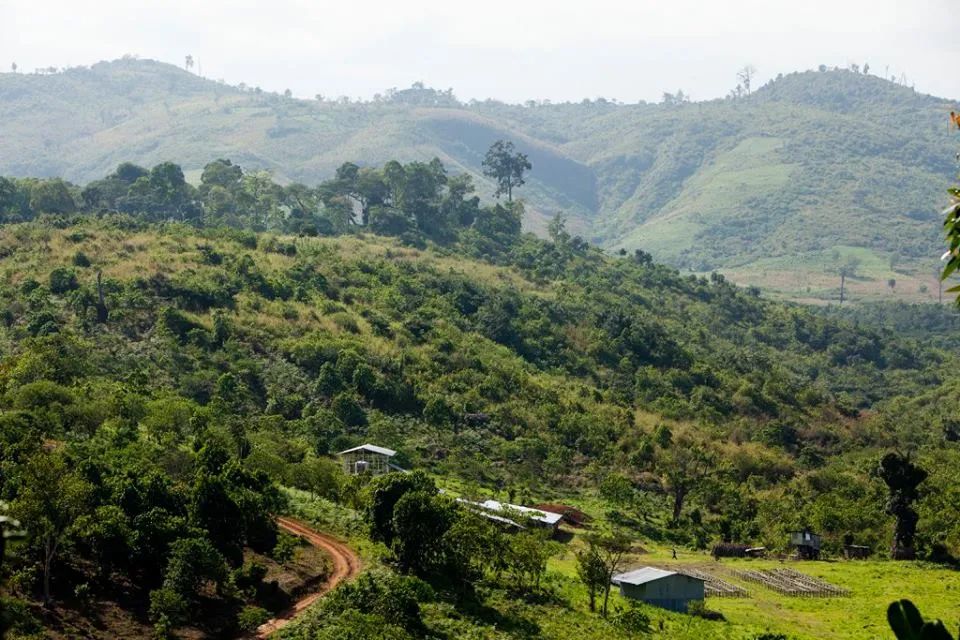
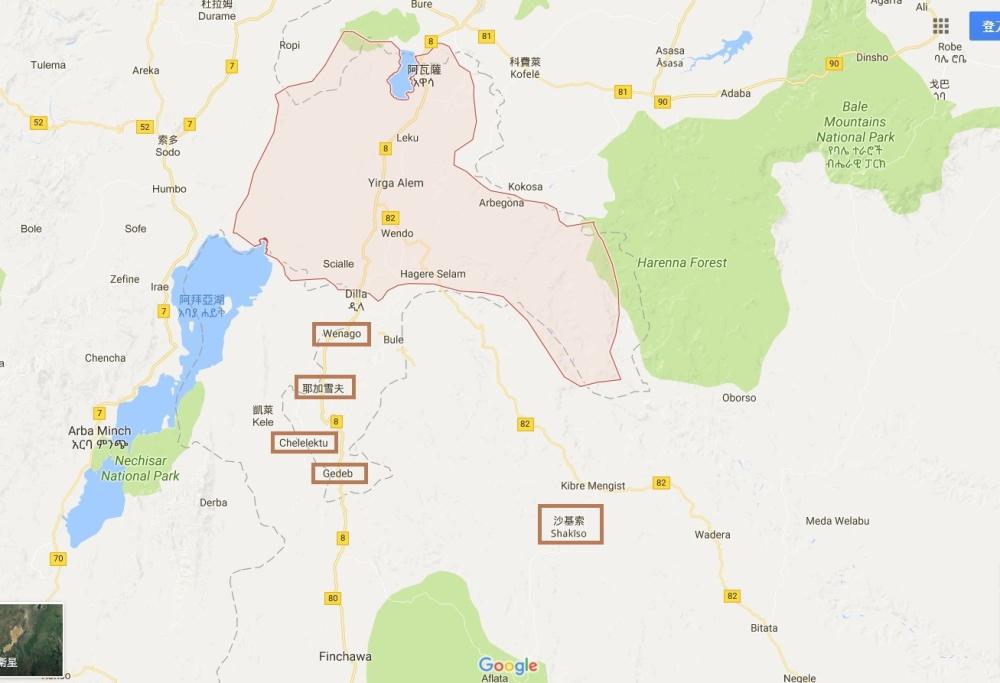
Yirgacheffe is not the name of a single coffee variety, but refers to a refined, high-altitude producing area located in the northwest of Ethiopia’s Sidamo region. It encompasses the town of Yirgacheffe and surrounding sub-regions such as Wenago, Kochere, and Gelena Abaya. The average altitude here ranges between 1700 and 2100 meters, making it one of the highest coffee-growing areas in the world. These exceptional geographical conditions allow the coffee trees to grow slowly, extending the fruit maturation period and facilitating the accumulation of richer aromatic compounds.
The region enjoys year-round misty mountain air and mild climate, with cool breezes in summer and not overly harsh winters. This stable microclimate gives Yirgacheffe coffee its signature citrus, floral, and tea-like tonalities. The area is maintained by numerous small-scale coffee communities and cooperatives, which means that even within Yirgacheffe, each batch of beans may exhibit distinct flavor personalities due to variations in microclimate and processing details.
Interestingly, although Yirgacheffe coffee is world-renowned, there is no strict definition of coffee variety for this region. Ethiopia boasts an extremely rich and ancient coffee gene pool, and most farmers practice mixed cultivation and harvesting, making it difficult to trace individual varieties. Therefore, the vast majority of beans from the region are collectively referred to as “Ethiopian Heirloom.” These ancient lineages, having evolved naturally over time, offer remarkable flavor diversity. In recent years, driven by international evaluation systems such as the Cup of Excellence (CoE), some farms have also started selecting specific numbered varieties like 74110 and 74112 in micro-lots, bringing more defined varietal identification to Yirgacheffe.
Additionally, Yirgacheffe beans often exhibit distinct physical characteristics, such as irregular bean size and slight color variation. These traits stem from natural crossbreeding and traditional farming practices, rather than quality defects. In fact, these so-called “imperfections” often harbor richer flavor potential and are precisely what pour over and single-origin coffee enthusiasts seek in terms of uniqueness.
Historically, Yirgacheffe primarily employed traditional natural processing. However, early techniques were limited, with coffee cherries often laid directly on the ground to dry, leading to contamination from impurities and earthy tastes, thus affecting flavor stability. It wasn’t until the Ethiopian government introduced modern washed processing techniques from Central and South America that the region’s coffee quality saw a leap forward. Washed processing removes the pulp via fermentation in water tanks, followed by lengthy sun drying. This not only significantly reduces defective flavors but also highlights Yirgacheffe’s hallmark clear floral notes and delicate acidity, making it a classic favorite among many pour over aficionados.
The above content is compiled by CoffeeHunters, a coffee news website.


