








Introduction:As one of the world’s most renowned specialty coffee regions, Yirgacheffe's single-origin (SOE) beans are beloved for their pronounced floral and fruity profiles. However, different roast levels significantly affect their ideal brewing methods. This article explores the flavor characteristics and practical selection tips for light, light-medium, and medium-dark roasted Yirgacheffe beans across common home brewing scenarios such as pour over and espresso, along with key parameters and common pitfalls to help beginners find the right entry-level beans.
As one of Ethiopia’s most representative coffee regions, Yirgacheffe produces single-origin (SOE) beans celebrated for their unique floral and fruity aromas. Yet, with an overwhelming variety on the market, choosing without considering brewing method or roast level can easily lead to unexpected flavor results. For beginners, understanding the "matching logic between brewing methods and roast levels" is the first step to avoiding disappointments.
Common brewing methods can be divided into two broad categories: pressure-free extraction, represented by pour over, including methods like drip bags, cold brew, American drip machines, and French press. These methods feature low extraction pressure,making them suitable for light or light-medium roasted Yirgacheffe,which can fully showcase the bean’s delicate flavors. The other category consists of pressure-based extraction, primarily using espresso machines or moka pots, which operate under high temperature and pressure.It is recommended to choose medium-dark roasted Yirgacheffe,to avoid uneven extraction and overly prominent sour or astringent notes due to insufficient roast development.
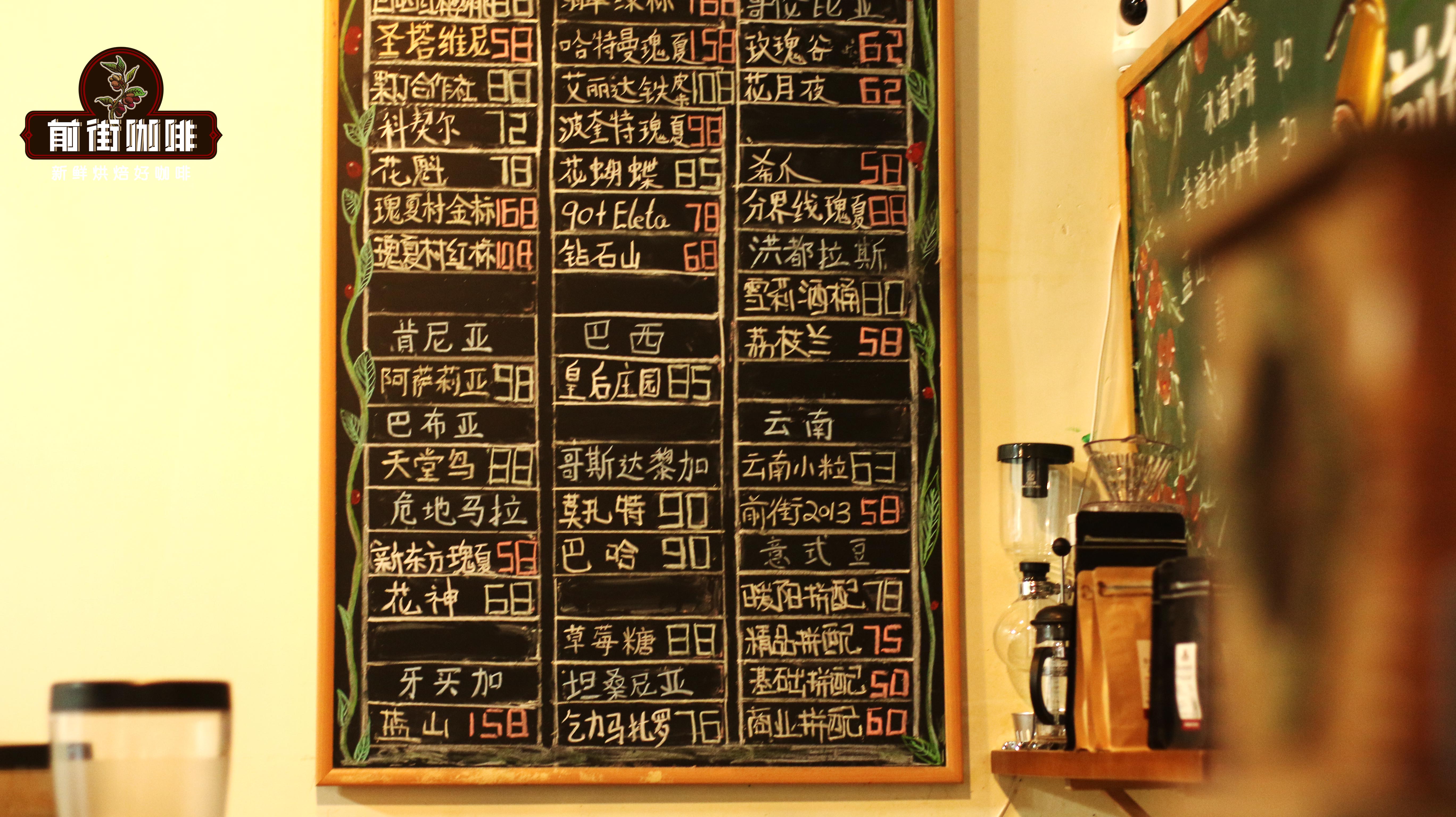
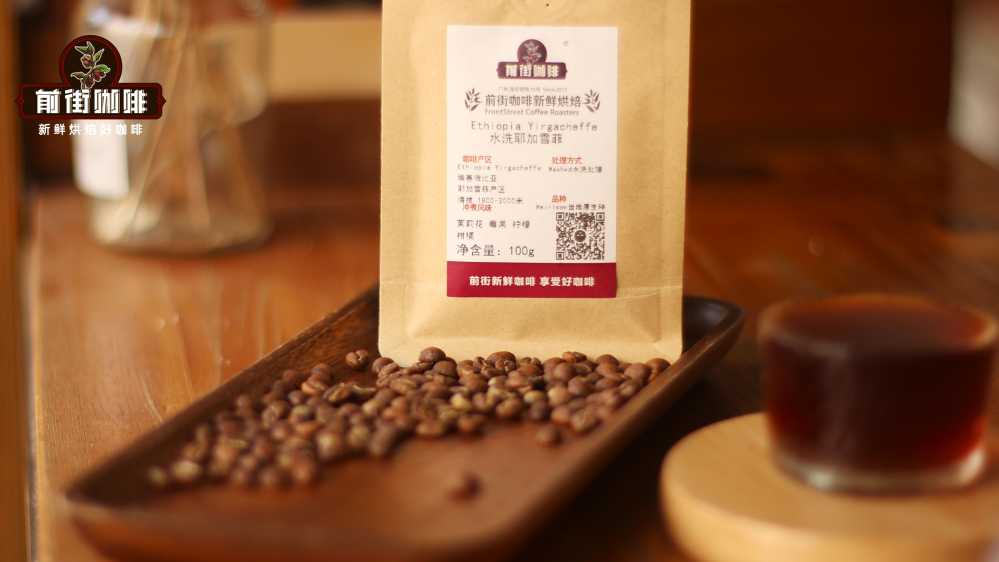
Below are practical bean selection suggestions tailored to different roast preferences. First up isthe classic choice for light roasts—washed-process Yirgacheffe. For those new to single-origin coffee, these beans are usually affordable with distinct flavor profiles, making them ideal “everyday beans” for developing taste discernment. Their typical bright, fruity acidity helps build a foundational understanding of specialty coffee.Take, for example, native variety beans grown at around 2,300 meters in Yirgacheffe, Ethiopia, processed via washed method. They exhibit a profile of fresh lemon and citrus acidity paired with a tea-like body and honey sweetness, finishing with a berry aftertaste. These beans are great for pour over or French press. Recommended grind size is finer (medium-fine), with water temperature controlled at 90–92°C, highlighting their refined acid-sweet balance.

If you’re already familiar with basic flavors and want to explore higher-quality Yirgacheffe, consider
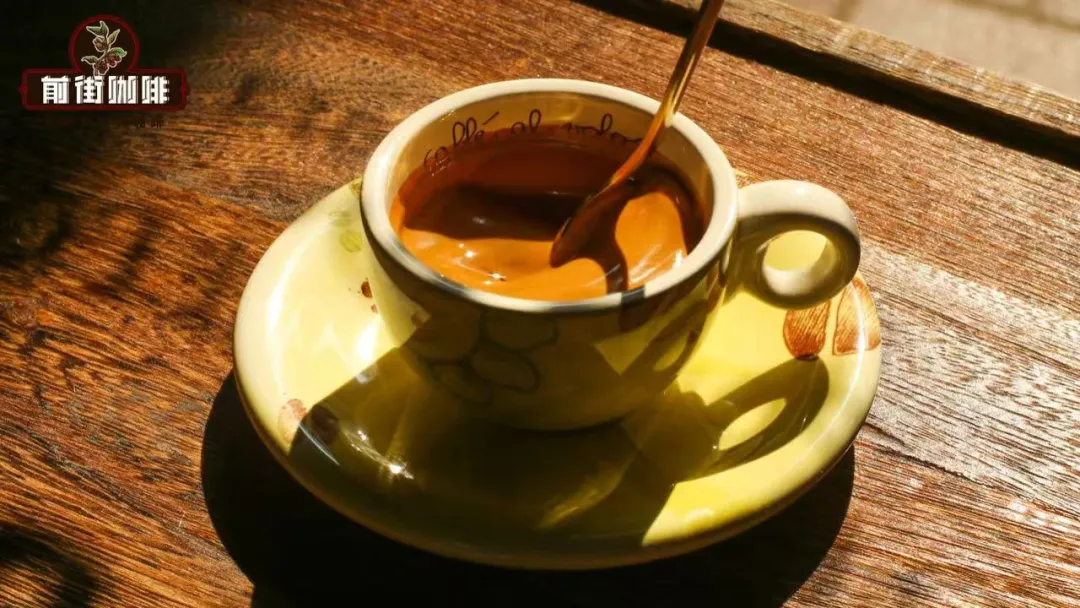
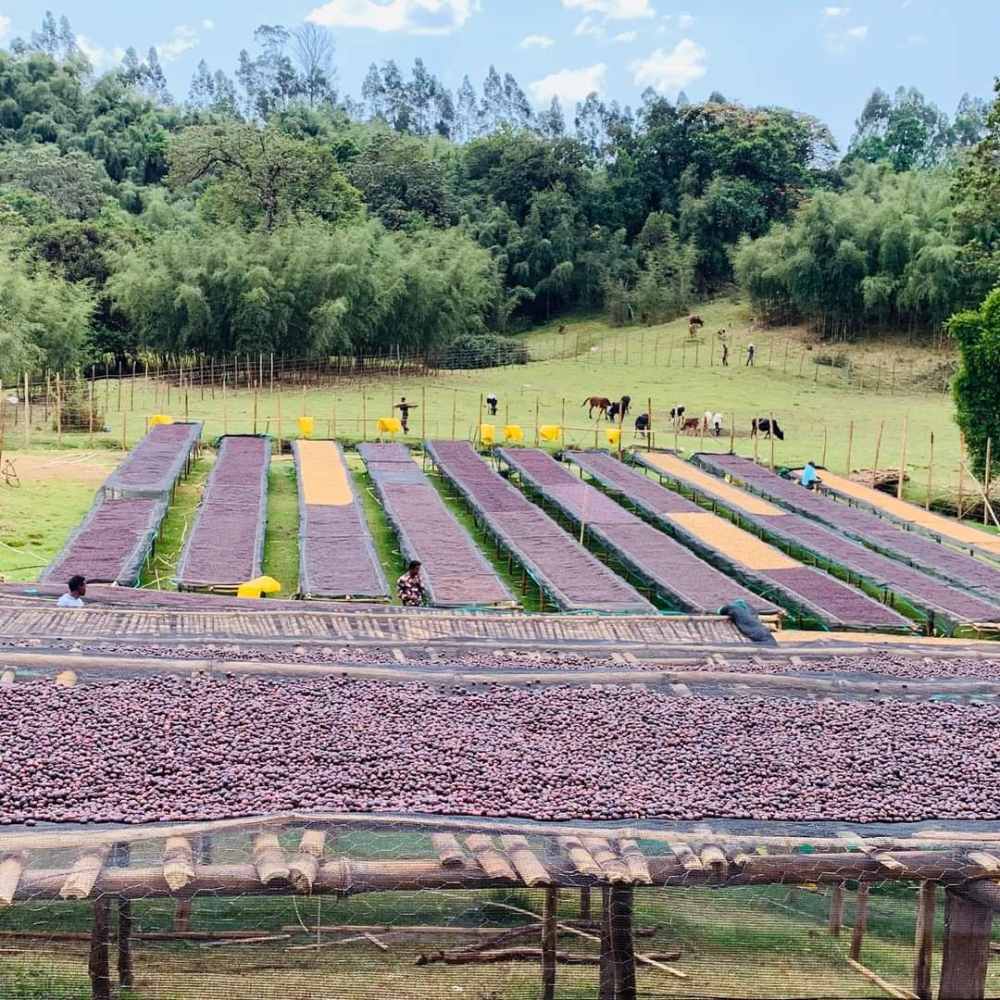
light-medium roastedGrade G1 beans—the highest grade in Ethiopian coffee, indicating an extremely low defect rate. Within this category, the flavor differences between washed and natural (sun-dried) processing methods are particularly notable: washed beans typically display brighter acidity and floral notes, while natural-processed beans develop richer body and layered fruitiness due to the fruit pulp fermentation process.Take, for instance, washed beans from the Gedeb Cooperative, grown at 2,000–2,100 meters altitude from native varieties. After washing, they present crisp floral and fruity acidity like jasmine, citrus, and lemon, paired with honey-like sweetness and a tea-like finish—ideal for those who prefer a clean, refreshing profile. Meanwhile, the natural-processed Red Cherry from the Aletreng Washing Station develops deeper complexity through prolonged fruit pulp fermentation, offering intense tropical fruit aromas like citrus, berries, and mango, along with a hint of fermented nuance and noticeably enhanced body, perfect for those who enjoy a fuller mouthfeel.
As for
medium-dark roastedYirgacheffe, it is mainly recommended for users whose primary brewing method is espresso. A key caveat: using overly light-roasted beans for espresso (under high pressure and temperature) can easily result in under-extraction, leading to sharp acidity, harsh astringency, or even spraying issues. Therefore,it is advised to choose medium-dark roasted SOE beans specifically designed for espresso,such as sun-dried Red Cherry SOE, which ensures stable flavor release even in high-pressure environments.Practical brewing parameters for reference: use 20g of coffee grounds to extract 40g of espresso, aiming for a 25–30 second extraction time. The espresso can be adjusted to taste—for example, diluted with 160g of hot water (1:4 ratio) to make an SOE Americano, or combined with 200ml of steamed milk (1:5 ratio) to create an SOE latte. These beans typically deliver a richer caramelized sweetness that balances the inherent fruity notes, appealing to both milk coffee and pure espresso enthusiasts.
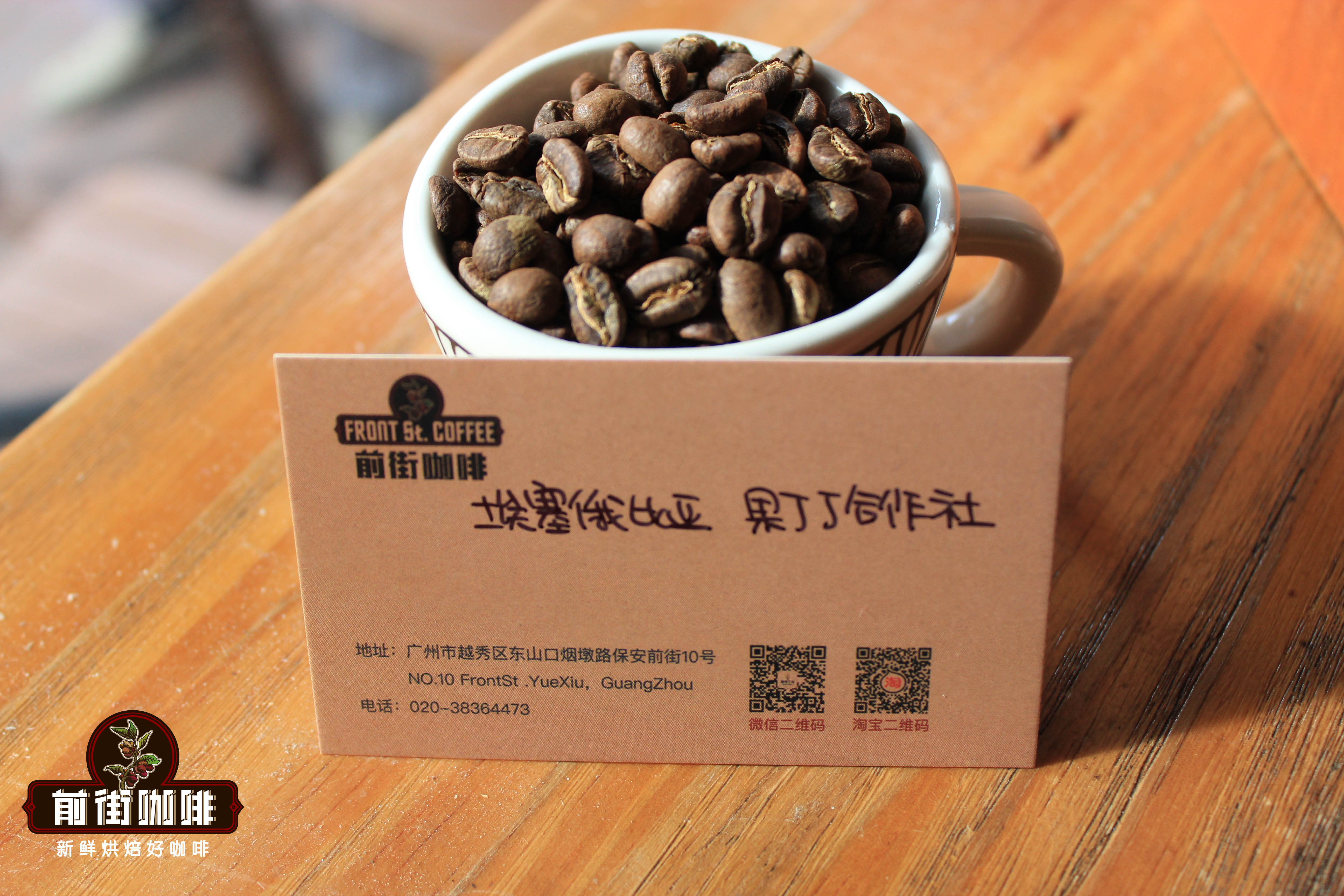
In summary, when selecting Yirgacheffe SOE beans, start by clarifying your primary brewing method (pressure-free or pressure-based), then factor in flavor preference (bright acidity or rich fruitiness) and roast level (light, light-medium, or medium-dark). This approach will help you find the most suitable entry-level beans. Avoid blindly chasing premium or trendy options—focus on your actual brewing experience to truly enjoy the unique charm of Yirgacheffe.
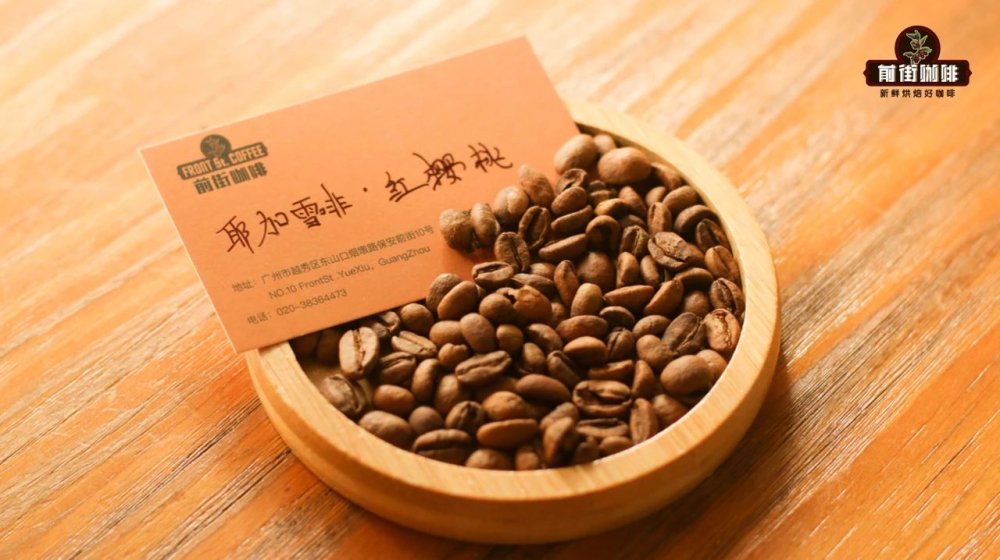
In summary, when selecting an Yirgacheffe SOE, first clarify your primary brewing method (atmospheric/pressurized), then consider your flavor preferences (bright acidity vs. rich fruitiness) and roast level (light/medium-light/medium-dark) comprehensively. This way, you can find the most suitable entry-level bean. Avoid blindly chasing high prices or trendy options—start from your actual brewing experience to truly enjoy the unique charm of Yirgacheffe.

The above content is compiled by CoffeeHunters, a coffee news website.


