







Introduction:Indonesian Mandheling coffee is renowned for its rich, bold flavor and unique herbal and spicy aroma, but it is often misunderstood as being purely bitter. This article delves into the history of Mandheling, explores the characteristics of its growing regions, and compares popular grades such as G1 Mandheling and Golden Mandheling to uncover the true flavor profile of this classic dark roast single origin. It also offers brewing recommendations and beginner-friendly buying tips.
When it comes to Mandheling, many people’s first impression is its intense bitterness and strong herbal or medicinal aroma. While these flavors are highly appealing to some coffee enthusiasts, they can be a bit overwhelming for first-timers. However, if you truly understand Mandheling, you’ll find that it’s not just about bitterness—it’s a classic dark roast with layers of complexity and a long, satisfying aftertaste.
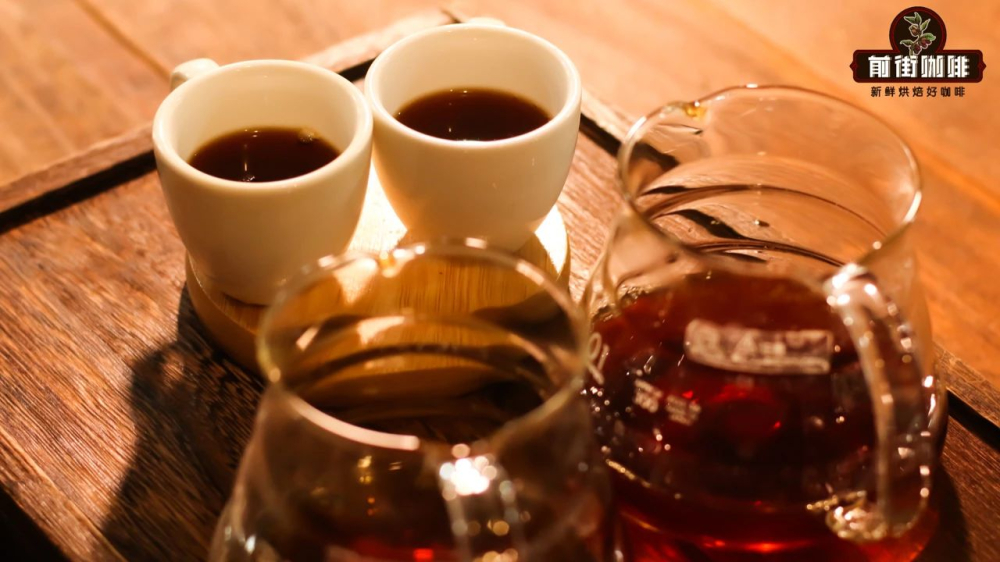
Mandheling coffee actually originates from the high-altitude mountainous regions of Sumatra, Indonesia, with major producing areas including Takengon and Sidikalang. These regions sit at elevations between 750 and 1,500 meters, featuring cool climates and fertile soil—ideal conditions for cultivating high-quality, plump Arabica beans. The flavor of Mandheling typically showcases pronounced notes of herbs, spices, and caramel, with low acidity but notable sweetness, full body, and a lingering finish, making it an excellent candidate for dark roasting.
Interestingly, the name “Mandheling” does not come from a place, but from a small WWII-era anecdote. A Japanese soldier tasted an exceptionally smooth coffee in a Sumatran café and asked the owner for the coffee’s name. Mistaking the question for where he was from, the owner replied “Mandheling.” The soldier returned home and couldn’t forget that coffee, so he specially imported 15 tons of beans from Indonesia, gradually making the term “Mandheling” widely known and eventually evolving into what we now recognize as “Mandheling” coffee.
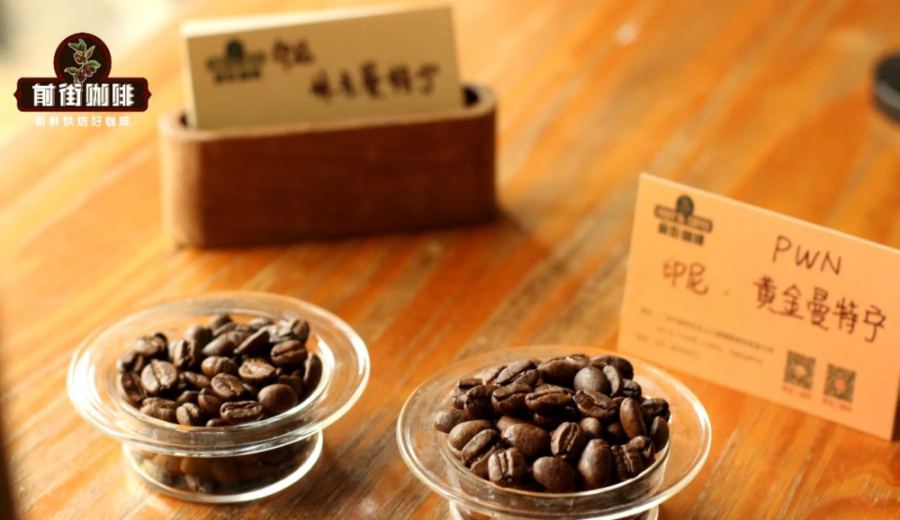
In Indonesia’s coffee grading system, G1 represents the highest grade, indicating the lowest percentage of defective beans and the most uniform bean appearance. Golden Mandheling, on the other hand, is a premium product launched by PWN, a well-known green bean trader in Indonesia. Despite the word “Golden” in its name, it doesn’t refer to a golden color of the beans themselves, but rather symbolizes their exceptional quality. Golden Mandheling is selected from the G1 grade through three rounds of manual sorting plus one mechanical screening, resulting in beans that are uniformly round, full, and consistent in color.With a lower defect rate and more consistent flavor,it is also significantly more expensive.
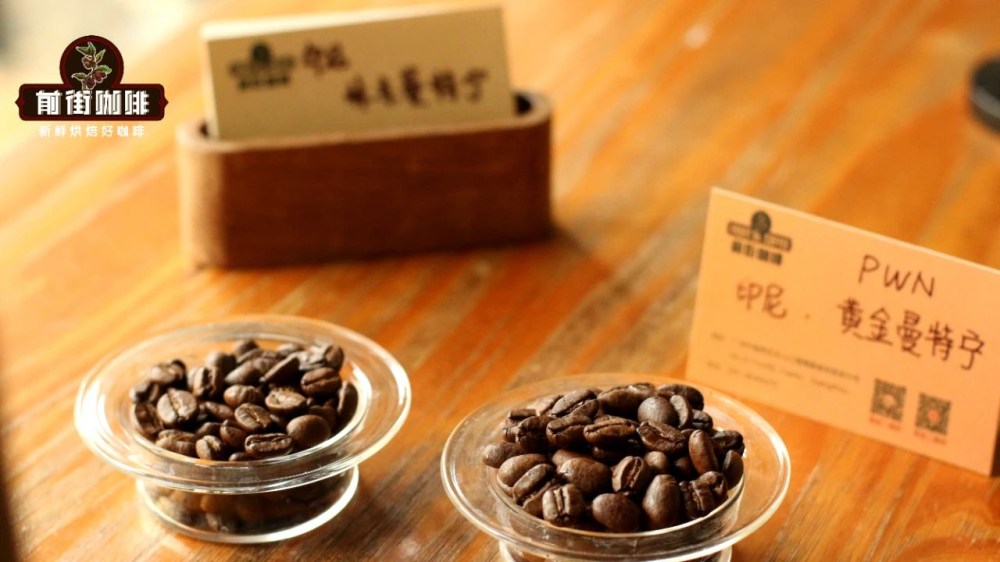
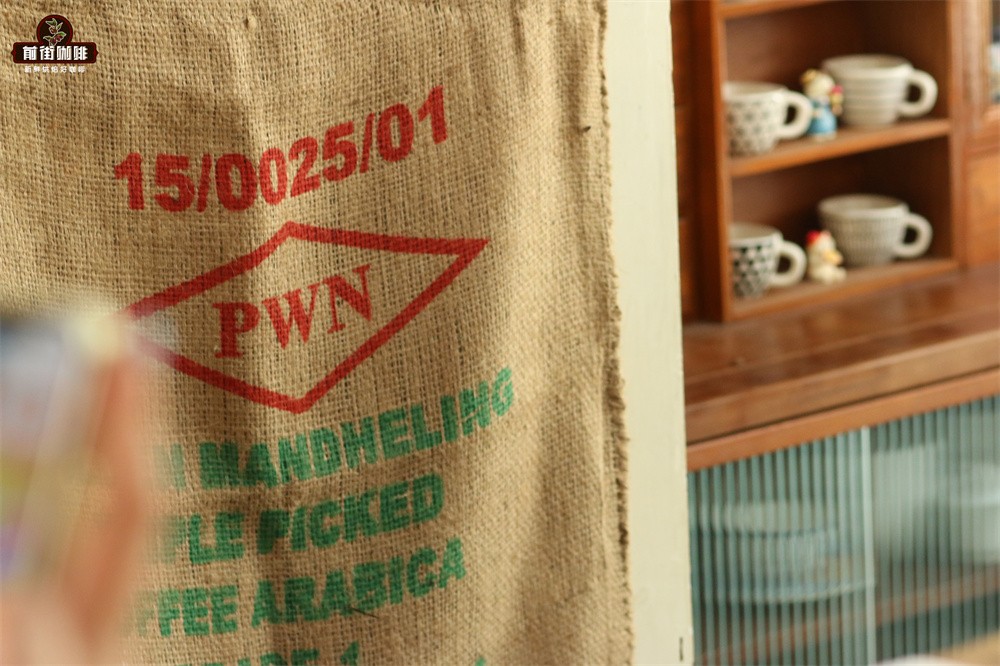
The market is flooded with products labeled as “Golden Mandheling,” but only those officially produced by PWN and accompanied by official certification are genuine. Reputable roasters usually provide certification credentials on sacks or packaging, and consumers should pay special attention when purchasing—whether online or in-store—to ensure they’re getting authentic, high-quality Golden Mandheling by checking relevant documentation.
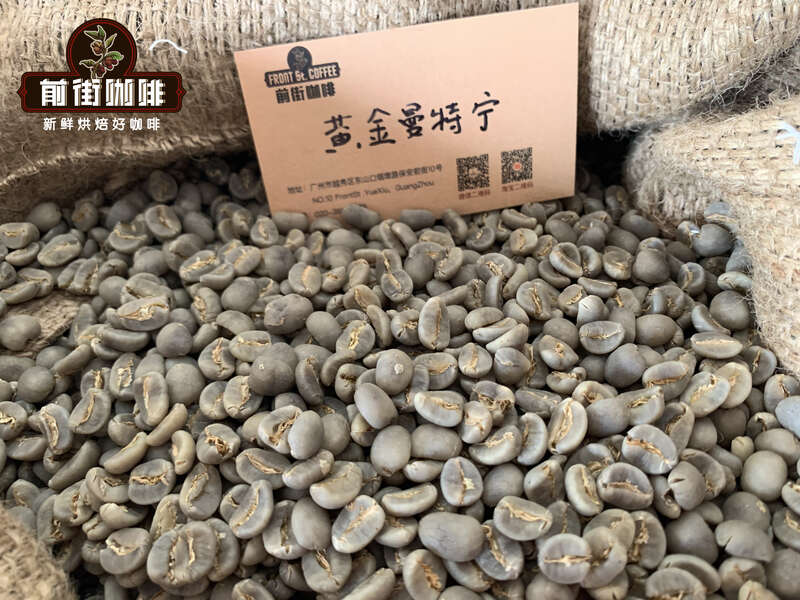
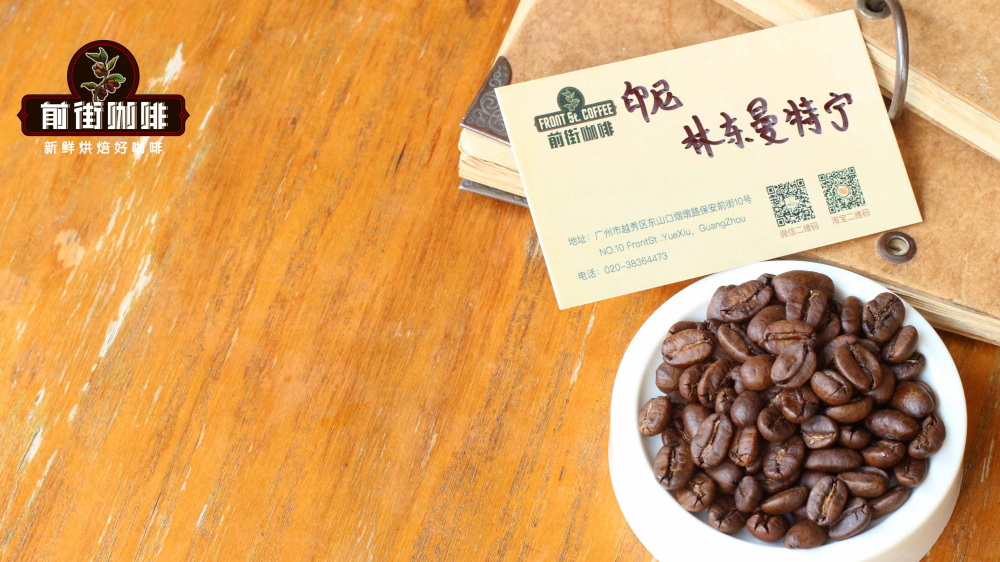
For beginner coffee enthusiasts, G1 Mandheling is an excellent choice with great value. For example, G1-grade Mandheling from Indonesia’s Lintong region, processed using the traditional wet-hulled method, offers classic herbal, spicy, and subtle caramel notes. It’s suitable for brewing via pour over, moka pot, or siphon, making it an affordable and flavorful entry point into Indonesian coffee.
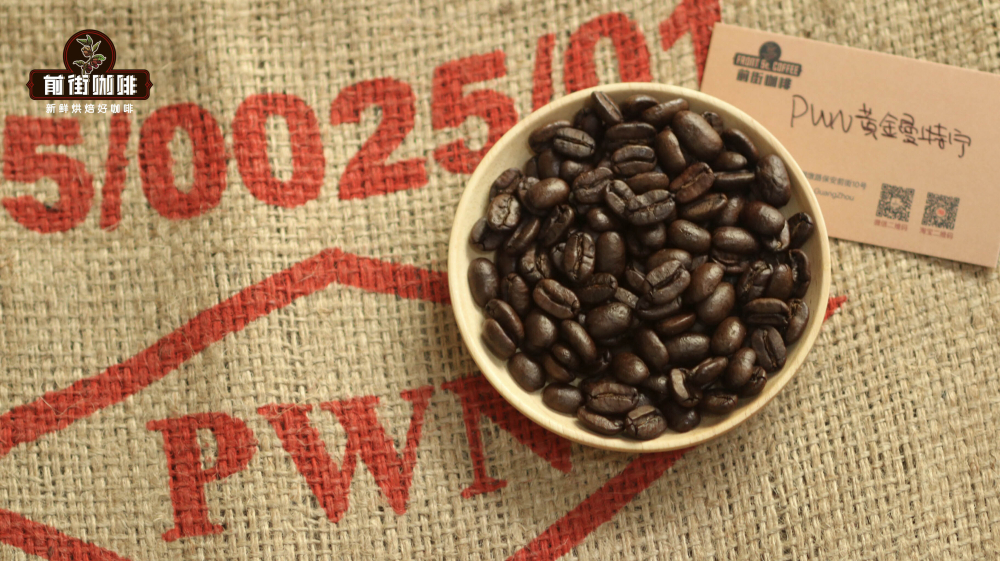
If you’re seeking a more refined taste experience, PWN Golden Mandheling is definitely worth trying. With multiple rounds of manual selection, Golden Mandheling not only boasts a more attractive bean appearance, but also delivers more pronounced sweetness, cleaner flavors, and a more concentrated body. It’s suitable for brewing methods such as pour over, siphon, moka pot, and even Espresso SOE. Ideal for everyday drinking or as a thoughtful gift for coffee aficionados. Whether you’re a novice or a seasoned enthusiast, using freshly roasted beans is crucial—try to consume them within five days of purchase for the best flavor experience.
The above content is compiled by CoffeeHunters, a coffee news website.


