







Introduction:Faced with a dazzling array of espresso beans, beginners are often overwhelmed by blends, SOEs, and the names of various producing regions. This article delves into the differences between the two main types of espresso beans—from roast levels and flavor profiles to practical brewing advice—to help you master the key points of selection. We also recommend five high-value blends and three distinctive SOEs to assist you in finding beans that suit your taste.
Many coffee enthusiasts often feel at a loss when selecting from the diverse range of coffee beans available for home brewing. Especially when choosing espresso beans, the variety—ranging from blends and SOEs to regional names like Yirgacheffe, Colombia, and Geisha—can be confusing. For those just starting out, the primary challenge is how to pick espresso beans that fit both the budget and offer good flavor.
When selecting espresso beans, focus on three key aspects: brand reputation and consistent quality, the freshness of the roast, and alignment with personal taste preferences. Mastering these three factors can significantly reduce the chances of making a poor purchase.
Espresso beans can generally be divided into two main categories: classic espresso blends and single-origin SOE (Single Origin Espresso) beans. Blends are composed of beans from different regions mixed in specific proportions, aiming to combine the strengths of each bean for balanced and stable flavor performance. In contrast, SOEs use beans from a single origin or variety, highlighting unique regional flavor characteristics.
Espresso BlendsTypically consist of two or more types of beans roasted to medium-dark or dark levels, emphasizing classic flavors like chocolate, nuts, and caramel. These beans are ideal for milk-based drinks such as lattes and cappuccinos. With balanced flavors, stable extraction, and relatively affordable prices, they are perfect for beginners.
Here are five highly cost-effective espresso blend recommendations:
First:Classic Espresso Blend(Brazil, Indonesia Mandheling, Vietnam Robusta). This blend features a dark roast, rich crema, and intense notes of caramel and dark chocolate, with a pleasant aftertaste—ideal for those who enjoy bold flavors.
Second:Premium Espresso Blend(Colombia, Brazil). It offers a smooth profile with delicate grassy notes and mild bitterness-sweetness, perfect for latte lovers who prefer lighter flavors.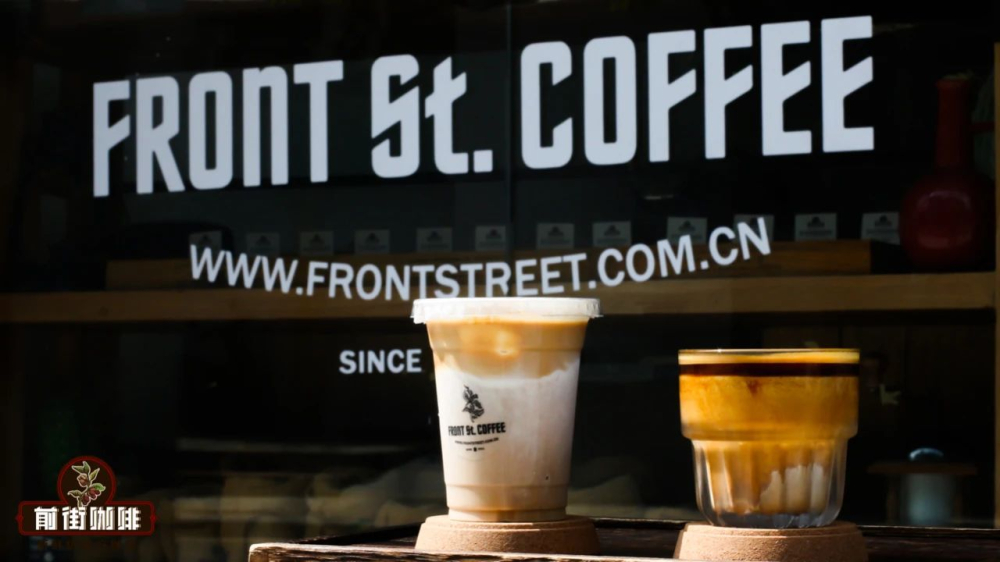
Third:Commercial Espresso Blend(Colombia, Brazil, Robusta). Classic in flavor, it delivers sweet caramel notes and nutty undertones, with balanced acidity and sweetness—suitable for everyday drinking.
Fourth:Dark Cocoa Espresso Blend(Yunnan AA, Brazil). This blend has a soft profile with fruity acidity and dark chocolate aroma. Its body is thick but overall gentle in expression.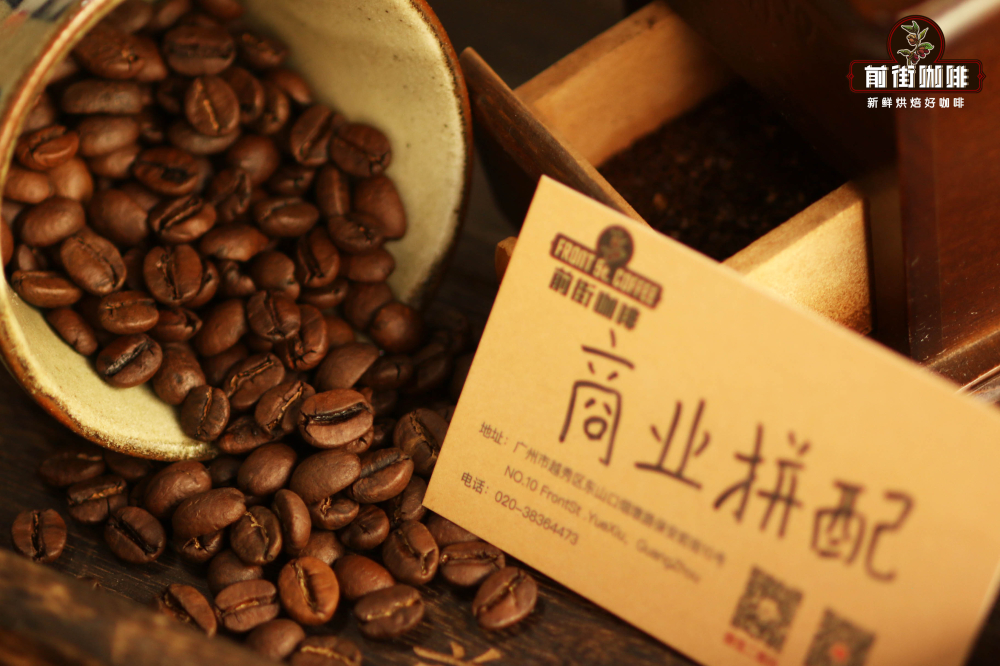
Fifth:Strawberry Candy Espresso Blend(Costa Rica, Colombia, Ethiopia). Highlighting the characteristics of honey-processed beans, it showcases notes of strawberry candy, grapes, and rose, with low bitterness and a long finish—great for those who enjoy fruity profiles.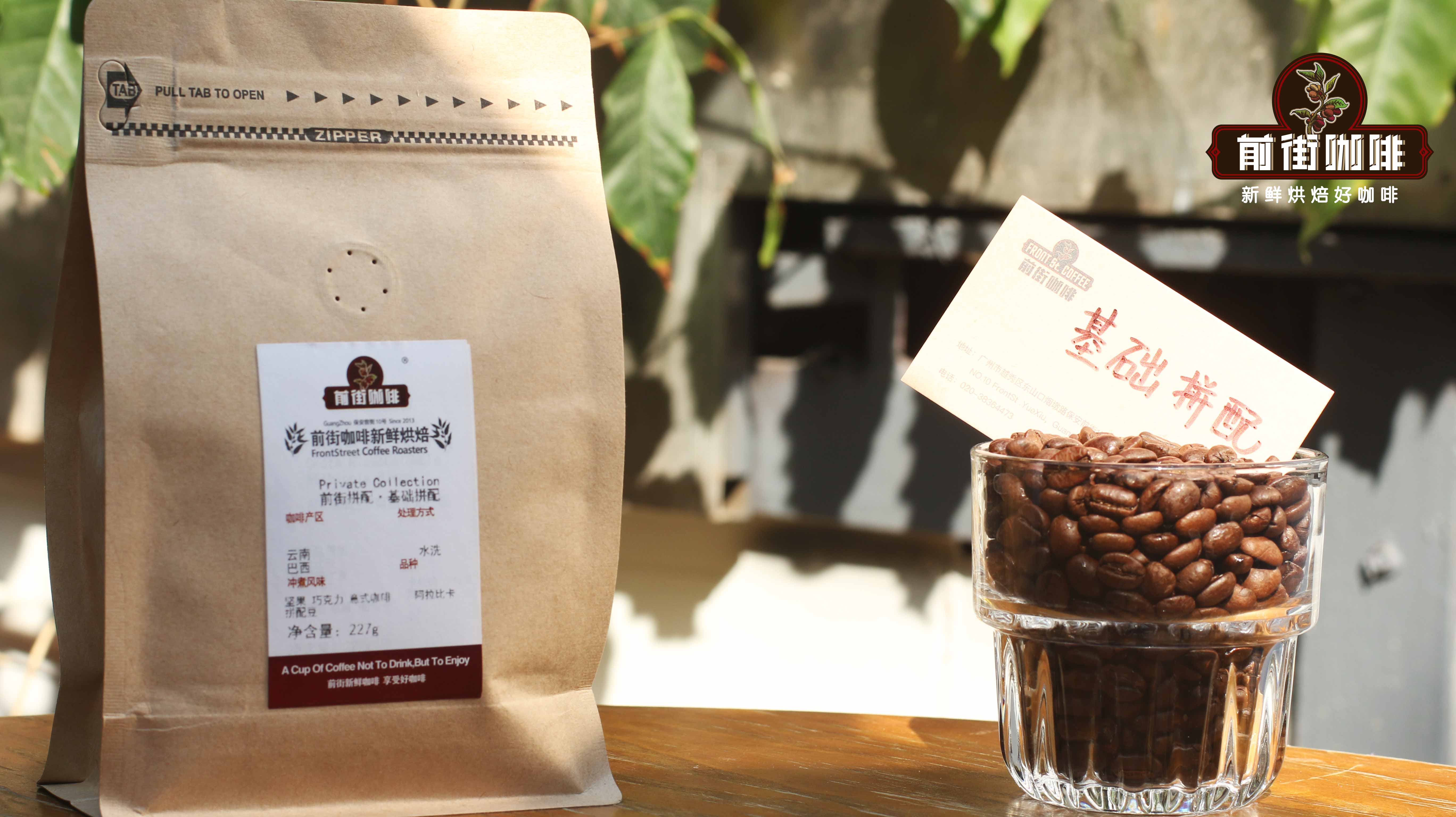
Compared to blends,SOE (Single-Origin Espresso) beansemphasize the unique flavors of a single origin. These beans are usually carefully selected and optimized in roast profiles, showcasing distinct floral, fruity acidity, or fermented aromas. With rich layers and strong individuality, they are ideal for advanced coffee lovers seeking diverse flavors.
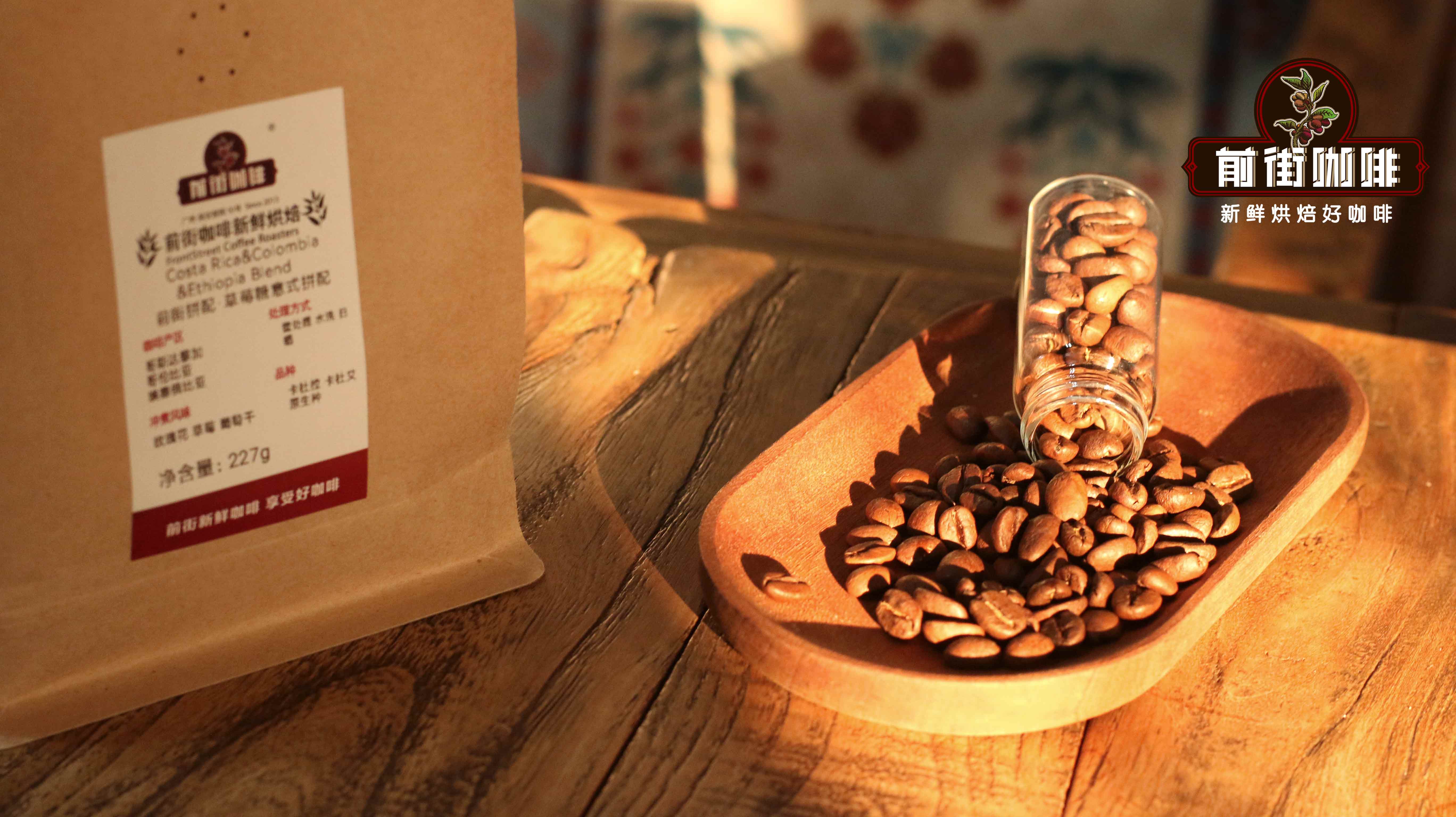
Here are three SOE beans worth trying:
First:Queen Estate SOE, featuring pronounced fruitiness and a full-bodied mouthfeel, suitable for drinking black or with milk.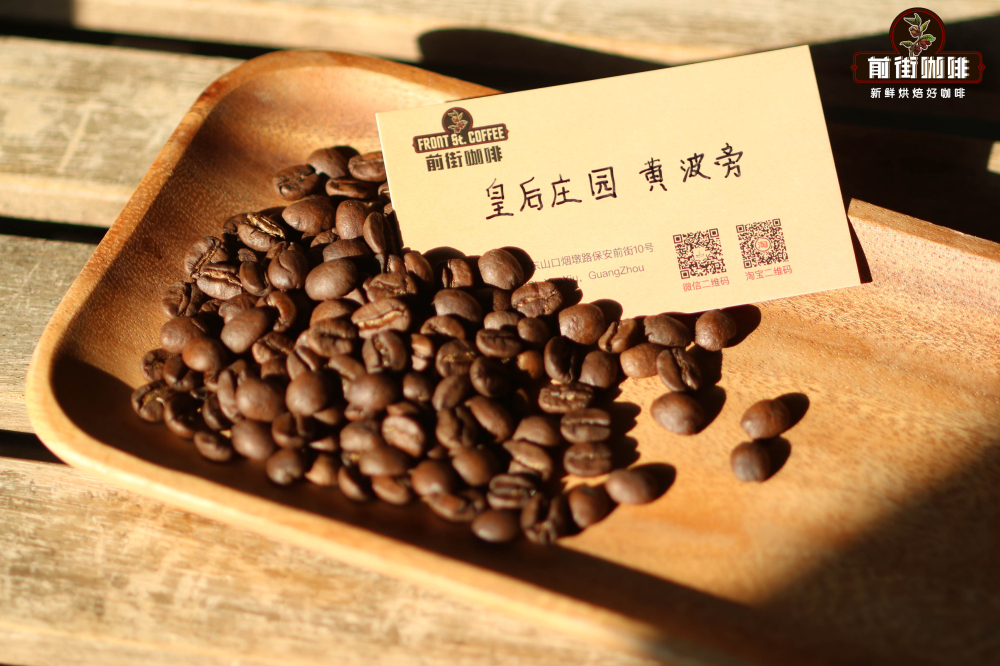
Second:Bird of Paradise SOE, with a medium roast that highlights citrus acidity and nutty-creamy notes. When used in milk coffee, it yields a smooth, chocolatey-creamy texture, with a cocoa-toned finish.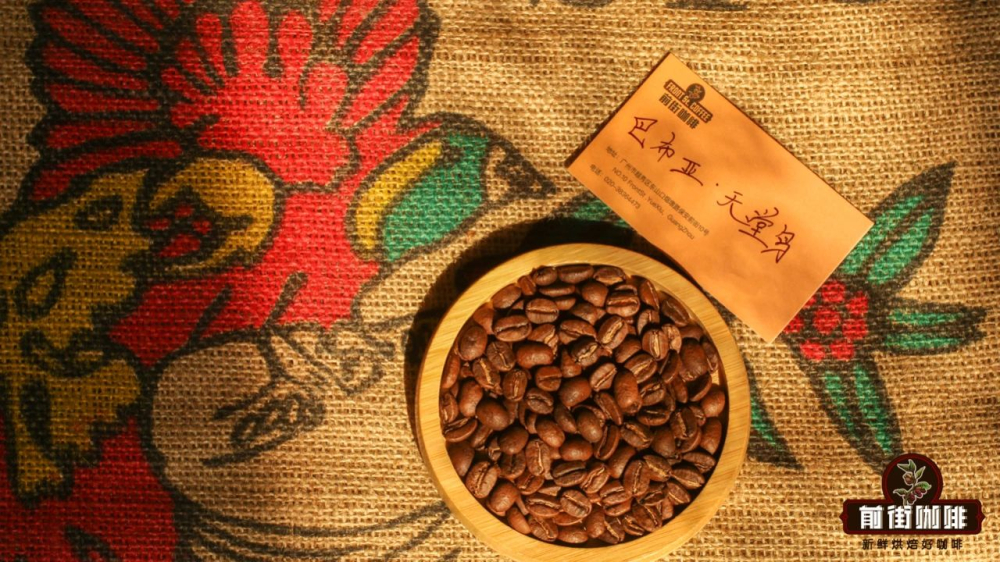
Third:Mozart SOE(Costa Rica Musician Series), processed via anaerobic honey method with noticeable fermentation notes. As a pour-over, it exhibits rose floral and raisin sweetness; as an SOE, it presents intense tropical fruit and fermentation aromas.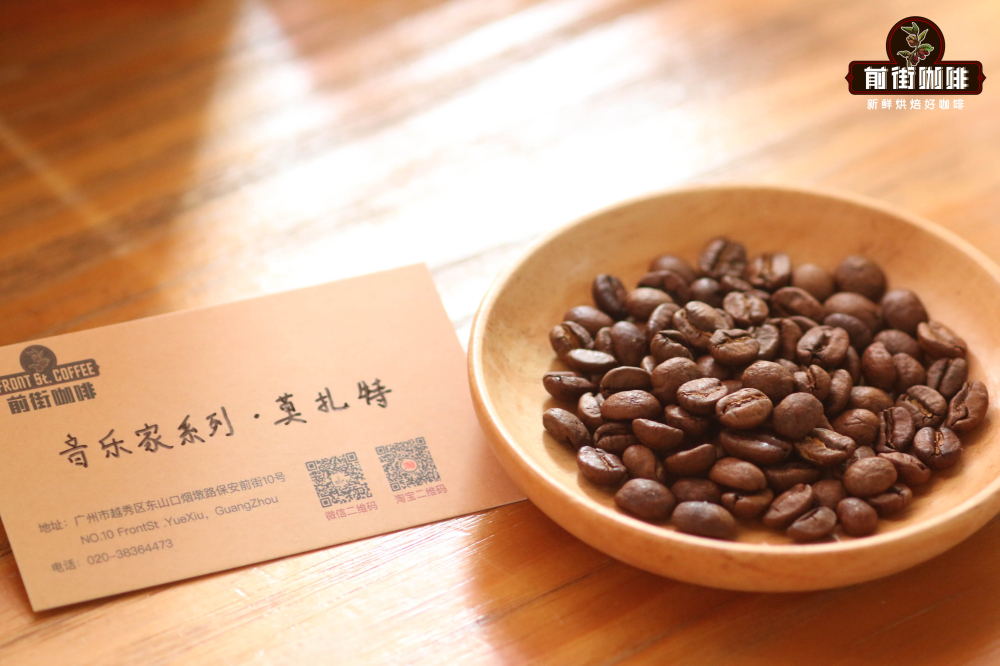
Whether you choose a blend or SOE, it’s recommended to select based on your usual coffee type (e.g., black coffee, latte, cappuccino) and flavor preferences (fruit acidity, sweetness, body). Also, pay attention to the roast date, and opt for beans roasted within 1–2 weeks for optimal flavor.
The above content is compiled by CoffeeHunters, a coffee news website.


