







Introduction:This article provides an in-depth comparison of the flavor profiles, origin characteristics, and ideal audiences for Sumatra Mandheling and Colombian coffee, while also analyzing the unique qualities of classic offerings such as Golden Mandheling. From altitude and processing methods to roasting recommendations, it offers a comprehensive guide for bean selection and pour over brewing to help coffee enthusiasts make precise choices based on their taste preferences.
When it comes to classic coffee-growing regions, Sumatra Mandheling and Colombia are often compared. These two globally beloved coffee beans each represent vastly different terroirs and processing philosophies. Whether you’re a beginner just starting with pour over or a coffee enthusiast looking for a reliable daily brew, understanding their differences can help you find the perfect match.
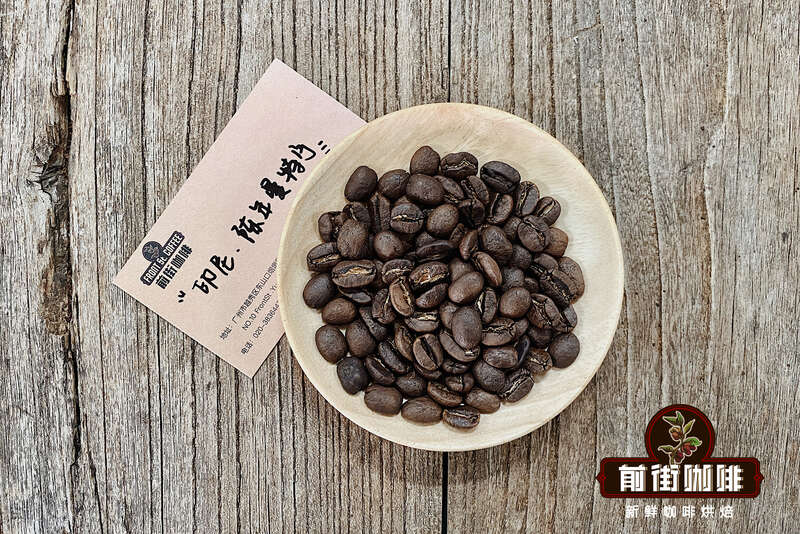
Mandheling coffee originates from the island of Sumatra in Indonesia and is grown at elevations between 750 and 1,500 meters above sea level. The coffee trees here are primarily of the Arabica variety, with Ateng and TimTim being the most common types. Influenced by the region’s unique humid climate and volcanic soil, Mandheling coffee typically exhibits rich flavors of spice, nuts, and chocolate, with a full body and long-lasting aftertaste.
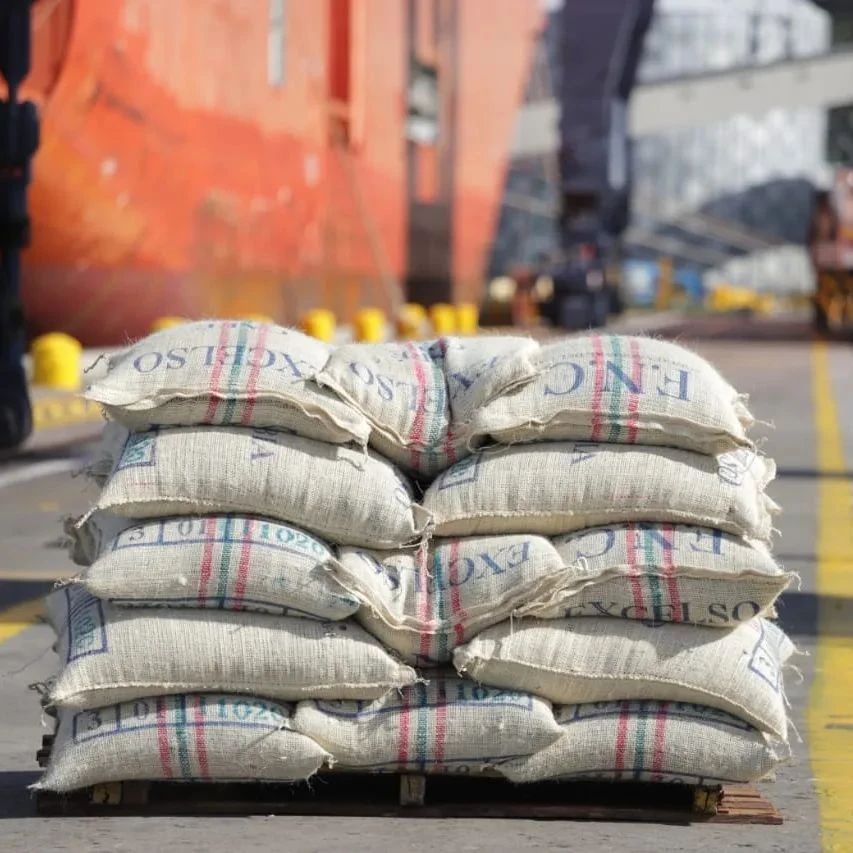
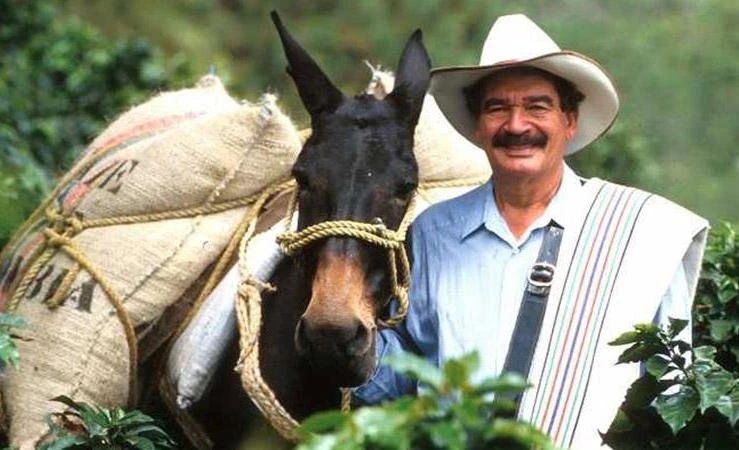
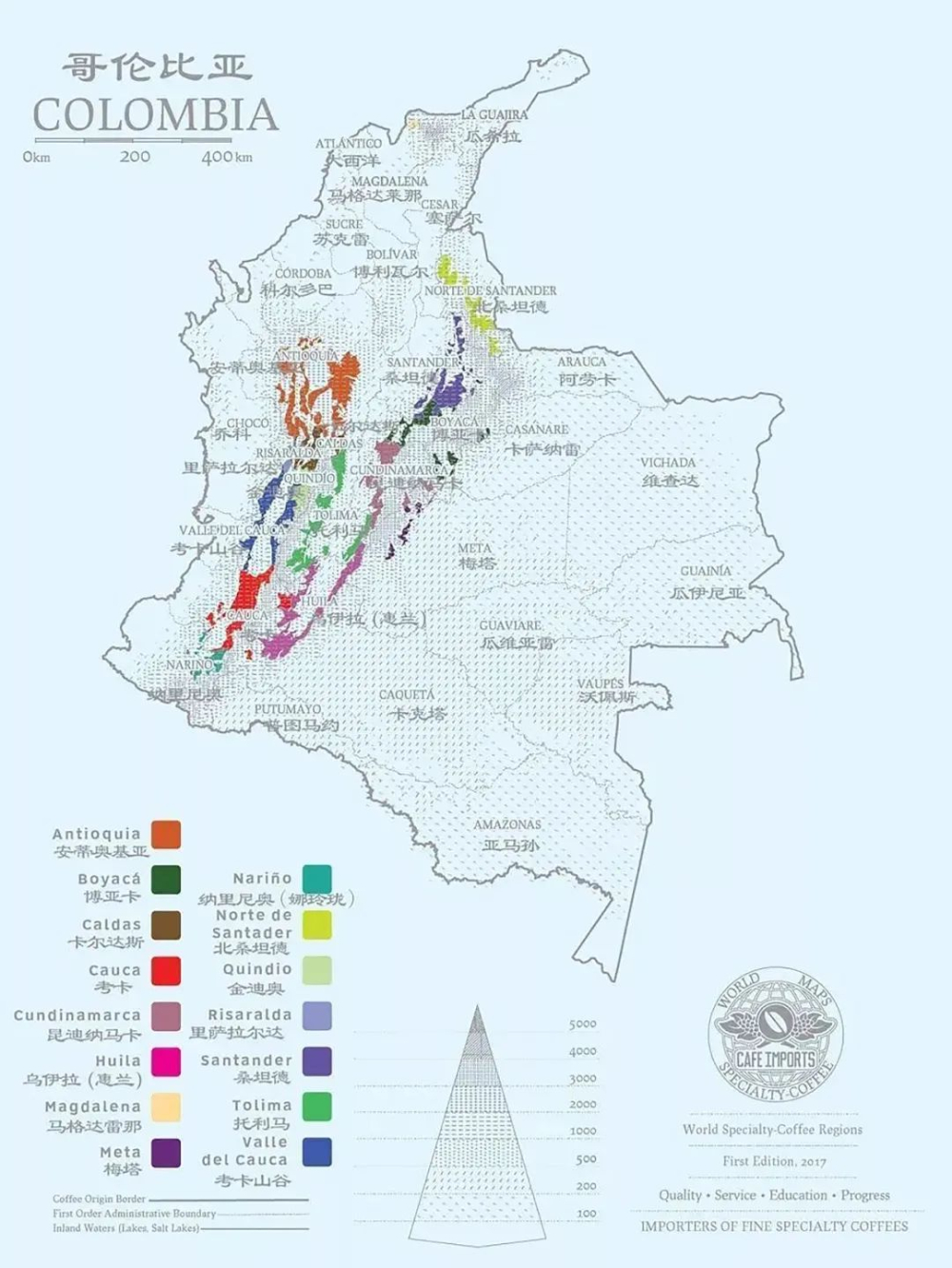
In contrast, Colombian coffee beans are mostly grown in high-altitude mountainous areas ranging from 1,200 to 2,000 meters. Varieties such as Caturra and Typica dominate. Thanks to the volcanic soil and moderate day-night temperature variations, Colombian coffee often features bright acidity, berry aromas, and balanced sweetness, making it ideal for those who enjoy fresh, layered flavors.
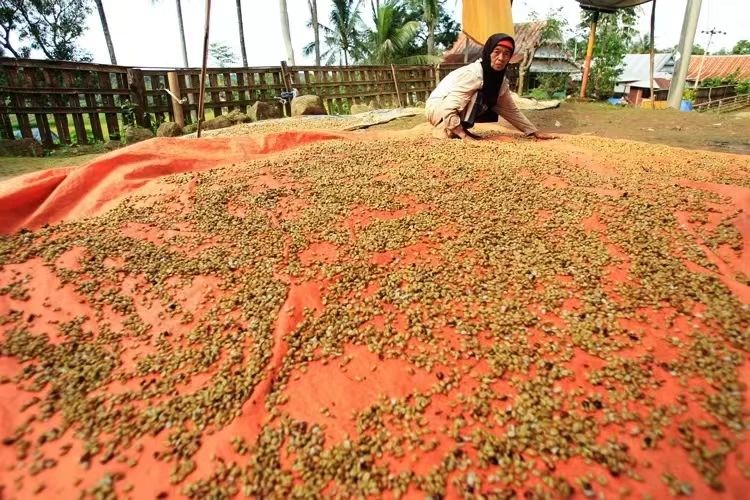 The most distinctive feature of Sumatra Mandheling is its “wet hulling” (Giling Basah) processing method. This technique results in coffee beans with a darker appearance and often carries unique herbal and earthy notes. Due to the region’s high humidity, the beans must be processed quickly after harvest and undergo meticulous hand sorting to remove defective beans. Poor selection can easily lead to inconsistent flavors.
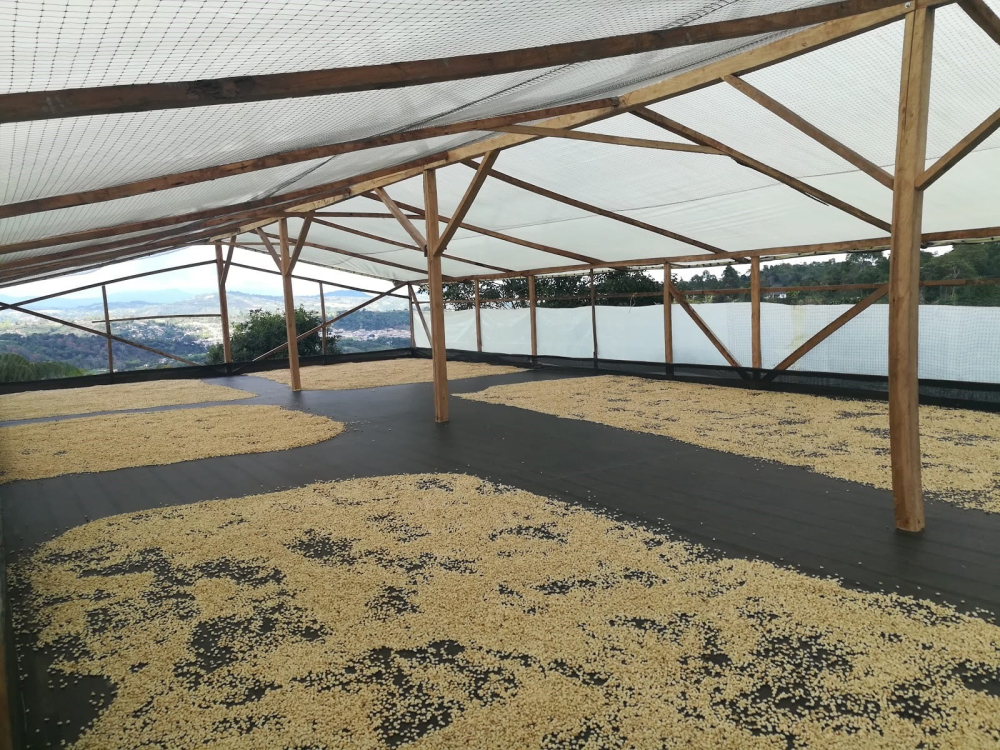
Colombian coffee, on the other hand, mostly employs traditional washed processing, emphasizing mucilage retention and controlled fermentation, which contributes to its clean, bright acidity and high balance. Especially in high-altitude regions like the Caldas department, the coffee often boasts delicate berry notes and caramel sweetness, making it well-suited for medium-light roasting.
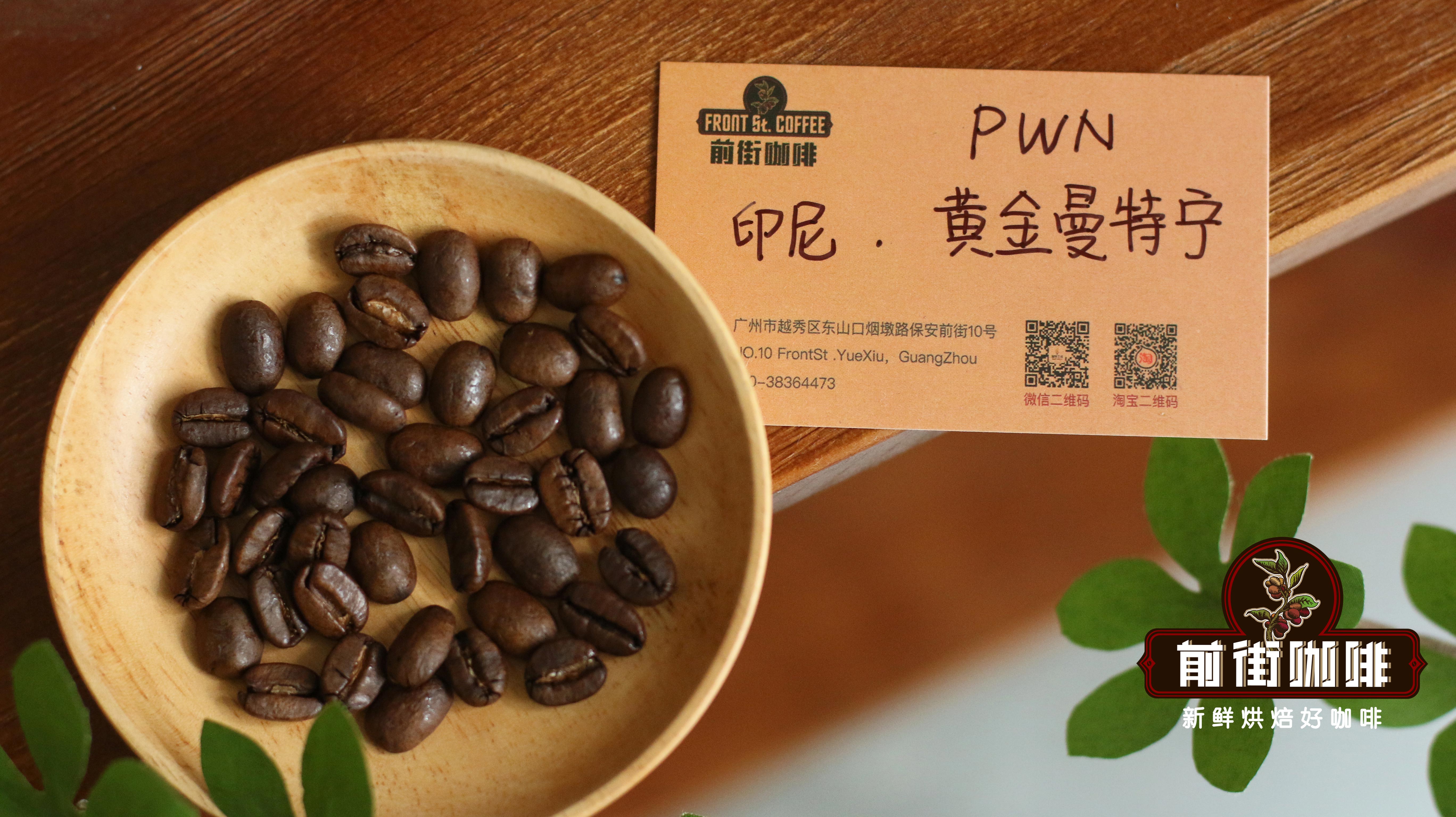
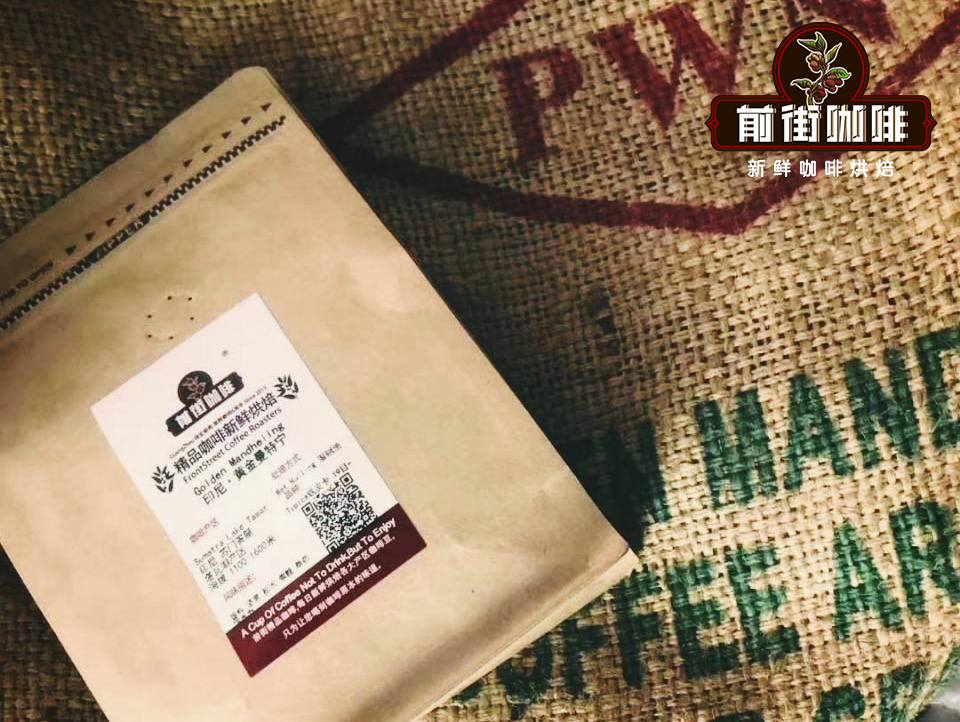 Golden Mandheling is the premium representative of Sumatra Mandheling, carefully selected by Indonesia’s PWN company from Grade G1 beans, and undergoes three rounds of manual sorting to ensure quality. These coffee beans are mostly grown in the Gayo highlands of Aceh, at elevations of 1,500 to 2,500 meters, thus exhibiting more refined floral, spicy, and herbal notes, with a clean profile and prominent sweetness.
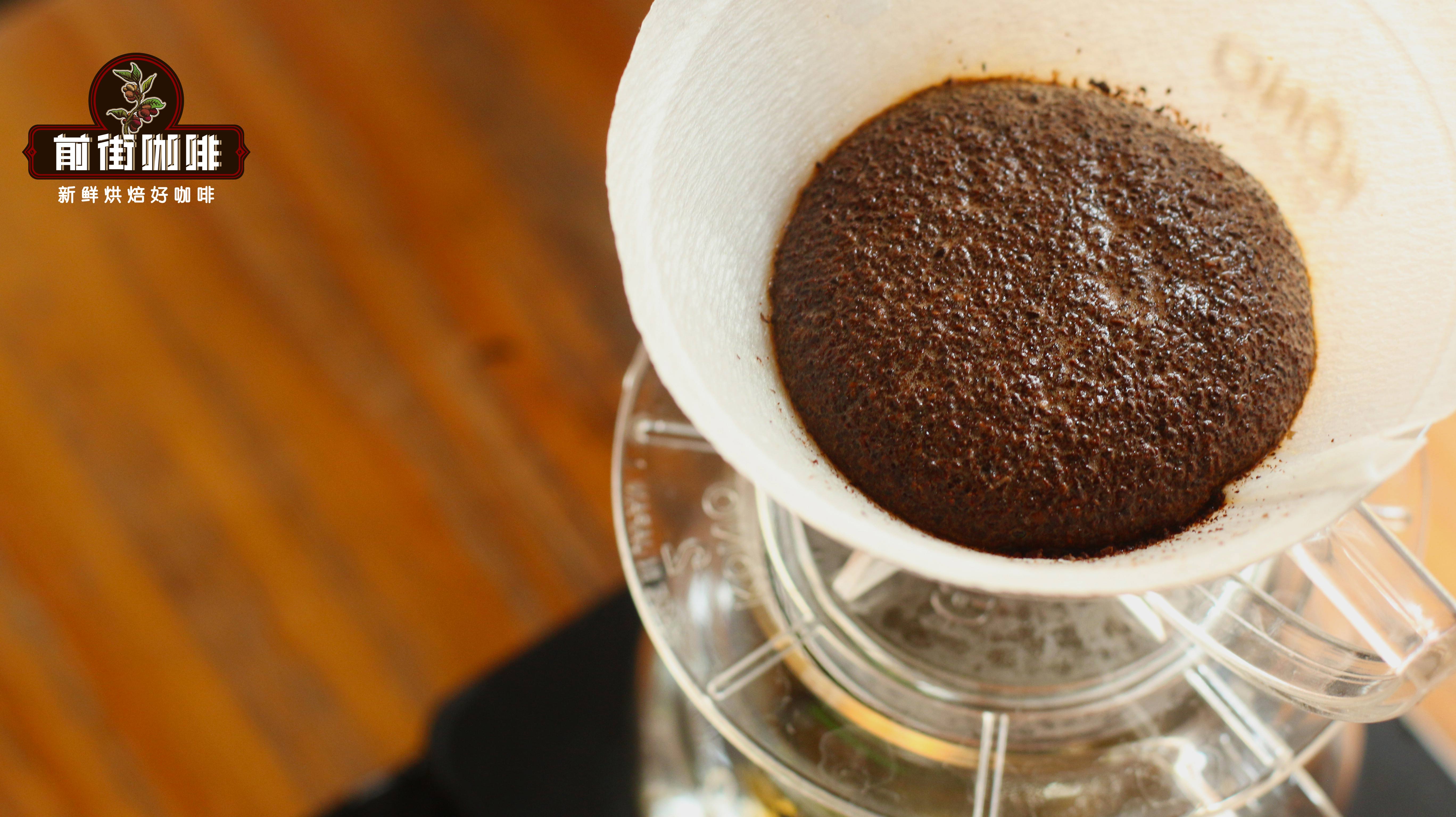
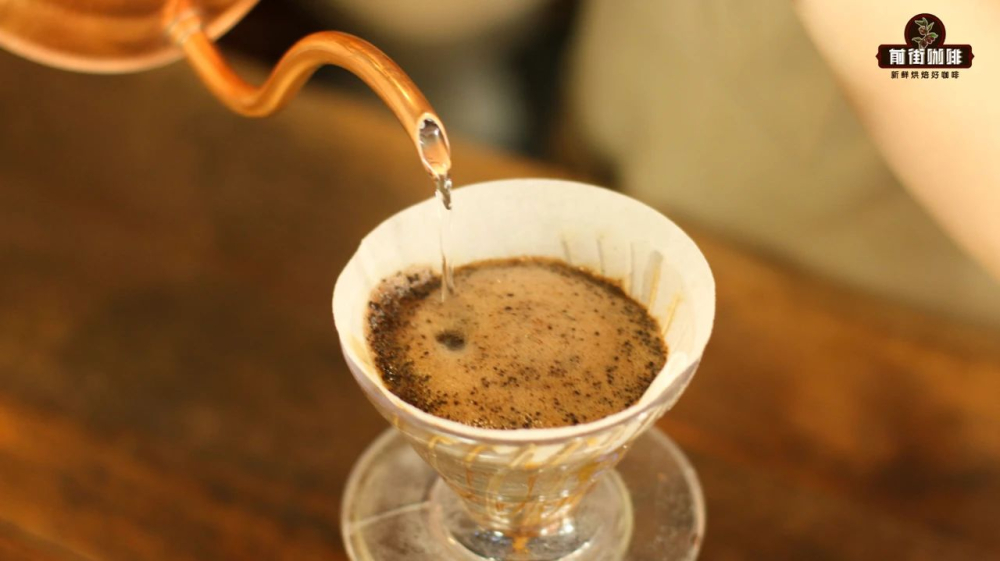
For brewing recommendations, Mandheling is best brewed using a Kono filter, with a medium-fine grind (around 70% extraction through a #20 sieve) and water at 86°C, employing a three-stage extraction method. Start with a 30-second bloom using 30 grams of water, then pour to 125 grams and 225 grams in stages, keeping the total extraction time around 2 minutes. This approach fully highlights its full body and low acidity.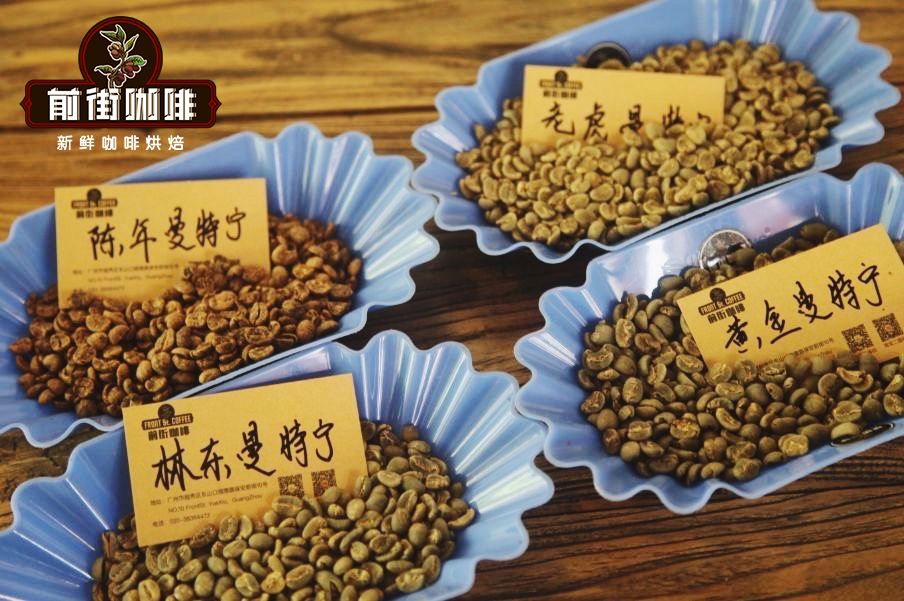
For Colombian coffee, it is recommended to use a Hario V60 filter, with a medium grind (80% extraction through a #20 sieve) and water at 90°C, using a pulse pouring method to bring out its bright acidity and complex aromas. Common brewing parameters include a 1:15 coffee-to-water ratio, with a total extraction time of about 2 minutes, yielding a balanced and layered cup.
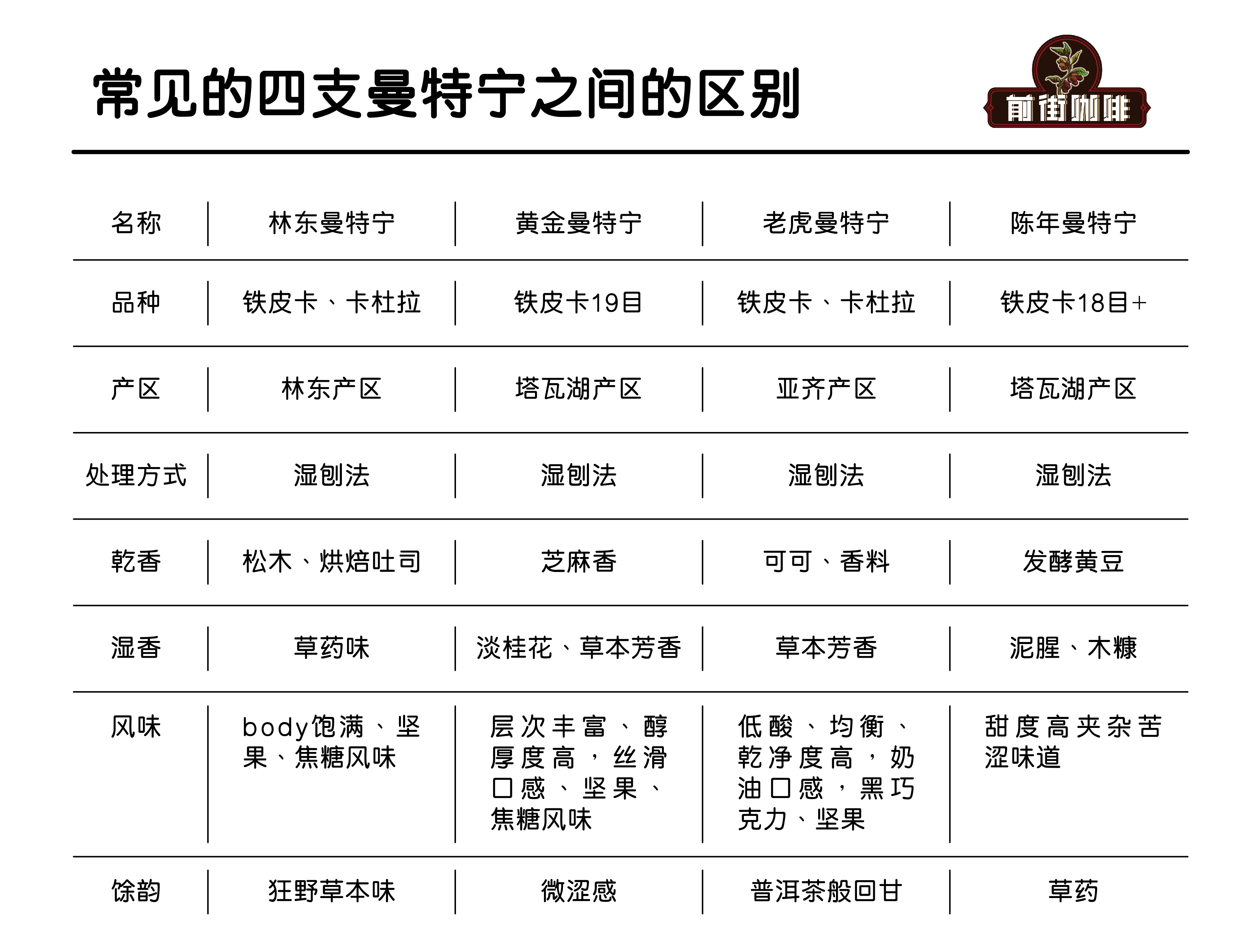
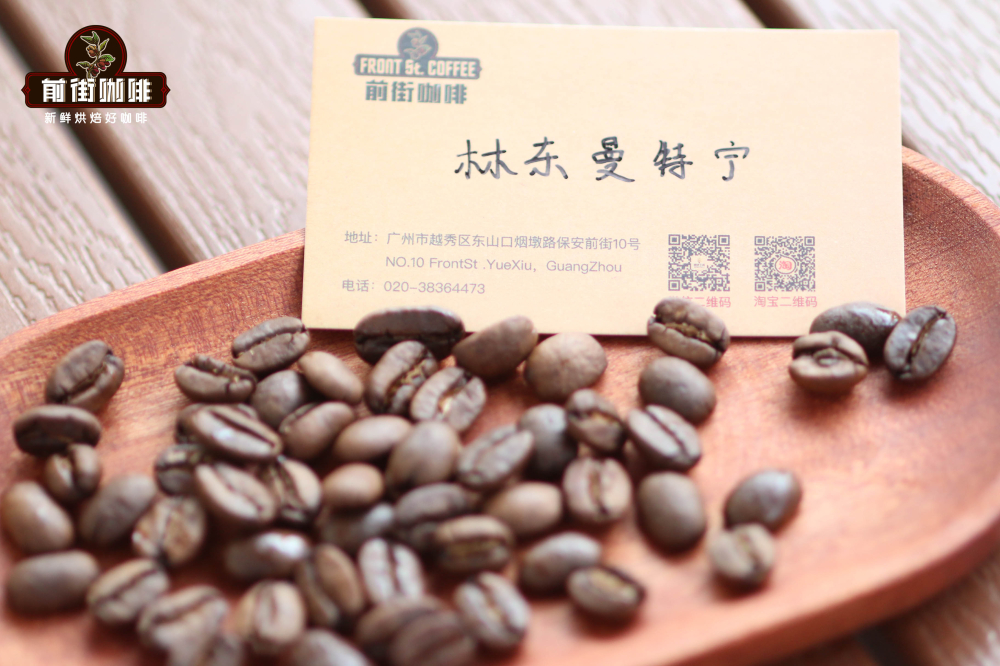
Common Mandheling offerings also include Lintong Mandheling, Tiger Mandheling, and Aged Mandheling. Lintong Mandheling comes from the northern Sumatran region of Lintong and is known for its nutty and caramel flavors; Tiger Mandheling emphasizes low defect rates and high uniformity, resulting in a cleaner taste; Aged Mandheling consists of beans stored properly for 2 to 3 years, with reduced acidity and a more pronounced full body.
 For readers trying single-origin coffee for the first time, it is recommended to start with Colombian beans from the MAM region (such as Medellín, Armenia, and Manizales), which are characterized by bold fruit acidity and medium body, suiting those who prefer a refreshing taste. If you prefer rich, full-bodied coffee with earthy and spicy notes, Sumatra Mandheling is the ideal choice.
In summary, Mandheling and Colombian coffee each have their own distinct characteristics: the former is known for its rich body, low acidity, and spicy notes, appealing to coffee lovers who enjoy a bold mouthfeel; the latter showcases bright acidity, fruity notes, and high balance, favored by those seeking fresh flavors and complexity. Regardless of which you choose, proper roast level and brewing method are key to unlocking their full potential.


The above content is compiled by CoffeeHunters, a coffee news website.


