








Introduction:Want to know what kinds of coffee beans are suitable for use in an espresso machine or moka pot? The roast level is a key factor influencing how coffee flavors are expressed. This article provides a detailed breakdown of the differences between light, medium, medium-dark, and dark roasts, introduces you to the unique charm of medium-roast coffee beans, and recommends several practical bean options that perform well whether you're brewing espresso or making pour overs.
The degree of roast is a crucial element that determines the direction a coffee’s flavors will take. Generally speaking, roast levels can be broadly divided into three categories: light, medium, and medium-dark/dark. Different stages of roasting trigger various chemical reactions within the beans, affecting their aroma, acidity-sweetness-bitterness balance, and mouthfeel structure.
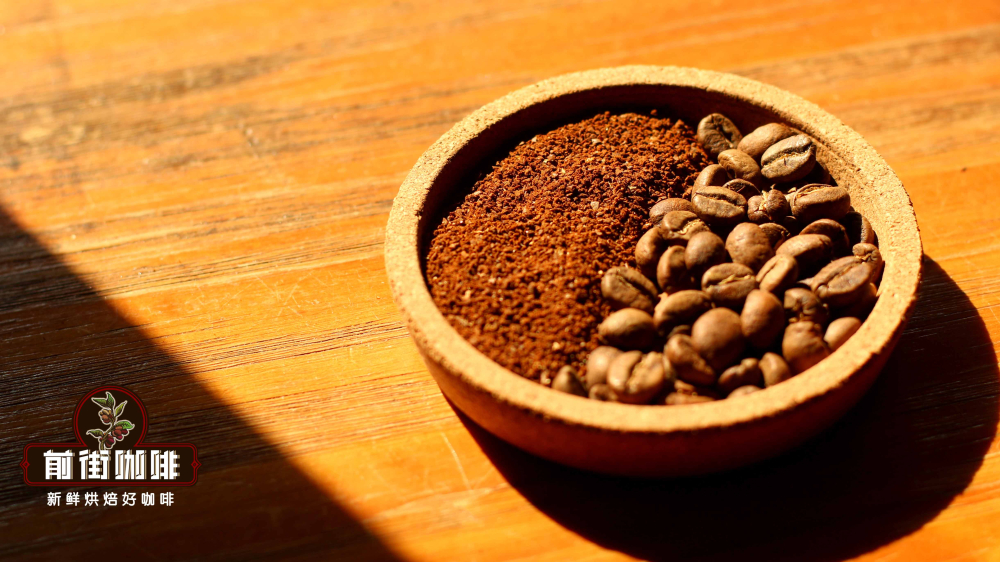
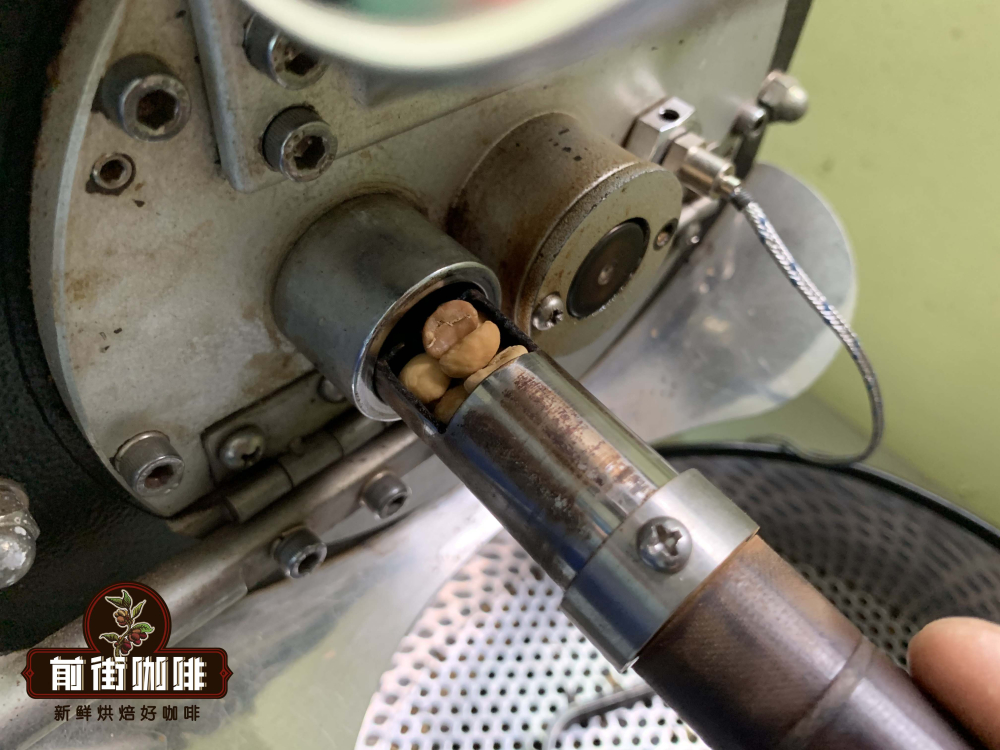
Light roast (Cinnamon Roast) is when beans are dropped from the roaster shortly after the first crack. At this stage, the organic acids in the beans haven’t been largely broken down, so the acidity is quite pronounced while bitterness remains light. The overall flavor is fresh, with clear layers, making it ideal for those who enjoy fruity acidity and floral notes. Beans at this stage usually have a cinnamon-like color and are often used for pour over brewing.
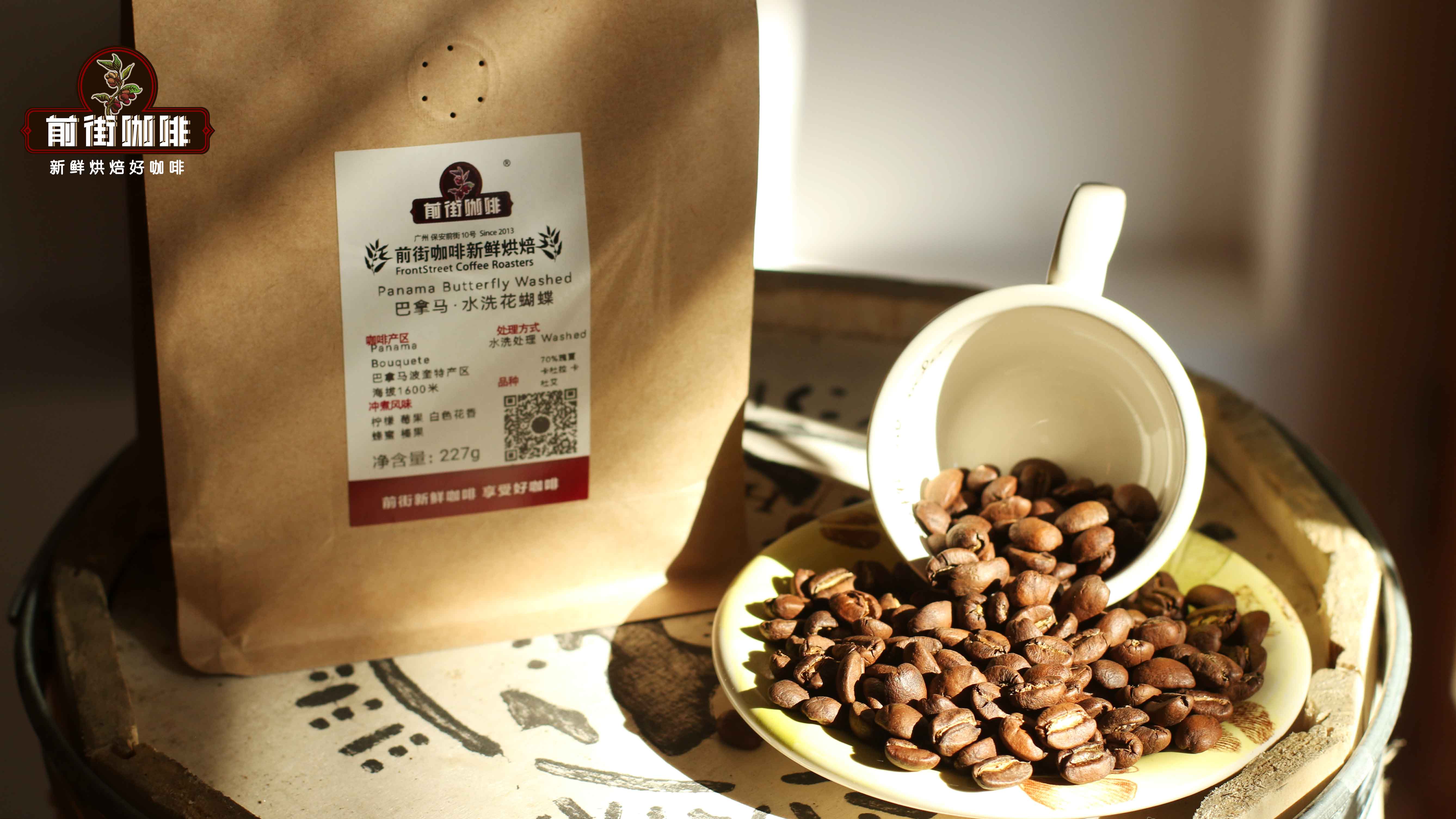
Recommended light-roast beans include Hua Hudie (Butterfly Flower), which showcases white floral, green tea, and citrus tones; additionally, Yirgacheffe Alo offers flavors of mango, guava, strawberry, and subtle black tea, with bright acidity and expressive aromatics.
Moving on to medium roast, typically roasted from the end of the first crack to just before the start of the second crack, beans at this stage undergo more Maillard reactions and caramelization. Acidity decreases but leaves some lingering brightness, while sweetness increases, resulting in a more balanced overall profile that works well with multiple brewing methods, including pour over and blends.
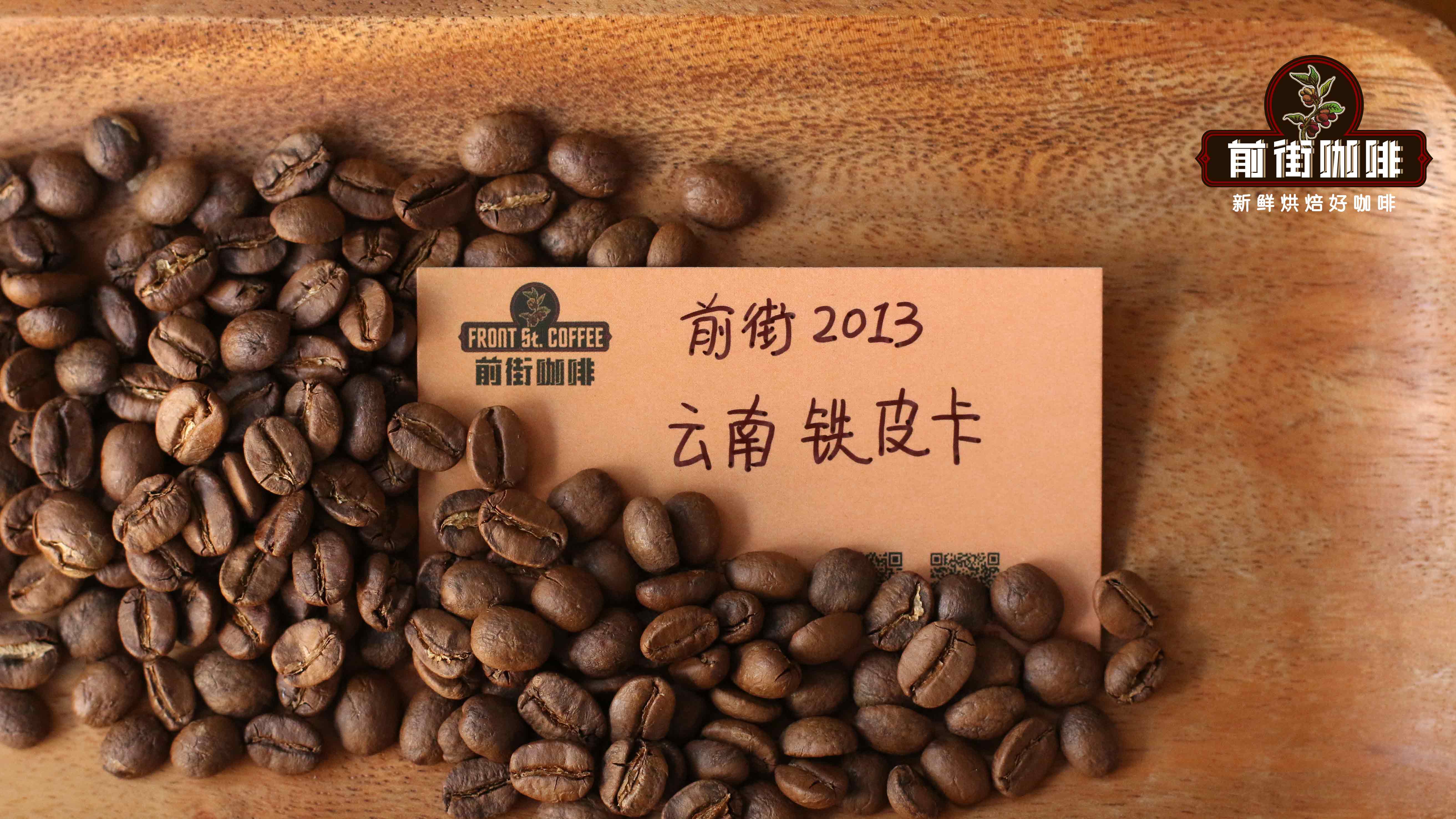
Beans at this stage usually present a chestnut-like color, offering layered flavors of nuts, cocoa, and creamy chocolate while still preserving some of the origin bean’s inherent characteristics. For example, Paradise Bird coffee delivers a balance of nuts, cocoa, and citrus, while Yunnan Small Bean Typica exhibits sweet notes of brown sugar and nuts.
Medium-dark roast (City Roast) is commonly used for many espresso beans, typically dropped between the first and second cracks. At this stage, the acidity, bitterness, and sweetness reach a good equilibrium, with prominent caramelized flavors — a choice widely accepted by most coffee drinkers. These beans have a deep brown appearance and are not only suitable as the base for espresso but also work well for pour overs or for making Americanos, lattes, and other blended coffees.
Recommended medium-dark roast beans include Queen Estate, which presents sweet notes of roasted peanuts, cream, and cane sugar; Hui Lan coffee excels in black chocolate, cocoa, and roasted nuts. In addition, both classic Italian blends and specialty Italian blends are rich in crema and offer stable flavors, making them great choices as espresso bases or daily-use blends.

As for dark roast (Italian Roast), commonly referred to as “Italian-style roast,” it’s usually dropped after the second crack. At this stage, the beans undergo intense caramelization, with aromas dominated by rich chocolate, nuts, and smoky charcoal notes. Acidity is almost entirely suppressed, replaced instead by a strong bitterness and a full-bodied mouthfeel — a classic choice for Italian-style espresso.
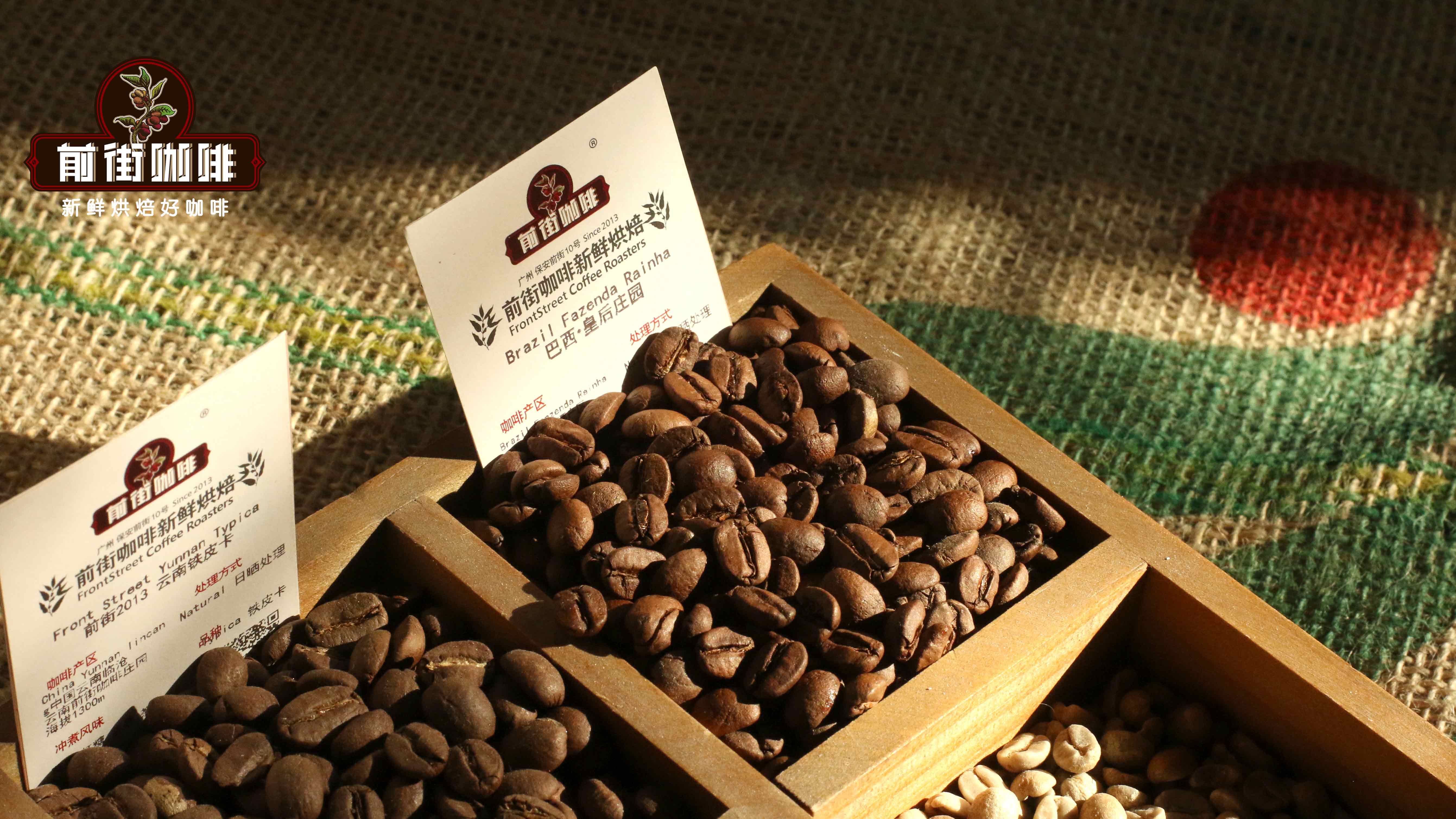
These beans tend to be dark in color, with bean surfaces nearing carbonization, delivering complex and intense flavors. The bitterness is noticeable but layered, and this style is mainly popular in Italy, catering to users who enjoy bold, intense coffee experiences.
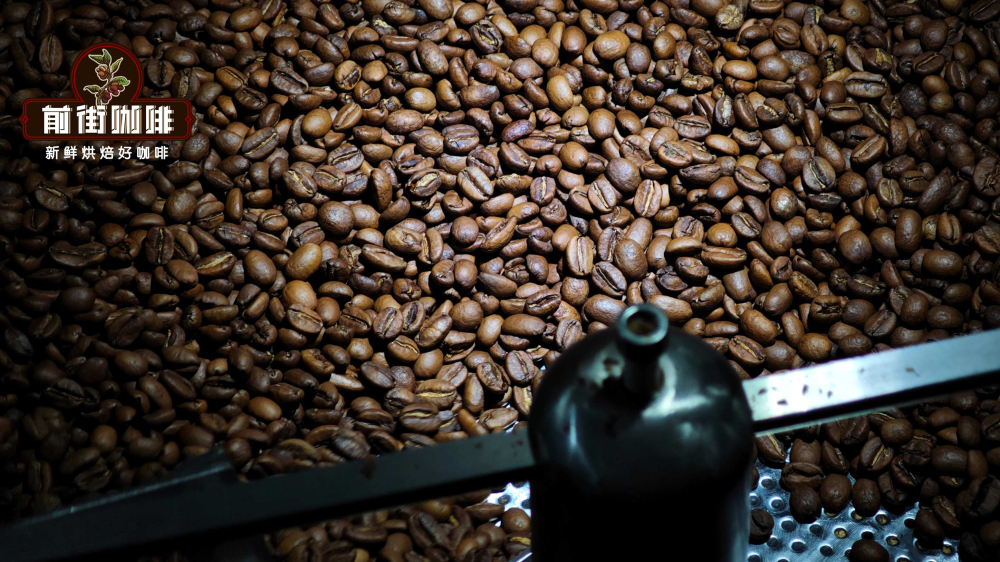
If you’re looking to choose beans suitable for use in a moka pot or fully automatic coffee machine, it’s recommended to go with medium to medium-dark roasts. These beans offer a balanced acidity-bitterness profile, stable extraction, and can fully showcase the coffee’s richness and aroma. They are ideal for everyday use and allow for easier control over extraction parameters.
The above content is compiled by CoffeeHunters, a coffee news website.


