








Introduction:Delve into the two classic processing methods of Ethiopian Yirgacheffe coffee beans—natural and washed—exploring everything from green bean processing techniques and flavor differences to pour over brewing tips. Learn how processing methods and extraction parameters can bring out unique citrus, berry, and honey notes. Whether you’re a beginner choosing beans or a coffee enthusiast fine-tuning your brew strategy, you’ll gain practical guidance.
When selecting coffee beans, in addition to considering origin and flavor profiles, the processing method is also a key factor influencing the final cup. Even Yirgacheffe beans from the same region can exhibit vastly different flavor profiles depending on whether they are washed or naturally processed. This article will provide a detailed analysis of the differences in these two processing methods, their impact on flavor, and expert-level pour over recommendations to help you better understand and enjoy the diverse charms of Yirgacheffe.
[Natural Processing Method: Craft and Characteristics]
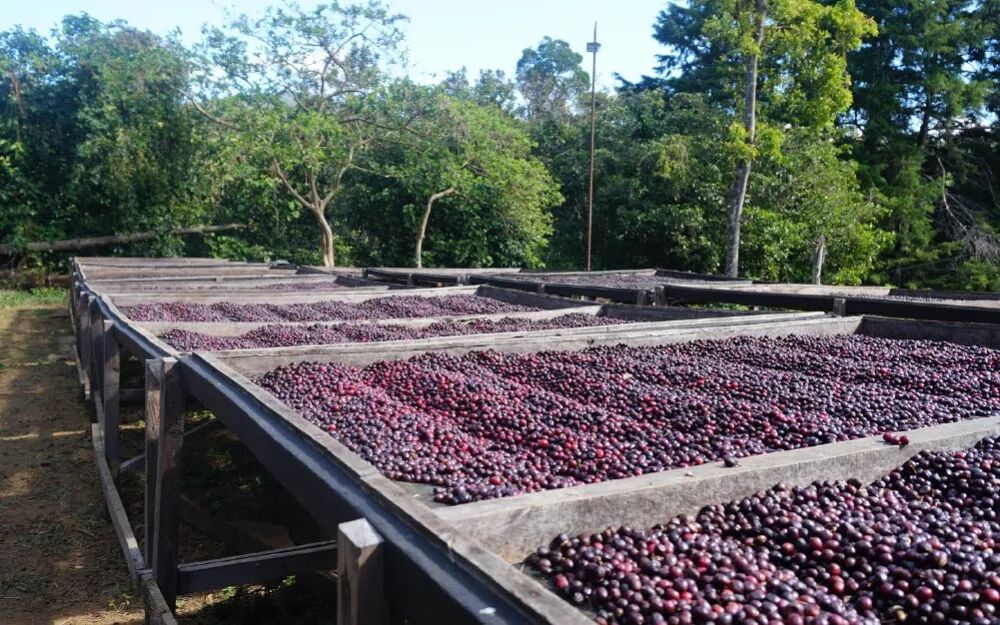
The so-called "natural process" involves harvesting fully ripe coffee cherries and placing them directly under the sun to dry naturally. Over the course of27 to 30 daysof drying, the sugars and aromas from the fruit pulp gradually seep into the bean core, imparting a richer sweetness and layered fermentation complexity to the coffee. This method is particularly well-suited to high-altitude regions with abundant sunlight, such as Ethiopia’s Yirgacheffe. While the traditional approach is simple, the uncontrolled drying environment can easily lead to issues like contamination or uneven fermentation.
To improve quality, the local "Red Cherry Project" was launched in 2007, with professional teams handpicking only100% red, ripe cherriesand implementing standardized drying procedures. Modern natural processing emphasizes manual sorting to remove defective beans and employs African raised beds or waterproof tarps to ensure even heat distribution and airflow, maintaining a stable moisture content at11%. Though the drying period is lengthy, it yields coffees rich in wine-like aromas, tropical fruit notes, and pronounced sweetness.
[Washed Processing Method: Process and Characteristics]
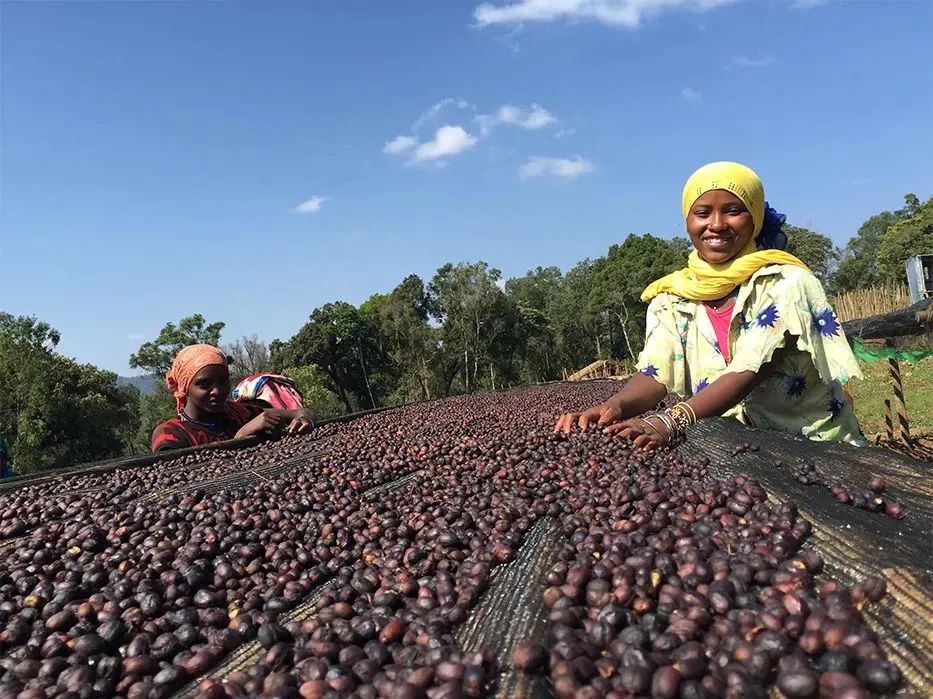
Compared to the natural fermentation of the natural process, the washed process relies on a precise and water-intensive technique. Since being introduced to Ethiopia from Central and South America in 1972, this method has become key to enhancing coffee clarity and bright acidity. The process begins by soaking coffee cherries in water to remove unripe or overripe fruits using buoyancy; the pulp and skin are then stripped away, leaving the parchment-covered beans to undergo18 to 36 hoursof mucilage breakdown in fermentation tanks, after which water is used to rinse away impurities and low-quality beans. Finally, the cleaned beans are spread out on raised beds to dry.
Although more costly, this process effectively highlights the intrinsic aromatic qualities of the beans, minimizes unwanted flavors, and brings out the world-renowned citrus and lemon notes of Yirgacheffe, along with delicate floral and tea-like characteristics. Washed Yirgacheffe has also been instrumental in establishing the region as a key player in the global specialty coffee scene.
[Flavor Comparison: Natural vs. Washed Yirgacheffe]
Under the same medium-light roast conditions, natural and washed Yirgacheffe exhibit distinctly different cupping profiles. The washed version (e.g., from the Gedeb Cooperative) often features bright dry aromas of passionfruit, citrus, and berries. On the palate, it delivers vibrant lemon acidity, berry sweetness, and tea-like nuances, with a honeyed sweetness lingering in the finish. The overall flavor profile is clean and well-layered, with lower body but exceptional freshness.
The natural version (e.g., Red Cherry Coffee), on the other hand, showcases richer berry acidity, sweet-tart flavors of ripe fruit, and honey-like sweetness. The mouthfeel is creamy-smooth, with abundant tropical fruit notes and a long, black-tea-like finish. Both share a common base of citrus and berry tones, but the washed version feels lighter and more vibrant, while the natural version is rounder, fuller, and more pronounced in its fermented aromas.

[Pour Over Brewing Tips and Parameter Settings]
To fully highlight the unique flavors of Yirgacheffe, it’s recommended to use92-93°Chigh water temperature andmedium-fine grind size (approximately 78% passing through a #20 sieve, similar to fine sugar granules). A grind that is too coarse may result in under-extraction and weak flavors, while one that is too fine risks over-extraction and bitterness when brewed at high temperatures.
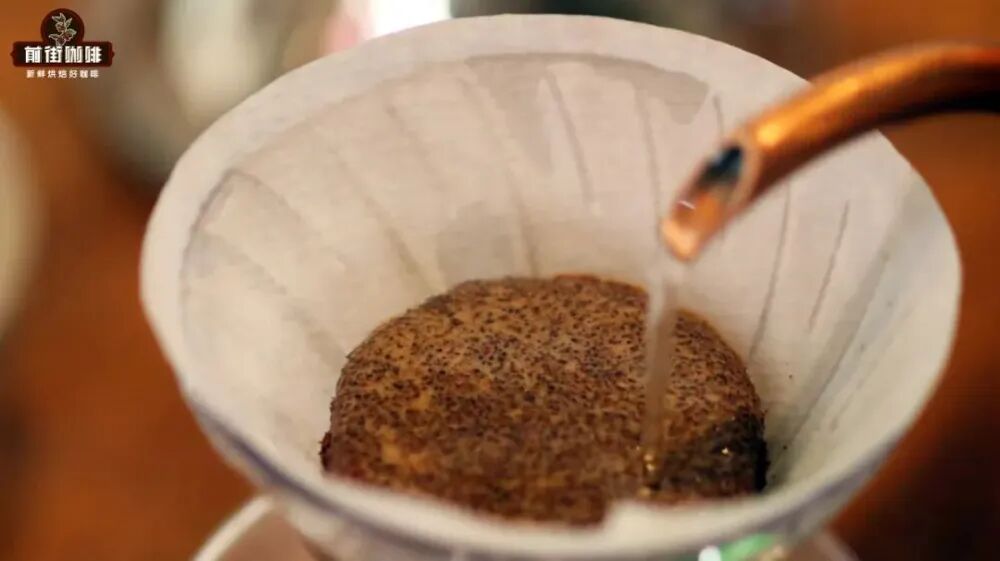
It is recommended to use a V60 filter cone forthree-pour brewingto fully showcase the aroma and flavor layers at different temperatures. The V60’s conical design and single large center hole allow for focused water flow and extended contact time with the coffee grounds. Its unique spiral ribs promote airflow and bed expansion, aiding in clear flavor release. If the pouring speed is too fast or the flow rate too high, extraction may become incomplete.

[Specific Pour Over Parameters and Steps]
Recommended coffee dosage:15g, with a coffee-to-water ratio between1:15 and 1:16—adjustable based on personal taste preferences. A lower ratio yields stronger flavors, while a higher ratio highlights aroma and sweetness. In practice, start with a bloom of roughly twice the coffee dosage (about 30ml) for30 seconds, followed by slow, circular pouring with a thin stream from the center outward to125g, then continue pouring until reaching225g, keeping the total brew time around2 minutes. After brewing, gently swirl the server to evenly distribute the coffee, then enjoy starting from the hottest temperature.

[Conclusion: Finding Your Ideal Yirgacheffe Flavor]
Whether naturally or washed processed, Yirgacheffe coffee beans offer exceptional flavor potential and distinctiveness. The washed version excels with its bright acidity and tea-like qualities, making it ideal for those who prefer clean, vibrant cups. The natural version, meanwhile, appeals to lovers of rounded, full-bodied flavors with its intense fruitiness, layered fermentation, and sweet finish. With the right knowledge of processing methods and pour over techniques, you can experience the diverse charm of Ethiopian coffee in every cup of Yirgacheffe.






The above content is compiled by CoffeeHunters, a coffee news website.

