







Introduction:As the birthplace of coffee, Ethiopia boasts numerous unique coffee-growing regions and processing methods. This article delves into the flavor profiles, key processing mills and cooperatives of the country’s nine premium coffee regions, and explores the origins and grading system of “Heirloom” heirloom varieties. Readers will gain a deeper understanding of why Ethiopian coffee is so diverse and highly acclaimed, along with practical knowledge for selecting high-quality beans.
Known as the cradle of coffee, Ethiopia is beloved by both novice coffee drinkers and seasoned enthusiasts alike. Renowned regions such as Yirgacheffe are especially praised for their bright acidity, honey-like sweetness, and clean cup profile. However, the charm of Ethiopian coffee lies not only in its flavors but also in its remarkable diversity and complex regional structure.
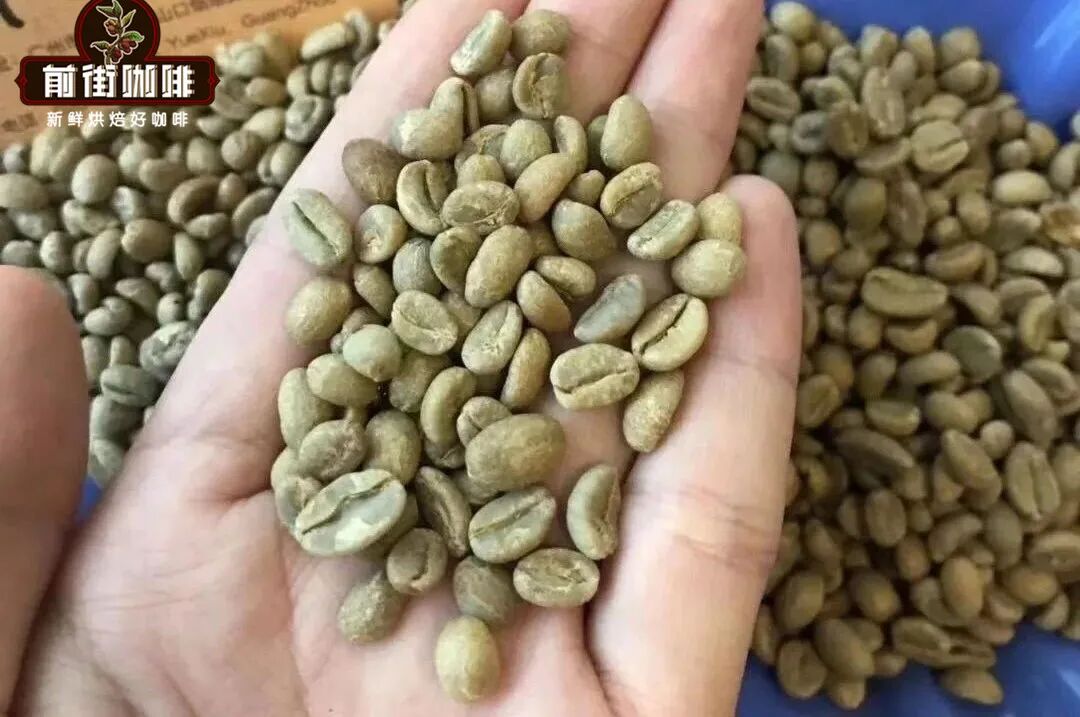
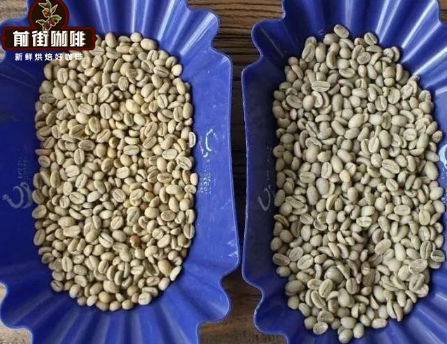
Many people notice the inconsistent bean size when encountering Ethiopian coffee, which actually stems from the country’s abundance of unsorted heirloom varieties. These collectively referred to as “Heirloom” coffee varieties encompass nearly 2,000 different plant types—1,927 of which are native to Ethiopia and 128 are introduced from abroad. With such a vast number of varieties and long-term natural crossbreeding, the government has chosen not to fully disclose detailed varietal information in order to protect this unique genetic resource. This also contributes to the unpredictable and varied flavor profiles of Ethiopian coffee.
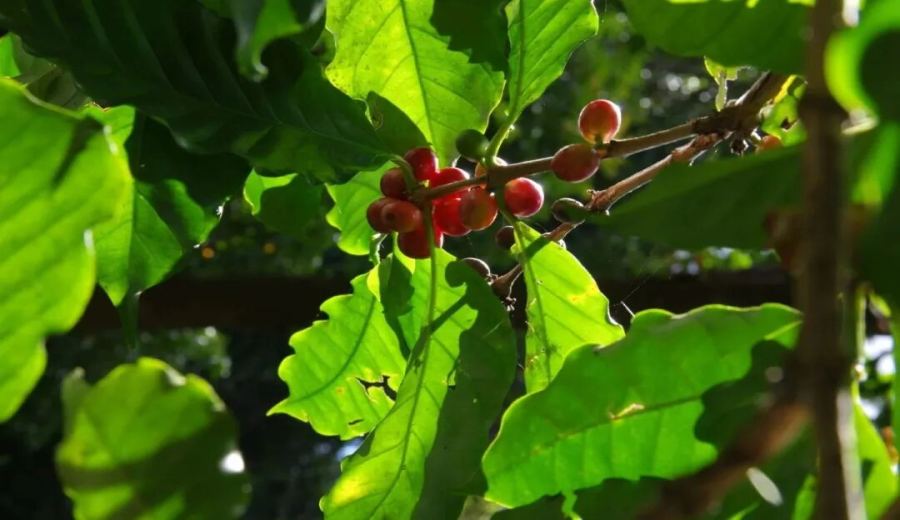
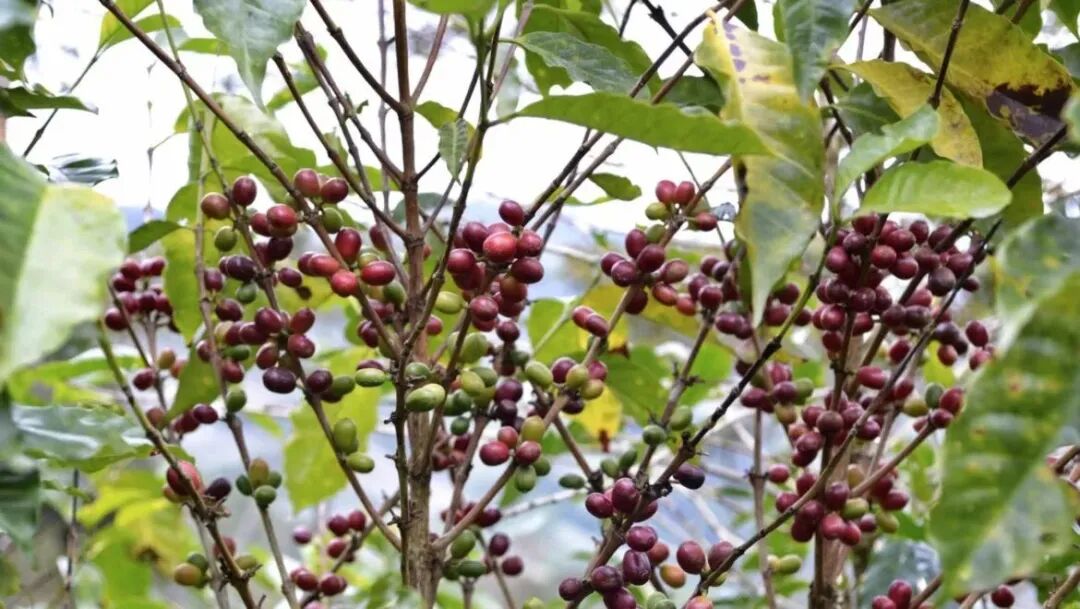
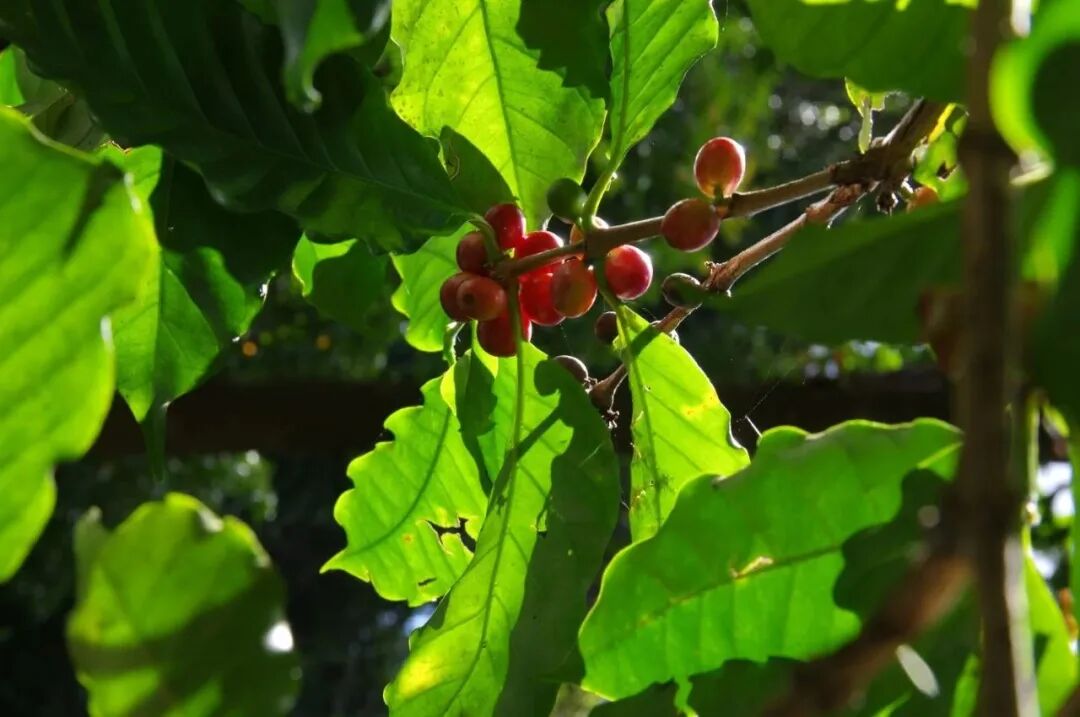
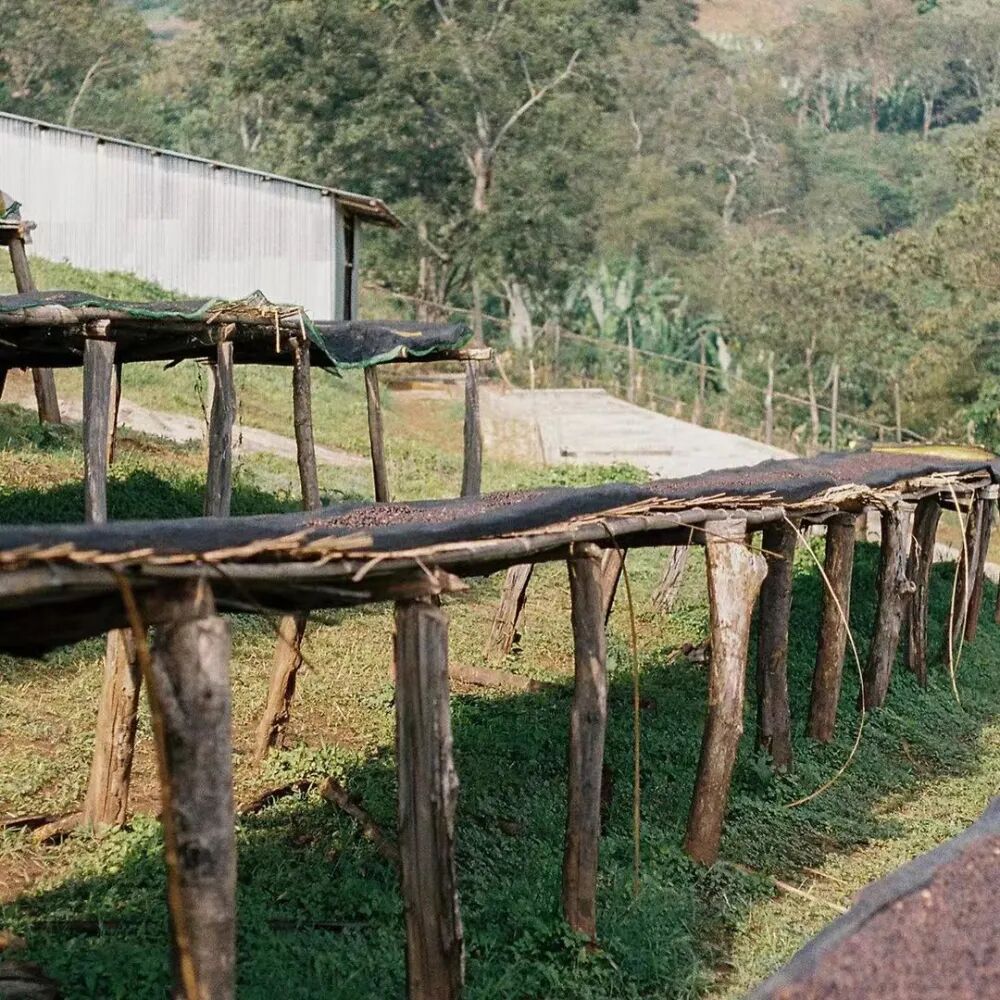
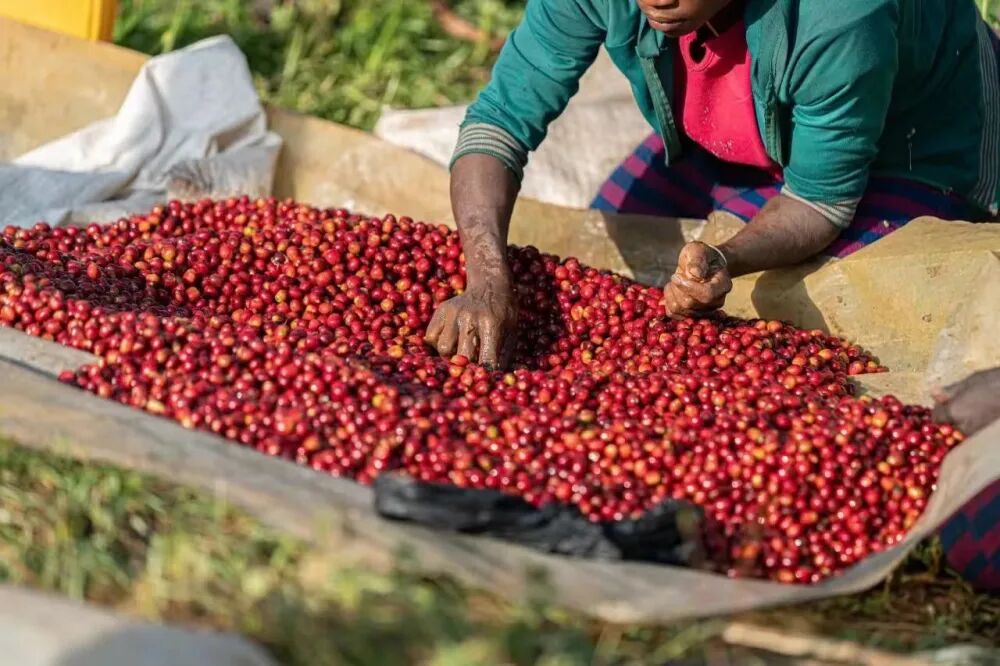
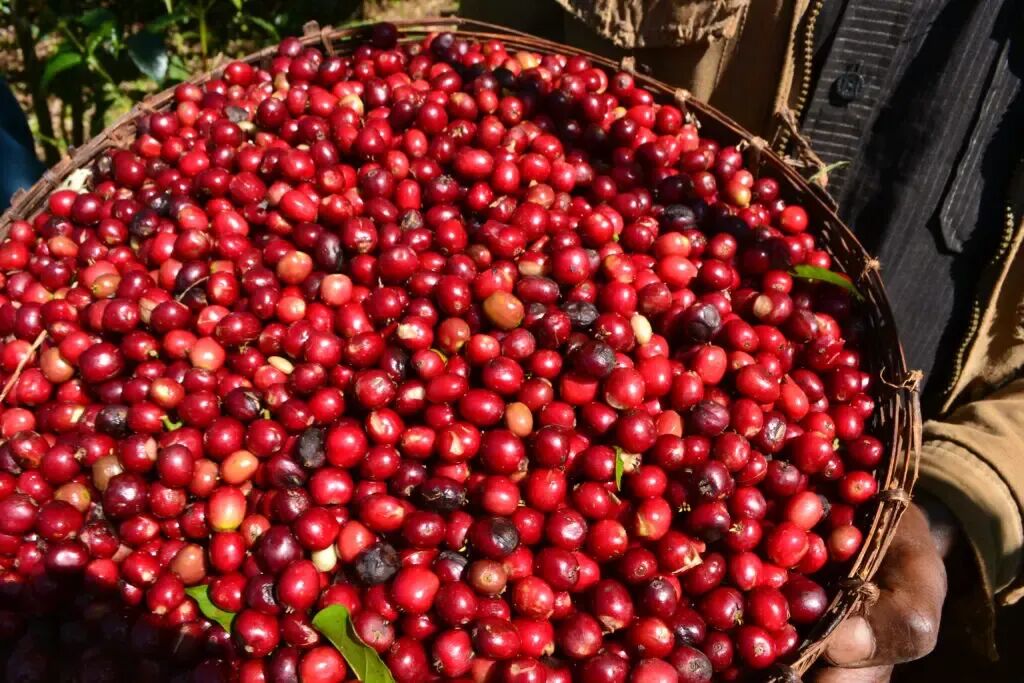
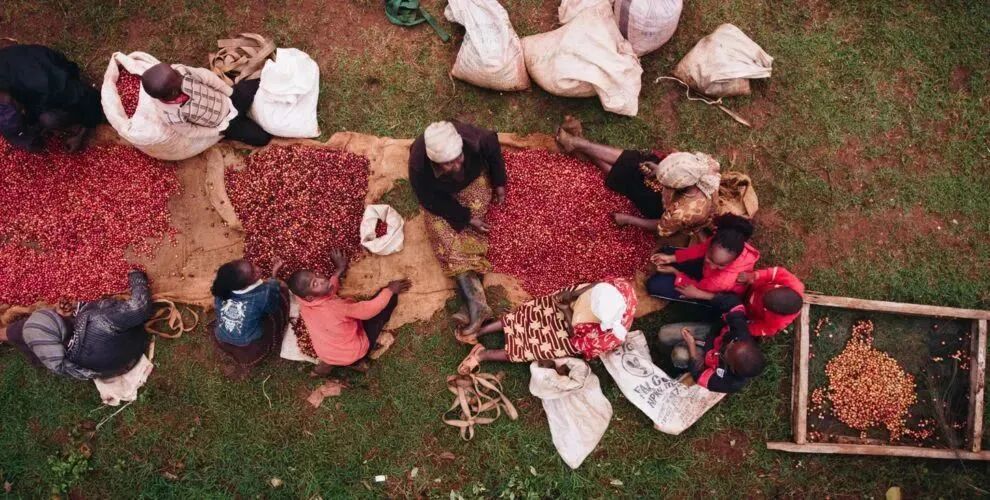
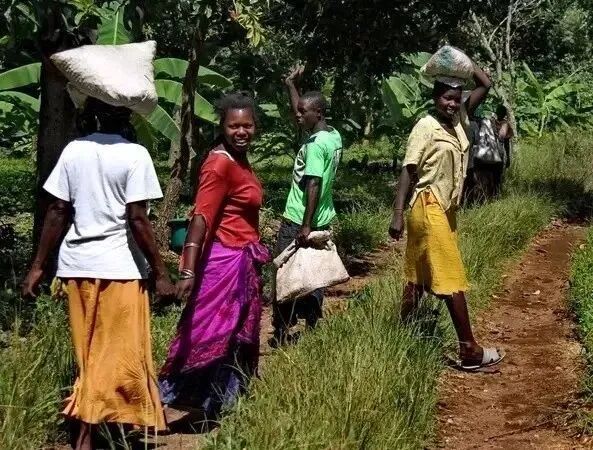
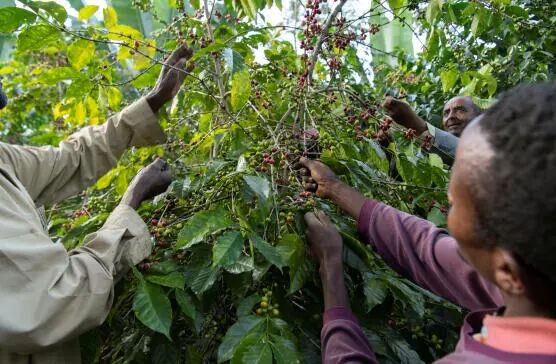
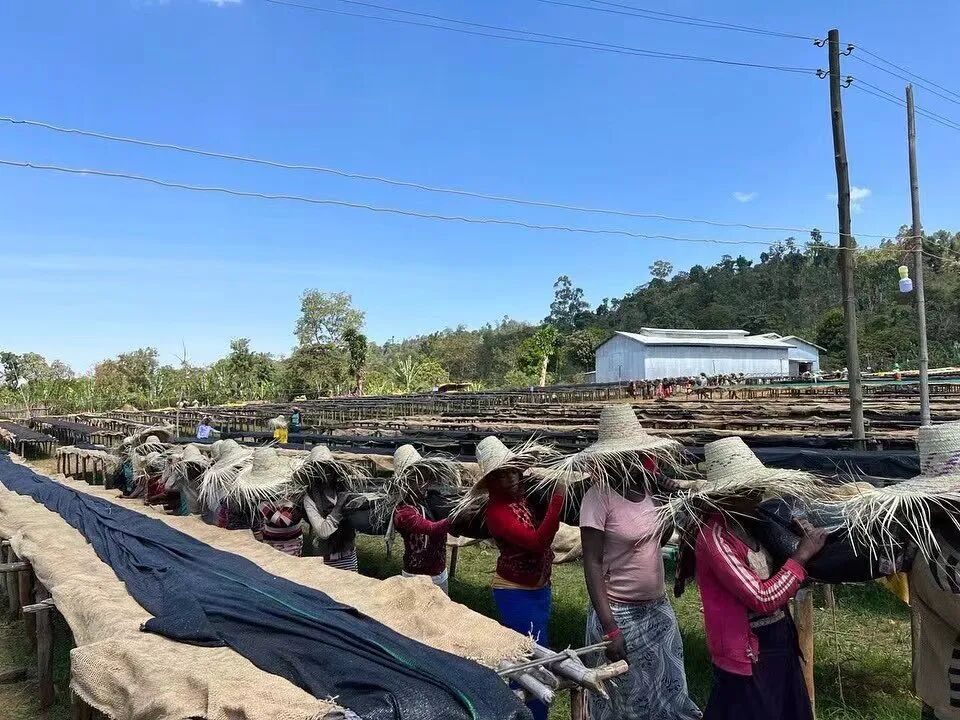
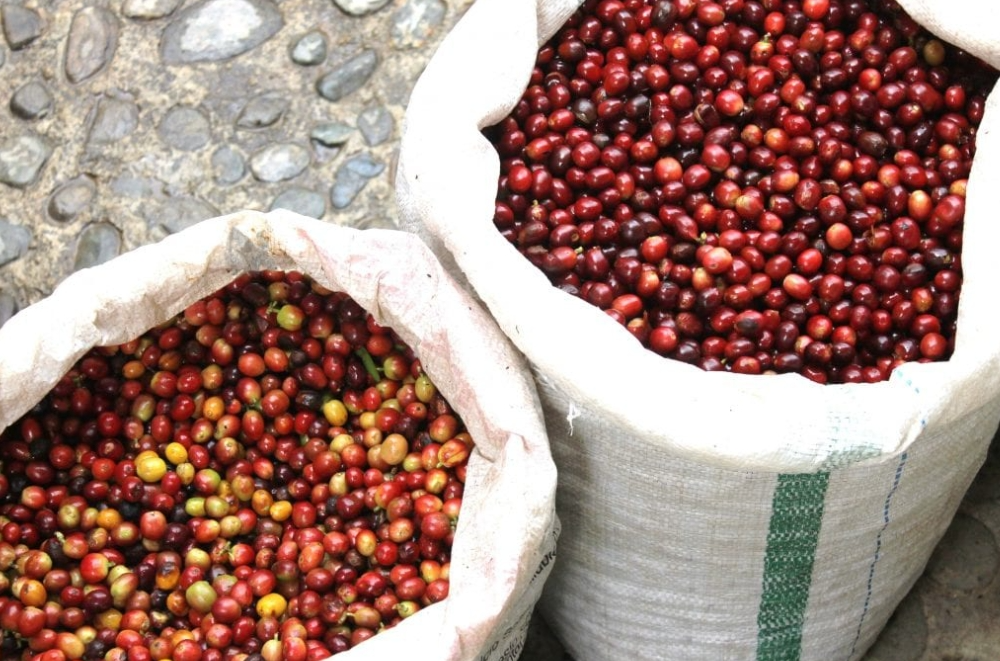
In terms of cultivation and harvesting, Ethiopian coffee is often grown semi-wild or entirely wild in forests, backyards, or fields. Local farmers typically cultivate multiple varieties simultaneously and harvest them together when the cherries ripen. This natural intercropping results in a single batch of coffee potentially containing several different varieties, thus forming the unique foundational flavor profile characteristic of that region.Shade-Grown Coffeeis a common cultivation method, where tall crops like bananas provide shade for coffee trees. This not only helps maintain ecological balance but also effectively suppresses pests and diseases.
Interestingly, although Ethiopian coffee comes in a wide variety of types and appearances—from elongated beans to small round ones—these beans are often selectively bred, graded, and standardized after leaving their origin to meet commercial demands. In contrast, neighboring Kenya introduced exclusive varieties like SL28 and SL34 as early as the 20th century and established a grading system based on bean size (such as AA and AB). This further highlights the more traditional and natural characteristics of Ethiopian coffee.
The term “single-origin coffee beans” refers to coffee from a single region, not necessarily a single variety. Even in Ethiopia, many coffees are harvested and processed from multiple varieties, yet as long as they come from the same origin, they can still be classified as single-origin. For example, a classic washed Yirgacheffe Konga is a representative of the Yirgacheffe region.
Ethiopia’s nine premium coffee regions each have their own distinctive features:Yirgacheffe(elevation 1,800–2,000 meters) is famed for its citrus, lemon acidity, and jasmine floral notes, often regarded as synonymous with premium Ethiopian coffee.Sidamo(elevation 1,400–2,200 meters) offers bold and aromatic profiles, making it a top choice for those who enjoy intense fruitiness without sacrificing balance.Limu(elevation 1,200–2,000 meters) is known for its grassy notes and molasses-like tones, primarily exported to European and American markets. Other regions such as Harrar, Gimma, and Illubabor also showcase their own unique regional characteristics and processing styles.
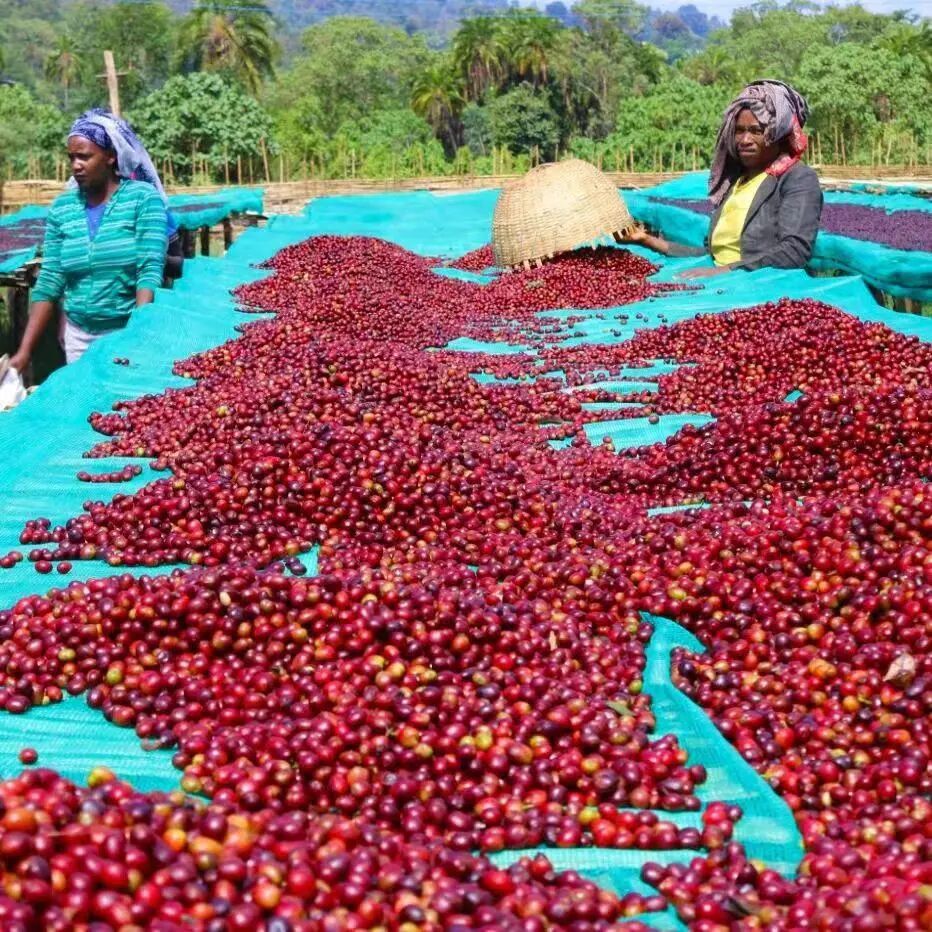
Regarding processing and trading systems, Ethiopia mainly conducts coffee auctions and grading through the ECX (Ethiopian Commodity Exchange), which divides coffee into three major export systems: private processing mills, cooperatives, and single farms. Among these, cooperatives and single farms offer higher traceability and clearer product pedigrees. The ECX acts as a distribution hub, ensuring price stability, transparent grading, and providing real-time trading information.
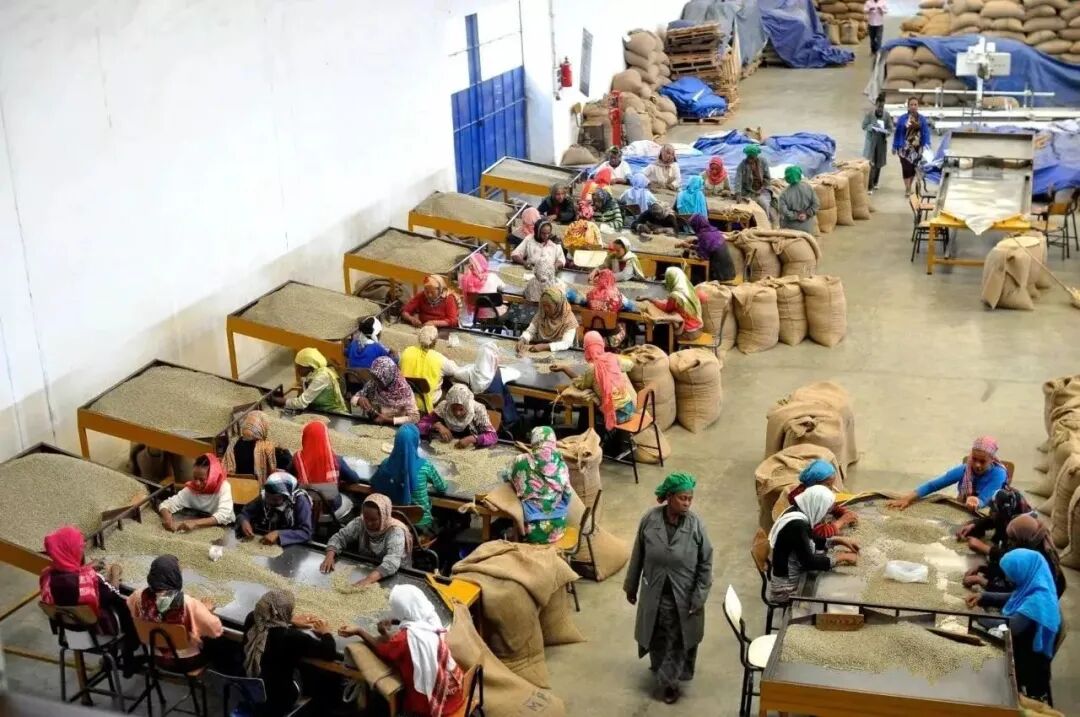
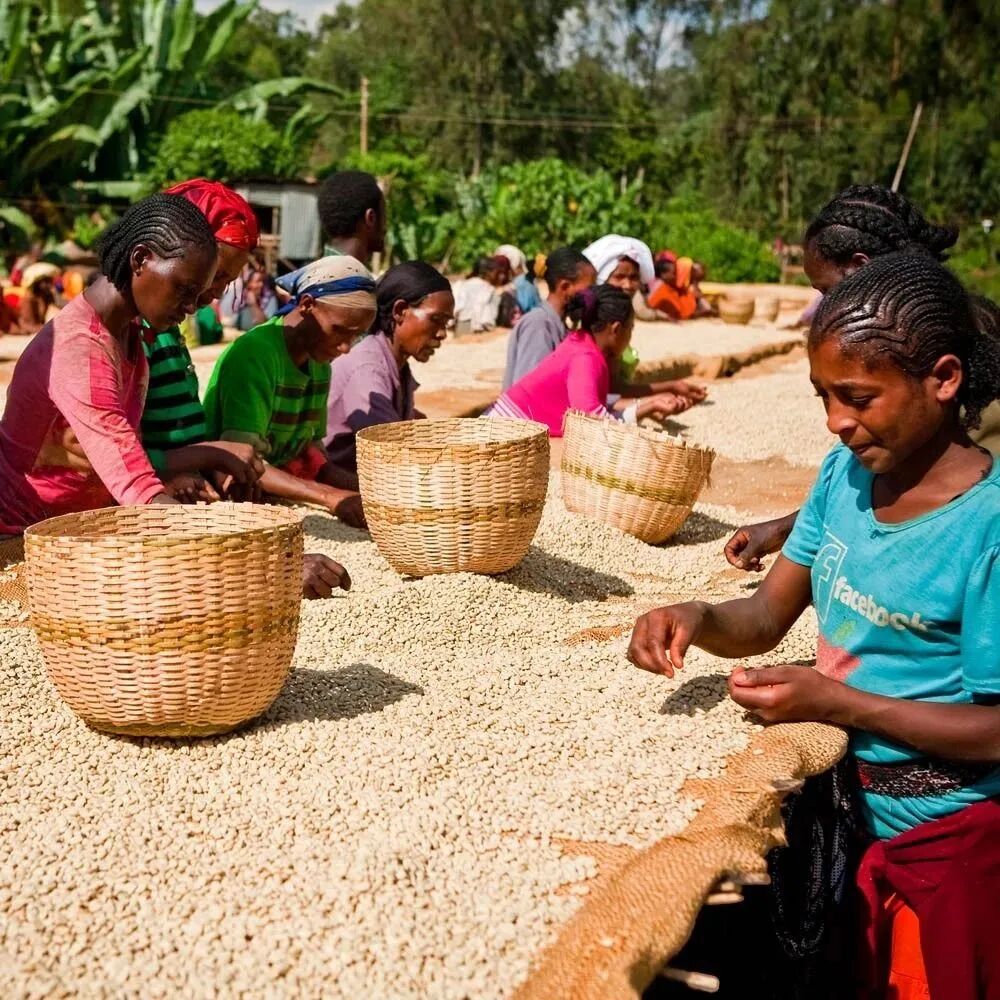
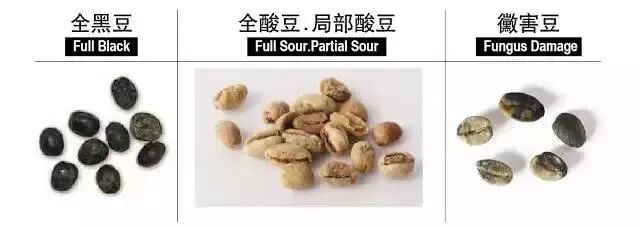
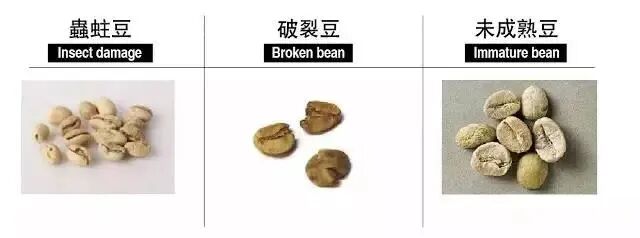
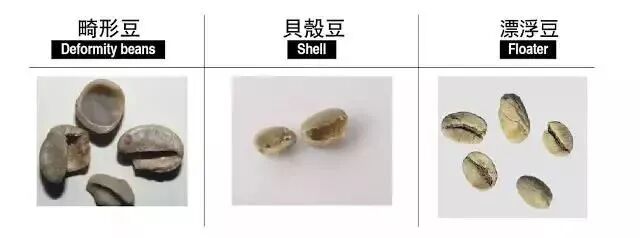
Ethiopian coffee is graded using the letter “G,” with five main grades (plus the newly introduced Z grade). The lower the number, the lower the defect rate and the higher the quality. Washed G1 beans typically contain only 0–3 defective beans per 300 grams, while natural/dried beans have also gradually begun to achieve G1 grades in recent years, breaking the previous limitation of only G3. Additionally, defective bean types include fully black beans, sour beans, and mold-damaged beans—all of which directly impact the final cup profile.

Ethiopia’s coffee production and processing network is highly decentralized, with over 90% of coffee coming from smallholder farms, each averaging no more than 4 hectares in size, mostly cultivated at elevations between 1,000 and 2,300 meters. Many coffee beans are processed centrally by local mills or cooperatives before being sent to auction markets. This explains why many Ethiopian coffees are named after the processing mill or cooperative, and even the same batch of beans may exhibit diverse flavor profiles due to differing varietal origins.
In summary, the allure of Ethiopian coffee lies in its rich genetic diversity, varied regional terroirs, and the coexistence of traditional and modern processing methods. For coffee enthusiasts, understanding the characteristics of these regions and mills can help more precisely select beans that match personal taste preferences and further explore the boundless possibilities of the coffee world.






The above content is compiled by CoffeeHunters, a coffee news website.

