







Introduction:Understanding coffee processing methods is the first step in appreciating specialty coffee. This article provides an in-depth analysis of four common processing methods — natural (sun-dried), washed, honey, and pulped natural — covering their technical processes, drying methods, and flavor characteristics. It helps you understand how different processing methods influence a coffee’s sweetness, acidity, and body, further enhancing your ability to discern flavors and make informed coffee bean selections.
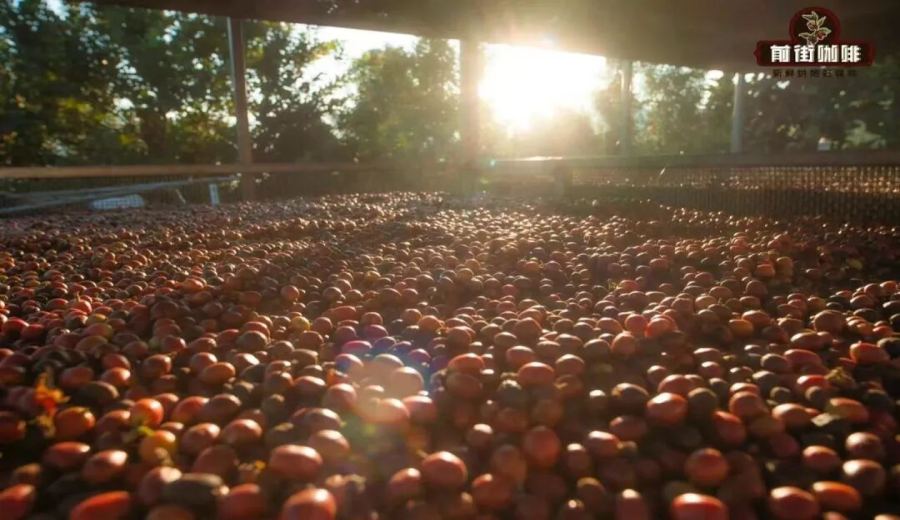
The so-called natural (sun-dried) processing method involves spreading freshly harvested coffee cherries directly on specialized drying racks, concrete surfaces, or patios. Through natural sun exposure, the moisture inside the fruit gradually evaporates. This process typically takes two to three weeks until the moisture content drops to a safe range of about 11% to 12%. Once the moisture level is appropriate, the dried pulp and skin are mechanically removed, leaving behind the green coffee beans inside. The biggest advantage of this method is that it does not rely on large amounts of water and can be operated as long as there is sufficient sunlight, making it not only one of the oldest methods but also one of the most cost-effective.
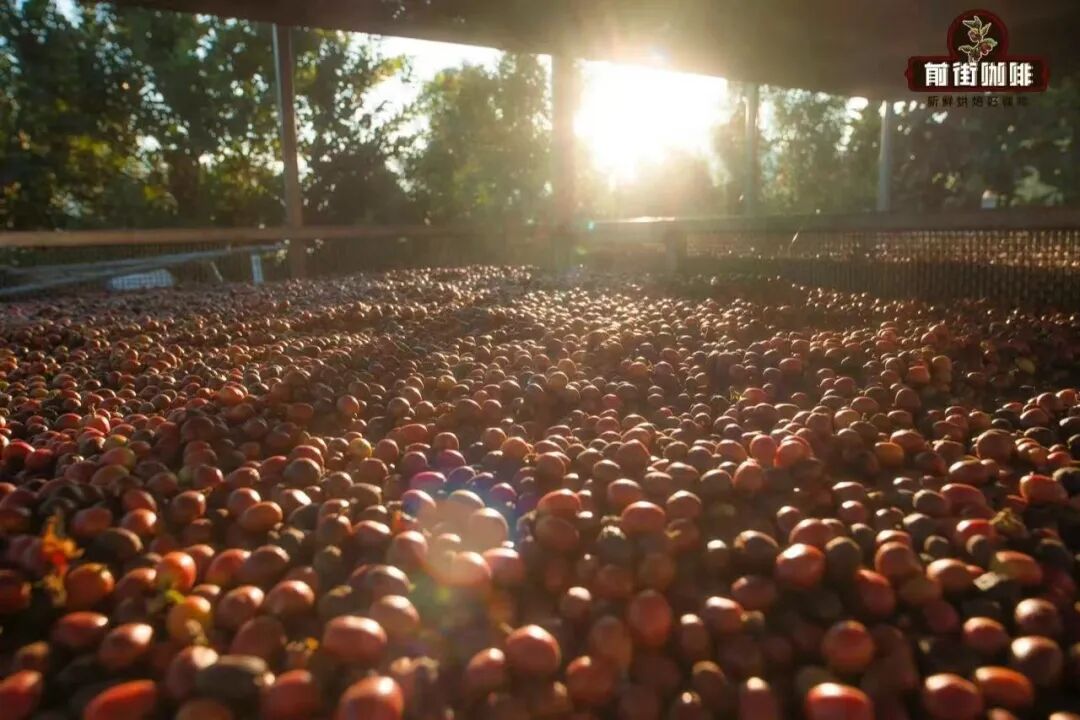
Due to its low technical barrier, almost any smallholder coffee farmer can perform natural processing on their own, although many professional processing stations also collect coffee cherries from surrounding regions for centralized processing. However, precisely for this reason, the quality of natural coffee can vary greatly. High-quality natural processing involves carefully selecting fresh coffee cherries in the initial stage, removing unripe, overripe, visibly defective cherries, and even foreign objects such as stones — steps that significantly impact the final flavor. In addition, to avoid contamination and abnormal fermentation, natural drying often uses elevated drying beds to prevent the coffee cherries from directly touching the ground, reducing interference from dust, insects, and bacteria. During the drying period, manpower is also required to regularly turn the cherries and promptly remove any moldy, insect-infested, or cracked fruits to ensure uniform drying and avoid negative influences. Some meticulously processed natural beans often exhibit intense tropical fruit aromas, distinct fermentation layers, and sweet aftertastes.
The biggest difference compared to washed processing is that the washed method first completely removes the outer flesh and skin of the coffee bean, leaving only the inner seed to dry, whereas the natural method retains the complete coffee fruit structure — that is, the fruit is dried with the pulp still attached. Because the sugars and other compounds in the pulp have ample time to penetrate the seed, natural coffee usually displays richer sweetness, a fuller body, and stronger fruit notes, often resulting in more intense and complex overall flavor profiles.
In addition to traditional washed and natural methods, many producing regions have developed hybrid processing methods based on local climate and resource conditions. For example, Brazil’s pulped natural method is one of the most representative examples. This processing method was developed in the 1990s by Brazilian coffee research institutions based on the region’s dry and low-rainfall climate characteristics. Its approach involves removing the outer skin and part of the pulp of the coffee cherry, retaining a thin layer of mucilage, and then placing it directly under the sun to dry for 1 to 3 days, followed by mechanical drying to reduce the moisture content to 12%, before moving on to the maturation stage. By saving a significant amount of water and shortening the processing time, pulped natural not only reduces the risk of off-flavors during processing but also effectively enhances the overall quality and stability of the coffee beans.

In practice, coffee beans processed using the pulped natural method often exhibit mellow and rounded notes such as chocolate, caramel, cream, and peanuts, along with good body, making them a favorite among many espresso enthusiasts. For instance, some coffee beans from Brazil’s Cerrado region, when processed using this method, can deliver these classic flavor characteristics along with approachable taste profiles.

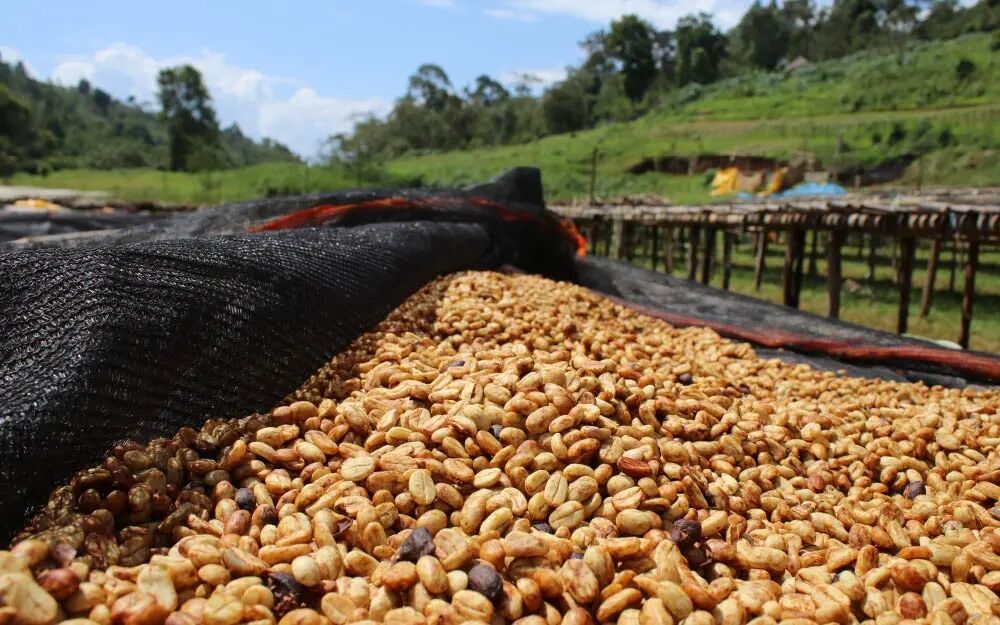
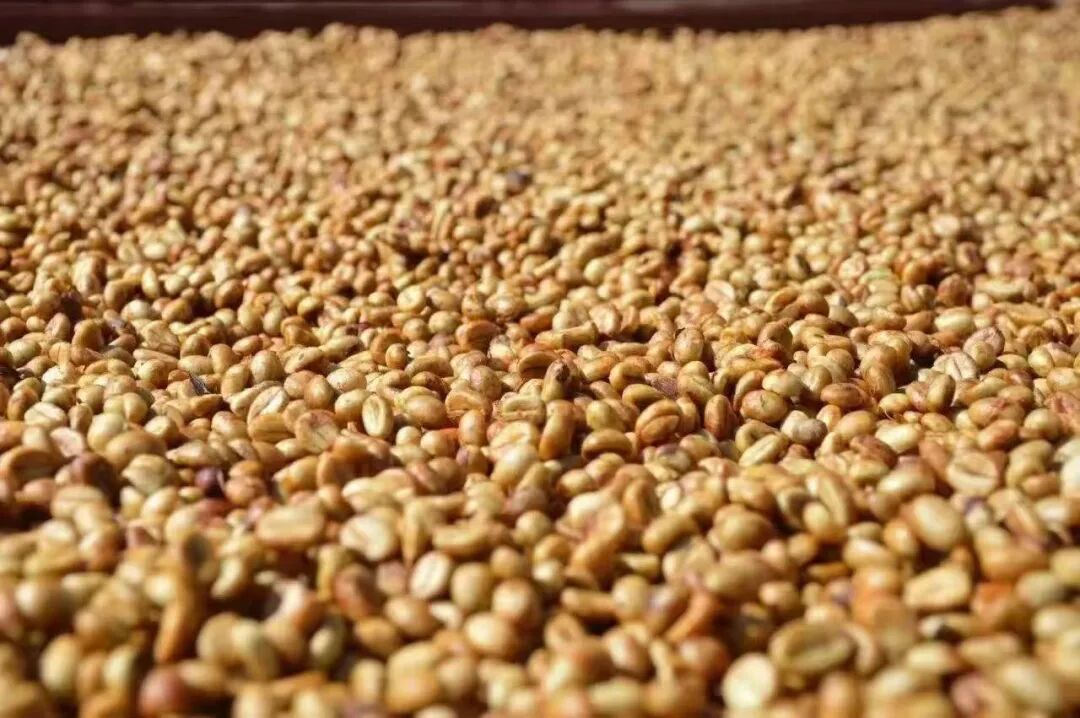
Honey processing is another coffee processing method that has garnered considerable attention in recent years, especially widely used in Central and South America as well as some Asian producing regions. The initial steps of this method are similar to the washed process: first, the freshly harvested coffee cherries are placed in a water tank for flotation, where unripe cherries and impurities are removed using buoyancy principles. Then, a pulper is used to remove the outer skin. However, unlike the washed method, honey processing does not immediately rinse away the sticky mucilage layer adhering to the surface of the seed. Instead, this sugar-rich, viscous substance is retained, and the beans are then placed directly on drying beds to dry. The name “honey processing” comes from the fact that the mucilage resembles honey in both color and texture.
The benefit of honey processing is that it avoids the issues of over-fermentation or defective flavors caused by prolonged sun exposure in the natural method, while also not requiring the large amounts of water and related equipment needed in the washed method. As a result, it is particularly popular in regions with limited water resources. In addition, because the natural sugars in the mucilage can penetrate the seed, honey-processed coffee often presents tropical fruit sweetness, bright acidity, and a smooth mouthfeel during cupping. For example, some honey-processed coffees may feature intense notes of purple grape, rose floral, and citrus-like acidity, with a distinct and impressive flavor profile.
In summary, different coffee processing methods are not just technical differences but directly influence the final flavor profile of the coffee. The natural method brings intense fruit aromas and high sweetness, the washed method offers clean acidity and a crisp mouthfeel, the honey method combines the sweetness of mucilage with a fresh profile, and the pulped natural method retains body while reducing resource consumption. Understanding the characteristics of these processing methods will help coffee enthusiasts choose beans more purposefully according to their flavor preferences, further enjoying the diverse charm of coffee flavors.

The above content is compiled by CoffeeHunters, a coffee news website.

