







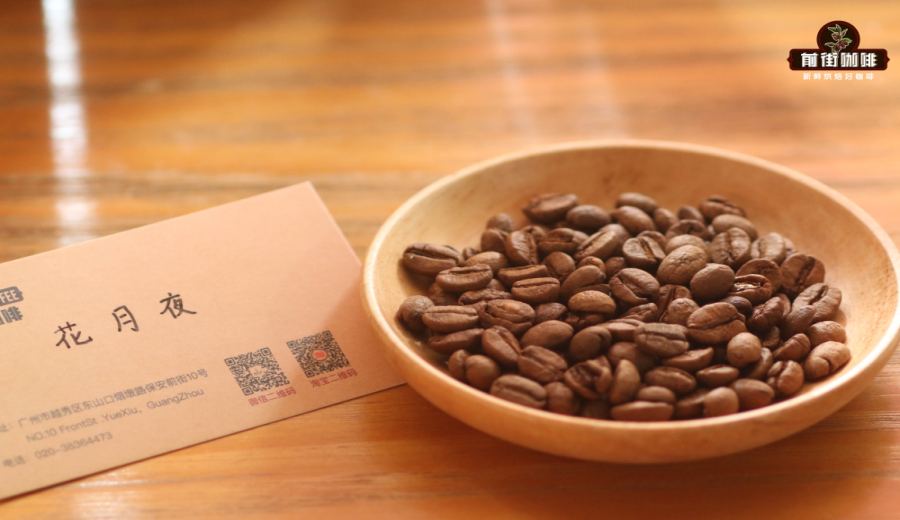
Introduction:Anaerobic fermentation has become a hot topic in the specialty coffee scene in recent years. From WBC competitions to renowned coffee-growing regions, how does this innovative process change the flavor of coffee? This article delves into the principles of anaerobic fermentation and compares the differences among three mainstream processing methods—anaerobic natural, anaerobic washed, and double anaerobic—to help you understand how fermentation environment, temperature control, and timing influence the final cup’s sweetness, acidity, and aromatic complexity.
Anaerobic fermentation (Anaerobic Fermentation) has gained significant traction in the specialty coffee world, a trend that was first popularized by 2015 World Barista Champion and Australian competitor Sasa Sestic. That year, five out of the top six competitors in the competition used anaerobically processed beans, underscoring its uniqueness. This technique controls the fermentation environment to deliver unprecedented flavor dimensions in coffee.
In the green coffee processing journey, fermentation is a key stage that influences flavor, mainly divided into two types: aerobic and anaerobic.The biggest advantage of anaerobic fermentation lies in its high level of environmental controllability.Compared to traditional aerobic fermentation, which is easily influenced by variables such as temperature and humidity, the anaerobic environment allows for more precise regulation of pH levels, sugar breakdown rates, and microbial activity, thereby creating a richer flavor spectrum.
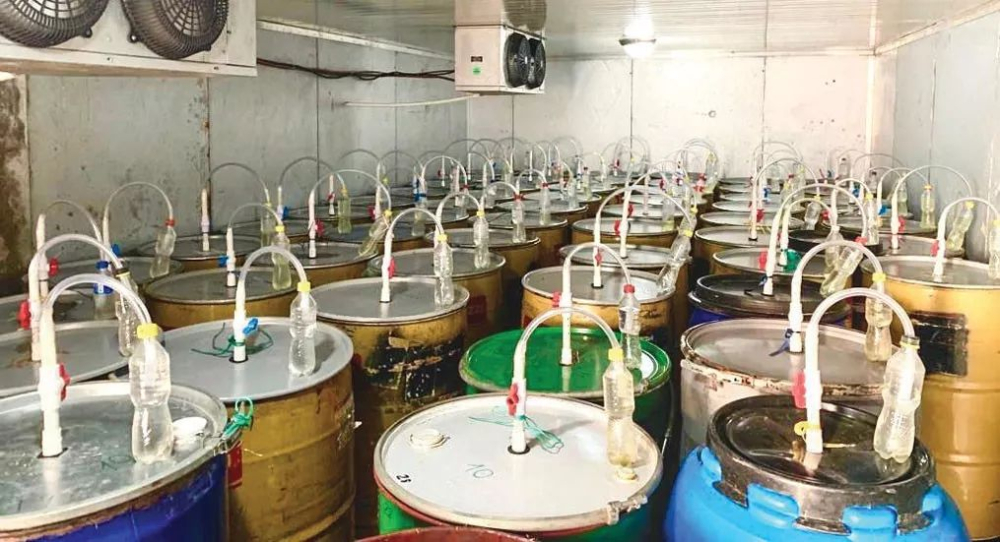
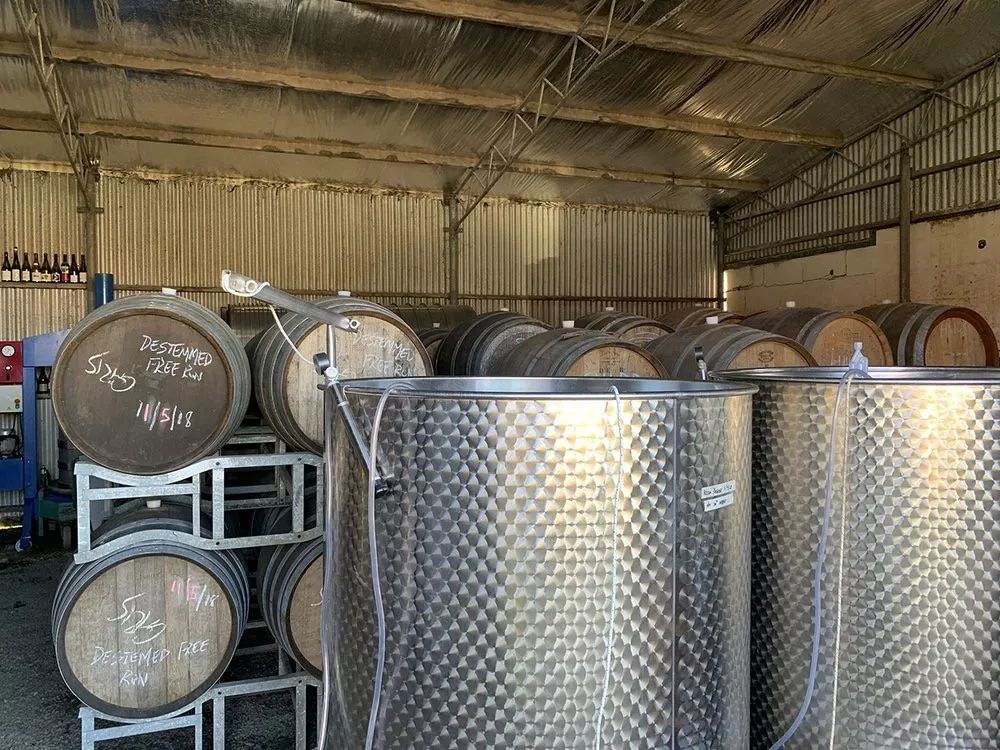
The technique of anaerobic fermentation draws inspiration from winemaking and is also known as carbonic maceration. During processing, whole coffee cherries are placed into a sealed metal tank, and carbon dioxide is injected to displace oxygen, creating an oxygen-free environment.This process slows down the breakdown of pulp sugars and stabilizes the rate of pH decline,ultimately enhancing the coffee's sweetness and developing a unique aromatic profile. The principle is similar to how wine achieves soft fruitiness and complex layers under low-oxygen conditions.
The championship coffee Sasa Sestic used in the 2015 WBC came from the Geisha variety grown at La Esperanza Estate in Colombia, using a special anaerobic process: mature coffee cherries were placed in a stainless steel sealed container with carbon dioxide injected to remove oxygen,and the fermentation process was strictly monitored in terms of temperature (typically maintained at 10–15°C), pH, humidity, and microbial population,successfully extracting extreme sweetness and well-balanced flavors.

Although the current anaerobic processing methods on the market originate from the same concept, practices vary significantly between processing facilities, and there is yet to be a unified standard. Common variations include anaerobic natural, anaerobic washed, and double anaerobic. These techniques mostly build upon basic anaerobic fermentation with added innovations, combining different drying or depulping methods to create diverse flavor expressions.
The anaerobic natural process involves placing harvested coffee cherries into a sealed barrel for low-temperature fermentation (recommended temperature range: 10–15°C). The anaerobic environment slows the breakdown of pulp and pH changes, extending the fermentation time to accumulate sweet compounds. After completing over 72 hours of anaerobic fermentation, the cherries are then moved to a drying field for sun-drying, and the outer fruit layers are eventually removed to obtain the coffee beans. This method gives the coffee a pronounced ripe fruit acidity and sweetness, along with fermented aromas. For example, Colombian Huayuanye is processed this way, exhibiting flavors of cranberry, strawberry jam, liquor chocolate, and a creamy body.
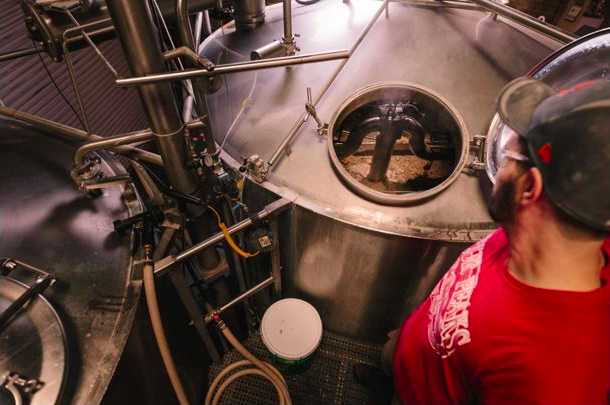
The anaerobic washed process starts with 12 hours of dry fermentation of freshly picked coffee cherries, followed by mechanical removal of the skin and pulp. The mucilage-covered beans are then placed in a sealed fermentation tank for 24–48 hours of anaerobic treatment.This stage requires strict control of temperature and pressure to promote the activity of specific microorganisms,after which it undergoes the conventional washed and drying procedures. This method enhances the fruity and sweet characteristics. For instance, Colombian Rose Valley beans, after anaerobic washing, release distinct peach and rose floral notes when brewed using pour over.

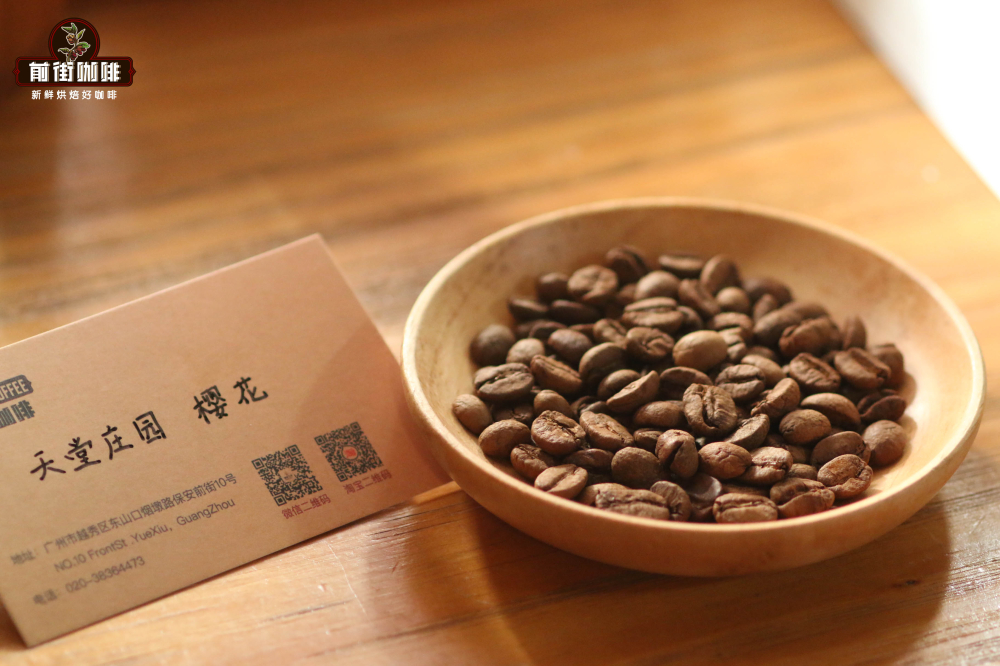
Double anaerobic washed is an even more complex process. Immediately after harvest, the coffee cherries undergo a first stage of anaerobic fermentation, followed by removal of the skin and pulp, with the beans still covered in mucilage placed into a second anaerobic environment for a second fermentation phase.These two rounds of anaerobic treatment deepen the flavor complexity and balance the acidity-sweetness ratio,before the beans are moderately dried to reach a moisture content of 11%. Colombian Paradise Estate Sakura beans are processed this way, showcasing a delicate combination of spice tea, citrus, dark cocoa, and mint.
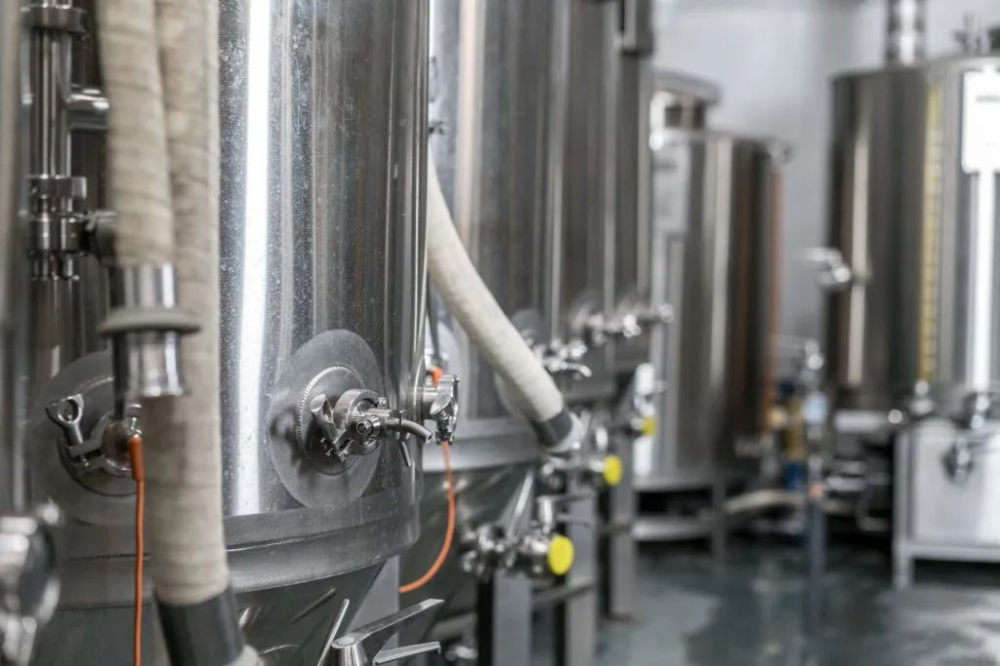
It’s worth noting that anaerobic fermentation demands strict requirements for equipment and technique, including sealed containers, gas injection systems, temperature monitoring devices, and other infrastructure. Moreover, fermentation parameters need to be adjusted according to bean variety, local climate, and desired flavor profiles.Over-fermentation or loss of environmental control can lead to defective flavors, such as overripe pulp or moldy notes.Therefore, professional processing facilities usually deploy multiple sensors and are monitored throughout the entire process by experienced technical teams.

The above content is compiled by CoffeeHunters, a coffee news website.


