







Introduction:Want to understand how the washed processing method affects coffee flavor? This article provides an in-depth analysis of the washed coffee production process, core characteristics, and compares it with natural (sun-dried) processing. It also offers practical pour over recommendations for washed beans, including grind size, water temperature, brew ratio, and technique, helping you brew a layered washed coffee—especially suitable for coffee lovers who enjoy bright acidity from origins like Kenya and Panama.
Not long ago, a customer who frequently purchases washed coffee asked us why, despite trying many washed beans, they couldn’t achieve the layered flavor they desired at home and hoped for some specific advice. This led us to think: what exactly is special about washed coffee, and how should it be brewed to bring out its potential? In the following, we will comprehensively introduce the washed processing method, analyze its flavor characteristics, and provide useful pour over tips.
What is washed processed coffee?
The so-called "washed processing method," known in English as Washed Process, is also called in the producing regions Wet Process, meaning "wet processing." Structurally, a coffee cherry consists from the outside in of skin, pulp, mucilage, parchment, and finally the green bean—the part we ultimately grind and brew.
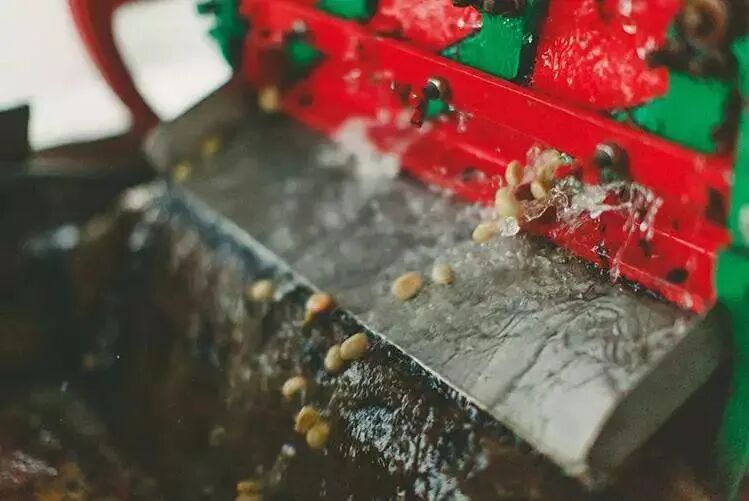
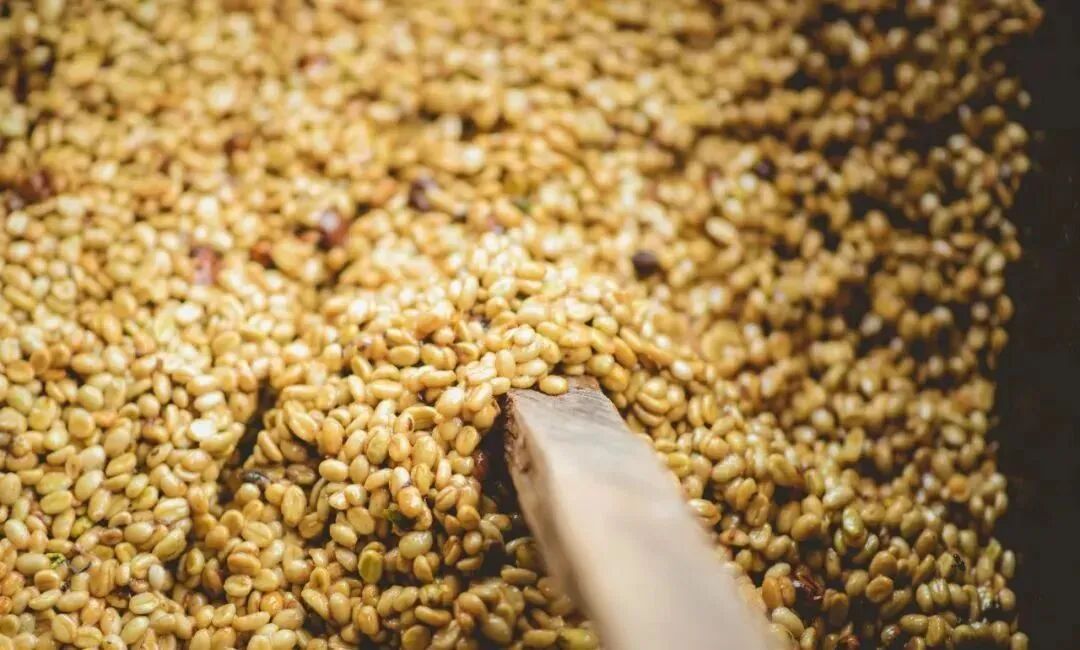
Traditional washed processing procedures are relatively clear and standardized: first, defective beans are removed, then machines strip away the outer skin and pulp, followed by placing the mucilage-covered beans in water tanks for fermentation. The remaining mucilage is then rinsed off, and the beans are dried and the parchment layer is removed before packaging. Some regions, like Kenya, even employ a so-called “double washed” technique, using multiple washing steps to ensure more thorough mucilage removal.
The original intention behind the development of washed processing was to enhance the stability and consistency of coffee quality, facilitating large-scale production and ensuring commercial benefits. To this day, it remains one of the most common and popular processing methods worldwide. Many renowned specialty beans from various origins—such as Guji, Yirgacheffe, Green Tip, and even those from the Kilimanjaro region—often feature washed processing.
What are the unique flavor characteristics of washed coffee?
The key to washed processing lies in "cleanliness." Since the mucilage is completely removed during fermentation and washing, the green bean ferments in an environment almost "free from pulp interference." As a result, the final coffee usually exhibits higher "purity," with a clear flavor profile and fewer off-notes.
Also, because there’s less complex aroma contributed by pulp fermentation, washed coffee tends to express more of the inherent characteristics of the variety and origin, rather than fermentation layers. For instance, commonly seen washed Guji has a bright citrus tone, washed Kenyan often features a tomato-like tangy sweetness, while washed Panamanian Geisha is known for its elegant white floral notes and delicate nuanced tones. However, many beginners often mistakenly believe that "washed beans are always more acidic than natural beans."
In fact,acidity levels are mainly related to roast degree, not the processing method itself. For example, if you roast a typically full-bodied Golden Mandheling to a first crack exit roast, it can also exhibit strong acidity—it all depends on the roaster’s design. Additionally, since natural processing involves drying the fruit together with the pulp and skin, the fermentation is more diverse, often yielding richer and more complex aromas such as tropical fruits, wine, candied fruit, and brown sugar. One experiment compared washed Panamanian Geisha and natural Colombian Geisha using identical extraction parameters, and the results showed that although the natural version had sweeter and more enticing aromas, the actual acidity upon tasting was significantly stronger.

What pour over setups suit washed coffee beans?
The most captivating aspect of washed coffee is its clarity and layered structure, along with the common floral and fruity tones found in medium to light roasts. To fully showcase these traits,it is recommended to use a 1:16 brew ratioto avoid overly high extraction concentration masking the subtle flavor nuances.
Moreover, even under the same brewing conditions,lighter roasted beans dissolve more slowly in water. Therefore, to improve extraction efficiency, besides finer grind and slightly higher water temperature, you can also use techniques like pulse pouring and enhanced circular water flow to more effectively draw out the coffee’s flavors.
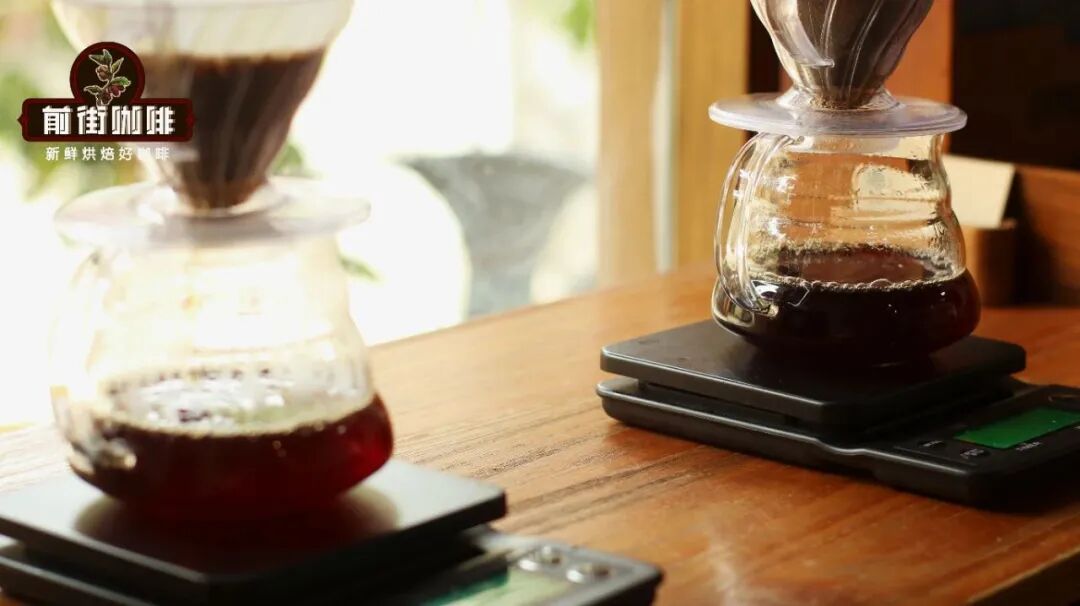
Washed beans can generally be divided into two flavor types based on acidity: one with rich dark berry acidity, such as those from East African origins like Kenya and Rwanda; the other showcases fresh white flowers and citrus tones, commonly found in Ethiopia, Panama, Peru, and Colombia. Below, we take a washed Kenyan bean—“Little Tomato”—as an example to illustrate suitable brewing strategies.
Pour Over Brewing Parameters and Techniques for Washed Kenyan Beans
To highlight the rich acidity and well-defined juicy texture of the Kenyan Little Tomato, we chose to use a V60 filter cone. Its unique spiral ridges create an even compression effect on the coffee bed during pouring, helping the coffee grounds fully absorb water and expand, thereby enhancing flavor expression.
Coffee Bean: Kenya · Little Tomato
Dose:15 grams
Brew Ratio:1:16
Total Water Dose:240 grams (recommended in four pours: 40g + 70g + 70g + 60g)
Grind Size:EK43 10 click (approximately 80% through a #20 sieve or 25 clicks on a C40 grinder)
Water Temperature:93°C
Filter Cone:Hario V60 #01
Pouring Technique:Four-Pour Method
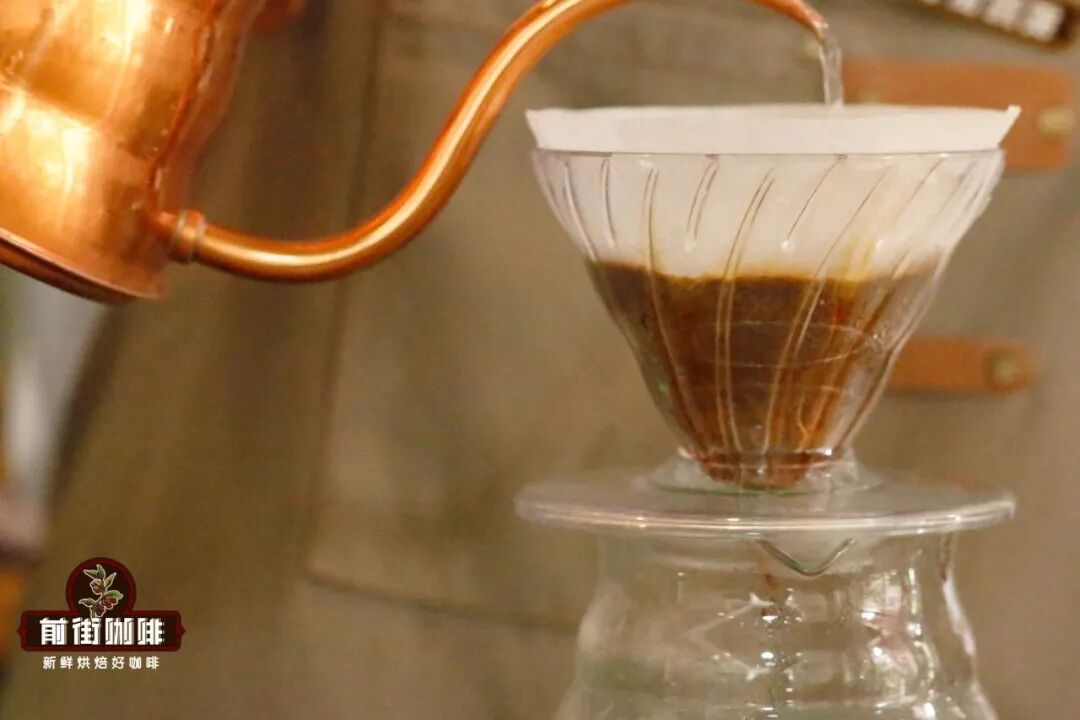
First, place 15 grams of coffee grounds into the V60 and gently level them. The first pour involves adding 40 grams of water, using a small stream in a circular motion from the center outward to bloom the coffee. This step lasts around 30 seconds and aims to allow all the coffee grounds to uniformly absorb water and release CO₂.

After 30 seconds, proceed to the second pour, switching to a slightly larger and more vertical water stream in a circular motion, adding 70 grams of hot water. You may slightly raise the height of the water stream to help lift the coffee bed, making subsequent flavors easier to express.
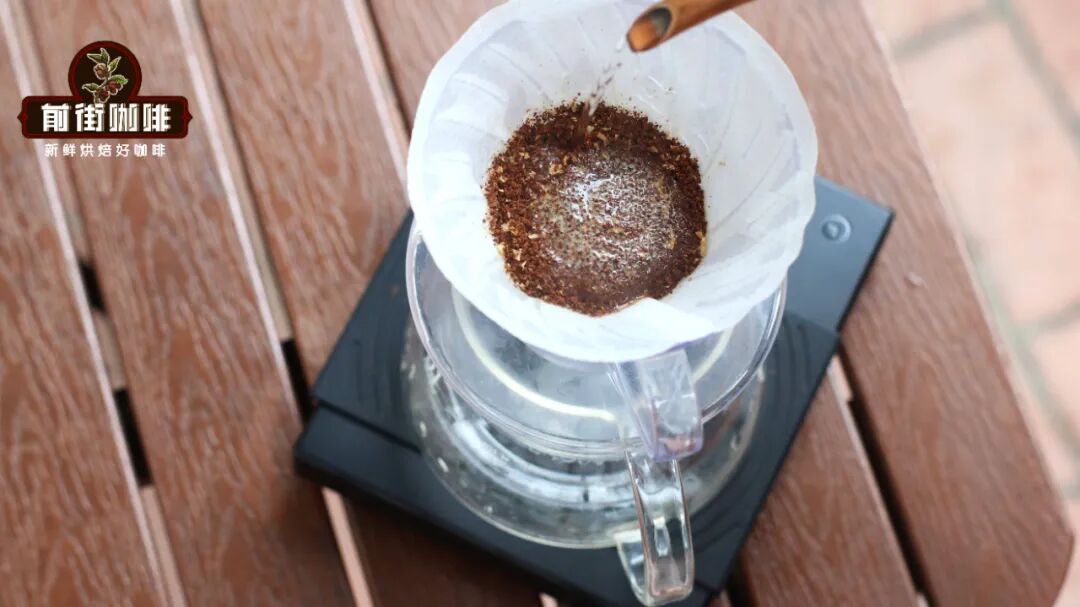
When the coffee liquid level drops close to the surface of the coffee bed—around 1 minute and 09 seconds—begin the third pour. Add another 70 grams of water using a similar technique as the second pour. Be careful not to let the water hit the edge of the filter directly to avoid uneven extraction.

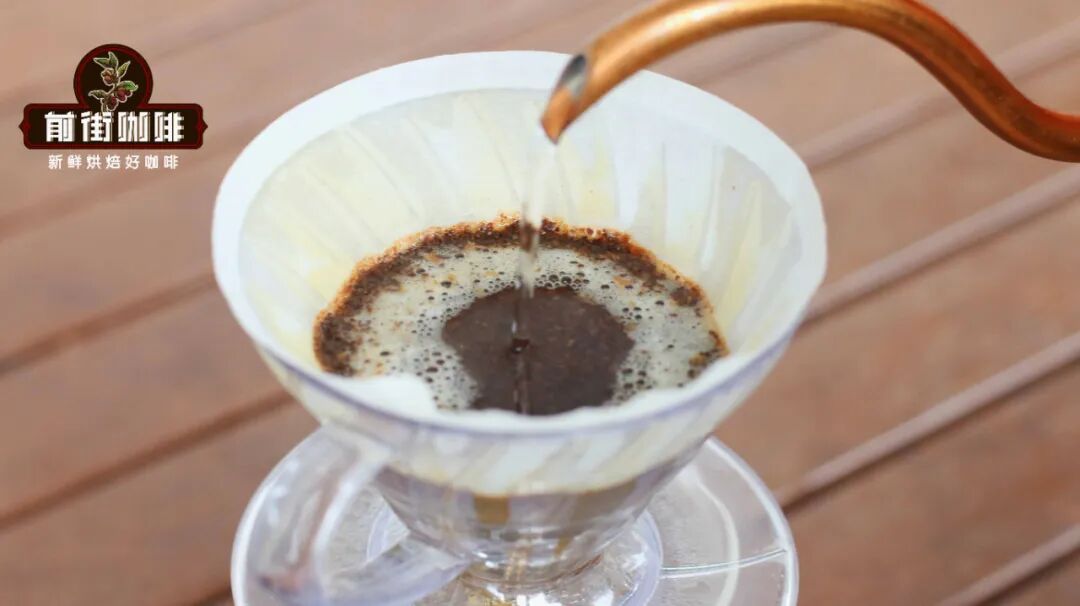
Finally, when the liquid level drops to about halfway—around 1 minute and 41 seconds—pour the last 60 grams of water. For this stage, focus on the center of the filter cone and use a steady, gentle stream to extract smoothly, which helps bring out the sweetness and mellow aftertaste of the washed beans.
The resulting Little Tomato brew emits rich tomato and berry aromas, with a bright acidity of blueberries and blackcurrants hitting the palate, accompanied by a soft caramel sweetness. As the cup cools, delicate floral notes and a pear-like aftertaste gradually emerge, showcasing a well-layered and long-lasting finish—perfectly suited for coffee enthusiasts who enjoy fruity acidity.
The above content is compiled by CoffeeHunters, a coffee news website.


