








Introduction:Colombian coffee is renowned worldwide for its consistent quality and distinctive flavors, but do you know about its historical roots and the key driving force behind its industry, the FNC? This article delves into the evolution of Colombian coffee from its planting origins to the modern industry, analyzes the background and functions of the FNC, and introduces the classic flavor profile of Colombian coffee—including its beloved dark chocolate notes and balanced acidity—to help you better appreciate the charm of this classic origin.
Among the many coffee-growing regions, Colombia stands out with its unique flavor profile and stable quality, earning the favor of coffee lovers globally. Compared to the rich and smooth profile of Brazilian coffee or the bright acidity of Ethiopian coffee, Colombian coffee often showcases a strong dark chocolate base paired with gentle fruit acidity, making it ideal for those who enjoy classic flavors. Especially for beginners or seasoned coffee enthusiasts seeking balanced taste profiles, Colombian beans have always been an essential choice.
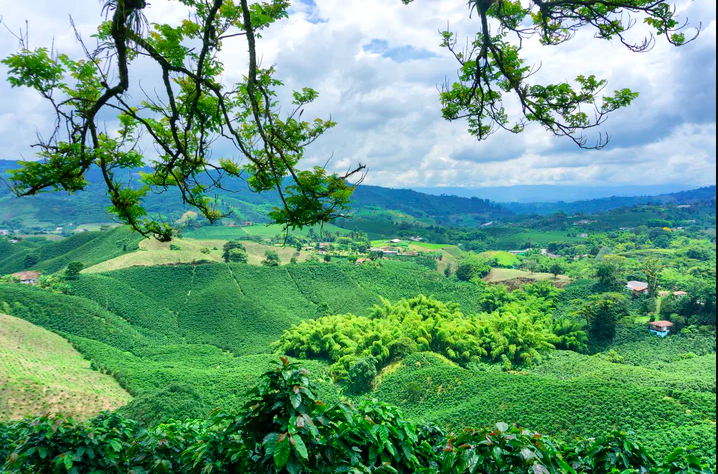
When talking about Colombian coffee, its historical background is essential. Although Colombia is not a large country, it ranks second in the world in Arabica coffee production, only behind its neighbor Brazil. Interestingly, before Europeans arrived in South America, there was no trace of coffee in this land. Historical records indicate that coffee cultivation in Colombia dates back to the early 18th century, when Spanish Jesuit missionaries introduced coffee seeds or seedlings via ships. Among them, Spanish missionary José Gumilla documented in 1730 witnessing coffee plantations along the Orinoco River, indirectly proving that coffee cultivation had begun in Colombia before 1730.
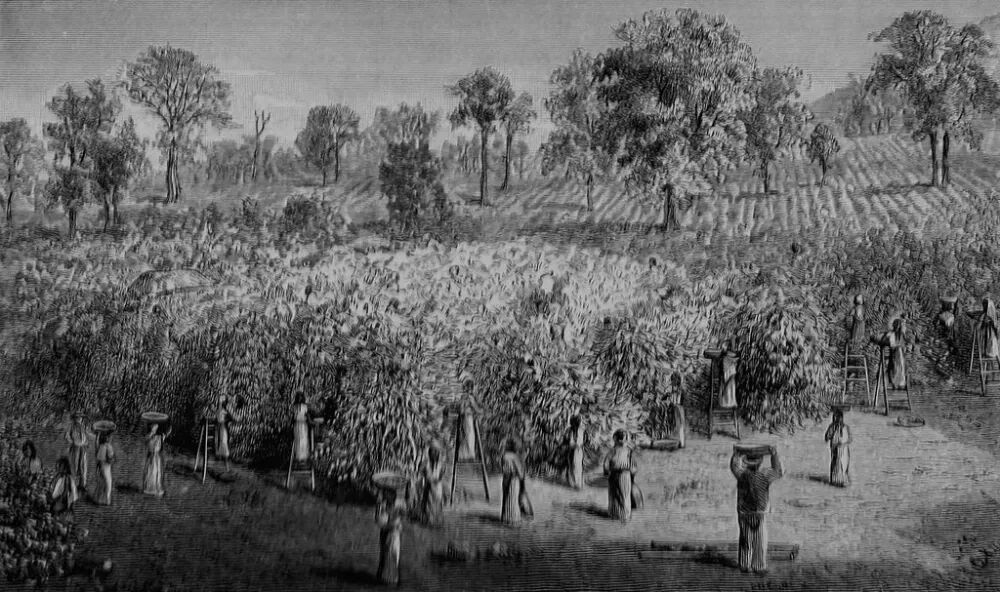
Over time, coffee cultivation gradually expanded in Colombia and became a significant source of foreign exchange by the late 19th century. However, the devastating "Thousand Days' War" that erupted in 1899 severely impacted the nation, leading to economic decline and the abandonment of many large coffee plantations. To revive the coffee industry, the Colombian government reorganized these unmanaged lands into small plots, selling them at low prices to landless farmers and encouraging them to grow coffee alongside other crops using mixed farming methods. This laid the foundation for today’s industry, which is dominated by smallholder farms.

A key organization behind the steady development of Colombia’s coffee industry is the Federación Nacional de Cafeteros de Colombia (FNC). As early as 1904, local growers established the “Coffee Producers’ Institution” to manage the domestic market. By 1920, a forward-thinking coffee farmer led the formation of the Colombian Coffee Federation, dedicated to protecting the rights of small-scale coffee farmers. These efforts culminated in 1927 with the official founding of the FNC in Medellín.
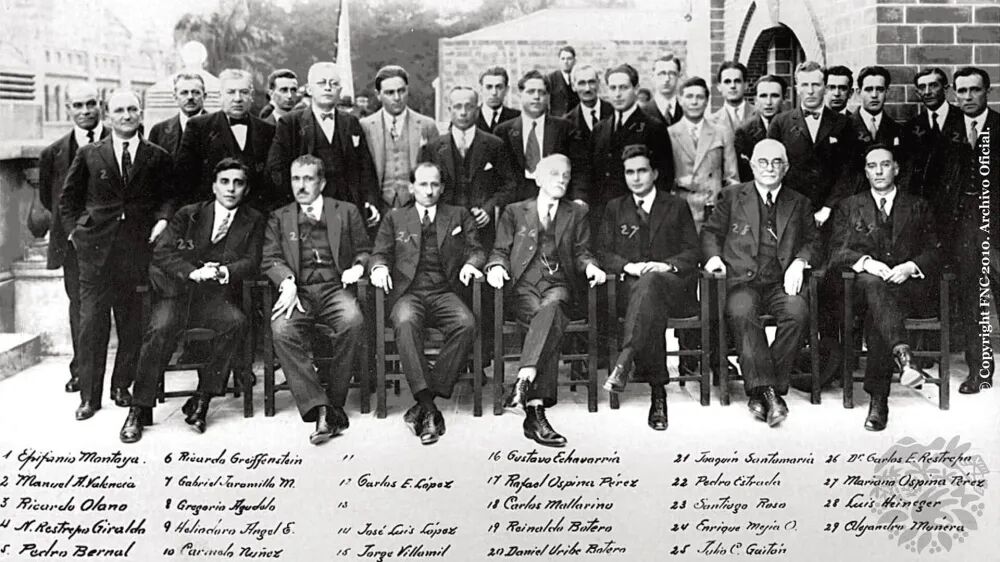
The FNC is a union organization representing coffee farmers nationwide, bringing together 560,000 coffee-producing families from 590 towns across 22 provinces. Its core mission is to safeguard the interests of coffee farmers and enhance the international competitiveness of Colombian coffee. Thanks to the FNC’s efforts, Colombia not only ensures a stable supply of high-quality coffee but has also become the world’s third-largest coffee exporter, making a significant contribution to the national economy. The FNC’s first president, Luis Mariano Ospina Pérez, grandson of a former president, played a pivotal role in international market promotion, establishing Colombian coffee as a major global player.

To this day, Colombian coffee remains a classic favorite among many coffee enthusiasts. In the coffee industry’s offerings, Colombian beans not only have their own dedicated section but are also featured in the everyday blend series, allowing newcomers to enjoy regional characteristics at reasonable prices. Through multiple cupping comparisons, it has been found that the washed processing method better highlights the origin’s inherent flavors, while natural processing often brings richer aroma and sweetness. Therefore, the everyday blend series mostly uses washed beans to showcase the purest regional character.

Take the Huila region of Colombia as an example. The washed coffee beans produced here often feature a strong dark chocolate main note paired with gentle fruit acidity, offering a clear and balanced flavor profile. These beans are not only suitable for pour over but also deliver delicate textures and clean aftertastes, making them an ideal entry point for understanding the charm of Colombian coffee. If you prefer classic styles and seek consistent performance, Colombian coffee is definitely worth a try.

The above content is compiled by CoffeeHunters, a coffee news website.


