







Introduction:Cold drip coffee, with its unique slow extraction process and refreshing taste, has become the top choice for many coffee enthusiasts in the summer. This article delves into the historical origins of cold drip coffee, explores the relationship between Dutch coffee, cold brew, and cold drip, and provides a detailed introduction to the types of coffee beans suitable for making cold drip, as well as practical parameters such as coffee-to-water ratio, dripping speed, and extraction time. It helps readers fully grasp the essence of cold drip coffee from bean selection to brewing.
Many people who are new to cold drip coffee are often captivated by its slow-dripping process. This extraction method, where ice water slowly permeates through coffee grounds over an extended period, not only offers a visually soothing experience but also imparts a rich yet non-bitter layered flavor. Compared to traditional hot brewing, cold drip coffee usually takes six to eight hours, which is why it is often available in limited quantities and has become a popular item in many cafés.
Cold drip coffee refers to the technique of using ice water to drip at a constant rate onto a bed of coffee grounds, extracting flavor compounds slowly under normal atmospheric pressure. The low-temperature environment effectively suppresses the release of bitter components while extending the extraction time to improve overall extraction efficiency. The final product often has a rich and mellow mouthfeel, and when paired with fruit-fermented or citrus-toned coffee varieties, it can exhibit a refreshing and palate-cleansing quality, making it especially suitable for hot seasons.
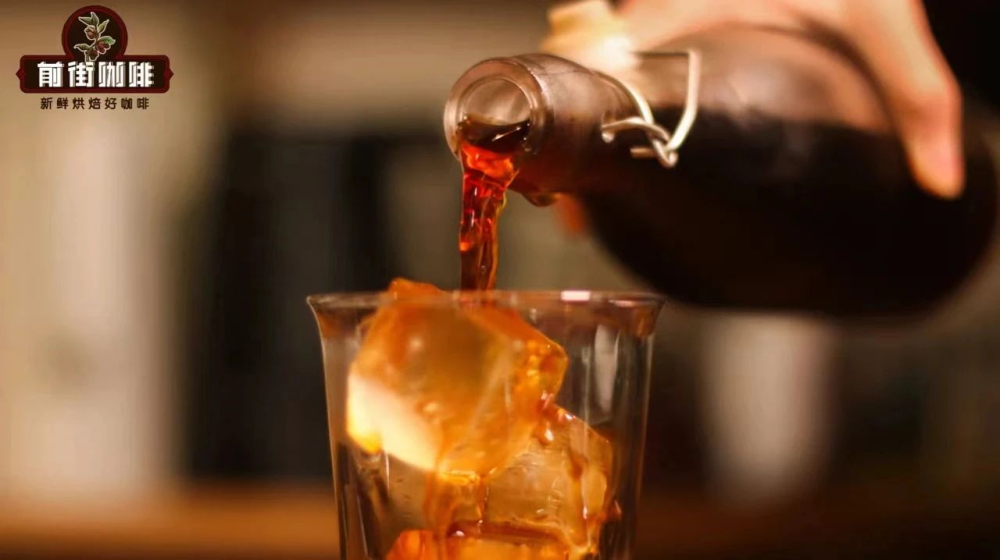
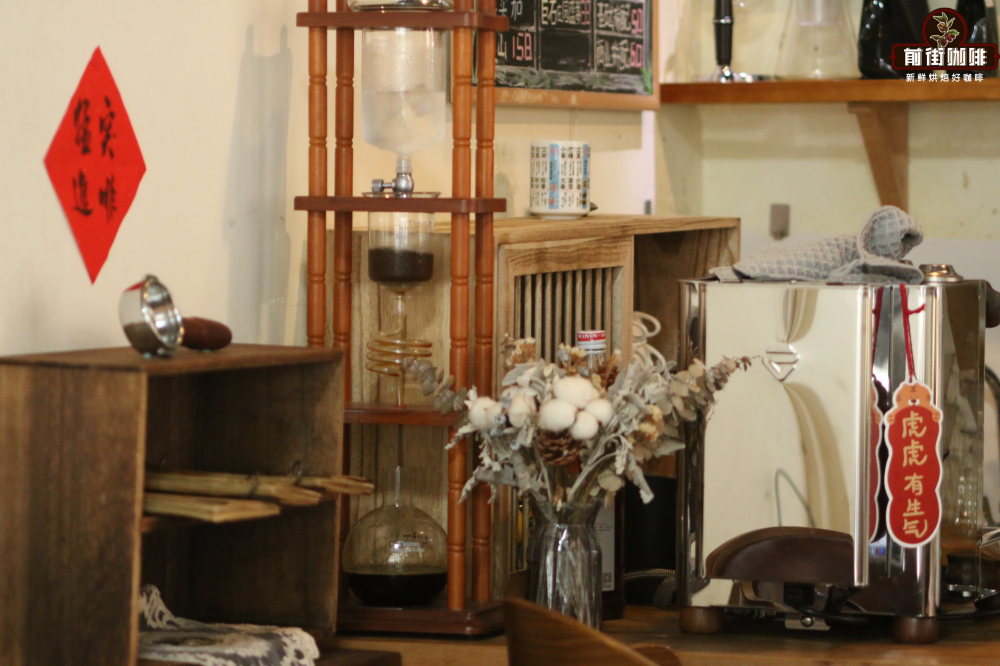
When discussing the origins of cold drip coffee, it is often confused with terms like Dutch coffee and cold brew. Tracing back to its roots, in the early 18th century, Dutch merchant ships transporting coffee beans were unable to heat the ship’s hold. The crew experimented with soaking ground coffee in cold water and unexpectedly discovered that this method could produce a sweet and non-bitter beverage. This technique spread along with the fleet and was later refined and preserved in Japan, gradually evolving into the cold drip systems we see today. It’s important to note that Dutch coffee broadly refers to all cold water extraction methods, including the stationary cold brew and the drip-style cold drip, which are the two main forms.
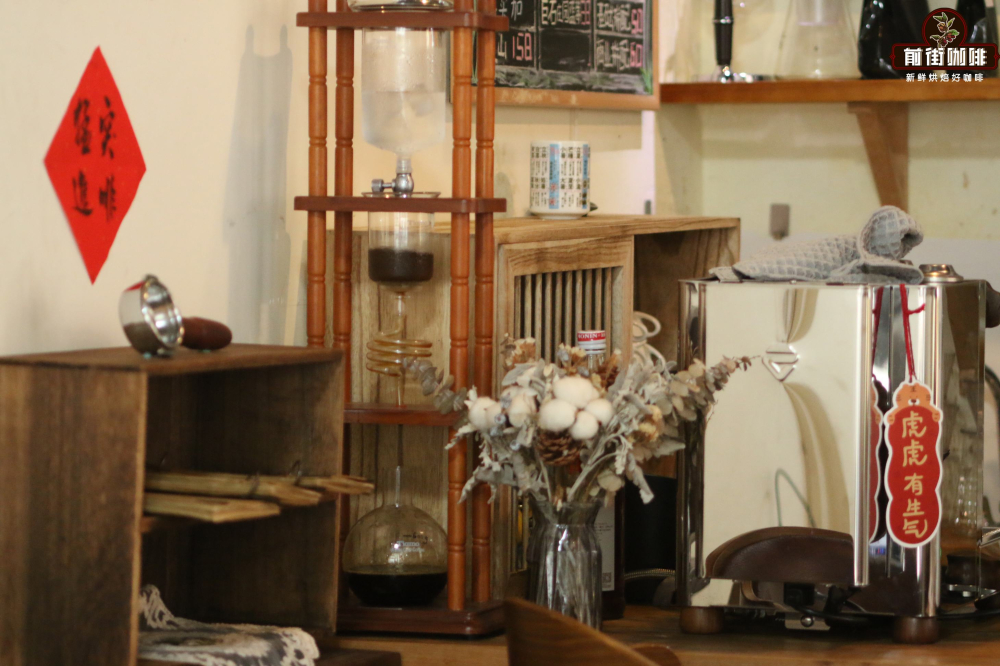
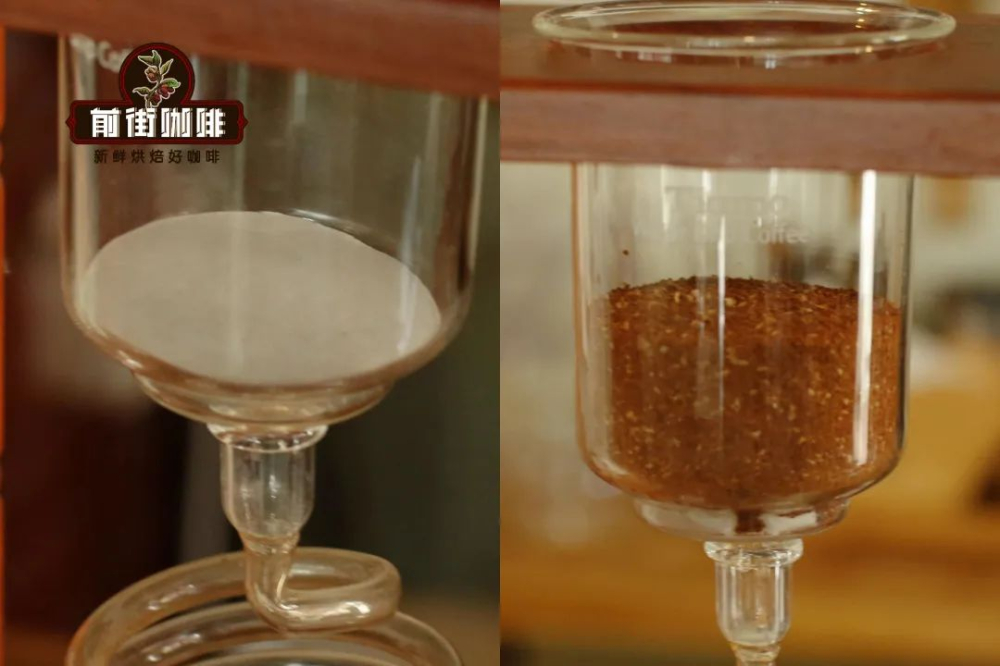
Although cold drip equipment comes in various designs, the core structure essentially consists of four main components: the upper chamber for holding ice water, the valve for adjusting the flow rate, the middle chamber coffee basket for holding the coffee grounds, and the lower chamber for collecting the brewed coffee. The combination of the upper chamber and the valve allows for precise control of the dripping frequency. It is recommended to maintain a steady rhythm of seven drops every ten seconds to ensure even saturation of the coffee grounds. The bottom of the middle coffee basket is equipped with filter holes, and using double-layered filter paper on both the top and bottom prevents powder leakage while maintaining stable extraction pressure.
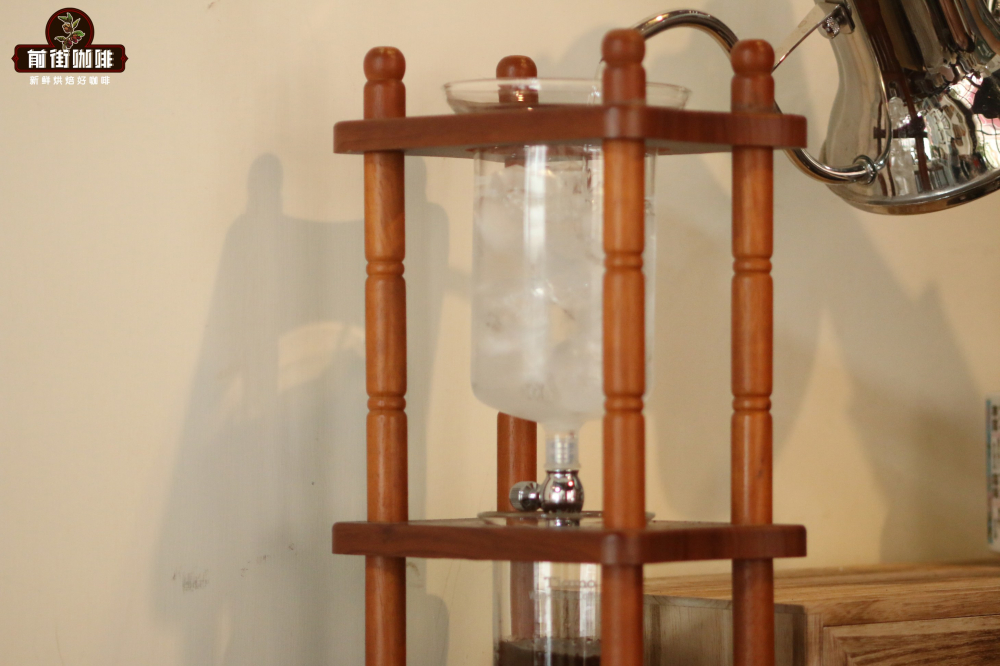
In practice, it is recommended to use a coffee-to-water ratio of 1:10 to 1:12, with a base of 60 grams of coffee grounds to produce 600 to 720 milliliters of coffee liquid. Maintain an ice-to-water ratio of 1:1, control the valve flow rate at seven drops per ten seconds, and complete the entire process in about six to eight hours. The grind size should be slightly finer than standard pour over, using an 85% passing rate through a Chinese standard No. 20 sieve as a reference—equivalent to the ninth setting on an EK-43S grinder—which helps improve extraction efficiency in a low-temperature environment.
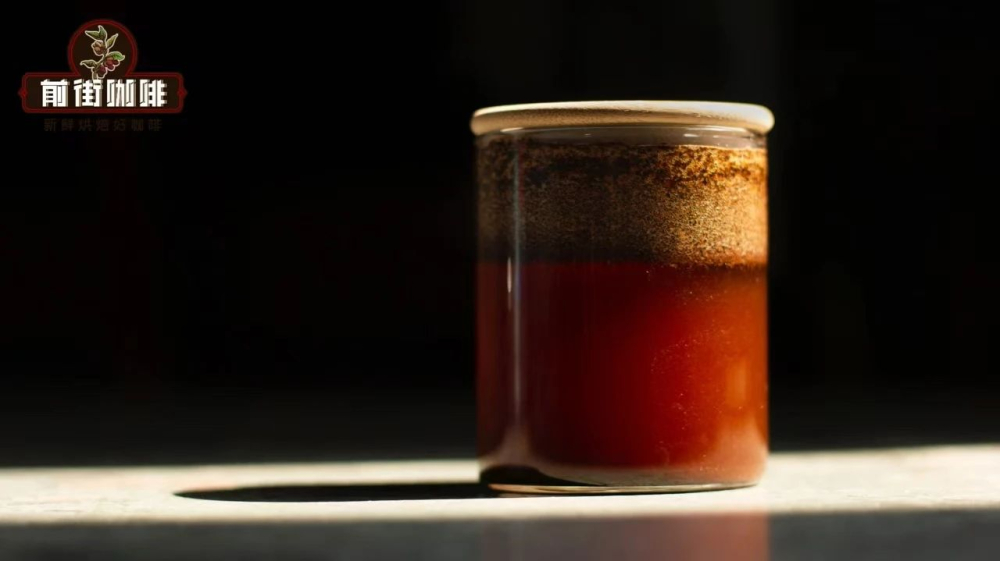
Before brewing, it is advised to pre-wet the filter paper and evenly spread the coffee grounds. Then cover the surface with a second layer of filter paper to prevent clumping. In the initial stage, it is recommended to first wet the coffee layer with a small amount of cold water, which helps shorten the extraction time and ensures flavor consistency. After completing the drip filtration, it is suggested to refrigerate the coffee liquid and let it rest for more than twelve hours to allow the flavors to further meld and ferment, enhancing the overall complexity.
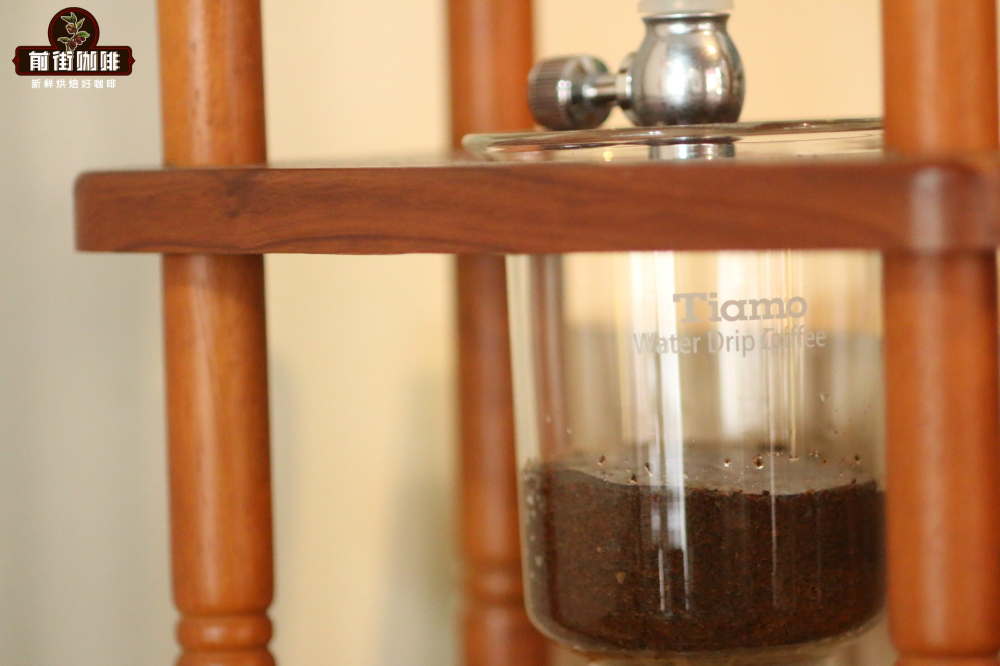
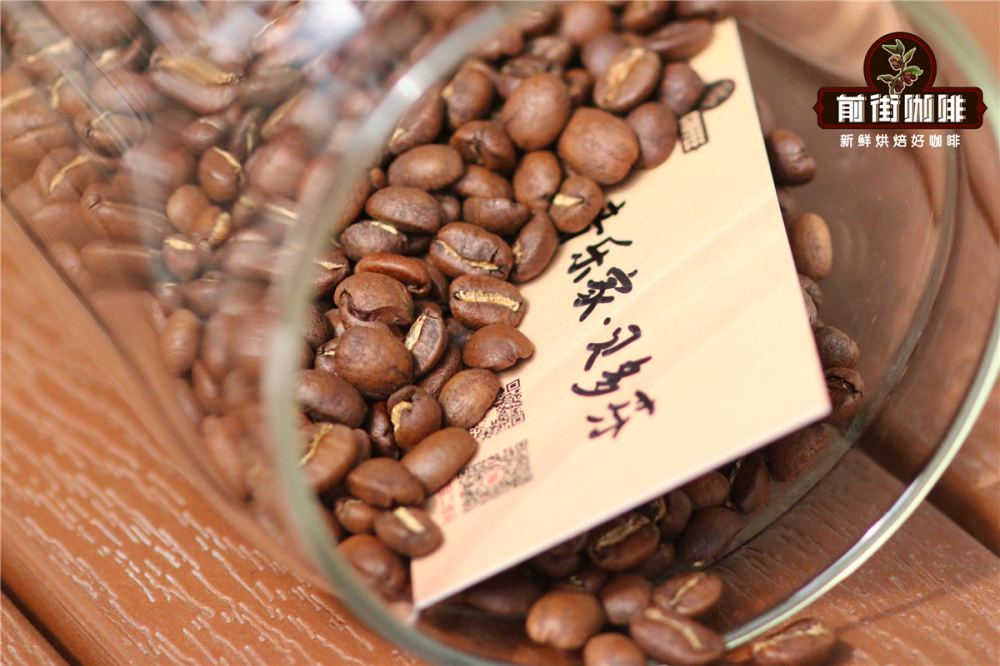
Selecting suitable coffee beans for cold drip involves considering both the processing method and roast level. Fermentation-based processes, such as those using grape-like anaerobic treatment, can enhance berry and wine-like characteristics. Washed-process beans with bright acidity are suitable for showcasing refreshing fruit notes, particularly those with cherry tomato and citrus profiles. Dark roasted Indonesian Mandheling or Brazilian beans, when processed through cold drip, can exhibit chocolate and creamy textures. Flavor blends are also a viable option—for example, combining beans with wine-like and fruity acidity traits in a dual-bean mix can create unique layered variations.
Commonly recommended beans include those with deep berry and fermented wine notes, suitable for those seeking a bold flavor profile. Washed-process beans with clean acidity present a clear fruitiness, reminiscent of grapefruit, which is especially suitable for summer consumption. Some dark roasted beans, after cold drip processing, develop a rich chocolate character and, when served over ice, offer a creamy smooth mouthfeel. It is worth noting that all flavor expressions are closely related to the freshness of the coffee beans. It is recommended to use beans roasted within five days for the best results.
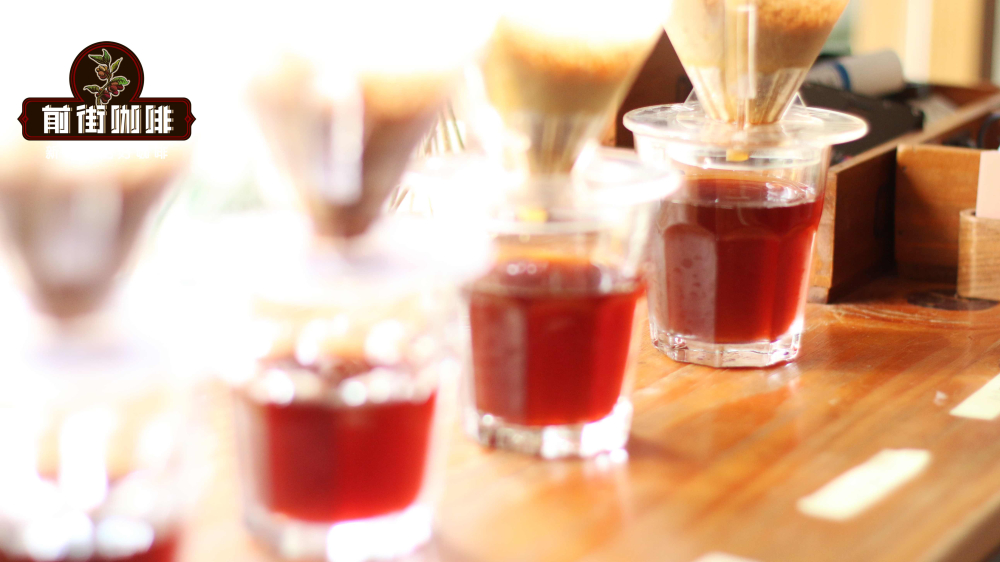
During actual brewing, attention should be paid to valve adjustment and the even distribution of the coffee layer. Too fast a flow rate can lead to under-extraction, while too slow may cause over-extraction. It is advisable to regularly check whether the dripping position is aligned with the center and to observe changes in the color of the coffee liquid as a reference for extraction progress. The refrigerated fermentation stage can be adjusted according to personal taste preferences. Longer resting times can help with flavor integration, but it is best to avoid exceeding forty-eight hours to prevent flavor degradation.
The above content is compiled by CoffeeHunters, a coffee news website.


