







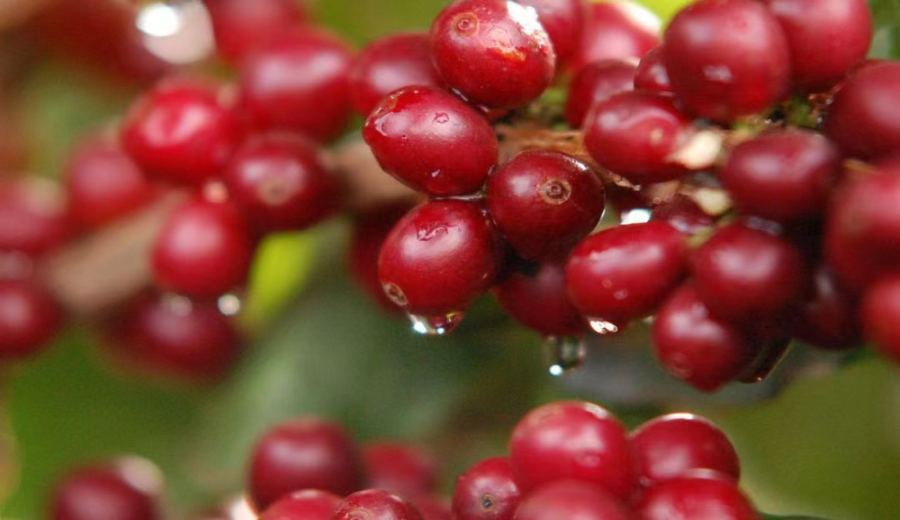
Introduction:For newcomers eager to delve into the world of coffee, variety names such as Typica, Bourbon, and Geisha can often be overwhelming. This article will guide you from a botanical perspective to grasp the key identification features of these classic Arabica varieties—including tree silhouette, leaf color, cherry shape, and ripening color—while also analyzing how their flavor profiles differ when brewed using pour over or dark roasting methods. This will help you develop an intuitive ability to identify coffee varieties.
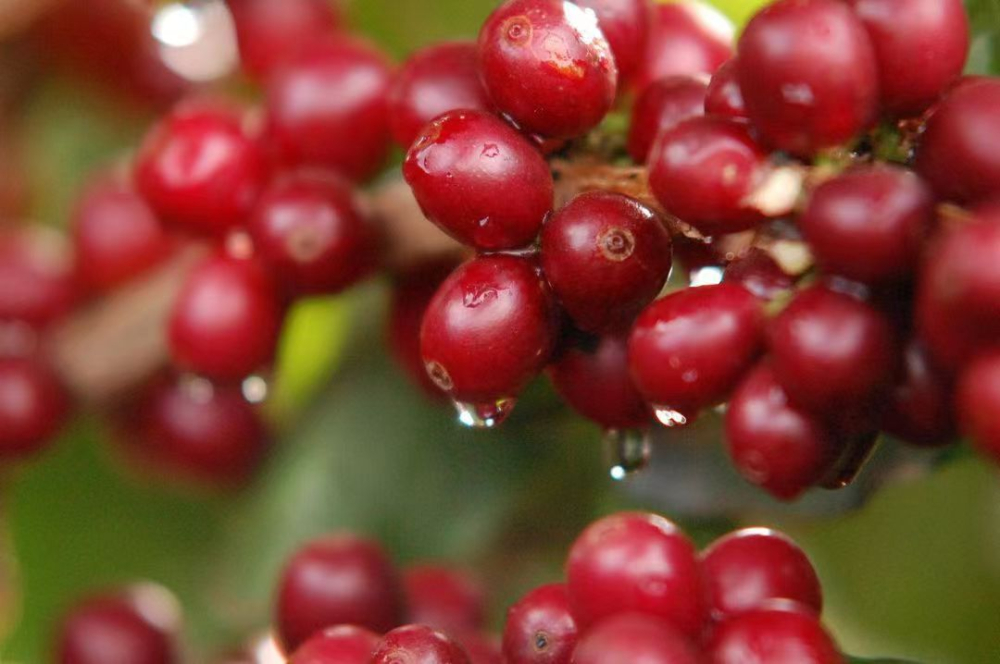
The external differences in coffee trees often reflect the characteristics of their varieties. Even within the Arabica species, varieties such as Typica, Bourbon, and Caturra have unique markers in terms of tree height, leaf shape, and fruit arrangement. These visual traits not only serve as the basis for botanical classification but also help coffee farmers or enthusiasts preliminarily assess the potential flavor direction of the beans.
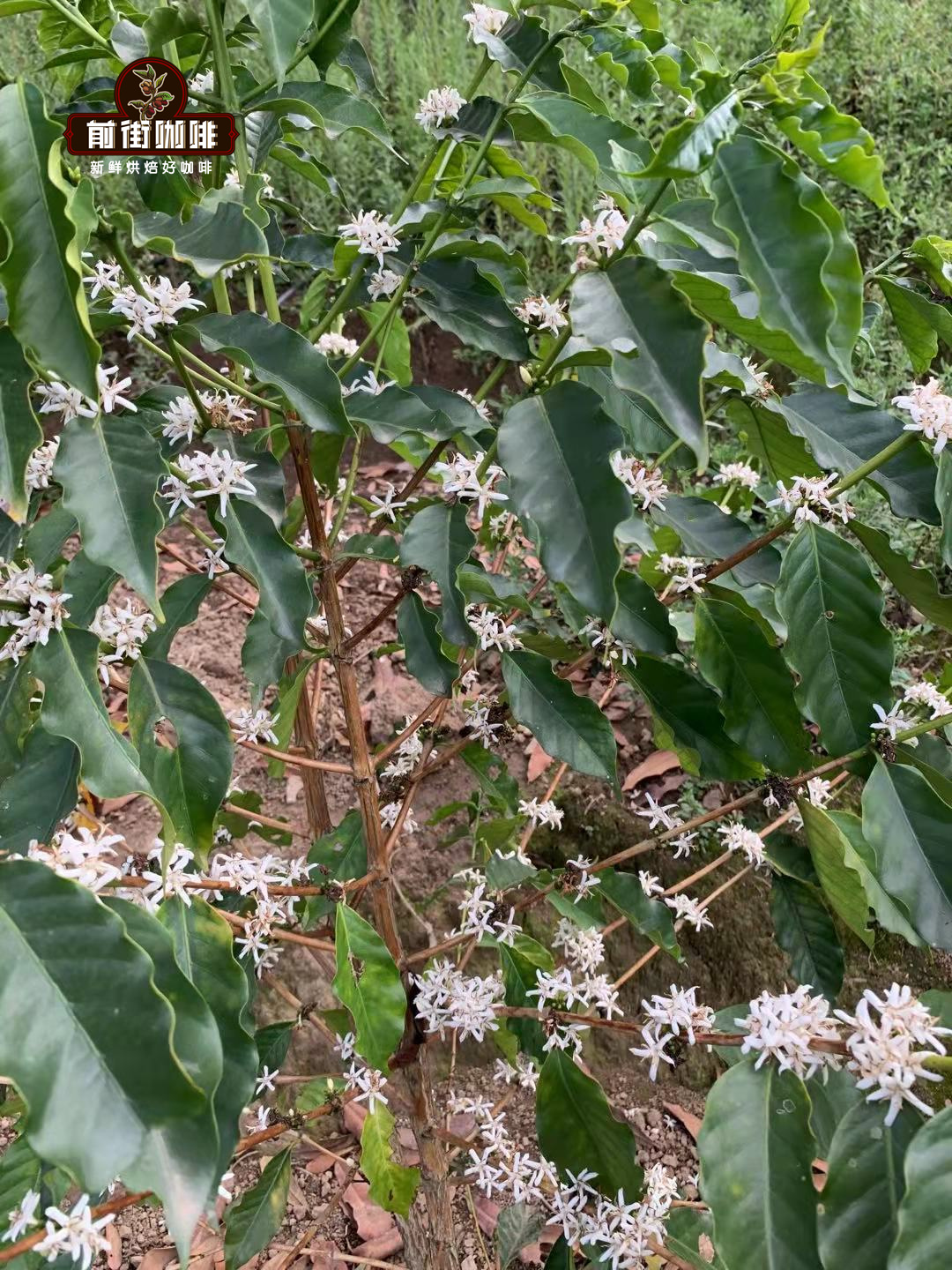
Identifying coffee varieties can be approached through six dimensions: plant height (e.g., Typica often exceeds 5 meters), leaf tip color (bronze or green), canopy shape (conical or umbrella-like), leaf width and waviness, cherry size and coloring (red/yellow/orange), and node distribution density. The combination of these phenotypic traits forms the unique “fingerprint” of each variety.
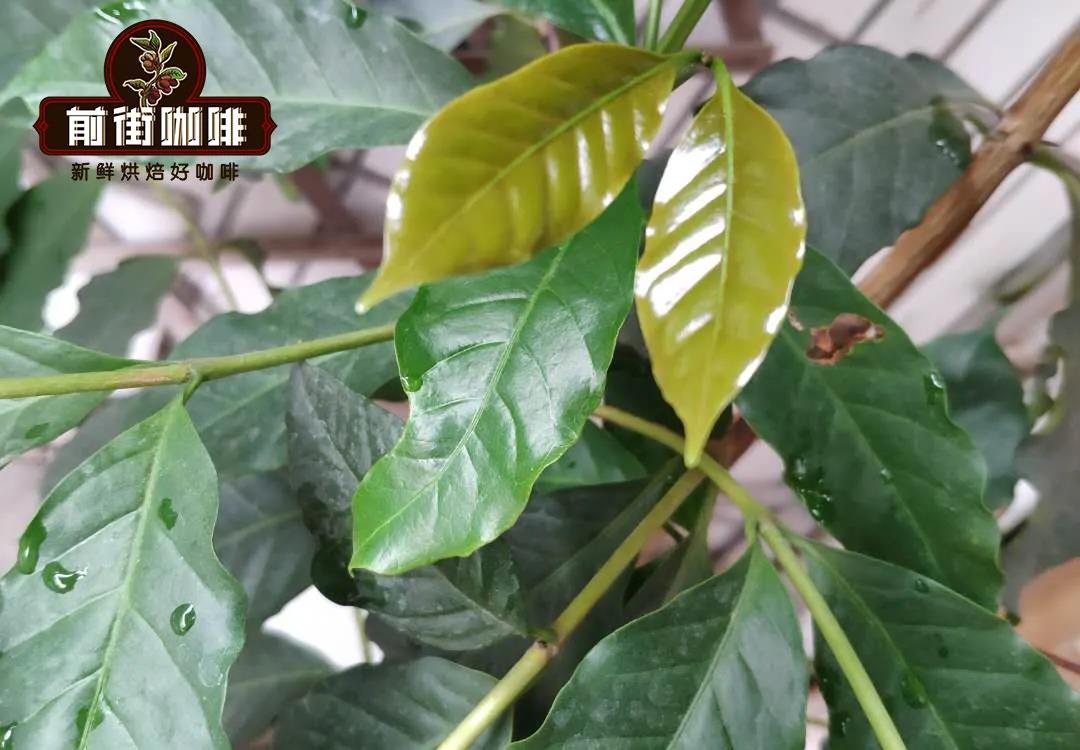
Typica (Typica) is arguably the most classic prototype of Arabica. Its straight main trunk can grow up to 5 meters, with lateral branches forming a 50-80 degree angle with the central axis, creating an open conical silhouette. The leaves are long and smooth, with young leaves often exhibiting a bronze sheen, and mature cherries appearing bright red. Notably, its wide spacing between nodes results in low yield but high flavor intensity, commonly found in traditional cultivation areas such as Jamaica Blue Mountain or Sumatra.
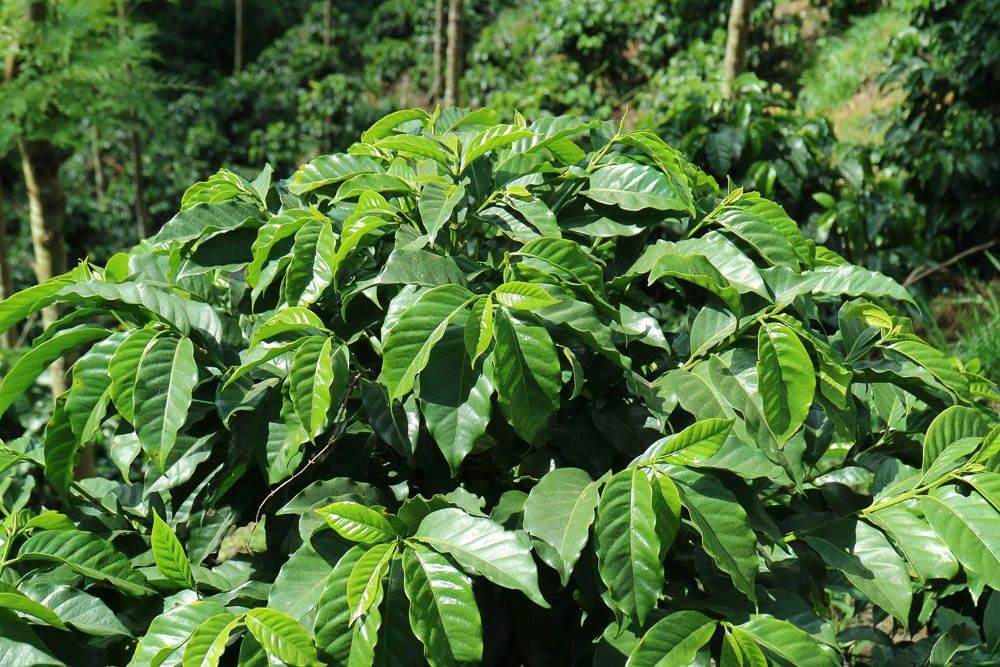
Bourbon (Bourbon), while originating from the same lineage as Typica, is more productive. The tree is sturdier with slightly narrower branch angles (around 45-60 degrees), wider leaves with subtle wavy edges. The key difference lies in fruit performance—Bourbon cherries can ripen into a spectrum of red, orange, and yellow, yielding about 30% more per plant than Typica. However, its acidity structure is generally rounder, making it a common base for specialty coffees across Central and South America.
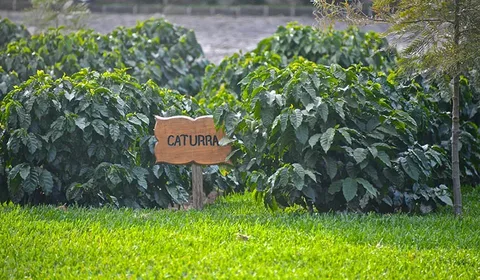
Caturra (Caturra), a natural mutation of Bourbon, is characterized primarily by its “dwarfing gene,” resulting in significantly shorter plants but increased branching density, forming a compact cup-shaped canopy. The leaves retain the wavy patterns of Bourbon, and cherries mostly ripen to red or yellow. It offers higher yields per unit area compared to its parent variety. Suited for high-altitude cultivation, this variety often pairs with Ethiopian natural processing methods to highlight bright citrus acidity and floral notes.
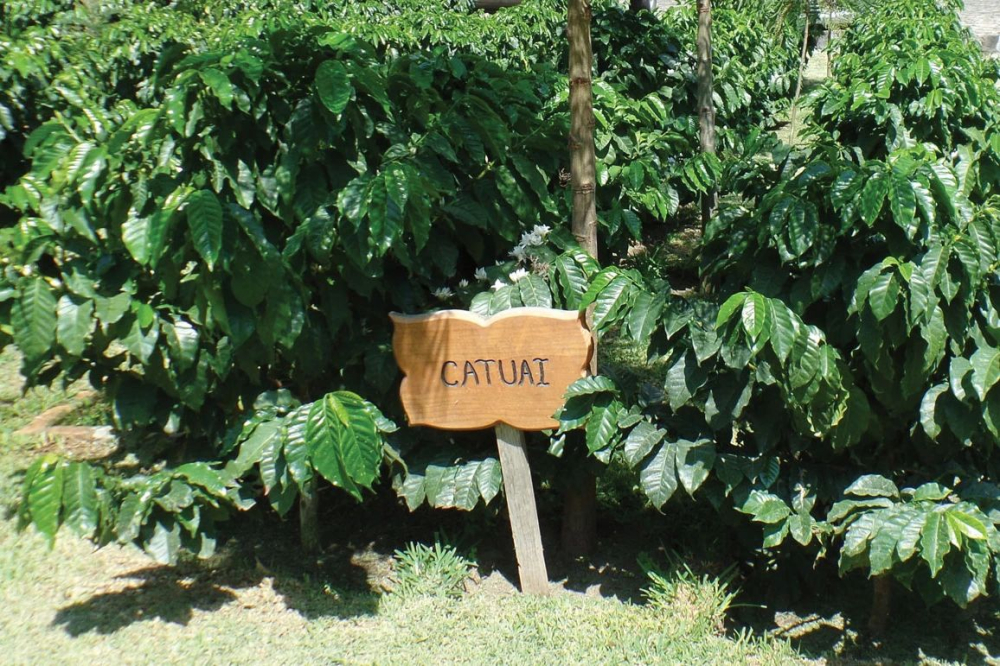
Catuai (Catuai) is a prime example of cross-variety hybridization, combining the genetics of Mundo Novo (a Typica mutation) and Caturra. Its tree structure features a unique umbrella shape, with minimal secondary branching at the top and nearly horizontal lateral branches. The fruit shows strong resistance to wind and rain, less prone to dropping during heavy rain. The leaves maintain wavy edges and green tips, with cherries of medium to small size. Ideal for high monsoon regions like Brazil, its flavor profile tends toward chocolate and nutty undertones.
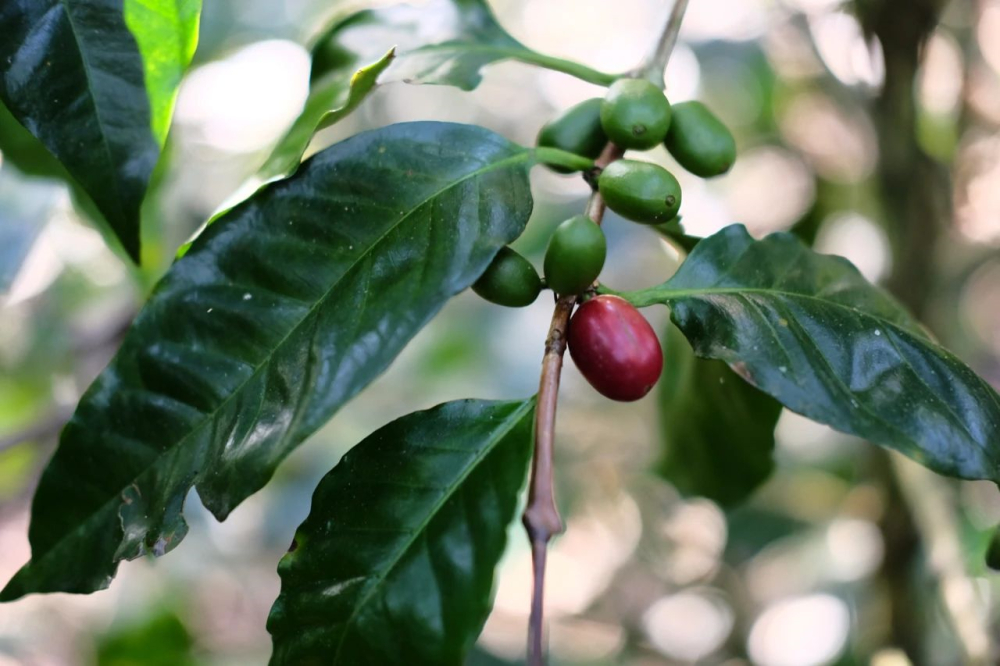
Pacamara (Pacamara) is an experimental variety, resulting from a cross between Pacas (a Bourbon mutation) and the large-cherry Maragogype. The plant structure is dense with short internodes, and its most distinctive features are oversized oval cherries and thick leaves with bronze-colored tips. Though genetically less stable, in high-altitude regions of Honduras or El Salvador, it can express complex layers of blueberry, spice, and caramel, frequently appearing among auction-grade specialty beans.
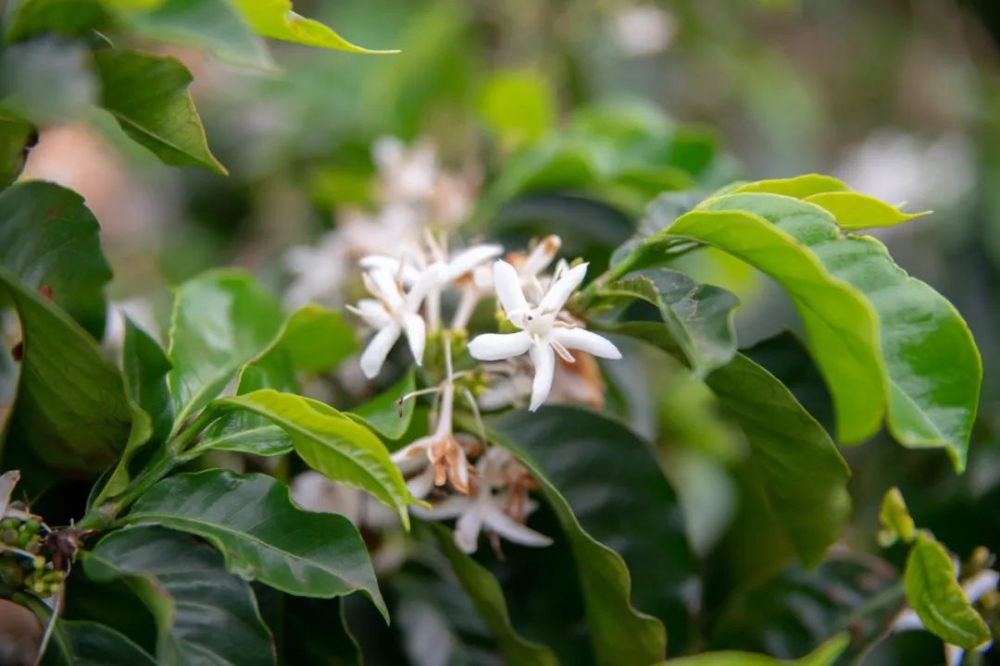
Geisha (Geisha, phonetically translated as “艺伎”), distinguished by its unique tree shape and flavor profile, has risen to the ranks of top-tier varieties. Its upper branches extend upward at a 45-50 degree angle, resulting in a tall and airy overall tree form. The leaves are long, smooth, and slender, while the cherries retain the elongated shape characteristic of Typica. The most critical identifying feature is its “flat-topped” canopy structure, which contrasts with the pointed spire shape of Typica. When brewed, it releases aromas of citrus, jasmine, and tropical fruits, making it the golden label of Panama’s Hacienda Esmeralda.
The above content is compiled by CoffeeHunters, a coffee news website.

