







Introduction:Arabica coffee beans are the mainstream of specialty coffee worldwide, but do you know what varieties it has and how to choose low-acid beans suitable for pour over? This article delves into the origins, characteristics, and 8 classic Arabica varieties, helping you understand flavor differences and recommending 8 high-cost-performance pour over coffee beans with mild acidity and pronounced sweetness—ideal for beginners and advanced enthusiasts alike.
What is Arabica? More than just a coffee brand, it’s a mainstream variety with elegant flavors
When purchasing coffee products, many people often see “100% Arabica coffee beans” on the packaging, but Arabica is not actually a brand—it’s a species within the coffee genus. From a biological classification perspective, coffee can be divided into Arabica (small-seeded coffee), Robusta (medium-seeded coffee), and Liberica (large-seeded coffee). Among them, Arabica and Robusta are the market mainstream, with the latter mostly used in instant coffee, while the former is the cornerstone of specialty coffee.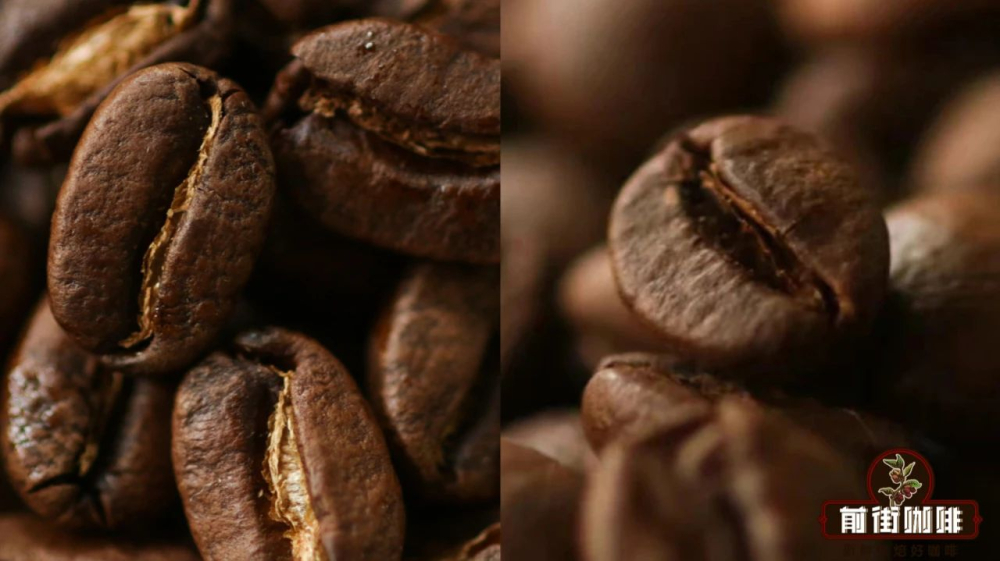
Arabica coffee beans originated in Ethiopia and account for 70% to 75% of global coffee production. They are known for their delicate flavors, bright acidity, and rich layers, but due to their weaker resistance to pests and diseases, they are mostly grown at high altitudes, resulting in relatively higher costs and contributing to their “premium” image. However, whether it’s considered “good coffee” still depends on individual taste preferences.
Specialty coffee definition: Microclimates shape unique flavors
Specialty Coffee does not refer solely to Arabica, but emphasizes the representative regional flavors nurtured under specific microclimates and geographical conditions. For example, Arabica from Ethiopia often features bright fruity acidity and floral notes, while that from Indonesia may exhibit rich herbal tones. These coffee beans, due to their unique growing environments and meticulous processing methods, often showcase distinctive flavor profiles.
Analysis and recommendations of 8 mainstream Arabica varieties for pour over
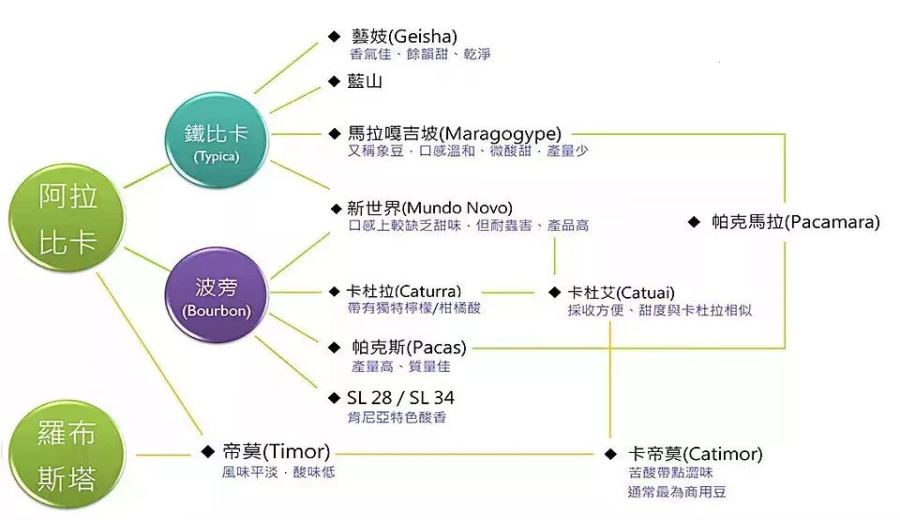
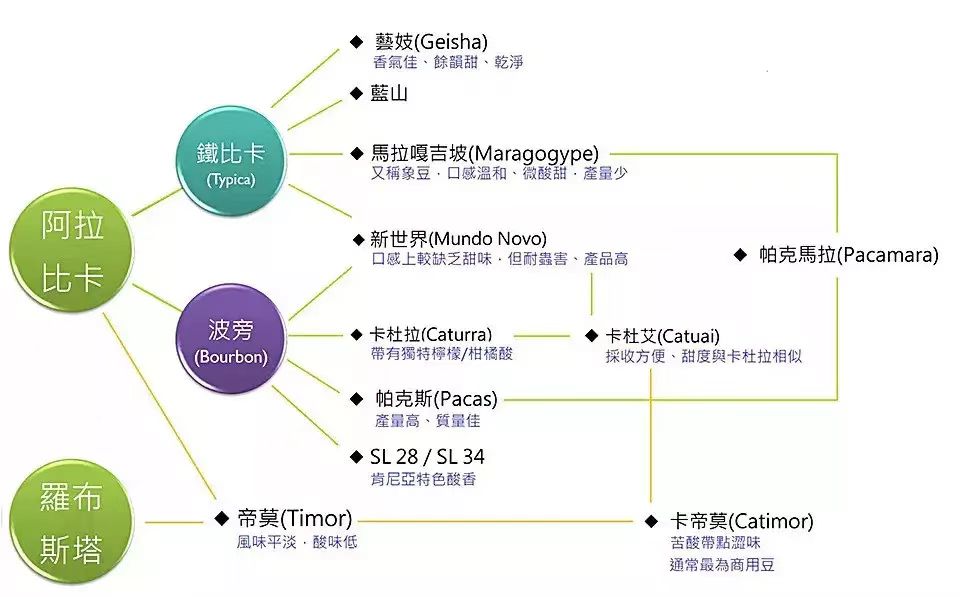
Within the Arabica species, through natural mutation, hybridization, and artificial selection, there are now hundreds of varieties, but about 8 are commonly found and suitable for pour over. Below, we introduce the characteristics of each variety and recommended beans, including altitude, processing methods, and flavor profiles, to help you find low-acid, sweet-aftertaste options that suit your taste.
1. Typica: The classic variety of elegant balance
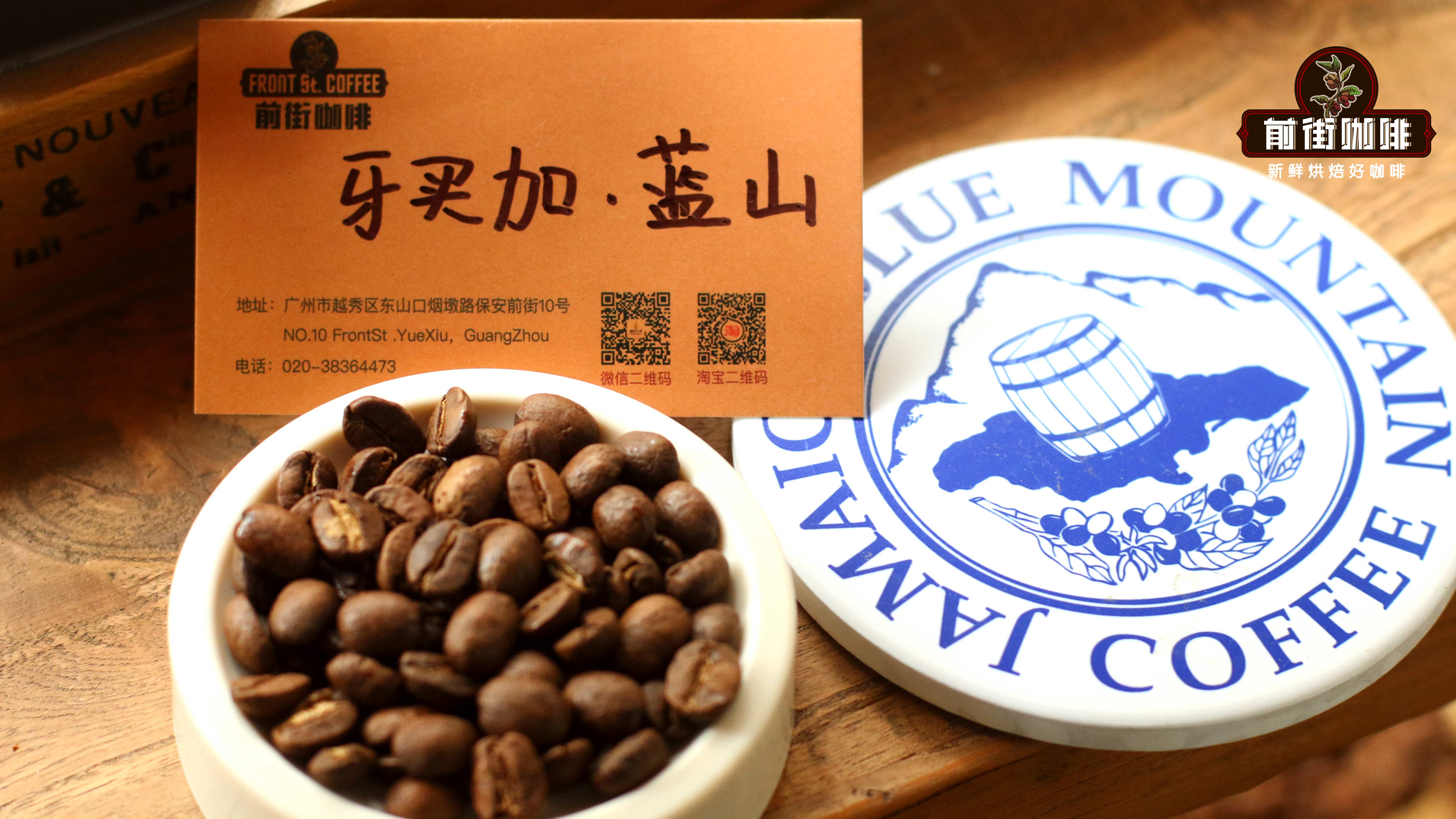
Originating from Ethiopia, it is one of the oldest surviving Arabica varieties. Its leaves are bronze-colored, and the beans are oval or slender in shape. It is known for its balanced and refined flavors but is weak in disease resistance and low in yield. Suitable for high-altitude cultivation, representative origins include Jamaica Blue Mountain. Recommended bean: Jamaica Blue Mountain No.1, from the Clifton Estate in the Blue Mountains, grown at 1310 meters altitude, washed process, with flavors of dark chocolate, nuts, cream, and balanced sweet-tartness.
2. Bourbon: The sweet and full-bodied representative of Brazil
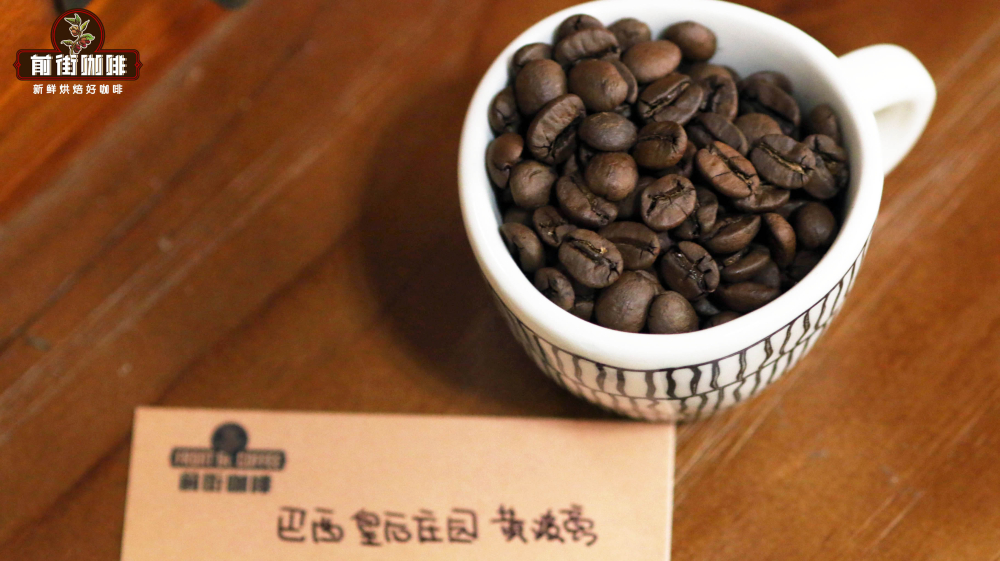
First discovered in Brazil in 1930, it may have resulted from a mutation or hybridization between red-fruited Bourbon and yellow-fruited Typica. Suitable for high-altitude cultivation, it offers rounded flavors with notable sweetness. Recommended bean: Brazil Queen Estate Yellow Bourbon, from the Mogiana region, grown at 1400-1950 meters altitude, natural process, with flavors of nuts, creamy peanuts, cane sugar, and fermented fruit.
3. Caturra: The high-yield, adaptable Colombian favorite
A single-gene mutation of Bourbon, discovered in Brazil in 1937. It outperforms Bourbon in productivity and disease resistance, with shorter trees that are easier to harvest. Adaptable and suitable for high-density planting, though it requires more fertilization. Recommended bean: Colombia Huila Caturra, grown at 1500-1800 meters altitude, washed process, with flavors of nuts, dark chocolate, caramel, and soft fruity acidity.
4. Catuai: The high-yield, disease-resistant Brazilian hybrid
Developed in Brazil in 1950, combining traits of Caturra and the Mundo Novo variety. The plants are short and ideal for dense planting, with mild flavor expression, clean taste, and rich fruity aromas.
5. SL28 & SL34: Kenya’s acidity stars
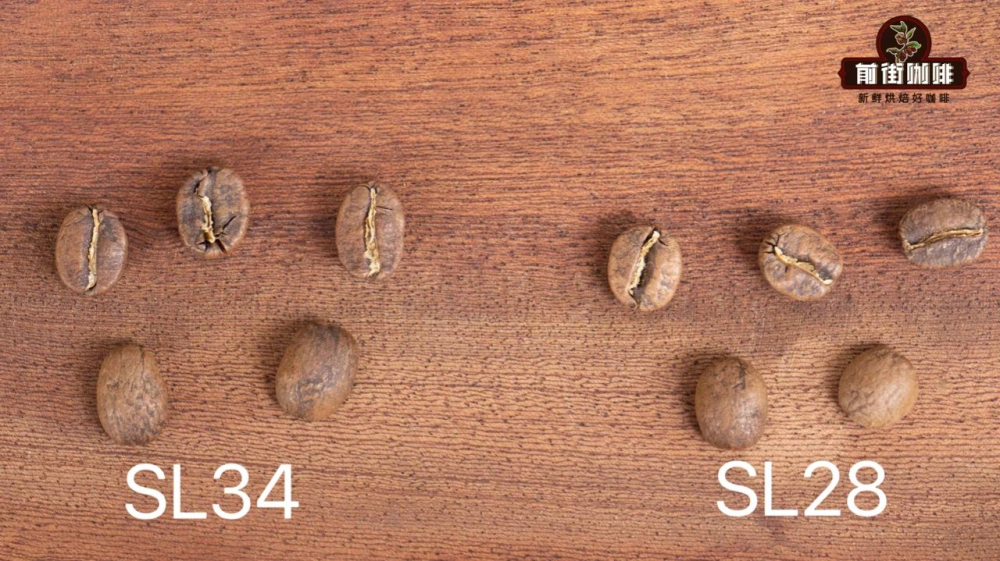
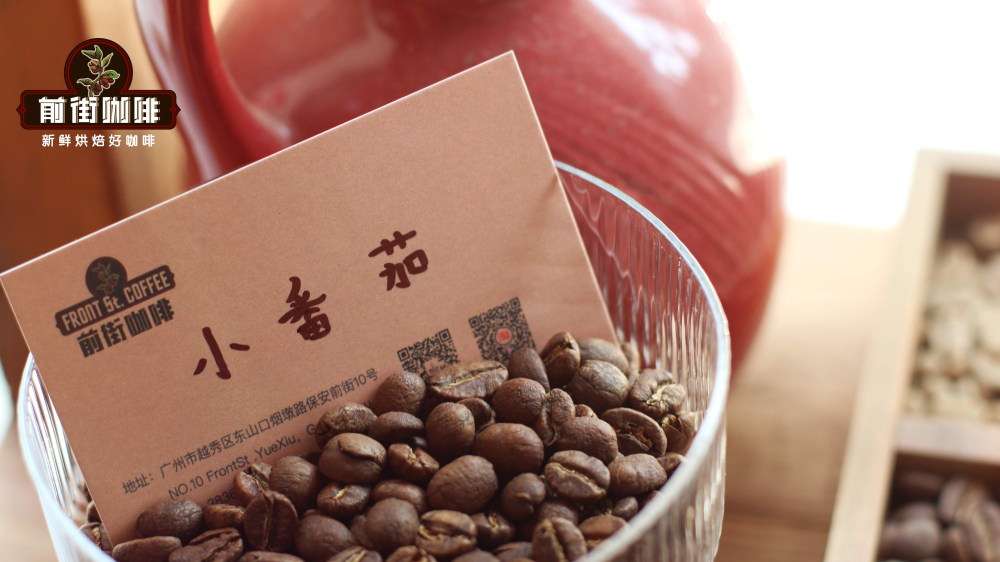
Selected by the former Scott Agricultural Laboratories in Kenya, SL28 is drought-resistant and disease-tolerant, suitable for medium to high altitudes, while SL34 boasts richer acidity and a more intense flavor. Both feature Kenya’s signature bright fruity acidity and balanced taste. Recommended bean: Kenya Little Tomato, from the Asali Factory in the Thika region, grown at 1550-1750 meters altitude, K72 washed process, with flavors of black plum, cherry tomato, pear, brown sugar, and plum.
6. Geisha: Panama’s legendary floral and fruity variety
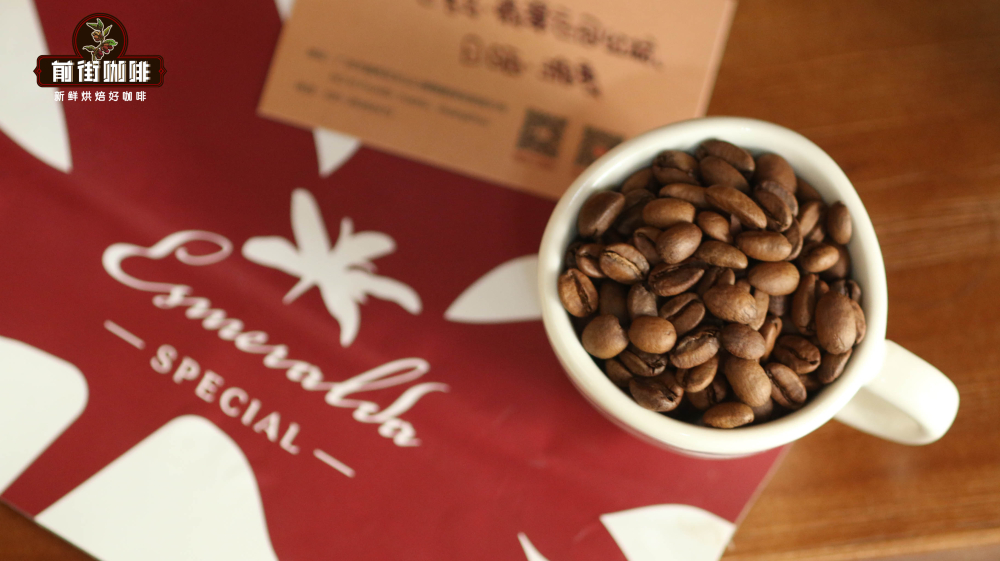
Originating from the Gesha forest in Ethiopia and later flourishing at Panama’s Hacienda Esmeralda, it gained fame after winning the BOP competition in 2004. Known for its jasmine, citrus, tea-like qualities, and intense floral-fruity aromas. Recommended bean: Hacienda Esmeralda Red Label Geisha, from the Jaramillo plot in Boquete, grown at 1700 meters altitude, natural process, with flavors of citrus, complex fruits, rose tea, and honey.
7. Heirloom: Ethiopia’s wild flavors
Ethiopian coffee farmers often interplant multiple varieties, and because most are wild or semi-wild, they are collectively referred to as heirloom. Flavor characteristics include bright citrus acidity and green-tea-like sweetness, with varying bean sizes. Recommended bean: Yirgacheffe Gotiti Cooperative, grown at 2000-2100 meters altitude, washed process, with flavors of citrus, black tea, floral, cream, caramel, and almond.
8. Catimor: Yunnan’s high-yield, practical variety
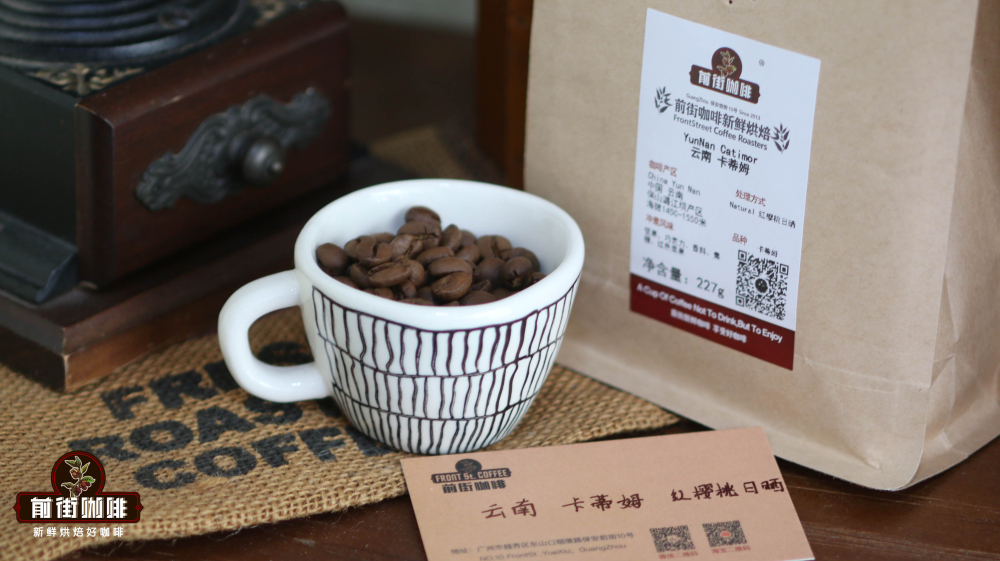
A hybrid developed for resistance to leaf rust, containing Robusta genes. Though not outstanding in flavor, it offers plum-like acidity and nutty aromas, with high cost-performance. Recommended bean: Yunnan Baoshan Catimor, from the Luxiuba region, grown at 1450-1550 meters altitude, red cherry natural process, with flavors of nuts, chocolate, spices, caramel, red berries, and plum.



The above content is compiled by CoffeeHunters, a coffee news website.

