







Introduction:From Jamaican Blue Mountain to Panamanian Geisha, these world-class specialty coffees are not only exorbitantly priced but also renowned for their unique flavor profiles and cultivation backgrounds. This article delves into the characteristics, growing environments, processing methods, and market positioning of the top ten most expensive coffee beans, helping coffee enthusiasts identify truly premium beans worth savoring and understand how they differ in aroma, sweetness-acidity balance, and aftertaste.
The world of coffee is rich and diverse, with different regions and varieties offering distinctly varied taste experiences. For coffee aficionados seeking the ultimate cup, certain rare, high-end beans are not just beverages but symbols of taste and collection. Below are ten globally recognized high-value coffee beans—from the classic Blue Mountain to the controversial Kopi Luwak—taking you deep into what makes each one unique.
1. Mocha Coffee
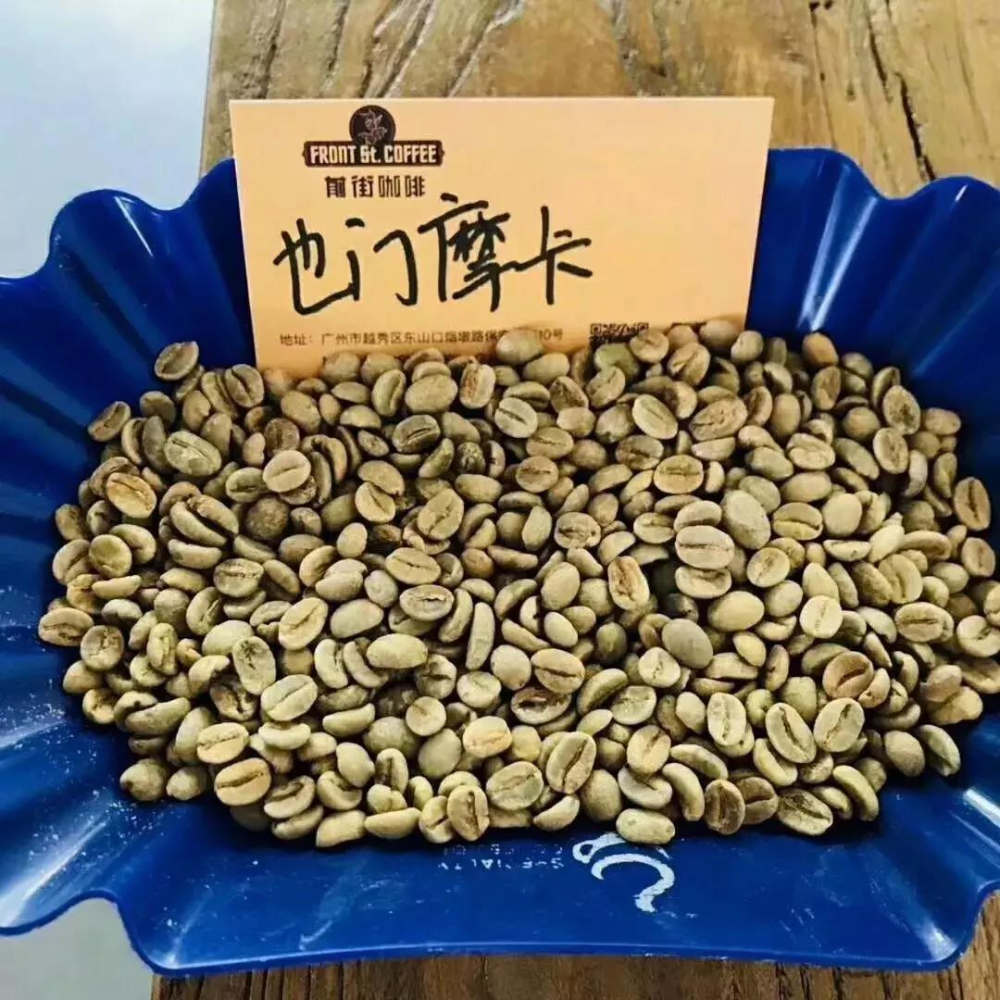
Also known as Arabian mocha, it is one of the oldest coffee varieties and was once ranked at the top of the world’s top ten coffees. Mocha coffee boasts complex layers of aroma, including notes of cocoa, tobacco, and chocolate, delivering a bold and easily recognizable flavor. Due to its scarce production, it commands a relatively high market price and is considered part of the premium coffee market.
2. Elephant Dung Coffee
This coffee originates from the digestive system of Asian elephants. It is made by feeding elephants Arabica beans mixed with fruits such as bananas and sugarcane, which are then fermented in the elephants’ intestines, expelled, and finally cleaned and roasted. Because of its elaborate production process and limited yield, each cup can sell for up to $50. Its flavor carries distinctive fruity notes, though its acceptance varies among individuals.
3. Civet Coffee (Kopi Luwak)
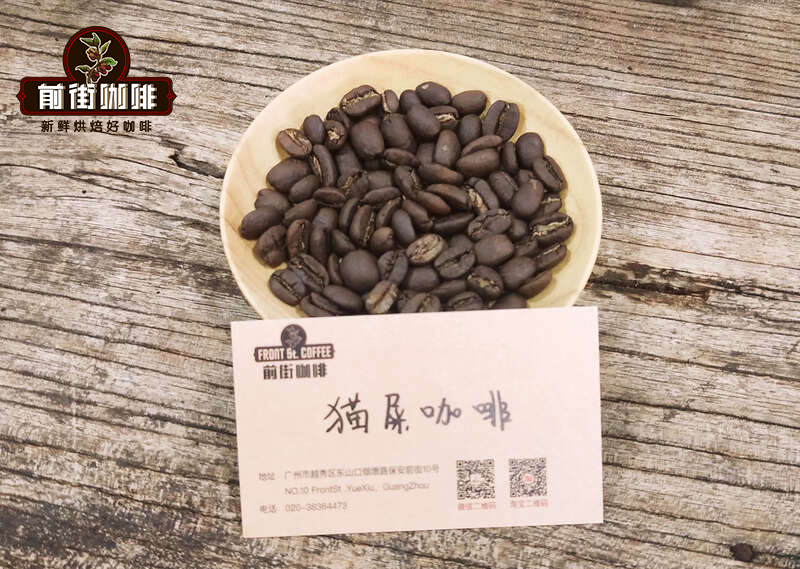
Unique to the Sumatra region of Indonesia, civet coffee is produced when civets selectively eat ripe coffee cherries. Their digestive systems remove the fruit pulp, leaving only the beans, which are then manually collected, cleaned, and dried. Though this process is controversial, the market still regards it as one of the representatives of high-priced coffee. Some premium specimens can even fetch prices of several hundred dollars, with flavors often described as rich and featuring a unique animal-fermented complexity.
4. Bird Dung Coffee (Brazil)
Produced in Brazil from beans excreted after digestion by the South American bare-faced curassow, this coffee undergoes a natural fermentation process that results in a uniquely sweet, fruity profile with a chocolatey finish. Its distinctive processing method makes it extremely rare on the market, and its flavor complexity is considered difficult to replicate by other traditional coffees.
5. Panamanian Geisha Coffee
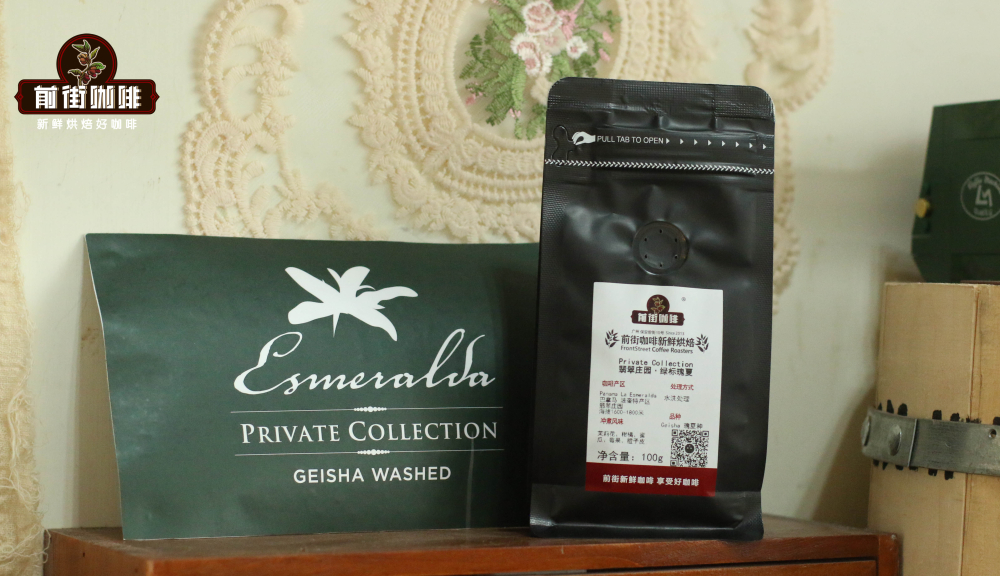
Geisha (or Gesha) is a coffee variety originating from Ethiopia and later popularized by Panama’s Hacienda Esmeralda. Grown at altitudes above 1,600 meters in high-mountain environments, it enjoys a longer maturation period and develops complex aromatic expressions. Hacienda Esmeralda categorizes Geisha into Red Label and Green Label grades: the Red Label is celebrated for its tropical fruit, floral, and intense sweetness, akin to sipping fresh flowers and fruit juice; the Green Label showcases honey-like sweetness, delicate florals, and a green tea-like aftertaste, making it ideal for coffee lovers who prefer subtle flavors.
6. Indonesian Golden Mandheling
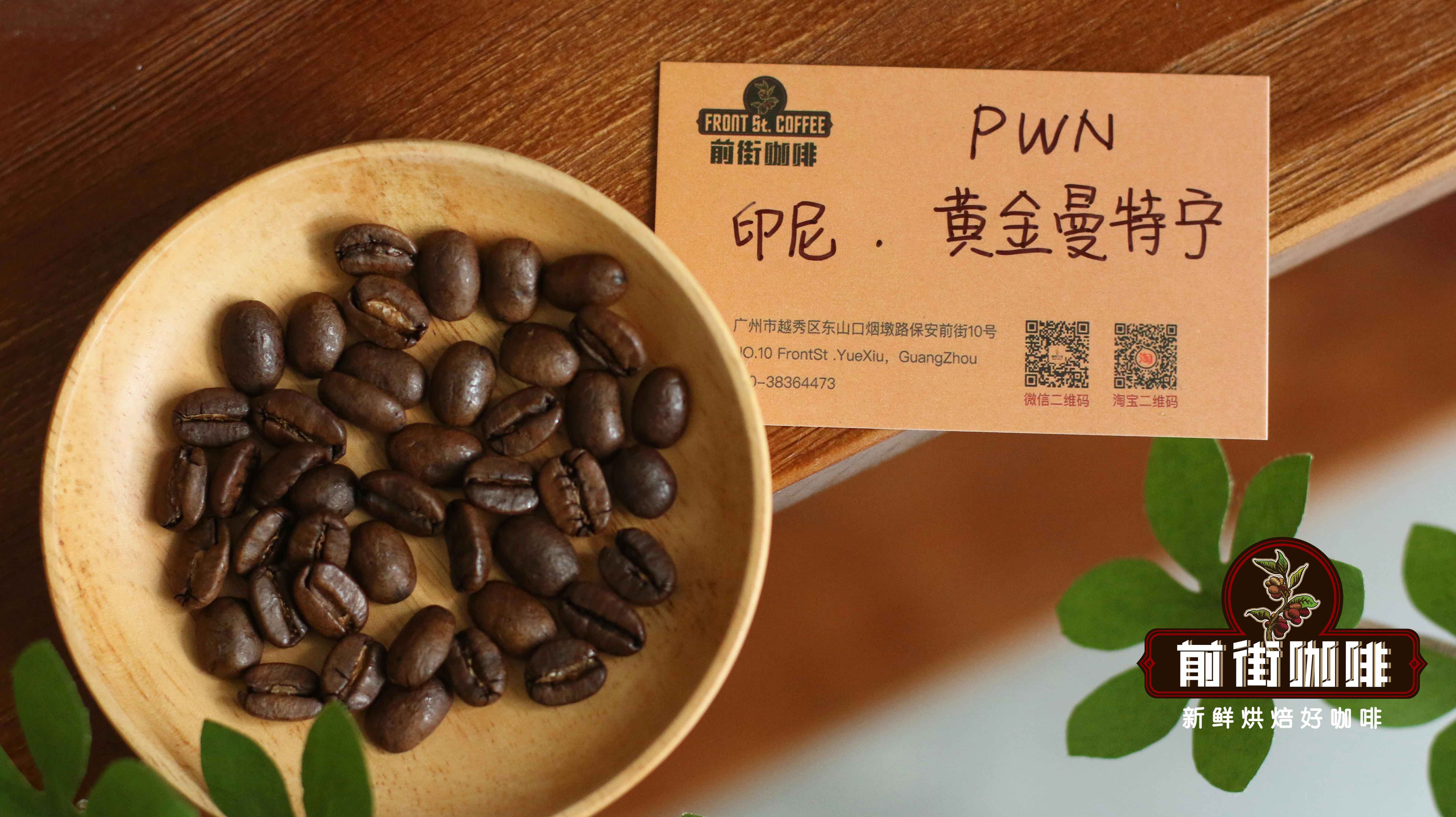
Produced in Sumatra, Golden Mandheling is known for its woody tones, full-bodied mouthfeel, and moderate acidity. Its flavor profile includes herbal medicinal notes, cedar, cocoa, and fermented fruit aromas, with a nutty sweetness in the aftertaste. Carefully selected by the renowned PWN company to ensure defect-free beans, followed by multiple rounds of manual sorting, every bean meets high-quality standards, making it one of Indonesia’s representative specialty coffees.
7. Molokai Coffee
Originating from the island of Maui in Hawaii, USA, Molokai coffee is one of the few organic-certified highland coffees in the region. Grown on a 500-acre plantation, it features distinct floral, berry, and caramel notes, with soft acidity and a lingering chocolate aftertaste. Its consistent quality and unique regional character have earned it a spot among the world’s premium-priced coffees.
8. Saint Helena Coffee
Produced on the remote volcanic island of Saint Helena in the South Atlantic, this island boasts fertile soil and an organic cultivation environment. The green coffee beans exhibit a light jade-green hue, and once roasted, emit subtle citrus and fragrant notes, with soft and layered acidity—making it a highly collectible niche specialty coffee.
9. Santa Inês Coffee
Brazil’s Fazenda Santa Ines plantation is famed for its traditional farming methods and irrigation with natural mineral water. The coffee produced here offers intense berry and caramel aromas, and its natural sun-drying processing enhances sweetness and extends the persistence of the aftertaste. Priced at up to $50 per pound, it is a flagship example of high-quality sun-dried coffee.
10. Blue Mountain Coffee
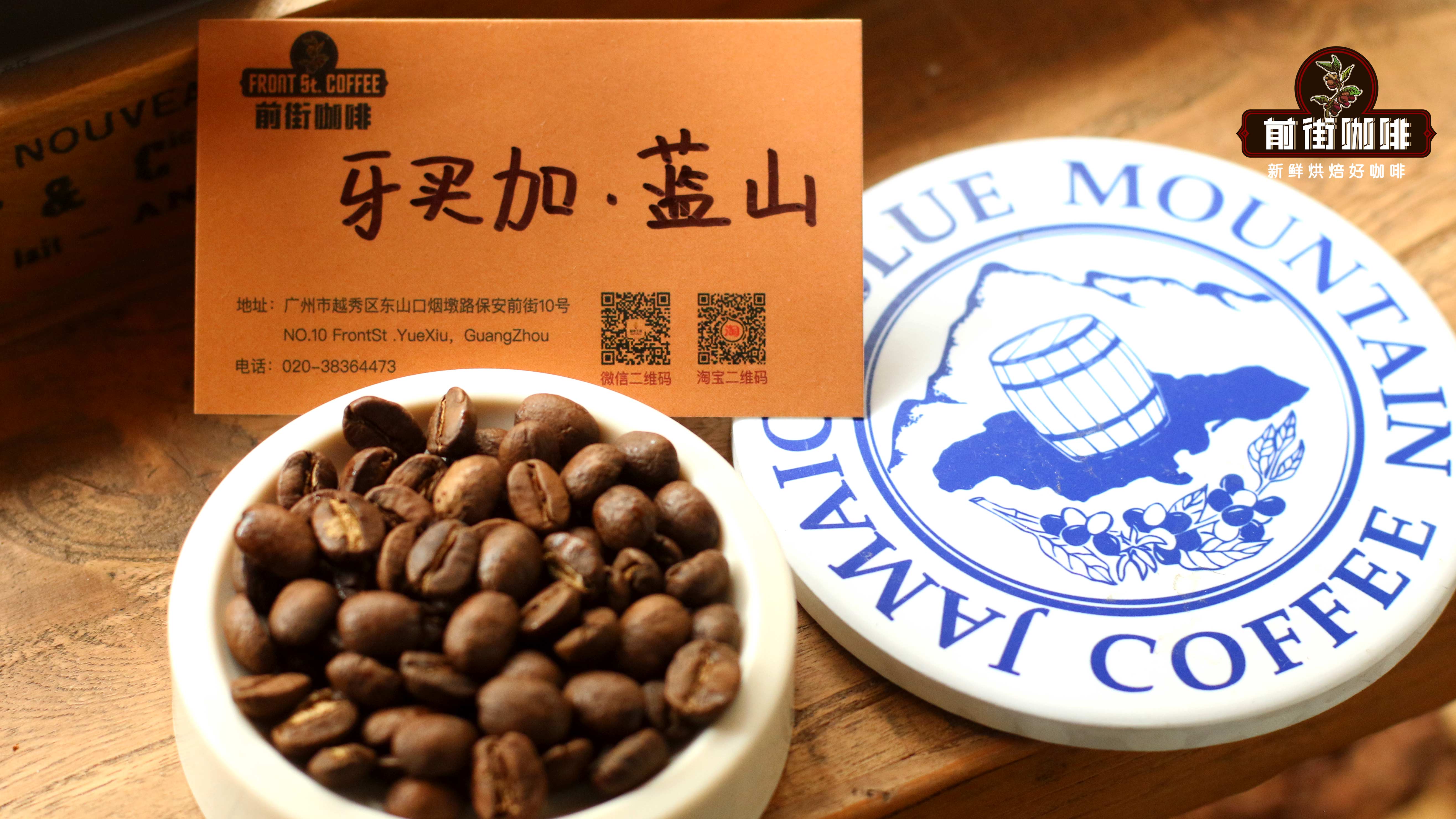
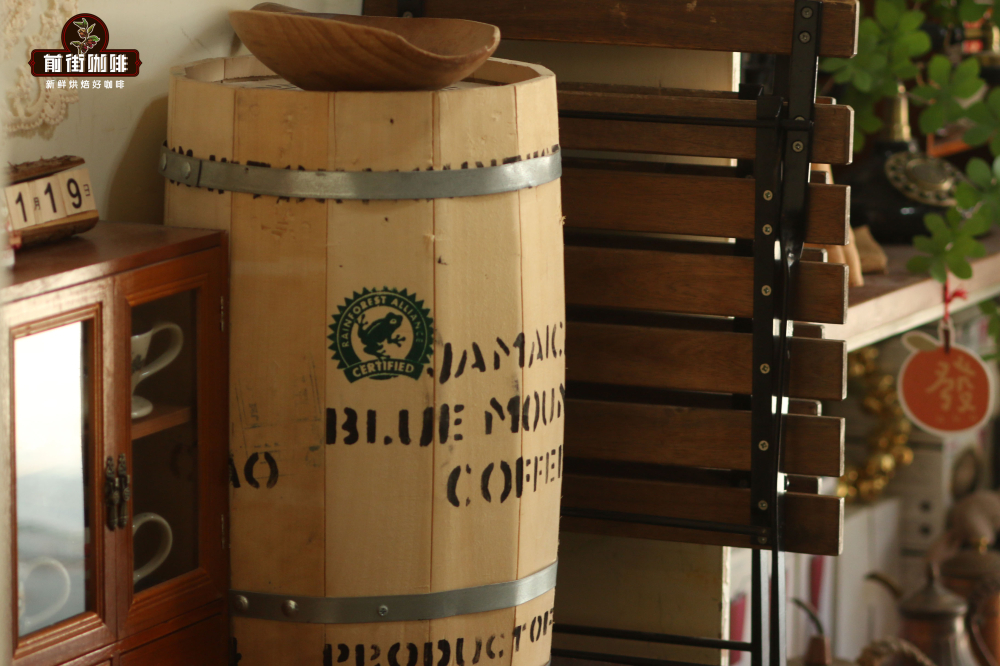
Jamaican Blue Mountain coffee is widely regarded as one of the finest coffees in the world. The Blue Mountains feature fertile volcanic soil and year-round humid, foggy weather (with an average annual rainfall of 1,980 mm and temperatures around 27°C), resulting in a well-balanced sweetness-acidity ratio and full body. The Grade 1 beans from this origin are strictly controlled for raw bean specifications, including a minimum size of 17 mesh, a defect rate below 3%, moisture content of approximately 13%, and transportation in dedicated wooden barrels to ensure consistent quality. In cupping evaluations, it shows rich aroma, smooth mouthfeel, faint yet bright acidity, and a sweet aftertaste with no noticeable bitterness—making it the ultimate choice for pour over single-origin coffee.

The above content is compiled by CoffeeHunters, a coffee news website.

