







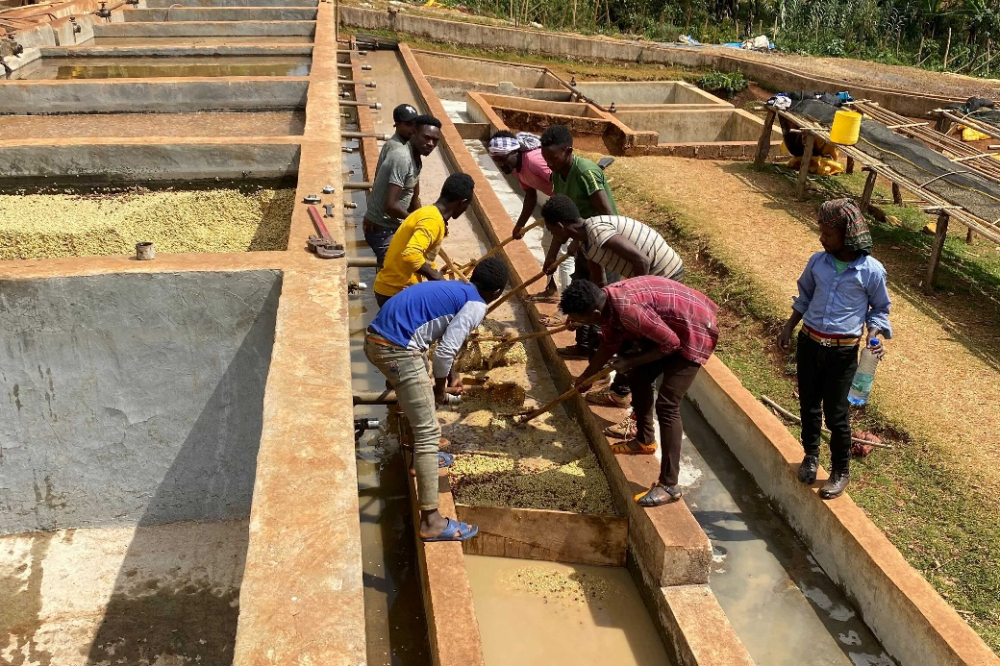
Introduction:From Ethiopia to Yunnan, explore the unique terroirs of globally renowned coffee-growing regions. This article details the characteristics of six classic coffee origins, analyzes the pour-over performance of well-known beans such as Yirgacheffe and Geisha, and provides practical parameters such as altitude, processing methods, and flavor correlations to help you precisely select coffee beans that suit your personal taste.
[Origins of Coffee and an Overview of Global Coffee Regions]
As one of the world’s three major beverages, coffee has become an important part of modern life despite being introduced to China only a little over a hundred years ago. Ethiopia, the birthplace of coffee, has the Yirgacheffe region, which, thanks to its unique terroir, produces beans with richly layered flavors, making it a popular starting choice for many coffee enthusiasts.
[In-depth Analysis of the Ethiopian Yirgacheffe Region]
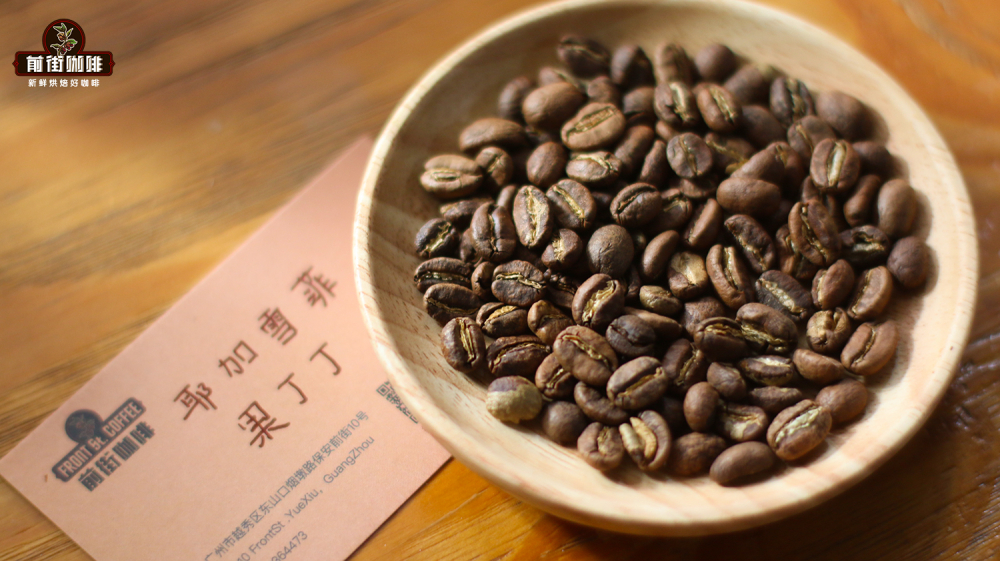
Yirgacheffe was originally a sub-region of Sidamo, but due to the uniquefloral and fruity characteristics of its beans and the advantages of high-altitude cultivation (2000–2100 meters),it eventually became an independent region.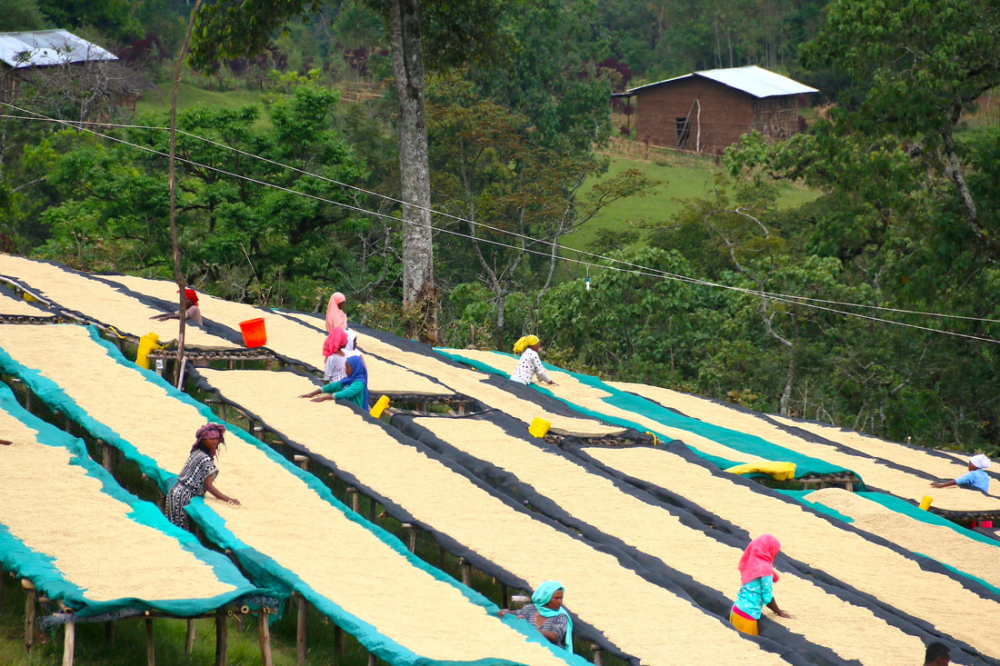 The local heirloom varieties, after being processed using the washed method, exhibit a brightcitrus acidity, black tea undertone, and creamy caramel finish,which Han Huazong described in "The World of Specialty Coffee" as tasting like "a garden in full bloom." It truly serves as a flavor textbook for pour-over beginners.
[The African Gem: The Variety Code of Kenyan Coffee]
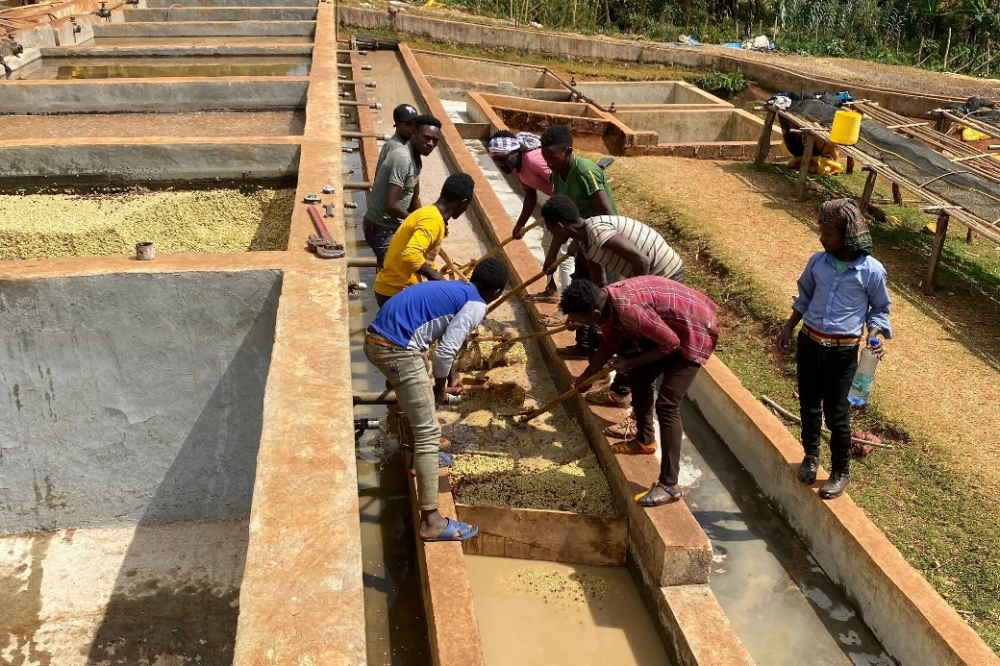
Kenyan coffee is famous for its SL28 and SL34 varieties, which were cultivated by national laboratories and are adapted tomid-to-high altitudes (1550–1750 meters).Environment.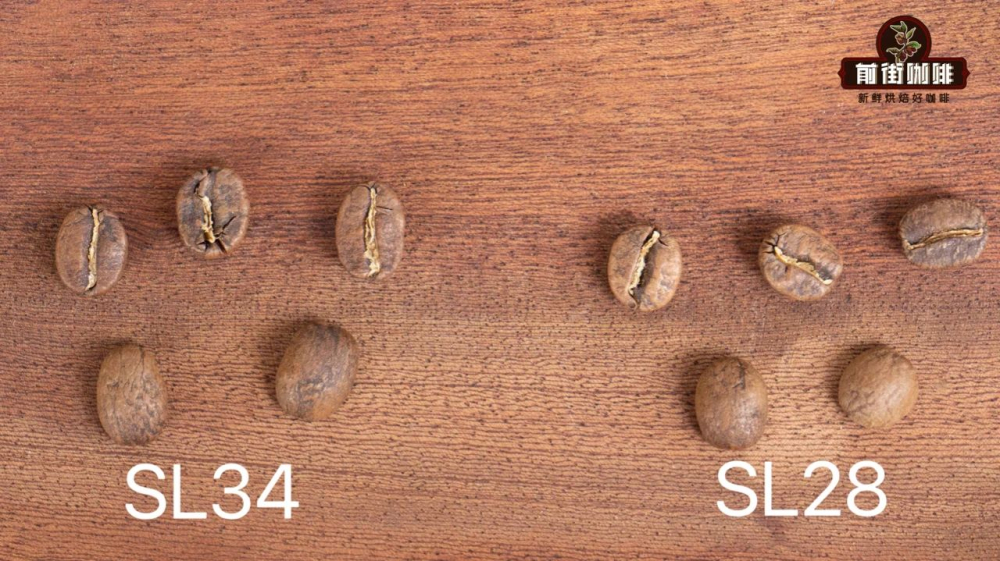 Its signature blackberry acidity comes fromthe K72 multi-stage fermented washed process,—enhancing the purity of fruit acidity through 72 hours of staged fermentation, combined with the phosphate-rich red soil of the Thika region, resulting in unique flavor combinations such as black plum and cherry tomato.
[The South American Giant: Brazil’s Balance in Coffee]
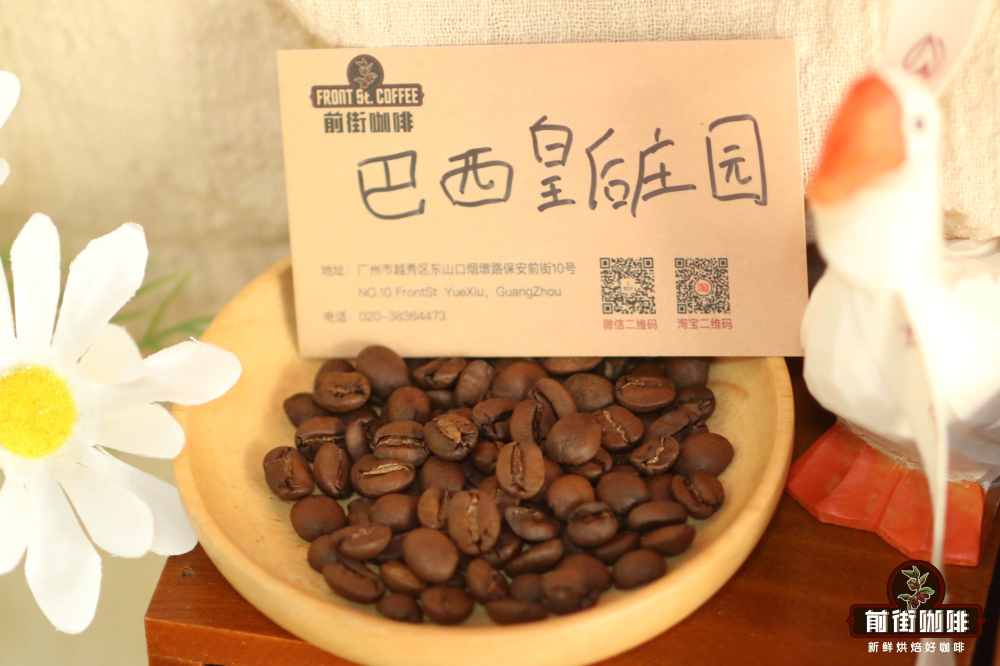
As the world’s largest coffee-producing country, Brazil relies onlow-altitude cultivation at 400–1600 metersand sun-dried farming methods to producelow-acidity, full-bodied beans with nutty and chocolatey profiles..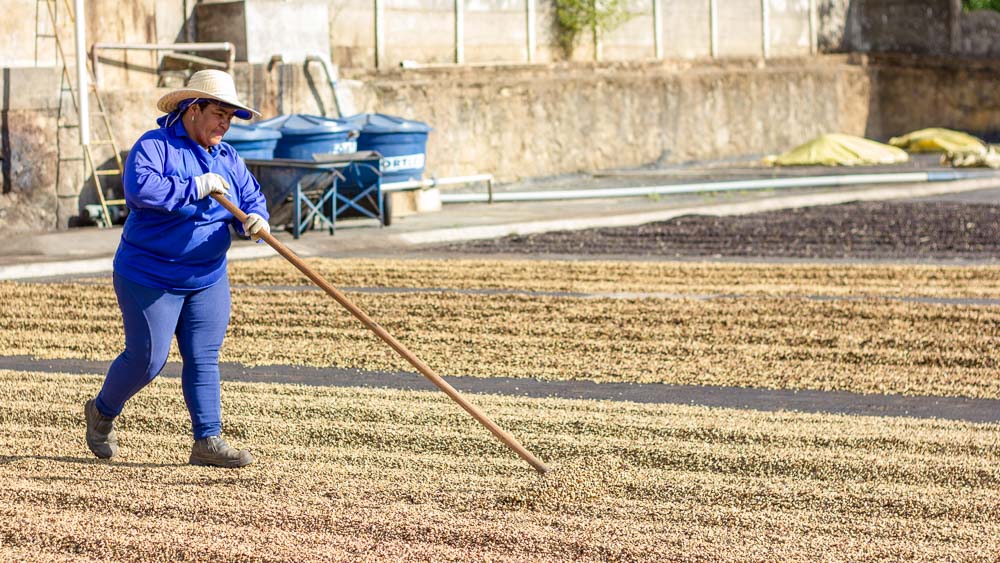 The Yellow Bourbon variety, when processed using the natural method at elevations of 1400–1950 meters in the Mogiana region, particularly highlights nutty and sugarcane flavors, making it suitable for consumers who prefer milder tastes.
[Indonesian Characteristic: A Flavor Experiment with Wet Hulling]
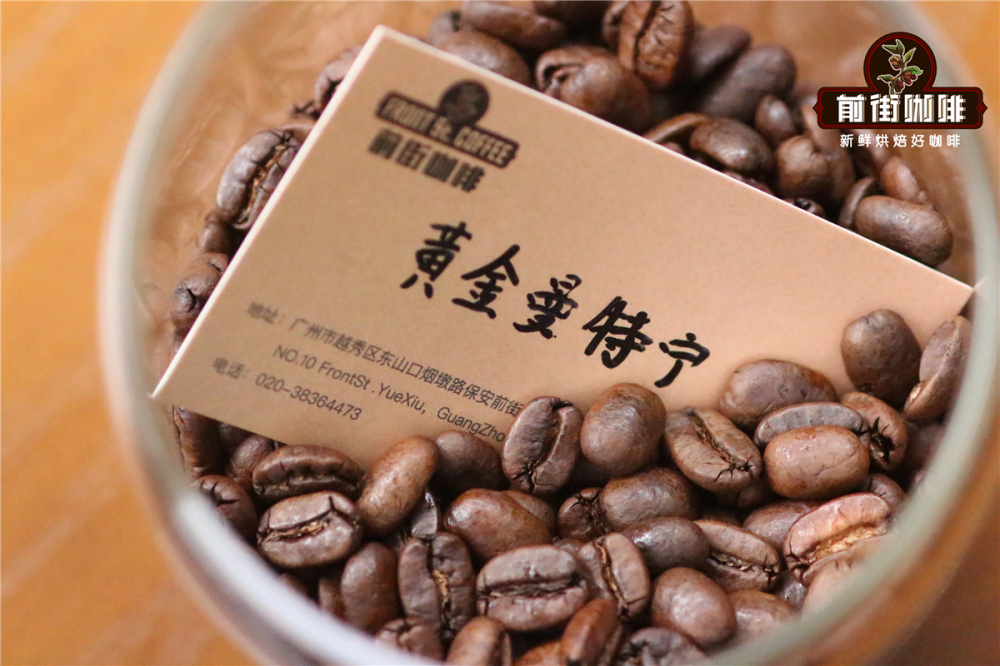
Sumatra Mandheling employswet hulling (Wet Hulling):the parchment layer is removed when the coffee bean moisture content is between 20%–35%, accelerating drying down to 11%.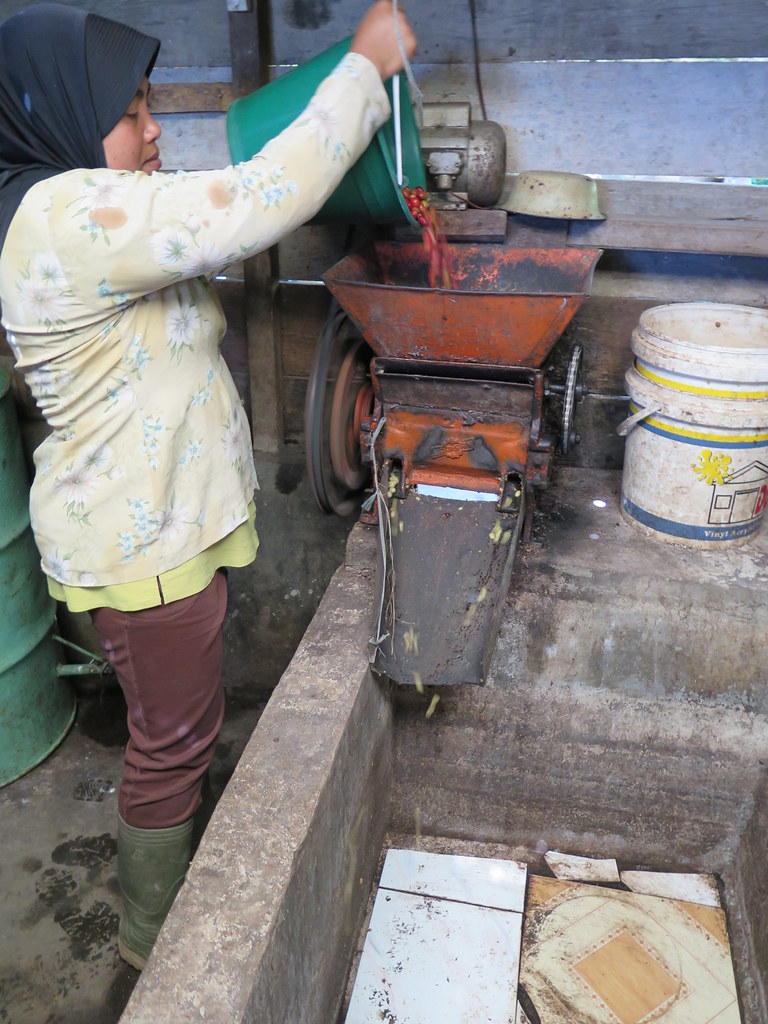 This special process gives Golden Mandhelinga low-acidity, thick-bodied flavor with a herbal and spicy base,though batch stability can vary.
[Central American Specialty: The Legend of Panamanian Geisha]
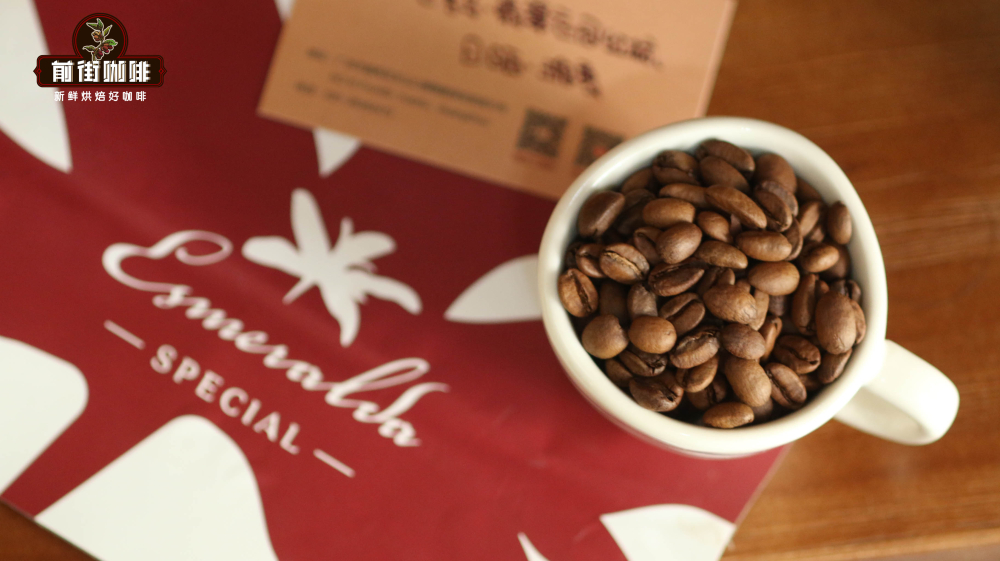
The Geisha variety from Hacienda La Esmeralda growsin high-altitude shaded environments above 1700 meters,with natural processing preserving the full range of floral and fruity compounds.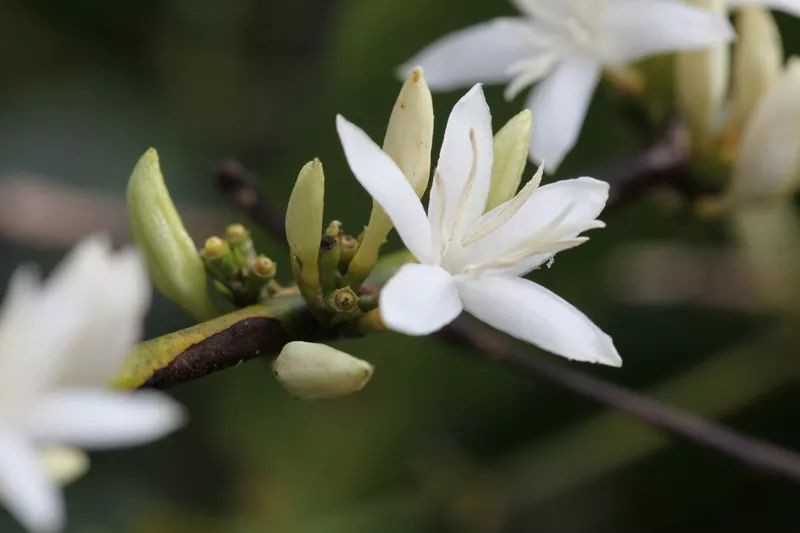 The Red Label Geisha showcasesa delicate balance of jasmine, citrus, and berries,and after winning the BOP in 2004, it became a benchmark for specialty coffee.
[An Emerging Force: The Evolution of Chinese Yunnan Coffee]
From Typica to Catimor varieties, the Lincang region of Yunnan (at an altitude of 1300 meters)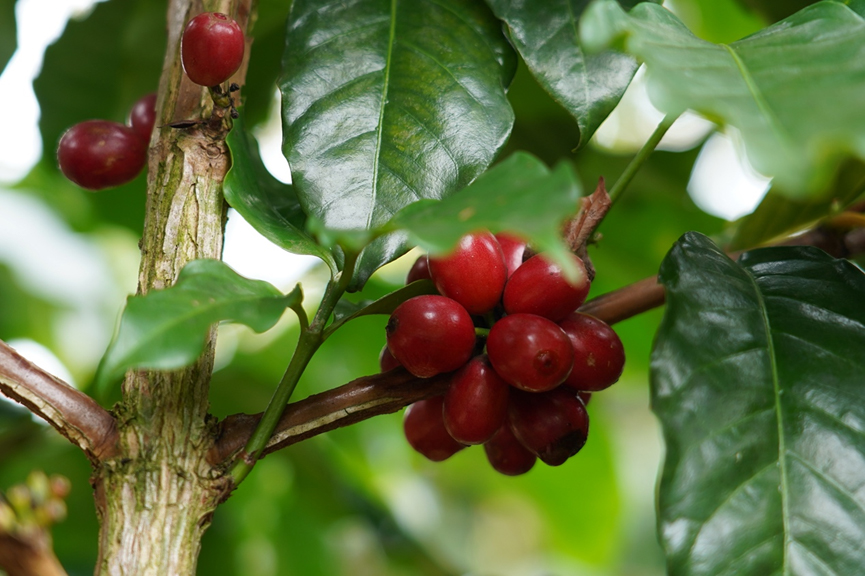 has developed a unique style through natural processing that blendsberries, brown sugar, and tea-like notes,reflecting the varietal improvement journey of Asian coffee farms.

The above content is compiled by CoffeeHunters, a coffee news website.

