







Introduction:From Panama Geisha to Yunnan Catimor, this article selects 10 globally renowned single-origin coffee beans with distinctive flavor profiles, analyzing their regional characteristics and brewing performance. It also provides professional-grade pour over brewing methods. Covering key parameters such as three-stage pouring techniques, water temperature control, and grind size selection, it helps beginners establish a scientific extraction logic while offering an in-depth interpretation of each bean’s unique flavor layers.
A Terroir Journey of Global Specialty Coffee Beans
Featuring ten renowned origin beans spanning five continents: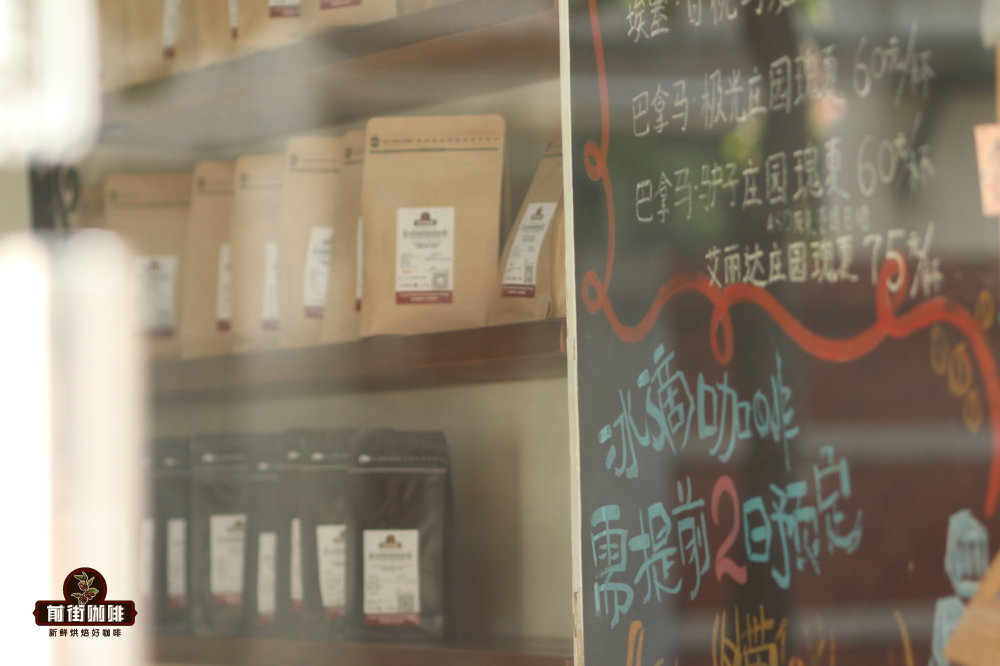 Including the complex fruity-floral notes of Panama Emerald Estate Red Label Geisha, the rich dark chocolate finish of Jamaica Blue Mountain No.1 Typica, and the spicy nutty aroma of Indonesia Golden Mandheling. Each bean is labeled with precise altitude (e.g., Yirgacheffe Guji Dingding Cooperative grows at 2000–2100 meters above sea level), processing method differences (wet-hulled vs. natural), and variety characteristics (genetic expressions of Ateng native variety and SL28).
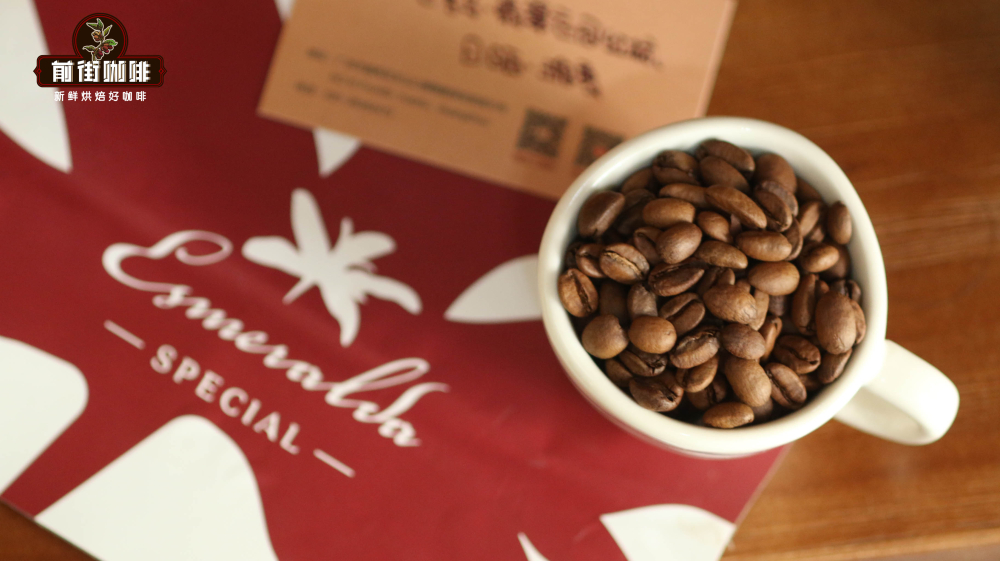
In-Depth Analysis of Panama Emerald Red Label
The Geisha variety grown in the volcanic soil of Boquete,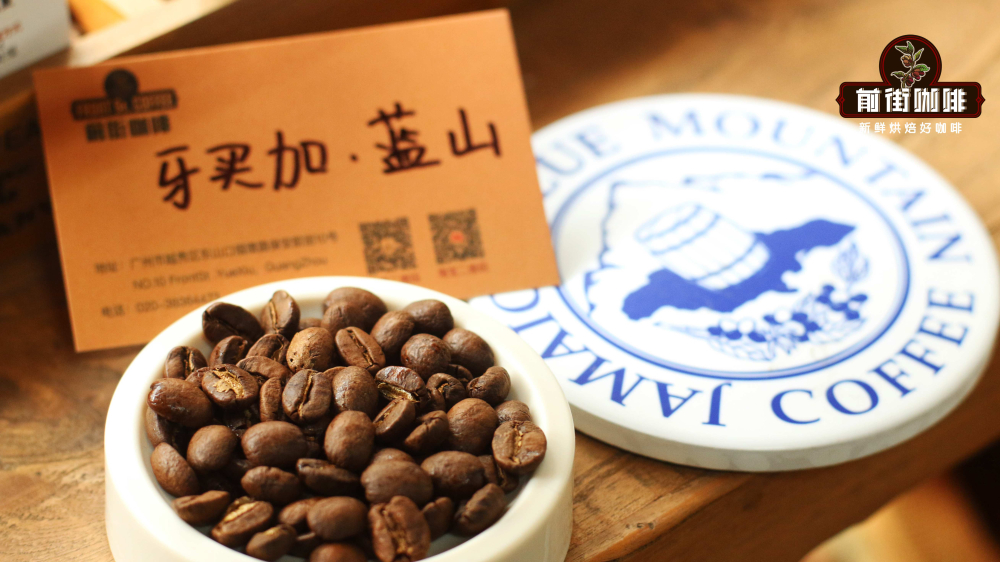 after being processed using the natural method at 1700 meters altitude, exhibits bright citrus acidity and a long-lasting black tea-like aftertaste. Note that its rose floral notes require activation through medium-fine grinding (78% passing rate through a Chinese No. 20 sieve) paired with 92°C water temperature. A 1:15 powder-to-water ratio is recommended to balance sweetness and acidity.
The Gold Standard of Blue Mountain No.1
The Typica variety grown at 1310 meters altitude in the Jamaica Blue Mountains,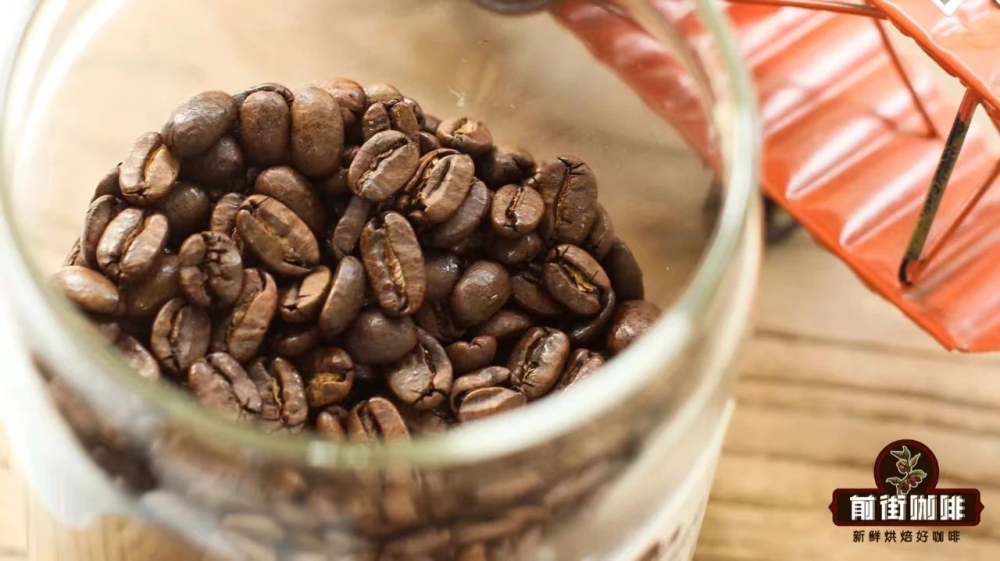 washed processing gives it its signature gentle sweet-acid balance. Brewing requires extending the blooming time to 40 seconds. Due to the denser bean structure from Clifton Estate, it is advised to use a V60 filter cone with 90–91°C water temperature to avoid over-extraction.
The Spice Aesthetics of Indonesia Golden Mandheling
The G1 grade Ateng variety, triple-hand-selected by PWN company,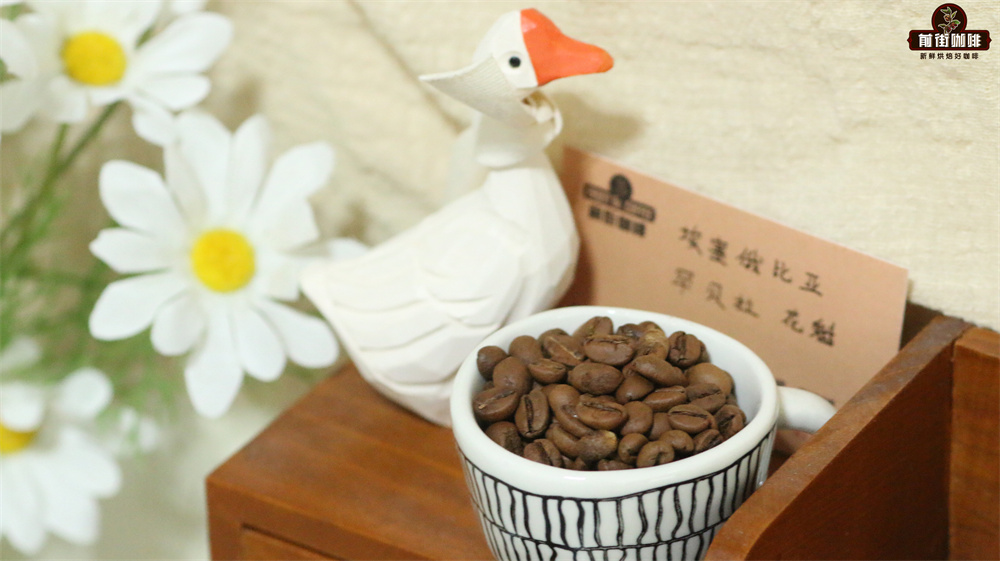 wet-hulled processing brings a unique herbal spice base. Its low-altitude characteristics (1100–1600 meters) call for medium-coarse grinding (approximately 80% passing rate), with 93°C water to highlight the transition of dark chocolate and caramel layers.
Key Parameters for Pour Over Brewing
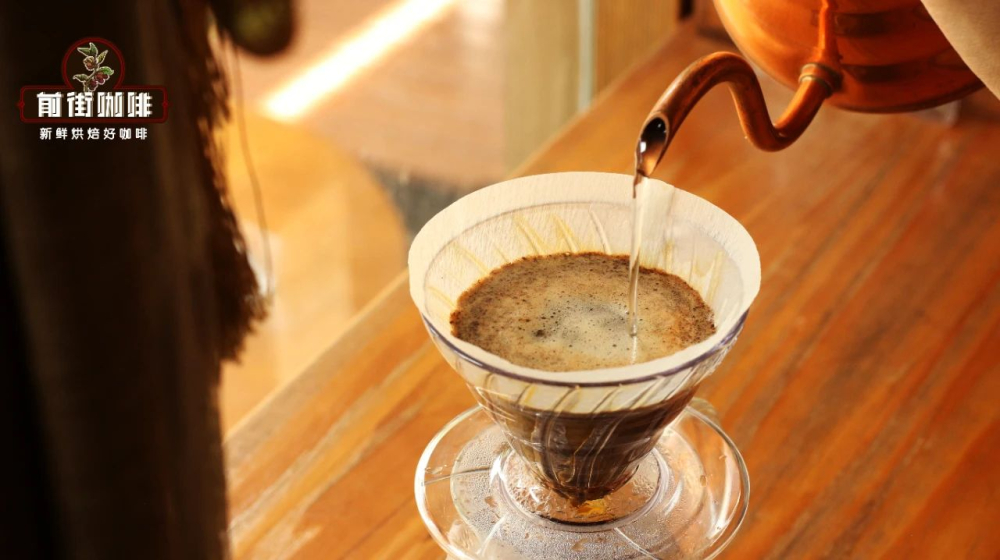
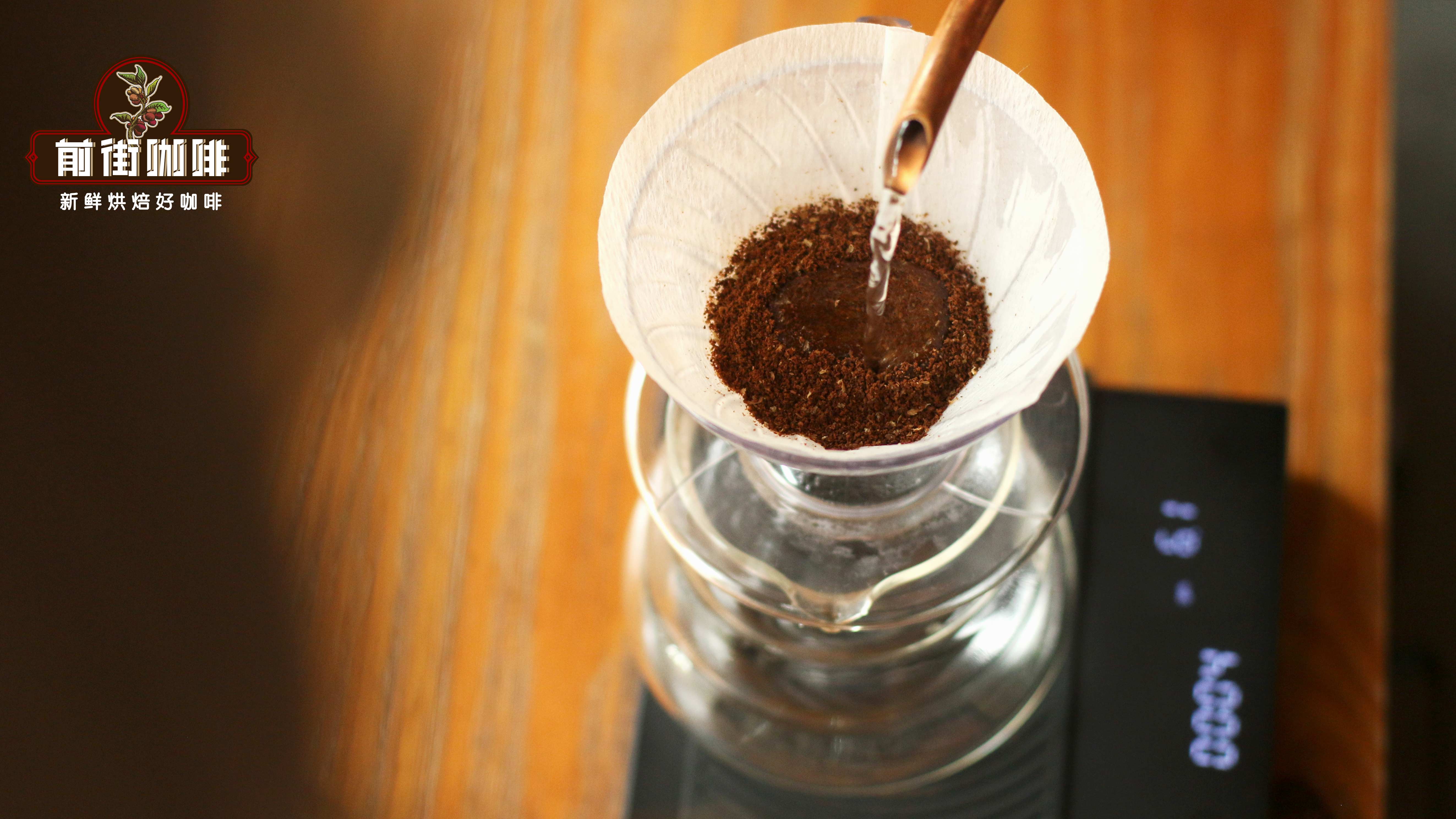
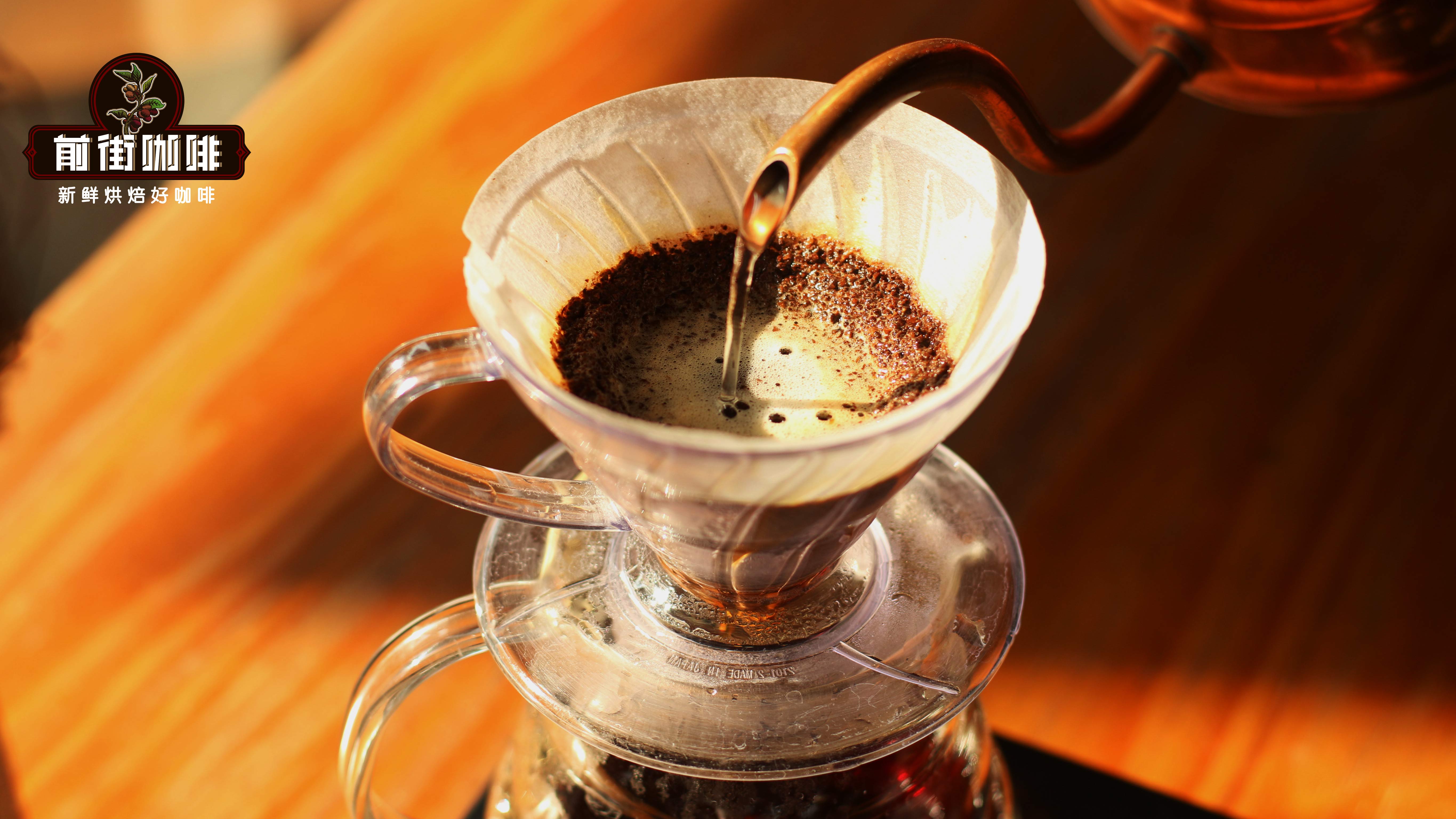
Recommended three-stage pouring method: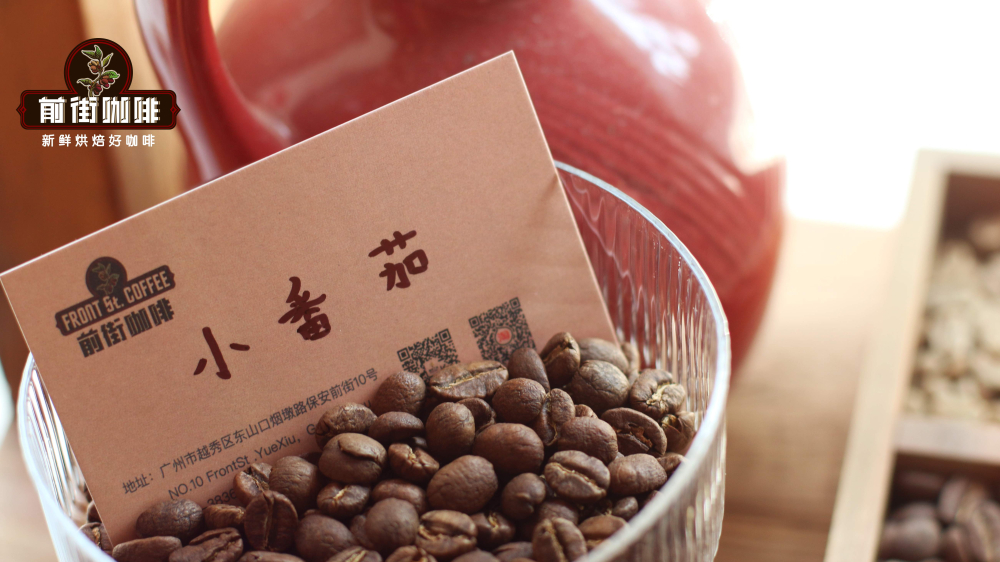 First stage: 30ml center pour to bloom for 30 seconds to activate degassing; second stage: 95ml fan-shaped pour to lift the coffee bed; final stage: 100ml slow pour to finish. Total water volume of 225ml corresponds to a 1:15 ratio for 15 grams of coffee, with total extraction time controlled within a 2-minute ±10-second range.
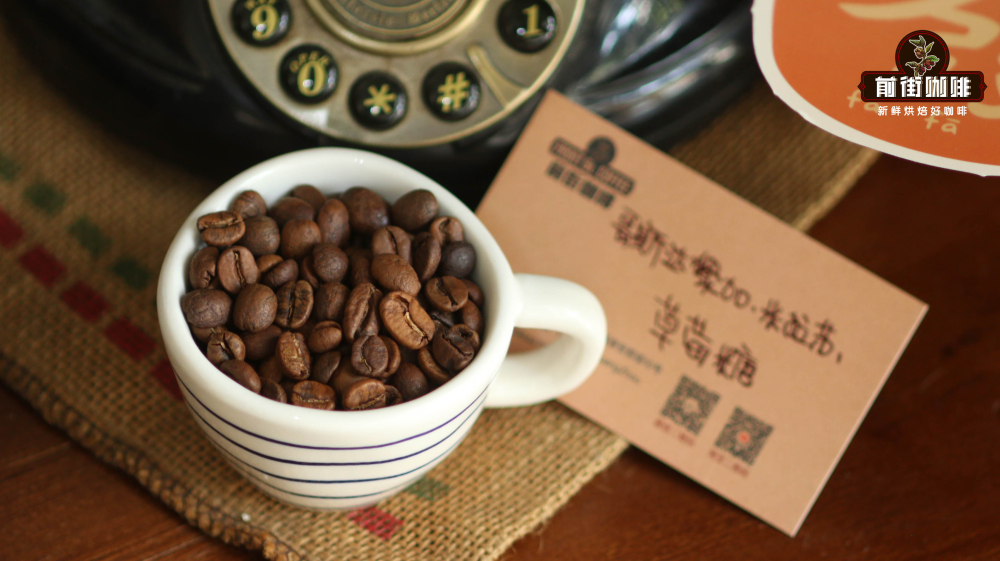
Precise Control of Grind Size and Water Temperature
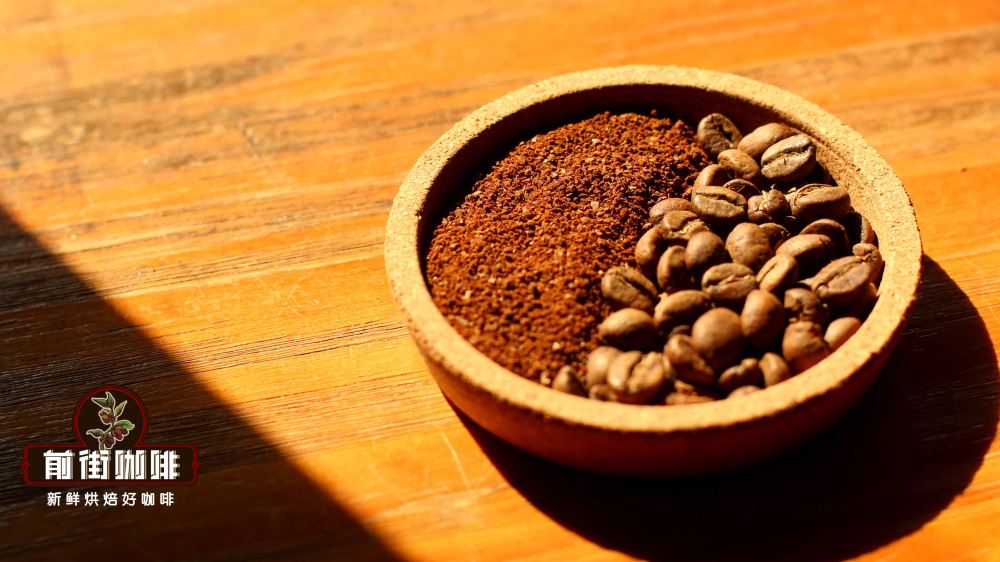
Lightly roasted beans (e.g., Yirgacheffe) suit a high temperature of 92–93°C,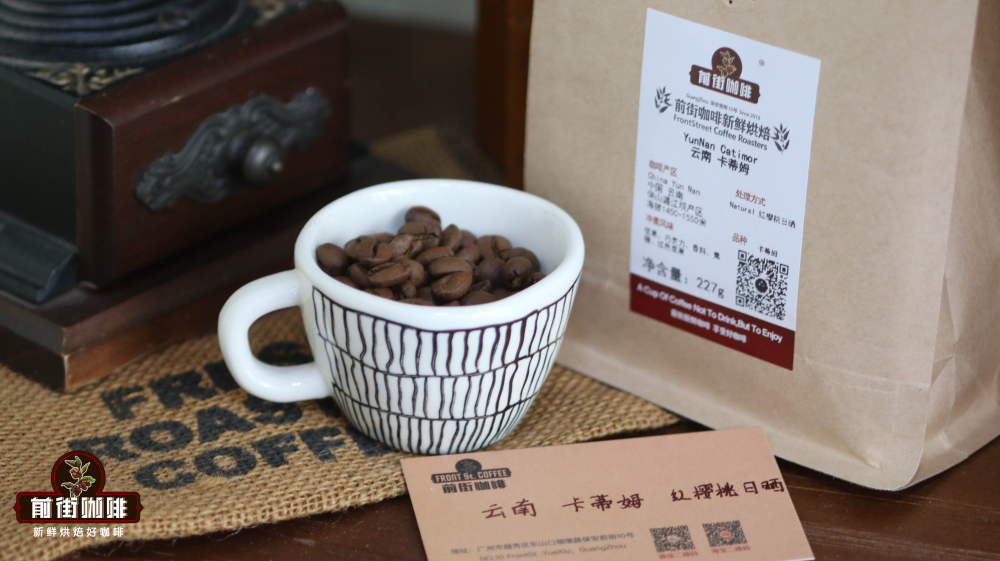 while medium-dark roasted beans (e.g., Brazil Queen Estate) should be reduced to 88–90°C. Grind reference: sugar-like texture suits most single-origin beans, extremely fine grinds may cause channeling, while overly coarse grinds result in weak flavors.
Complete Guide to Ten Bean Varieties
Includes the raisin-like honey-processed sweetness of Costa Rica Strawberry Sugar,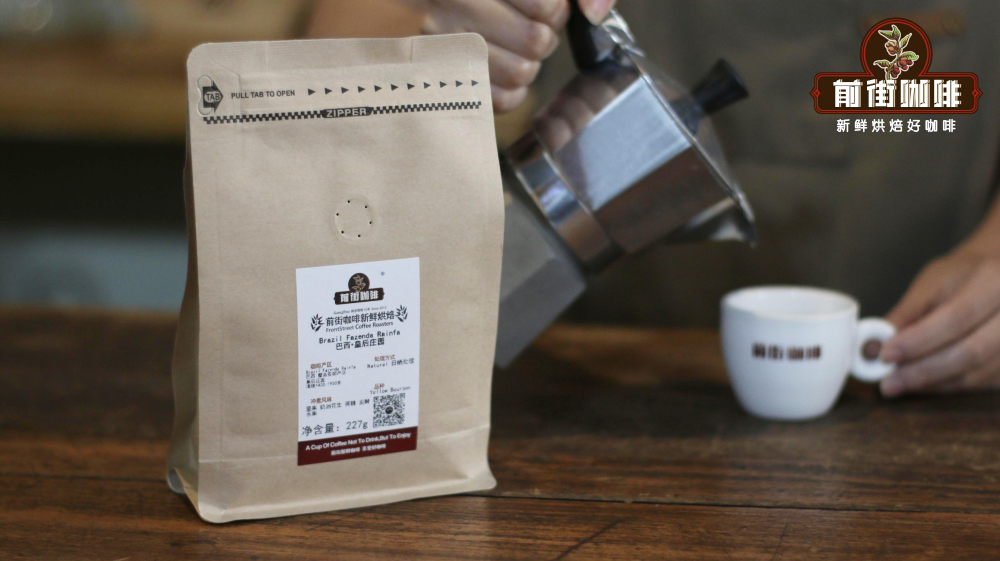 the dark plum acidity of Kenya’s 72-hour washed process, the berry tones of Yunnan Baoshan fully red fruit natural process, and other diverse styles. Each is accompanied by information on the processing mill and best-before recommendations (ideally used within 5 days post-roast).
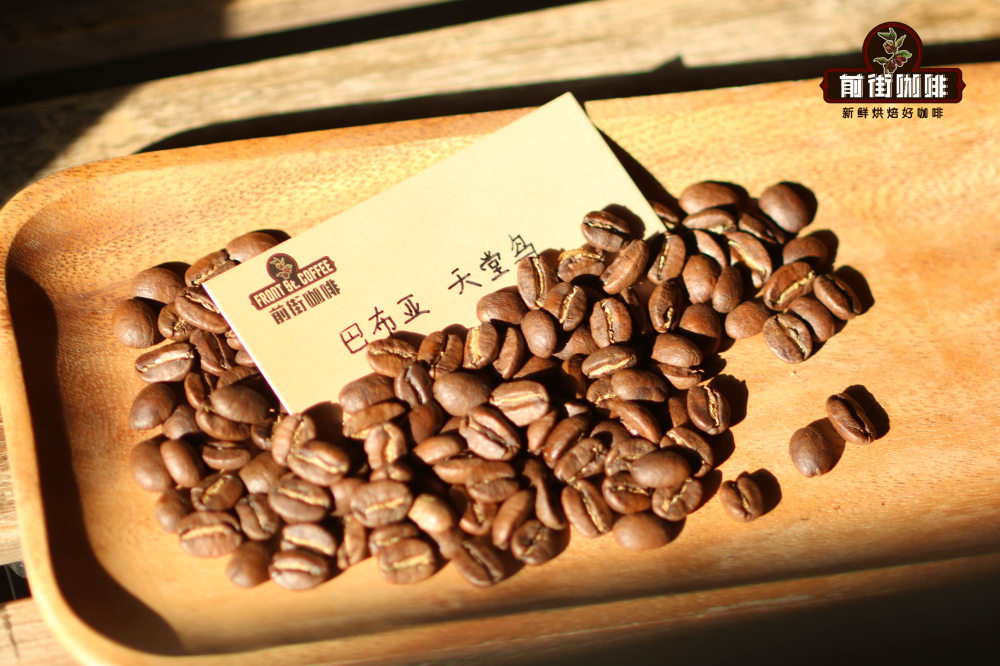
Advanced Adjustment Suggestions
Fine-tune ratios based on personal taste preferences: for a richer body, increase to a 1:14 powder-to-water ratio; for a clearer acidity, use 1:16. Note that filter cone choice affects flow rate (e.g., V60 suits high fluidity, Kalita Wave is better for even extraction), and regularly clean residual oils in the filter cone to maintain flavor purity.
The above content is compiled by CoffeeHunters, a coffee news website.

