







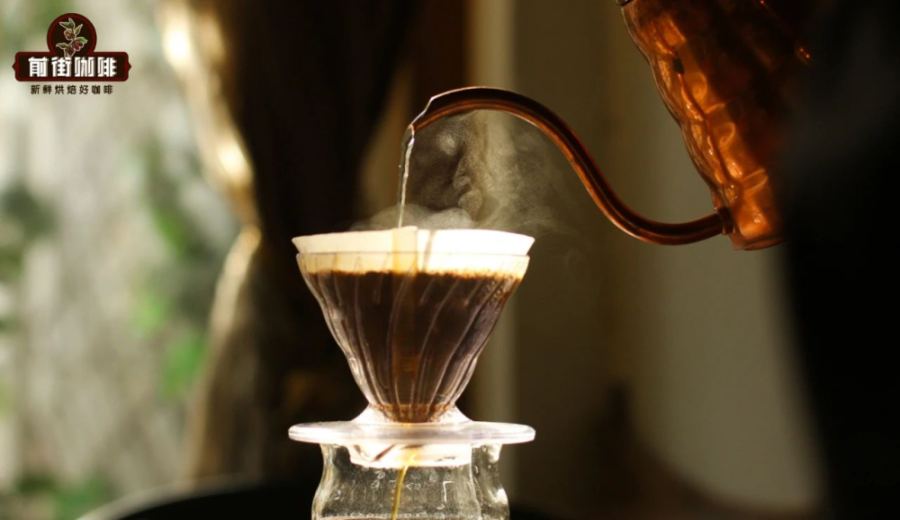
Introduction:Selecting specialty coffee beans suitable for pour over brewing requires balancing regional characteristics with roast level. This article provides an in-depth analysis of flavor profiles from renowned origins such as Jamaican Blue Mountain, Panamanian Geisha, and Ethiopian Yirgacheffe, detailing everything from acidity-sweetness balance to body. Practical extraction parameters are also included. Whether you're a beginner or a seasoned enthusiast, you'll find logical guidance for choosing beans that match your personal taste preferences.
The flavor foundation of pour over coffee begins with the bean's origin and processing method.A high-quality green bean must undergo appropriate roasting to reveal layered aromas and textures during pour over brewing. Global origin regions, influenced by climate, soil, and altitude differences, produce distinctly unique flavor personalities ranging from bright fruity acidity to rich nutty profiles. Below are five classic origin representative beans, analyzed for their unique traits and practical selection guidance.
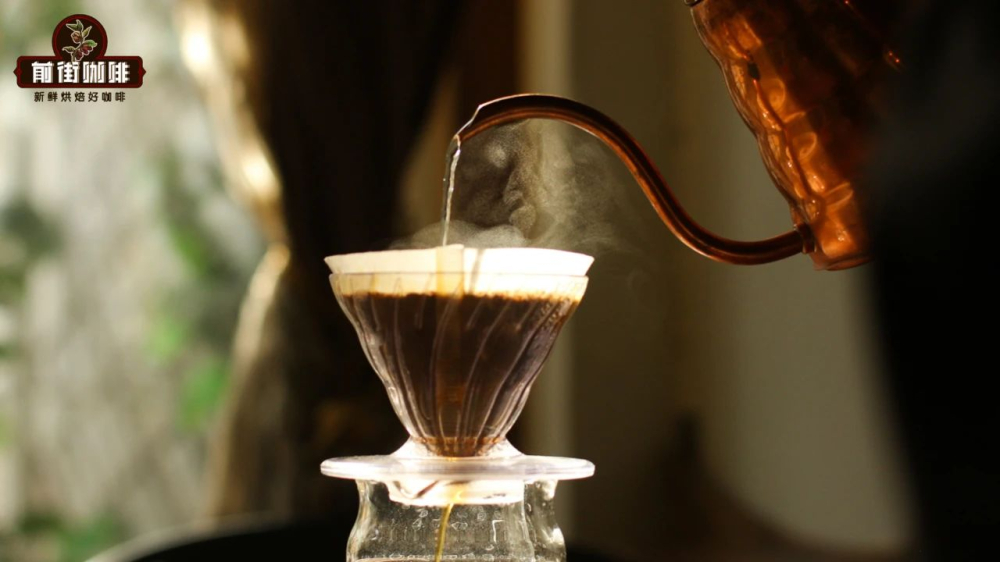
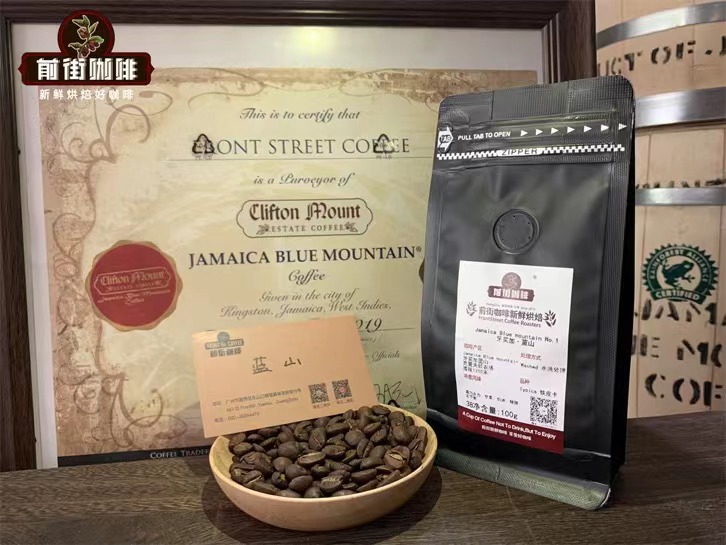
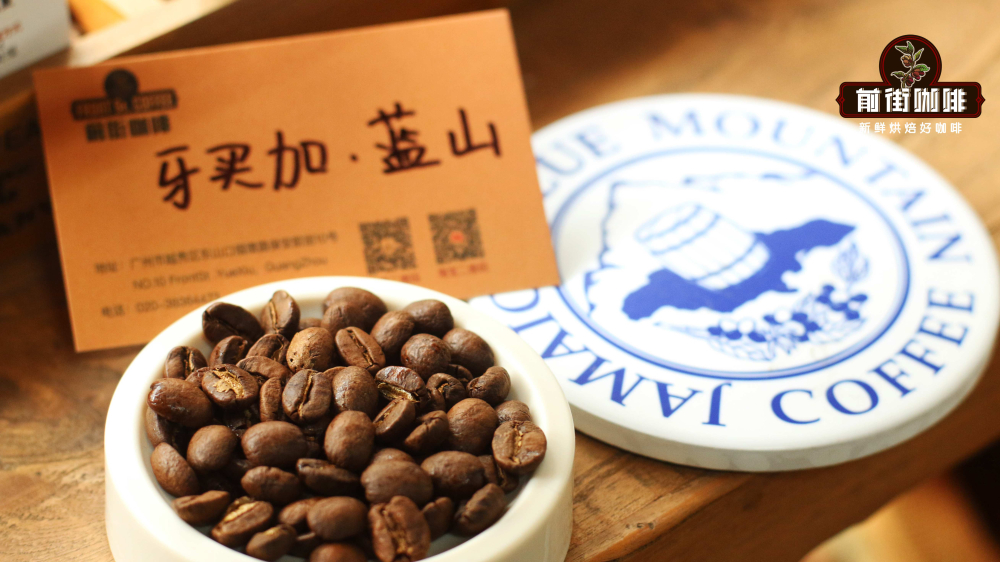
Revered asthe "Emperor of Coffee,"Jamaican Blue Mountain No.1 is grown at elevations between 1200 to 1700 meters in highland regions. This area features cool average temperatures and fertile volcanic soil, with a harvest period extending up to 10 months—far longer than typical origins.Only 80% of annual production is exported, with 90% going to Japan. Hand-picking ensures uniform fruit ripeness. The brew presents a full body, with mid-palate acidity as soft as black plum and a honey-like sweetness in the finish. Recommended pour over parameters: 88-90°C water temperature, medium-fine grind (70% passing through China’s standard #20 sieve), 1:15 ratio, brewed for 2 minutes.
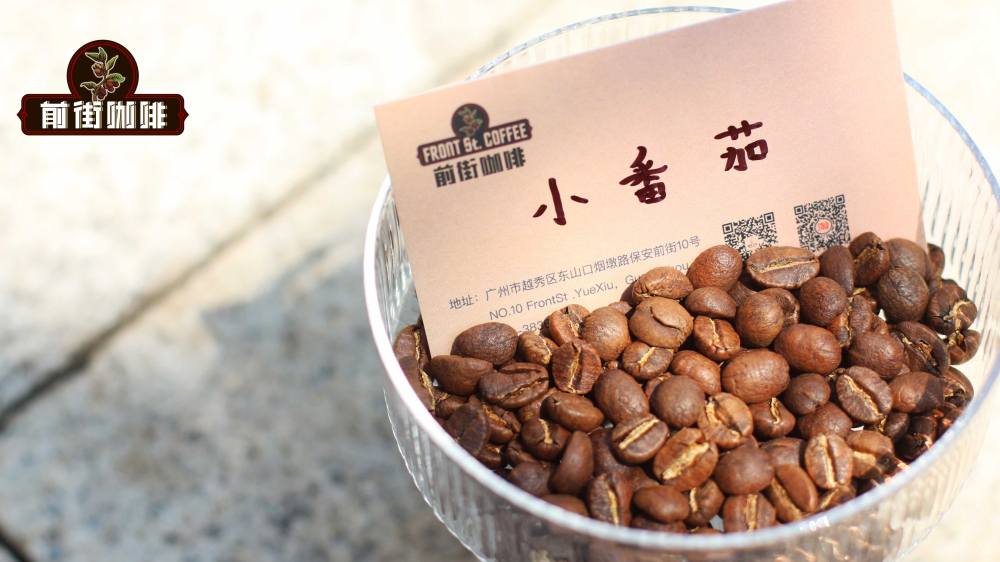
Kenyan coffee is famed for itsvibrant berry acidity and wine-like body tension,with the country’s government using an auction system to incentivize farmers to improve quality.Within its bean grading system, AA grade (diameter over 8.2mm) is the highest tier,such as the small tomato variety. Its flavor profile features tomato-like acidity intertwined with black sugar sweetness, akin to red wine tannins, with exceptional clarity. For pour over, use 90-92°C high temperature to accentuate fruit acidity, with a coarse grind (60% passing rate) and 1:16 ratio to highlight bright lemon and black tea finishes.
Sumatra Mandheling is a quintessential representative of Asian beans, with its low acidity and heavy body forming a distinctive identity. Traditional wet-hulled processing impartsearthy, herbal, and woody notes,while darker roasts enhance caramel and dark chocolate flavors.Common debates stem from its intense personality—enthusiasts appreciate its rich spice character, while detractors find the flavor too heavy.Recommended parameters: 86-88°C low temperature slow extraction, medium-coarse grind (65% passing rate), extended to 2 minutes 30 seconds to reduce bitterness while preserving pine and tobacco notes.
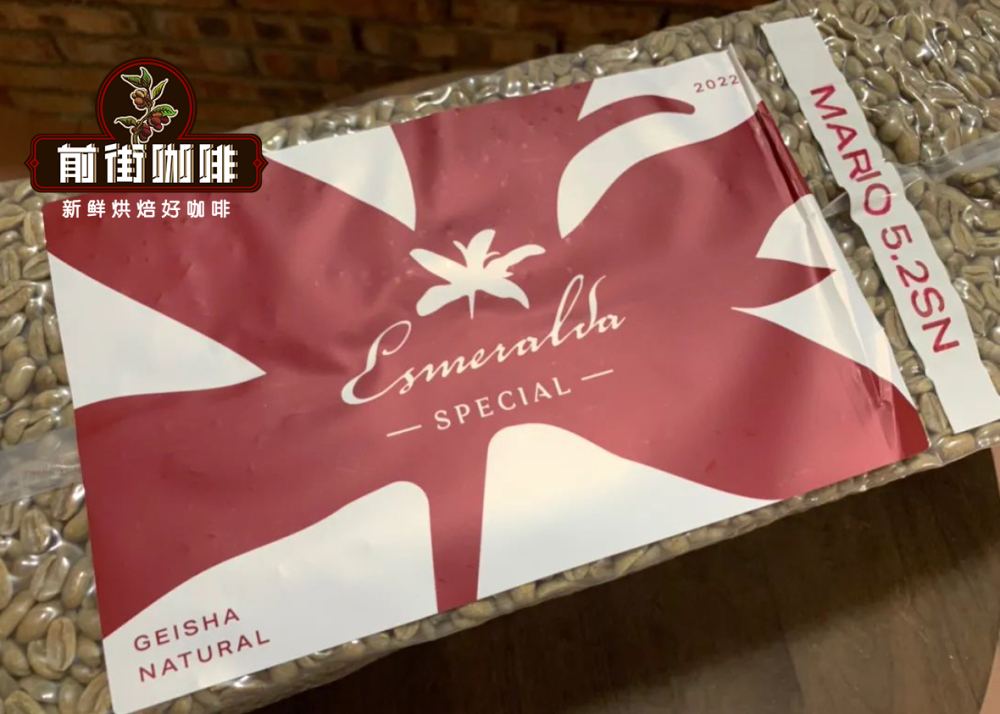
Panamanian Geisha (Geisha), though originating from Ethiopia, reaches its flavor pinnacle in Panama’s Hacienda La Esmeralda.Its tea-like body and explosive floral-fruit aromas are highly sought after by global pour over enthusiasts,with Red Label batches being auction-grade specialties. The brew clearly presents citrus, peach, and jasmine notes, accompanied by a bergamot-like fresh finish. Optimal parameters: 90°C water temperature, extremely fine grind (80% passing rate), 1:14 ratio, quick extraction (1 minute 45 seconds) to avoid aroma loss from over-steeping.

Ethiopian Yirgacheffe, as the birthplace of coffee’s genetic diversity, features the Gedechu micro-region known for itstea-like body and complex citrus-floral flavor profile.Washed-process beans exhibit high cleanliness, with bright lemon-like acidity and honey-like sweetness. This bean type suits those seeking a refreshing taste, recommended at 88-90°C water temperature, medium grind (75% passing rate), 1:16 ratio, and 2-minute extraction to balance floral-fruity notes with body. Sub-regions like Aralecha and Kochere within this zone are also worth exploring for advanced enthusiasts.
Key considerations when selecting pour over beans:Freshness directly impacts flavor performance; choose beans roasted within 2-4 weeks.Storage should be light-proof and airtight, ideally in a dry environment at 10-20°C. Different origin beans vary in sensitivity to grind size and water temperature—for example, high-altitude hard beans may require slightly finer grinds to improve extraction, while low-density beans need the opposite. By systematically adjusting parameters, every coffee lover can discover their own personalized flavor map.
The above content is compiled by CoffeeHunters, a coffee news website.

