







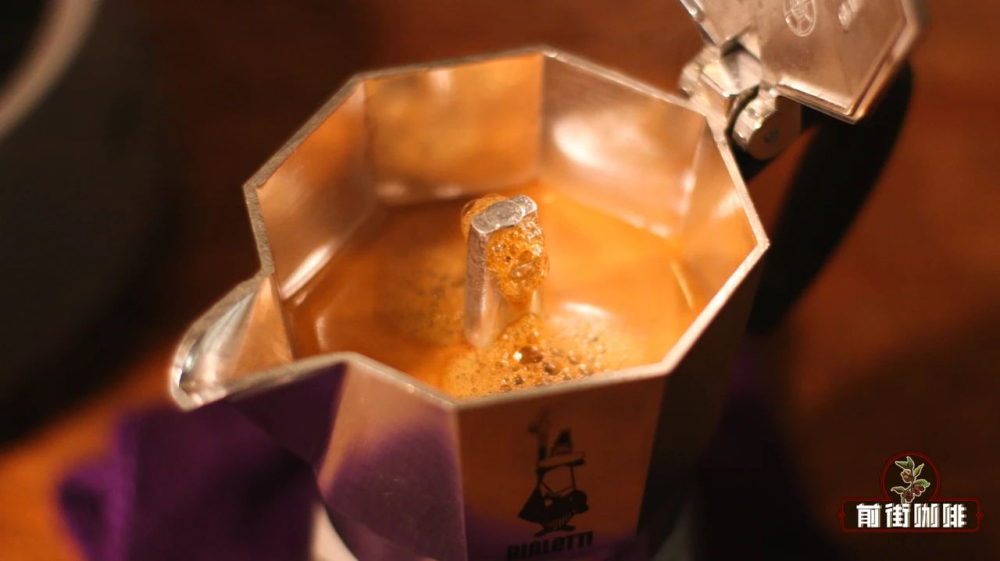
Introduction:The moka pot is a classic Italian household coffee brewing device. With its simple structure, it can extract flavors similar to espresso. This article details the correct steps for using a moka pot, suitable stovetops (including whether an induction cooker is viable), the optimal timing to turn off the heat, and explains why the first brew by beginners is not recommended for drinking. From historical background to practical tips, help you master the brewing techniques of this classic device.
The moka pot can be considered one of the representatives of Italian coffee culture and is a common kitchen appliance in almost every Italian household. In recent years, with the rise of camping activities, many coffee enthusiasts tend to choose devices that are easy to operate. Thanks to its simple structure and only requiring a heat source, the moka pot has become a popular choice for both outdoor and home brewing.
To understand the moka pot, we must start with its history. When coffee was introduced to Italy in the 16th century, it was an expensive foreign beverage, mostly enjoyed by the wealthy class in coffeehouses, and was primarily served through filtration methods at the time. With industrialization and the growing demand for coffee, people began to seek more efficient brewing methods, and the concept of utilizing steam pressure gradually took shape.
As early as 1884, the first coffee machine that used steam power for pressurized extraction was born and patented, which is the prototype of today’s espresso machines. However, early models were large in size and limited to commercial use. Although American-style bars offered quick brewing services, they were only available to male customers, and ordinary households still found it difficult to enjoy the pleasure of espresso.

It wasn’t until 1933 that Italian designer Alfonso Bialetti, inspired by the steam principle of old-fashioned washing machines commonly used by women at the time, applied this “squeezing from the bottom up” concept to the design of a coffee brewing device. He created the first home pressure-style coffee maker, naming it the “Moka Express.” The name combines the Latin word for “squeeze,” symbolizing the extraction of the essence of coffee through pressure. This design quickly gained popularity in Italy and became a classic tool for home brewing.
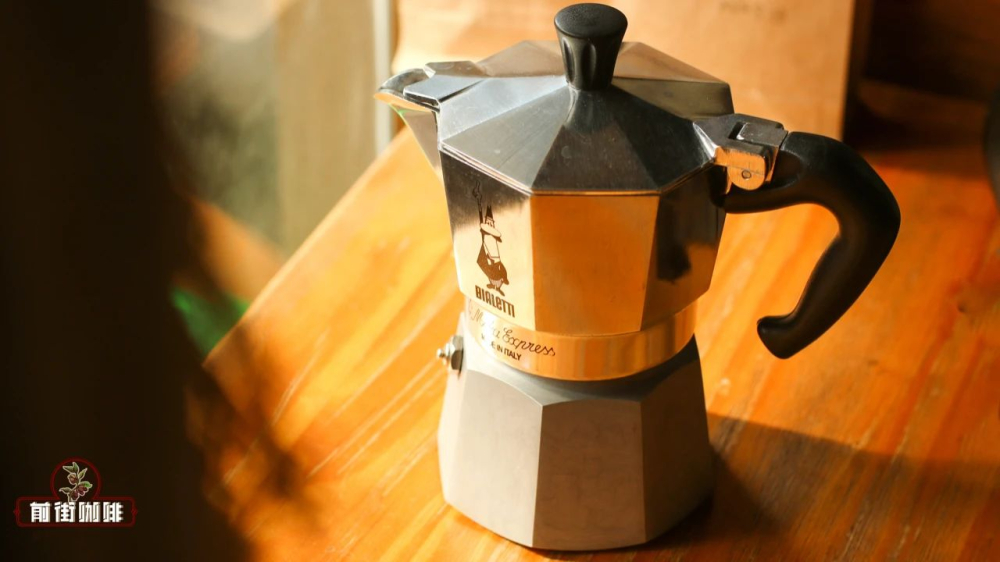
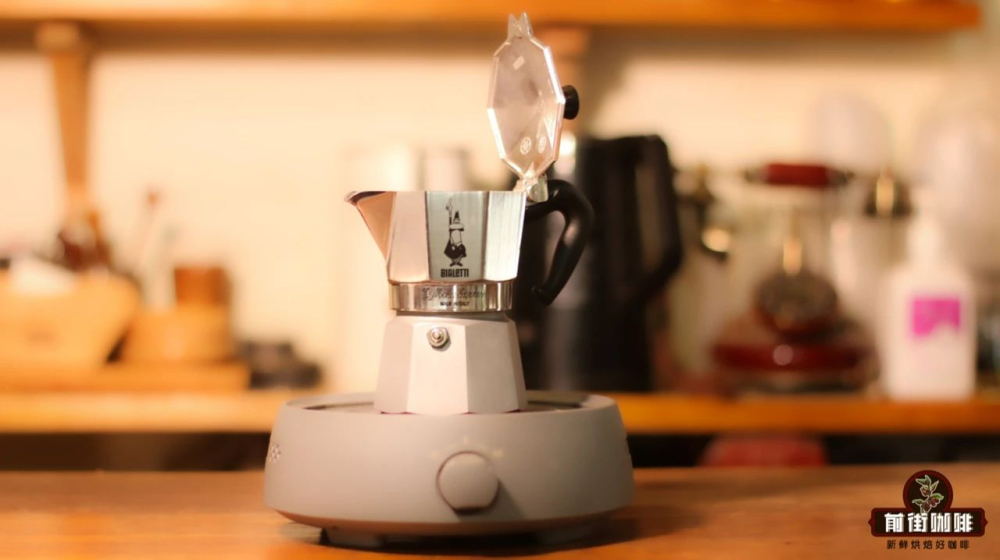
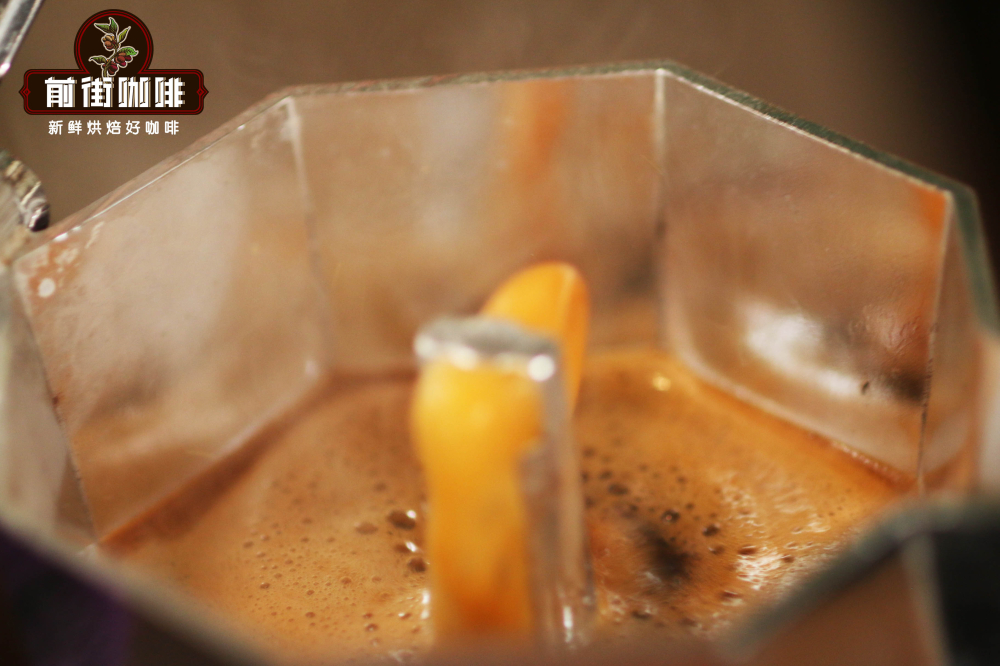
The operating principle of the moka pot is quite intuitive, mainly consisting of three parts: water is placed in the lower chamber, ground coffee is placed in the middle filter basket, and the brewed coffee liquid is collected in the upper chamber. When the lower chamber is heated, the rising water temperature generates steam pressure, forcing the hot water to rise along the narrow tube in the middle, pass through the coffee grounds, and finally form an espresso with crema in the upper chamber.
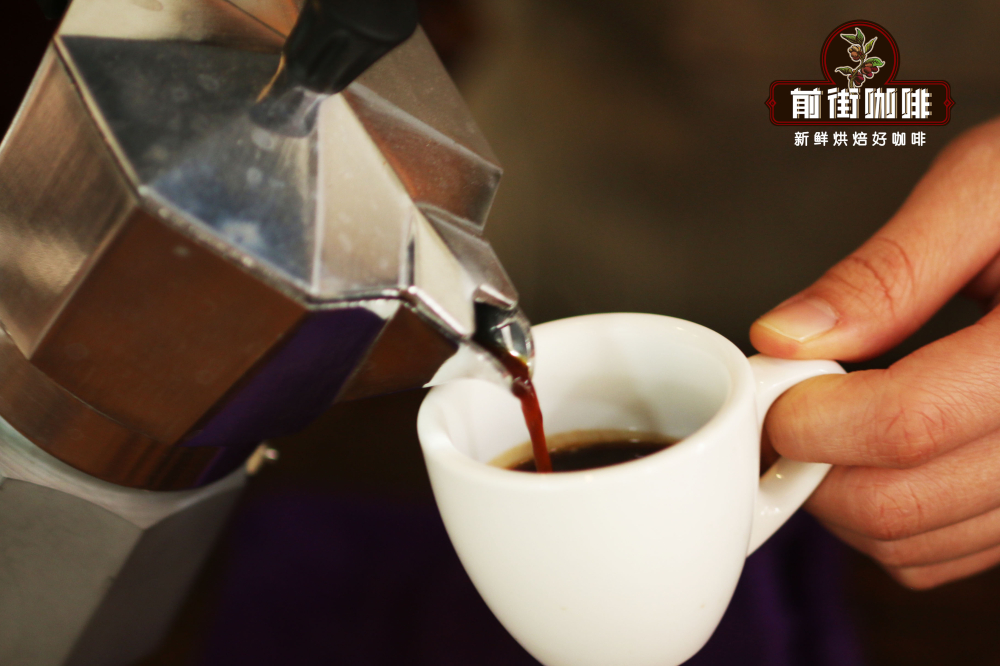
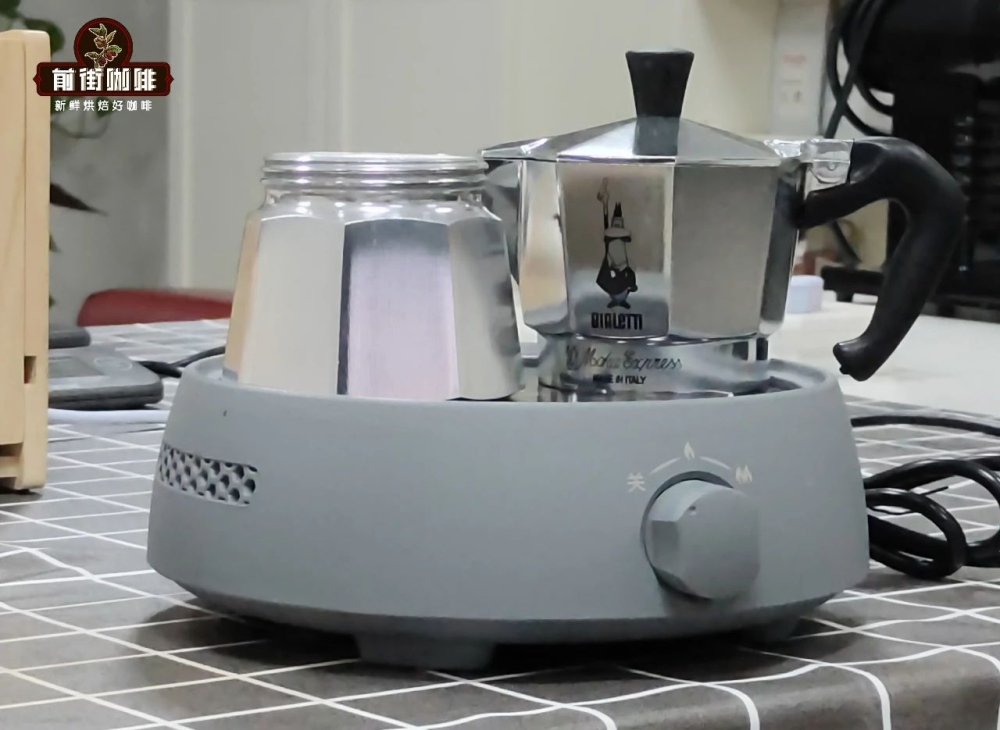
This method of extraction via steam pressure allows the moka pot to produce rich-flavored coffee even at home, making it widely loved by outdoor enthusiasts and home coffee aficionados. Whether using an open flame, induction cooker, or ceramic stove, stable extraction results can be achieved with proper control.
So, can the moka pot be used on an induction cooker? The answer is yes, but you need to choose a model with a flat bottom and good thermal conductivity, and concentrate the heat on the bottom of the pot. It is recommended to adjust the heat so that it does not exceed the edge of the bottom to avoid overheating, which could lead to overflow or over-extraction.
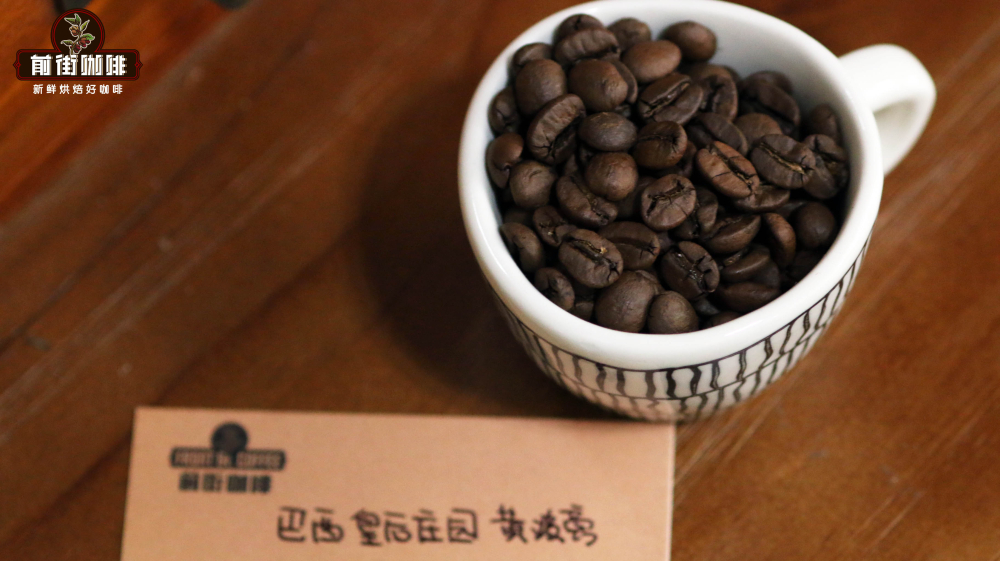
When using a moka pot, it is recommended to use medium to dark roasted Italian blends, which can better withstand the temperature of pressurized extraction, avoiding excessive acidity or bitterness. If you prefer single-origin beans, you can choose varieties with noticeable sweetness and rich mucilage, such as the Yellow Bourbon variety, which when processed with honey can bring natural sweetness and a full-bodied taste.
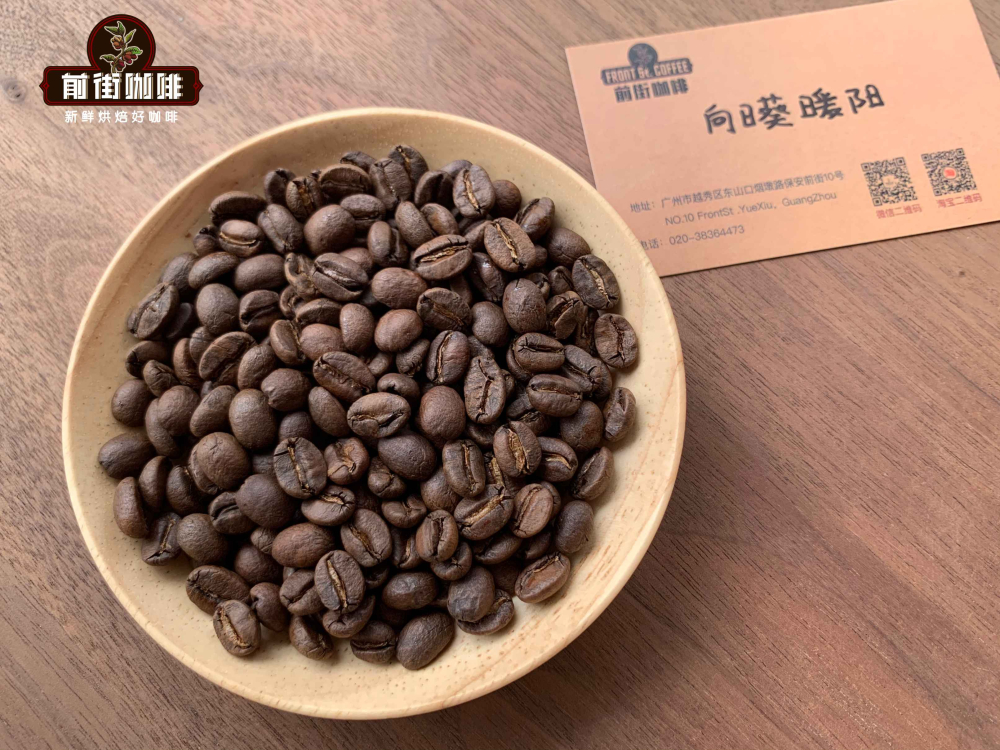
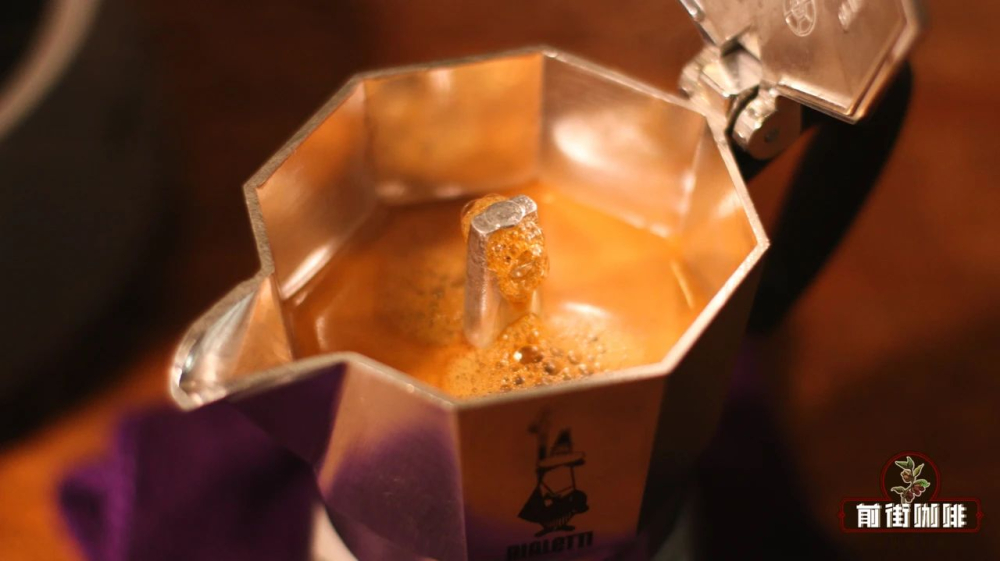
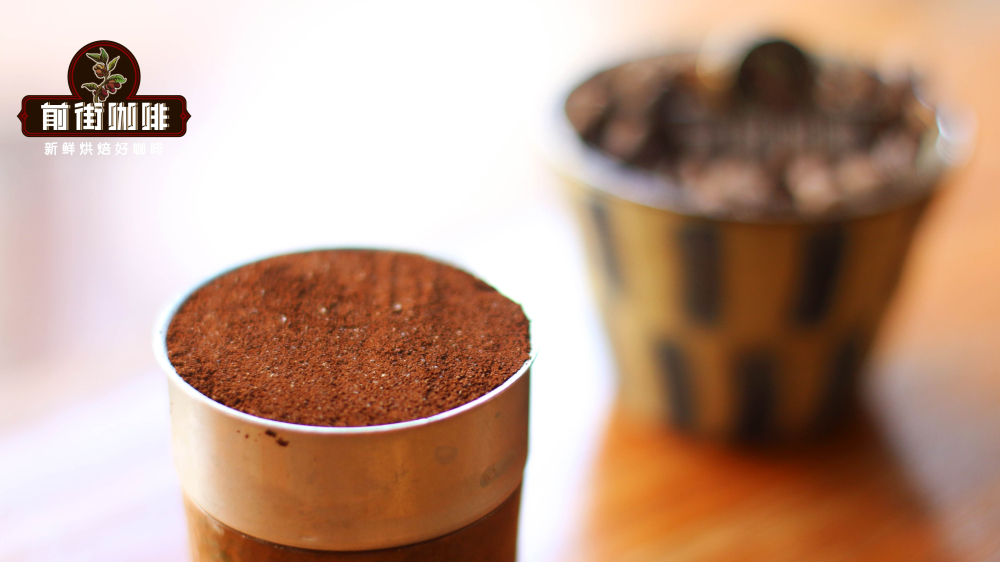
In practice, it is recommended to grind 20 grams of coffee beans to a medium-fine consistency (similar to superfine sugar), place them in the filter basket, and gently tamp them without applying too much pressure, to avoid affecting the water flow rate. Then reassemble the filter basket into the lower chamber, ensuring the upper and lower chambers are tightly sealed, and heat with low to medium heat. Initially, it is recommended to keep the lid open to observe; once the water boils and begins to rise, you can turn off the heat to avoid over-extraction.
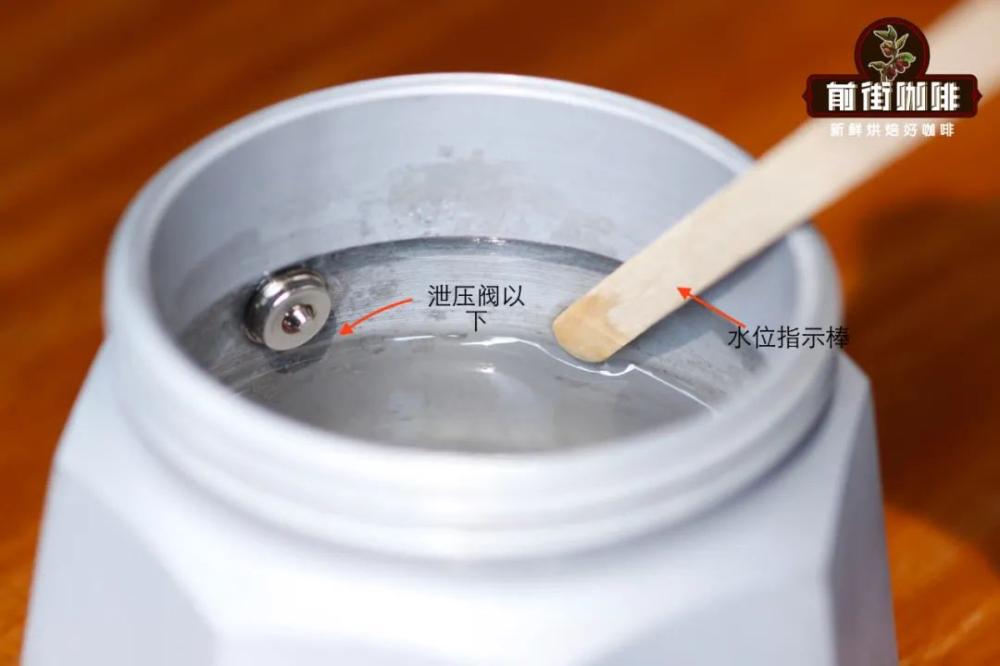
A special reminder: during the first three uses of the moka pot, due to the new material possibly releasing trace residues or odors, it is recommended not to drink the coffee brewed during these initial uses. Instead, use them mainly for “seasoning the pot,” which helps improve the purity and stability of the flavor in future brews.
By mastering these basic techniques and precautions, you can use the moka pot with more confidence and enjoy a richly flavored cup of coffee with Italian characteristics at any time.
The above content is compiled by CoffeeHunters, a coffee news website.


