







Introduction:Drip bags combine the convenience of pour over with the flavor of freshly ground coffee, making them a daily choice for many coffee enthusiasts. This article delves into the origins of drip bags, the correct brewing steps, optimal brewing parameters, as well as common questions such as whether they can be reused, if they are pure black coffee, and what types of coffee beans are suitable for making drip bags—helping you enjoy the rich aroma of drip coffee more professionally.
The Origin and Market Development of Drip Bags
Drip bags were first developed and patented by Japan’s UCC Ueshima Coffee in 2001, known in Japanese as “ippai chūshutsu-gata kōhī” (one-cup extraction type coffee). The clever design involves packing pre-ground coffee into a non-woven or paper filter bag, paired with two paper “ears” that easily hook onto the rim of a cup for brewing, and are removed after use. This method retains the flavor of pour over while significantly simplifying the process, achieving a 15% market share in Japan. Initially uncommon in Taiwan, it has gradually gained popularity over the past decade with the rise of coffee culture.
What is a Drip Bag? How is it Different from Instant Coffee?
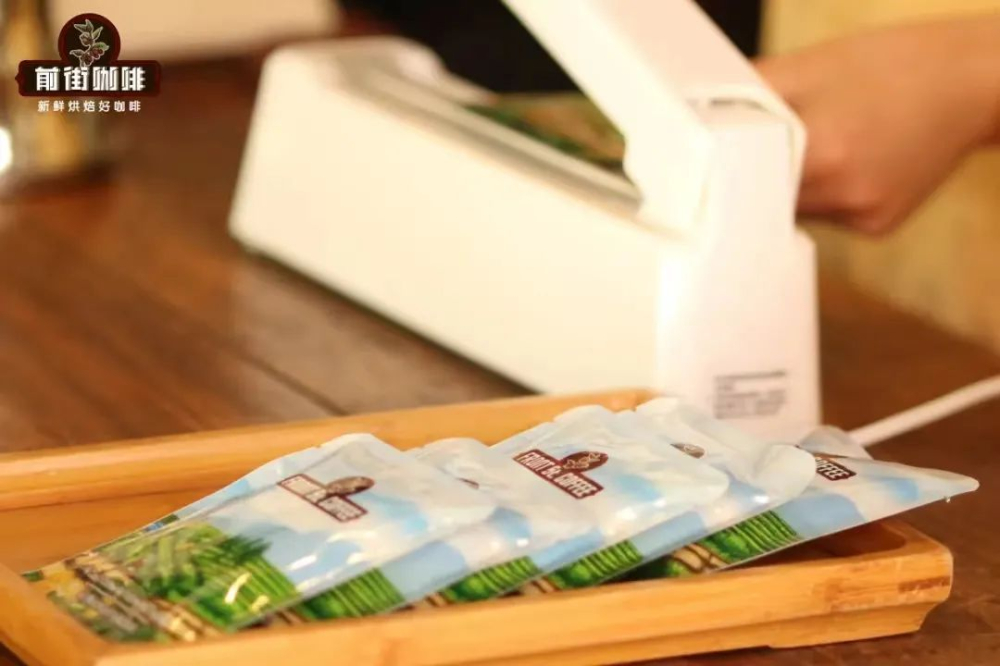
A drip bag refers to pre-ground coffee sealed in a filter bag, fixed to the rim of a cup via two “ears” on the sides for extraction. Unlike instant coffee, drip bags contain no added flavors or sugar and are a type of pure black coffee, preserving the original flavor of the coffee—ideal for those who value taste. Their biggest advantage is portability; no special equipment is needed, just hot water to enjoy coffee nearly on par with pour over quality.
Can You Brew a Drip Bag Only Once? Brewing Frequency and Recommendations
Under normal circumstances,a single drip bag is recommended for only one brew, as the majority of flavor and aromatic compounds are released during the first brew. While technically possible to attempt a second brew, the concentration and taste of the second cup are noticeably weaker, with significantly reduced flavor complexity—it is not recommended for those seeking a refined taste experience.
Is Drip Coffee Pure Black Coffee?
Yes, drip coffee is typically pure black coffee, with no added sugar or creamer—just hot water brewing the coffee grounds, highlighting the coffee’s inherent acidity, sweetness, bitterness, body, and aroma. If you prefer other flavors, you can adjust according to your taste.
How to Brew Drip Coffee Correctly? Detailed Steps and Parameters
The standard ratio for brewing drip coffee is10 grams of coffee grounds to 140–150 milliliters of water, with a coffee-to-water ratio of about 1:15 to 1:16. It is recommended to control the water temperature ataround 90°C, which can be achieved by letting boiled water sit for 2–3 minutes. The brewing steps are as follows:
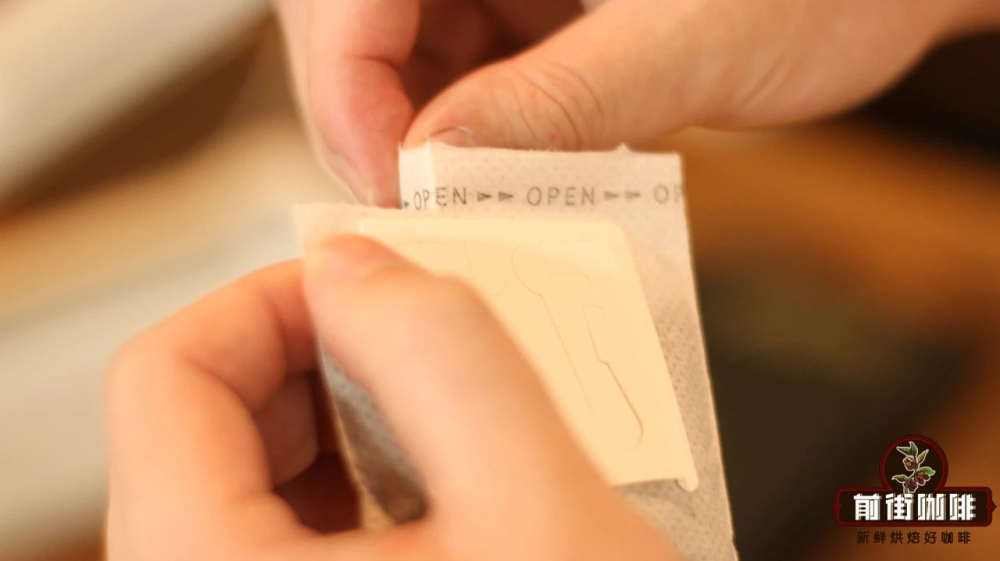
1. Tear open the drip bag’s seal along the “Open” mark.
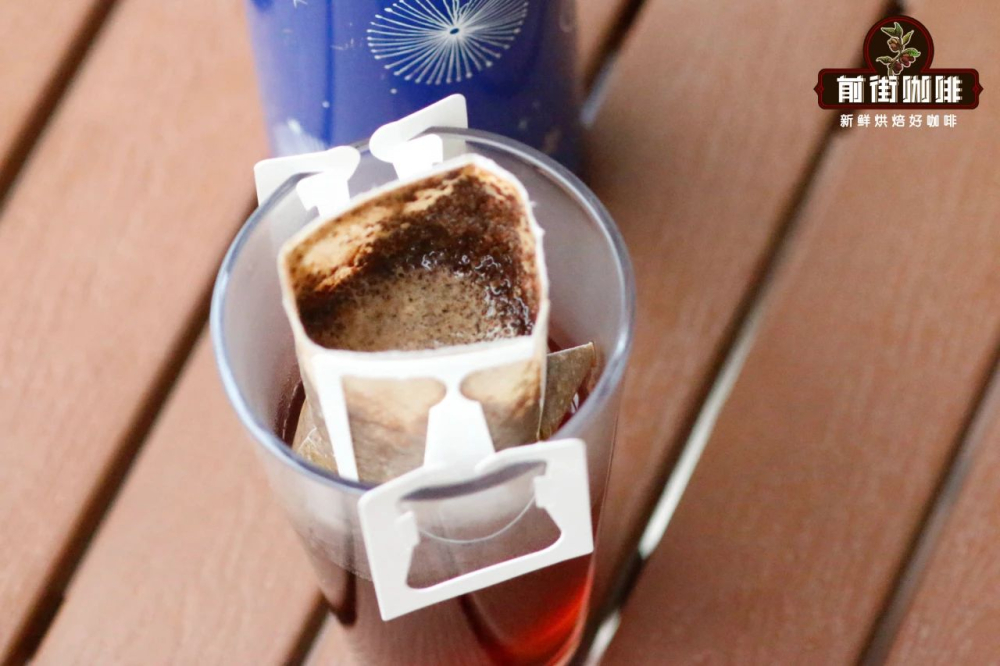
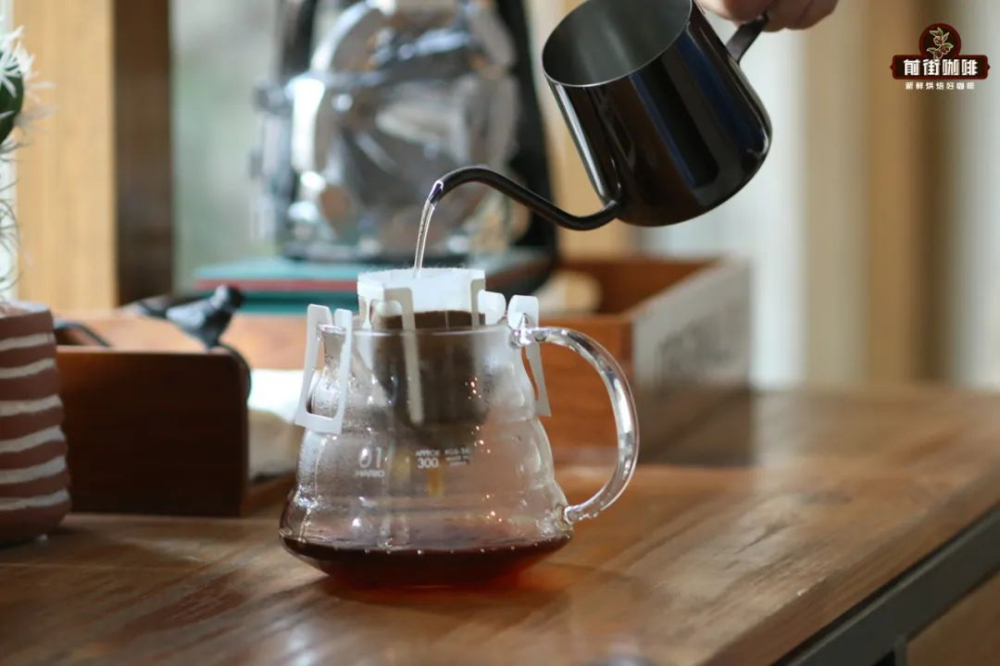
2. Open the two “ears” and securely hook them onto the edge of the cup.
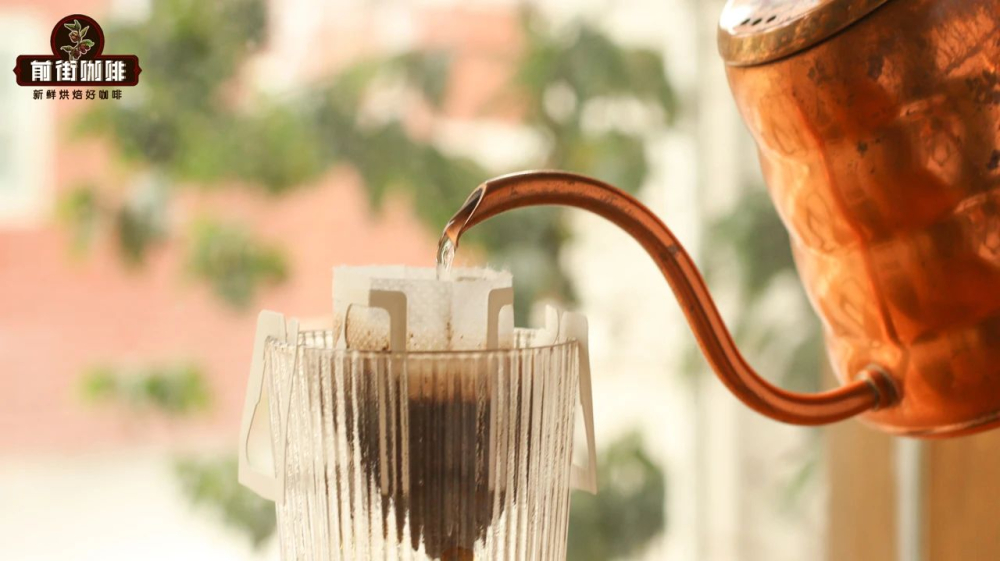
3. First, evenly wet the coffee grounds with a small amount of hot water (about 20–30 milliliters) and let it bloom for about 30 seconds to release the aroma.
4. Then slowly pour water in a circular motion until the total volume reaches 140–150 milliliters, with the entire process taking about 1 minute.
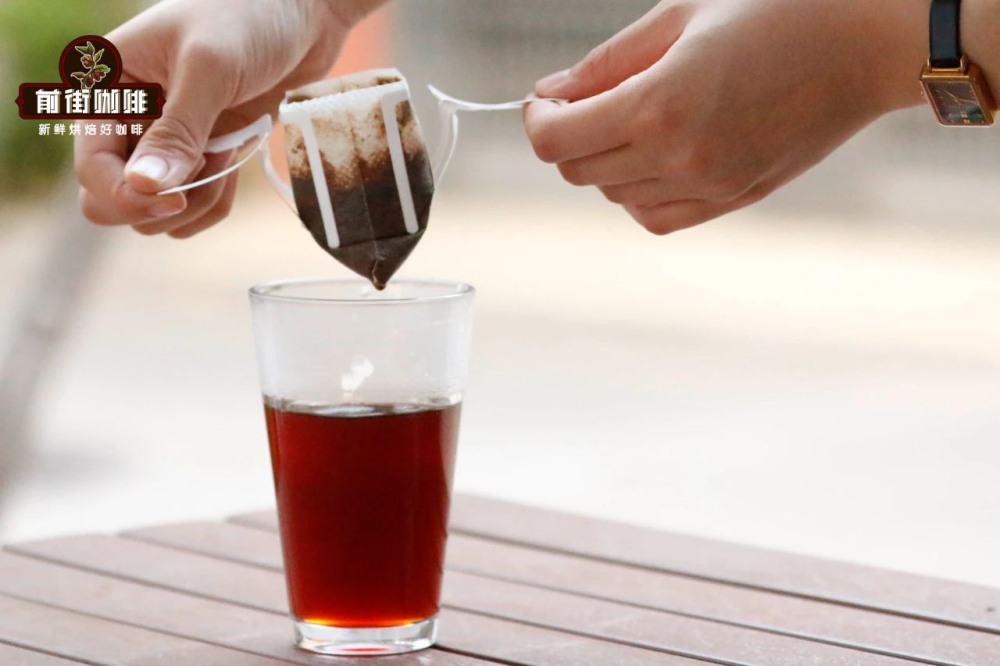
5. Remove the drip bag after brewing and enjoy.
If you don’t have a thermometer, you can turn off the heat once the water boils, leave the lid open, and let it sit for 2–3 minutes—the water temperature will be around 90°C (at 28°C room temperature).
Storage and Shelf Life of Drip Coffee Flavor
Since the coffee is already ground, it has a large surface area exposed to air, making its flavor prone to dissipating over time. It is recommended toconsume it as soon as possible after opening, ideally within 5 days. Unopened drip bags can be stored in a cool, dry place for about 1–2 months, but fresh brewing is always best.
Can Drip Coffee Bags Be Reused?
Generally, reuse is not recommended, as the first brew extracts most of the soluble substances, leaving the subsequent brew significantly weaker and lacking in complexity.
Types of Coffee Beans Suitable for Making Drip Coffee
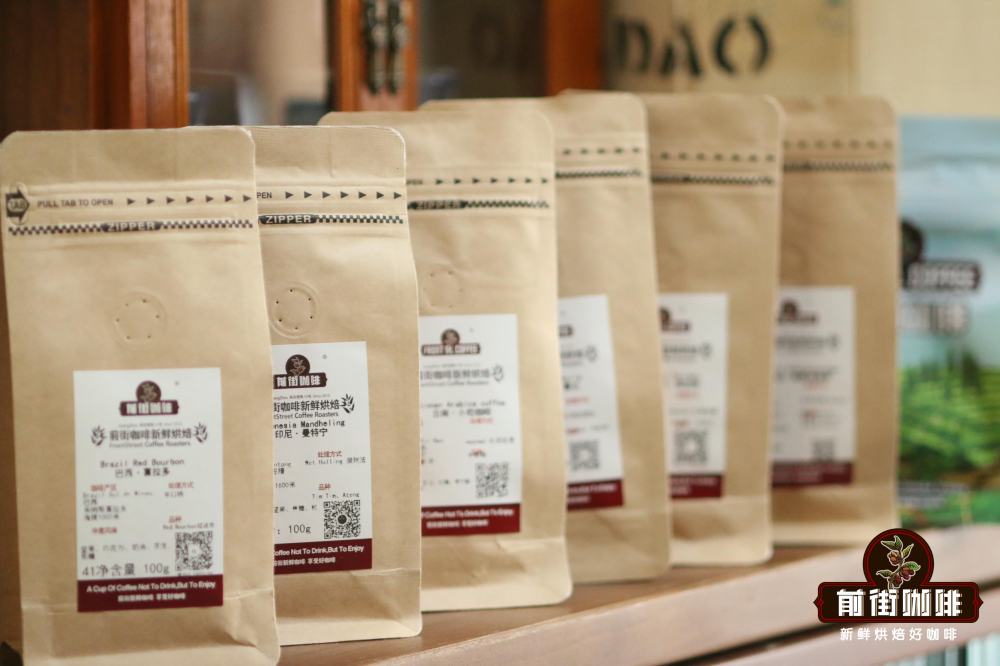
Drip coffee can be made from various types of coffee beans. Common examples include Ethiopian Yirgacheffe (citrus notes), Indonesian Mandheling (herbal and nutty aromas), Brazilian Cerrado (nutty and balanced), Colombian Huila (creamy and peanut notes), Costa Rican Tarrazú (nutty and toffee flavors), Yunnan small-leaf variety (tea-like and fruity), and Guatemalan Huehuetenango (citrus and smoky notes). Beans from different regions offer diverse flavor profiles, suitable for selection based on personal taste.
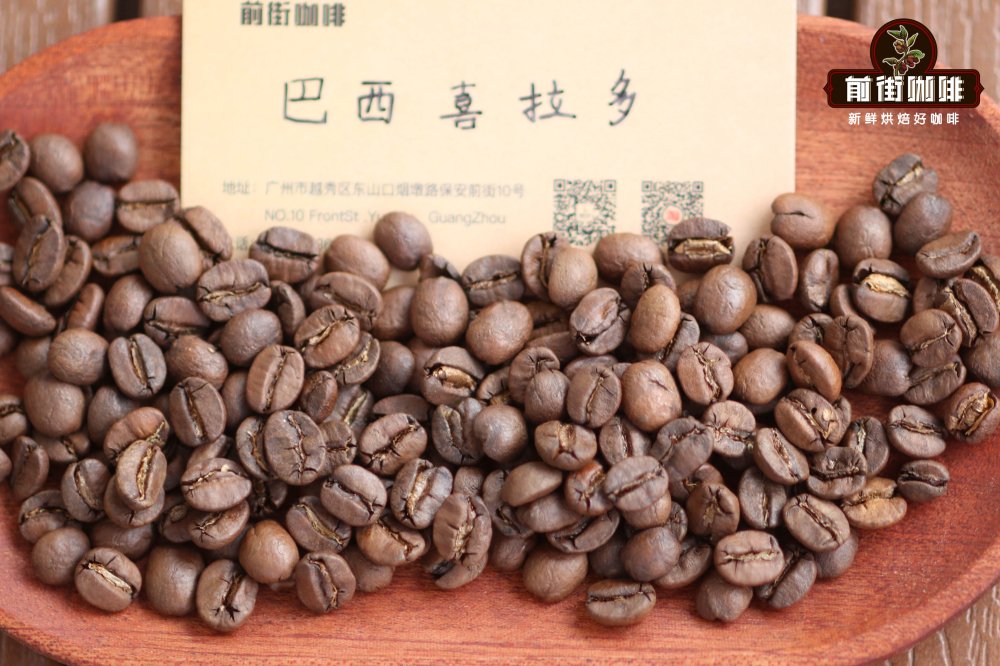
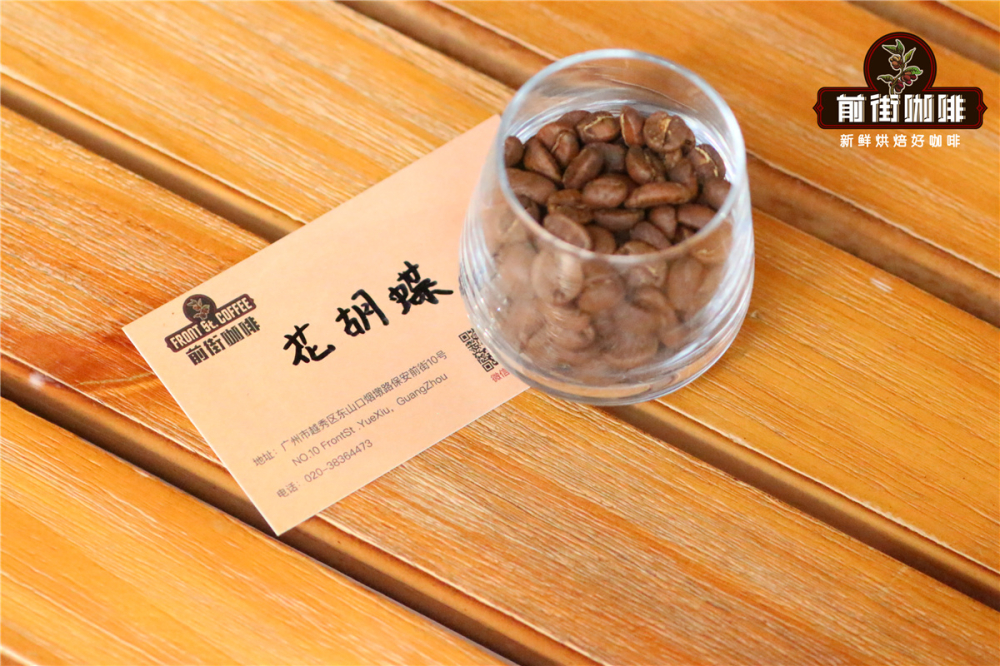
For example, the Red Bourbon variety grown in Brazil’s Cerrado region is known for itsbalanced flavor of nuts, peanuts, and cane sugar, representing a major global coffee-exporting country; while Panama Geisha Butterly, with 70% Geisha lineage, even at an affordable price, can still showcasedelicate citrus, floral, and honey notes, making it a highly cost-effective choice.
The above content is compiled by CoffeeHunters, a coffee news website.


