







Introduction:Want to enjoy a cool cup of coffee in the summer but can’t tell the difference between cold drip, iced, and cold brew? This article dives deep into the brewing principles of the three major types of iced coffee — from the millennia-old history of cold drip to modern home extraction techniques. Learn key parameters like the 1:10 coffee-to-water ratio and 7 drips per 10 seconds, and get recommendations for three flavor profiles perfect for cold drip: from berry notes to chocolate tones. Even beginners can master it with ease.

Feeling hot in the summer and looking for an ice-cold coffee to refresh you? The common iced coffees on the market actually fall into three types: cold drip, iced, and cold brew, each with very different brewing methods.Cold Drip CoffeeAs the most time-consuming yet uniquely flavorful method among them, cold drip originated in the Netherlands but flourished in Japan, even earning the romantic nickname “Kyoto coffee.” It’s also a staple offering in most Korean cafes.
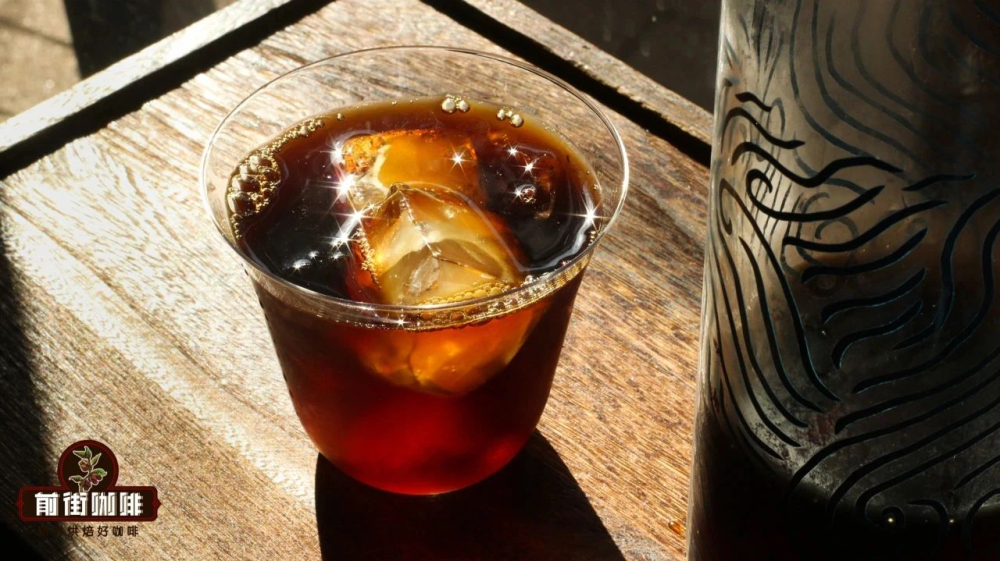
This technique, which extracts coffee through the slow dripping of ice water, is characterized above all bycompletely avoiding the sour and astringent notes caused by high temperatures.The coffee grounds are gradually soaked in ice water around 0°C, where slowed molecular movement leads to more even extraction. However, it’s crucial to strictly control the dripping speed — ideally 7 drops per 10 seconds. Too fast can lead to over-extraction, while too slow results in weak flavor.
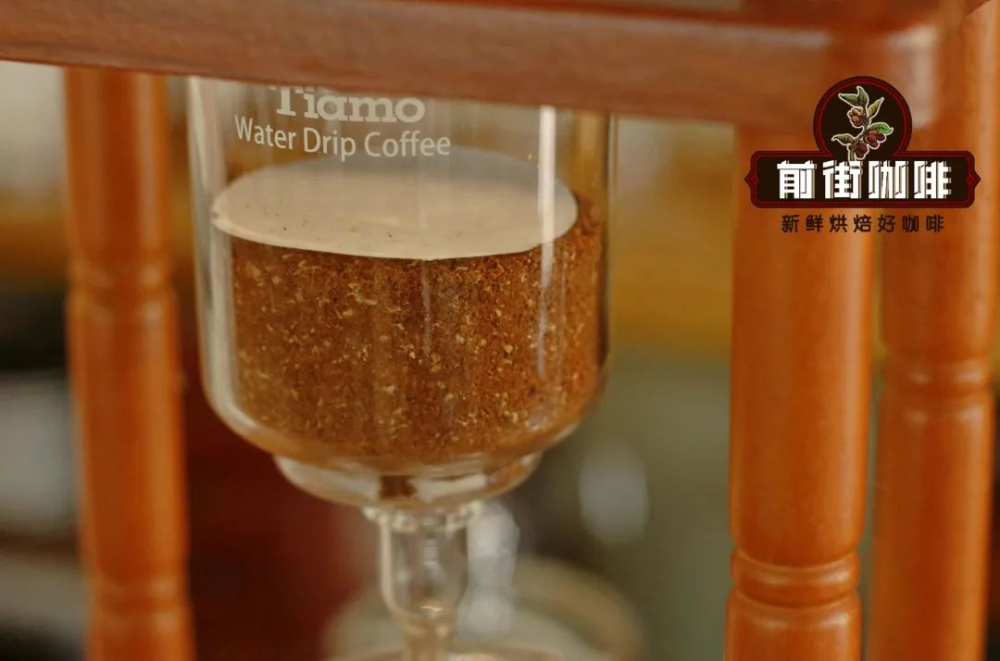
For actual preparation, it’s recommended to use 60 grams of coffee grounds with a 1:10 coffee-to-water ratio (i.e., 600 milliliters of ice water). The grind size should be slightly coarser than that for pour over (approximately 85% passing through a Chinese No. 20 sieve).Key steps include pre-wetting the filter paperto prevent the coffee bed from collapsing, as well as pre-soaking the coffee grounds with ice water to mimic the blooming effect of pour over. These details all contribute to the layered complexity of the final flavor.
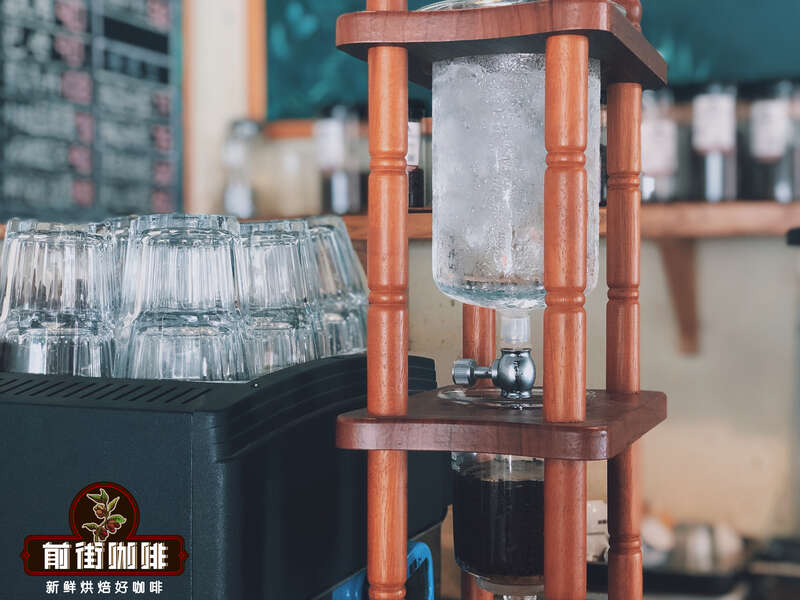
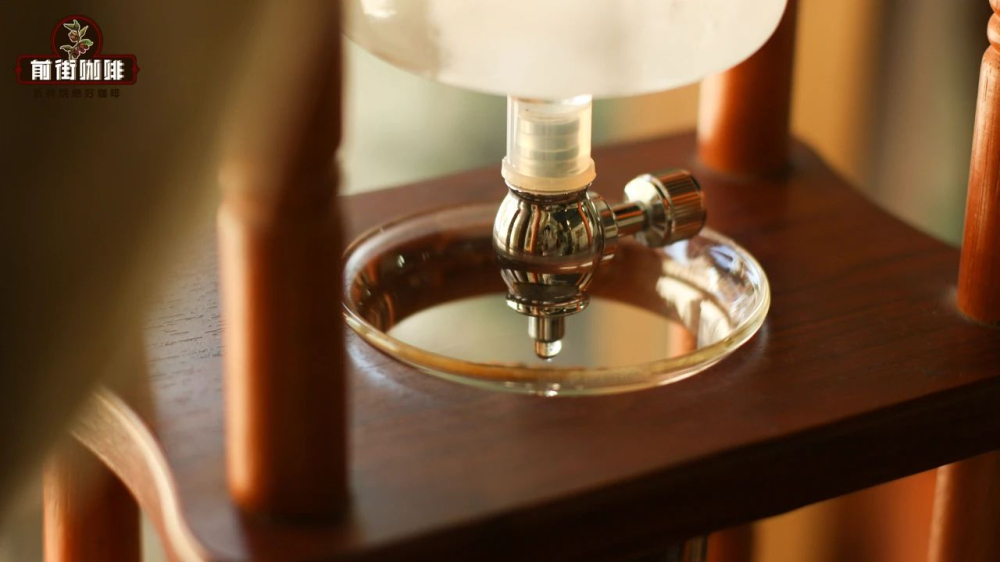
After brewing, it’s recommended to refrigerate the coffee liquid and let it oxidize overnight to allow the flavor compounds to fully integrate.The setup shown in the pictureincludes a drip bottle, a regulating valve, and a receiving flask. Adjusting the valve to control the dripping speed is the most patience-testing part of the whole process. If you notice the dripping speed is unstable, check whether the filter paper is clogged or if the ice-to-water ratio has changed.
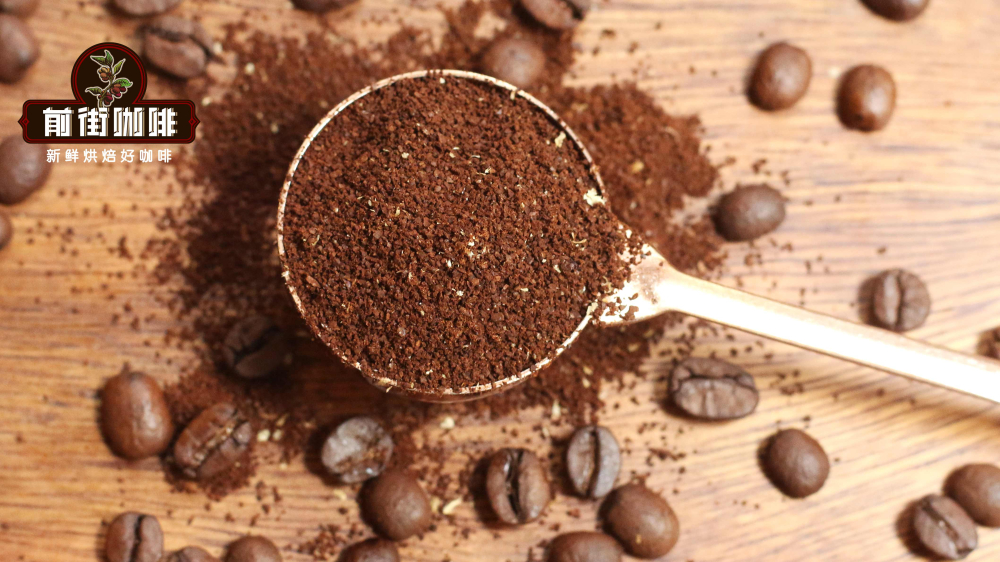
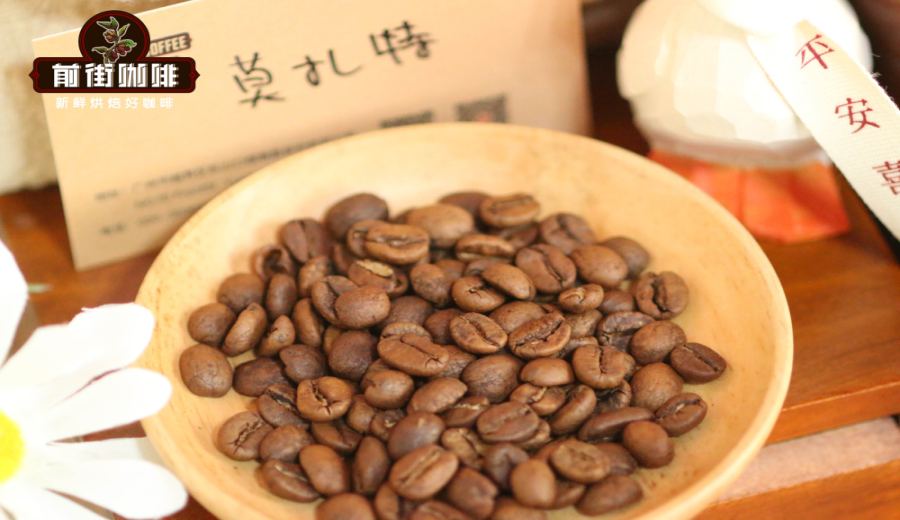
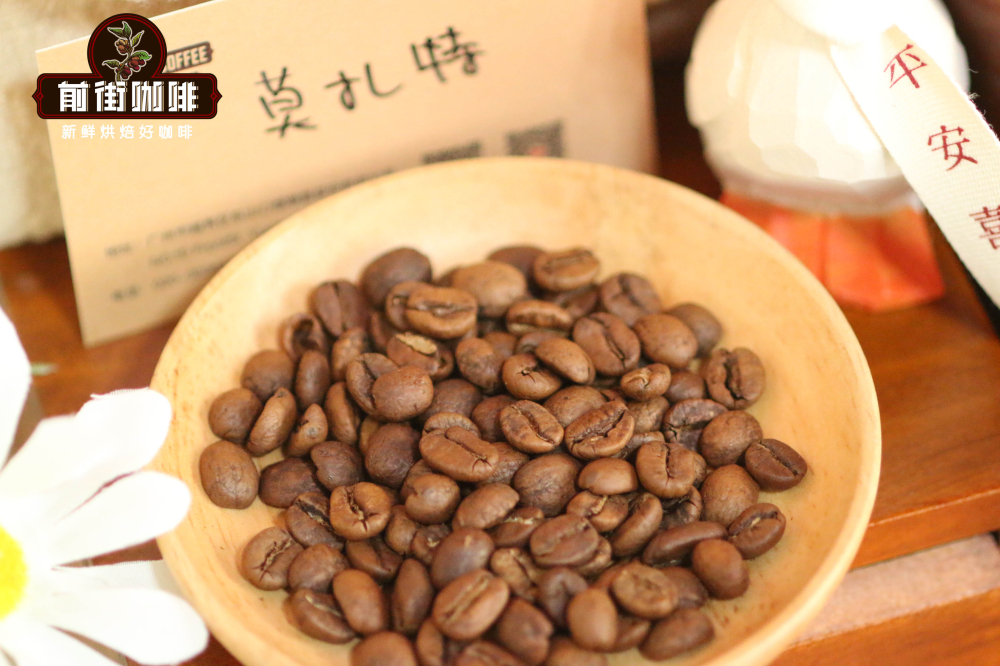
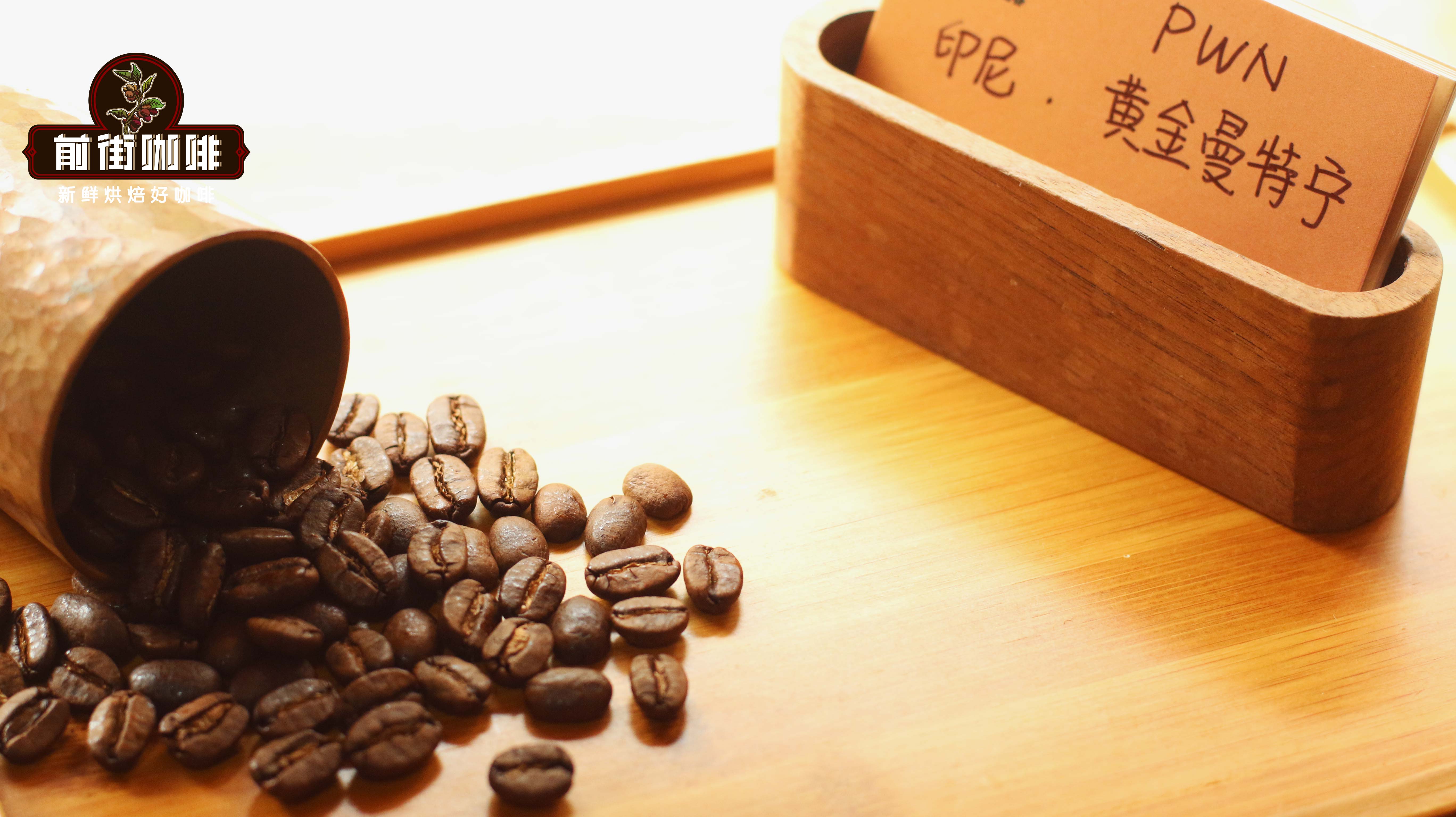
When selecting coffee beans,dark roast isn’t necessarily unsuitable for cold drip.A common misconception is that cold drip can only be done with light roasts. In reality, dark roast beans like Indonesian Golden Mandheling, after 24 hours of cold drip, can reveal an astonishing chocolatey finish and fermented aromas. Meanwhile, Costa Rican anaerobic honey-processed beans can bring out sweet notes of blueberries and black grapes, perfect for those who love fruity explosions.
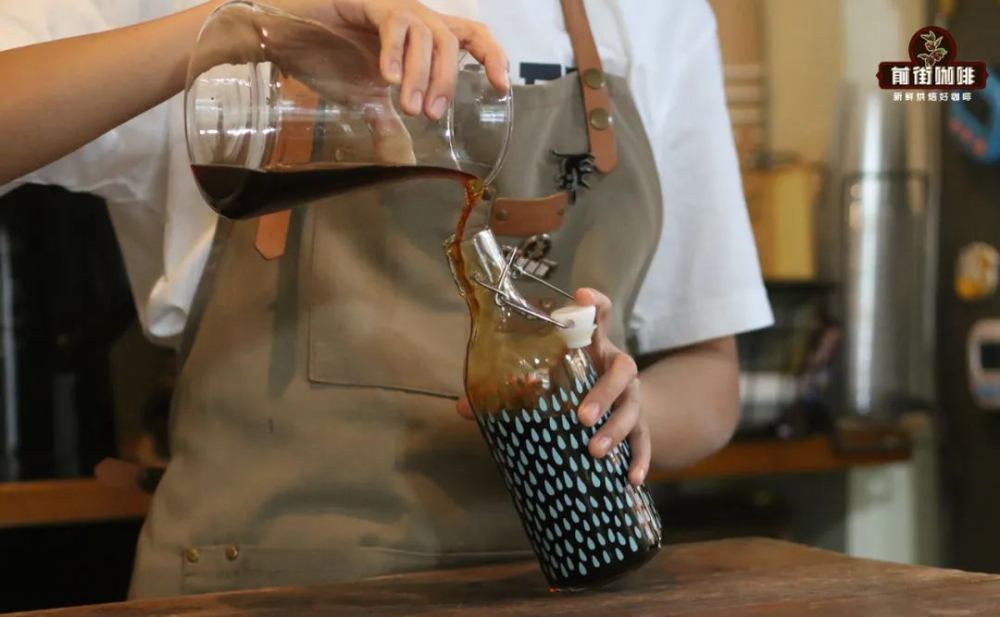
For first-timers,it’s recommended to start with Kenyan beans.Their bright notes of cherry tomato and grapefruit acidity transform into a refreshing juice-like quality during the cold drip process, making them especially suitable for direct summer sipping. No matter which beans you choose, remember to pour the finished cold drip coffee into a sealed bottle and refrigerate it — this step helps round out the flavors and reduce oxidation degradation.
In summary, the charm of cold drip coffee lies in the subtle changes accumulated over time.Everything from the angle of the equipment setup to the ambient temperaturecan subtly affect the outcome. Beginners are advised to first master the basic parameters (60g coffee / 6–8 hours / 1:10 ratio), then gradually adjust the dripping speed and grind size. The stage illustrations in the attached photo can help you understand the entire extraction process — even coffee novices can achieve professional-grade flavors through systematic operation.
The above content is compiled by CoffeeHunters, a coffee news website.


