







Introduction:Dive into the unique characteristics of Indonesian Sumatra coffee, from the geographical conditions of the Lintong and Aceh regions to the intricate details of the wet-hulled processing method. Discover why Mandheling boasts intense herbal and spicy notes. This article also analyzes the selection criteria and roasting style of PWN Golden Mandheling, and provides practical pour over parameters and techniques to help you fully bring out the richness and complexity of this classic bean.
The island of Sumatra in Indonesia is one of the most iconic coffee-producing regions in the specialty coffee world. The most renowned "Sumatra coffee" comes primarily from the Lintong and Aceh areas. These regions are centered around two volcanic lakes—Lake Tawar and Lake Toba—with soils rich in volcanic ash nutrients. Coupled with a year-round humid, rainy tropical rainforest climate, the beans develop intense herbal and earthy aromas.
However, Sumatra’s high temperatures and humidity, along with limited freshwater resources, make traditional washed or long sun-drying processes difficult to implement. To adapt to these unique conditions, the locals developed the distinctive "wet-hulled" (Giling Basah) method. This semi-washed process not only shapes the flavor profile of Mandheling coffee but has also become a defining characteristic of Sumatra coffee.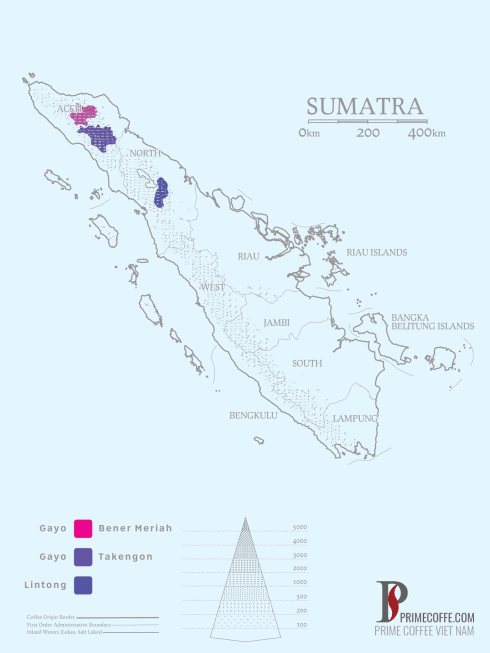
In the wet-hulled process, the coffee cherries first have their outer skin and pulp removed and are then soaked in water tanks for a few hours of brief fermentation, during which some mucilage still remains on the parchment layer. Next, the mucilage is brushed off, and the parchment-covered beans are sun-dried until they reach a moisture content of about 30–40%, which takes approximately 2–3 days. At this semi-dry stage, the beans are sent to collection stations where traders further remove the parchment layer—the inner husk—to expose the green coffee beans inside.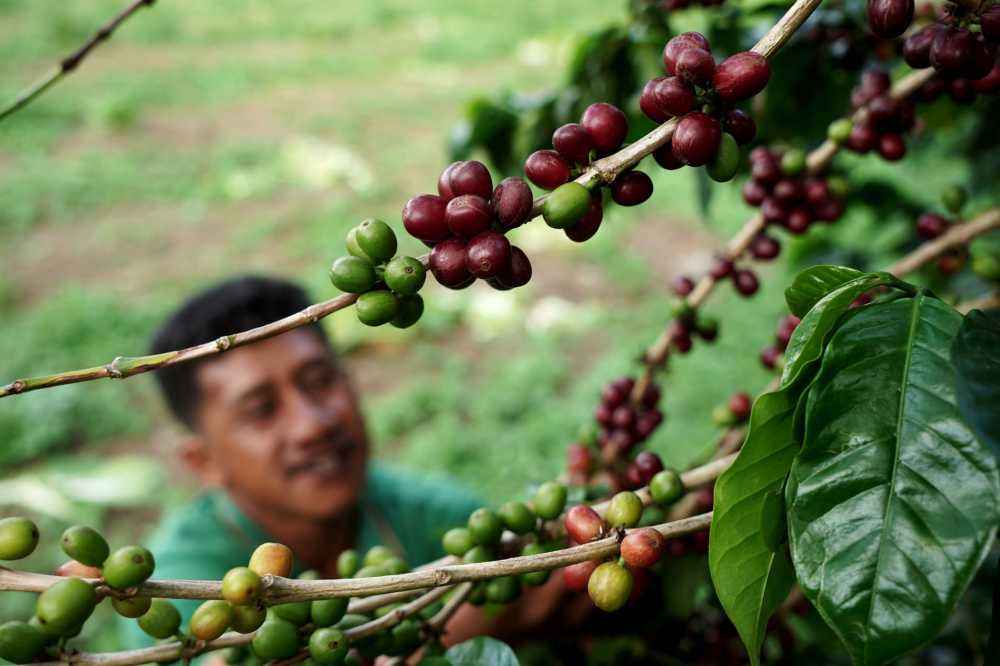
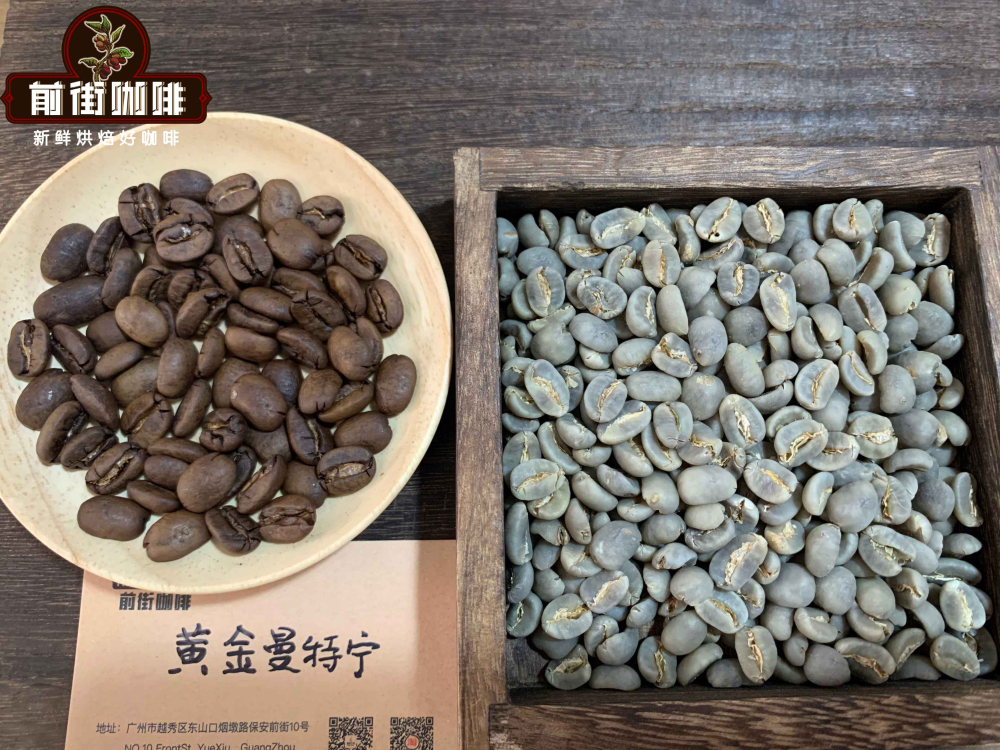
During the hulling process, due to the high friction applied by the machine, the parchment layer tightly attached to the green beans is often crushed, and white or greenish mucilage frequently seeps out. Green beans that remain in a damp and mucilage-rich environment become soft, whitish, and even slightly swollen, taking on a gray-green appearance. Their ends are prone to pressure marks or chipping, resulting in what is known as the "elephant ear" or "pantoffel" shape.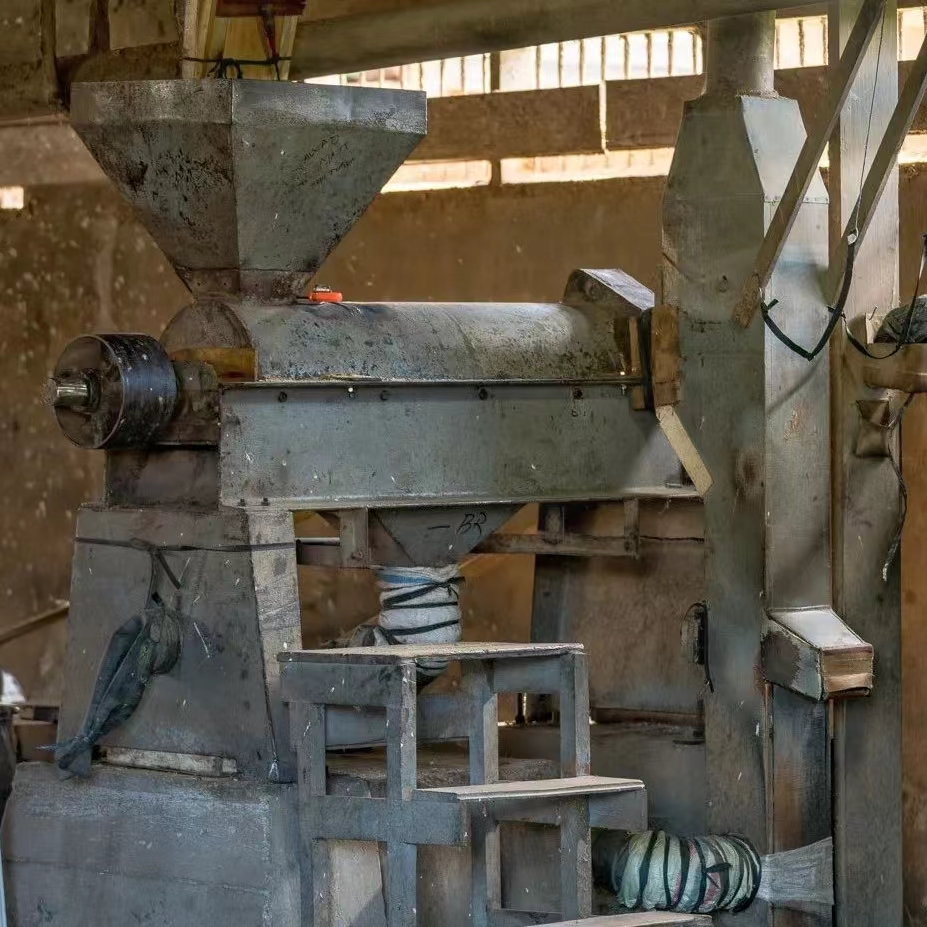
The “naked beans” left after the parchment layer is removed are quickly dried, but as a result, they are more susceptible to microbial influences in the humid environment. This further develops the distinctive woody, spicy, and deep herbal aromas unique to Sumatra coffee—what many refer to as the “terroir flavor.” The wet-hulled method not only adapts to the local climate but also significantly reduces processing time and labor costs, giving Mandheling its truly distinctive style.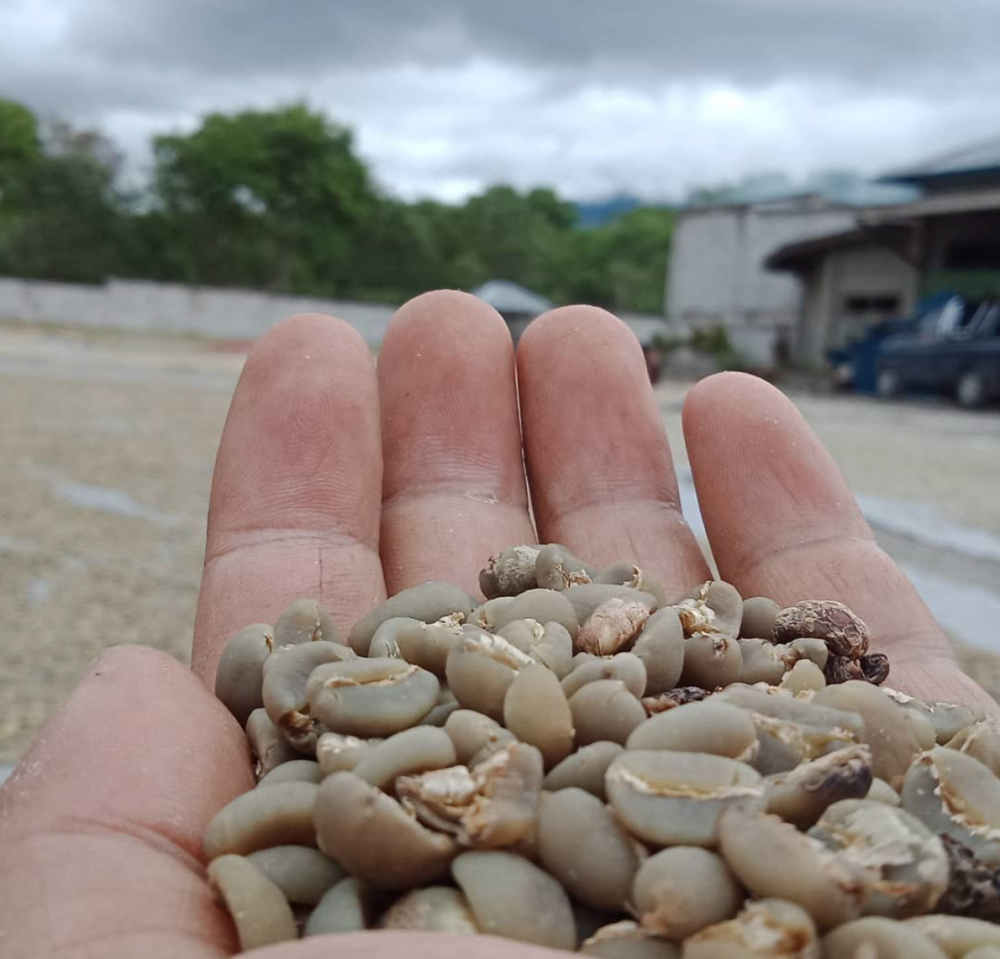
When it comes to Sumatra Mandheling, one cannot overlook the "Golden Mandheling" launched by PWN. This coffee consists of top-tier beans that have undergone four rounds of manual selection, using only G1 grade green beans sized 18 mesh or larger, ensuring each bean is plump, intact, and uniform. Compared to regular Mandheling, which may carry earthy or woody off-flavors, Golden Mandheling, after strict screening, exhibits a cleaner, brighter profile while retaining its classic bold body. It is important to note that "Golden Mandheling" is a registered trademark of PWN. Although many similarly named products exist on the market, only those produced by PWN are considered authentic.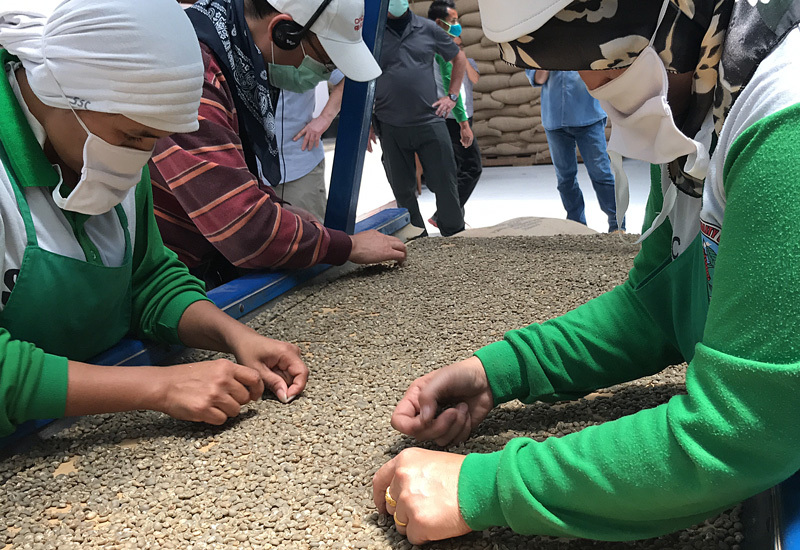
PWN Golden Mandheling is usually roasted to a darker level to fully bring out its spicy, herbal, and richly bold layered flavors. For coffee enthusiasts who enjoy a full-bodied taste and complex aromas, this coffee is not only representative of Sumatra but also a classic choice for experiencing the charm of Mandheling.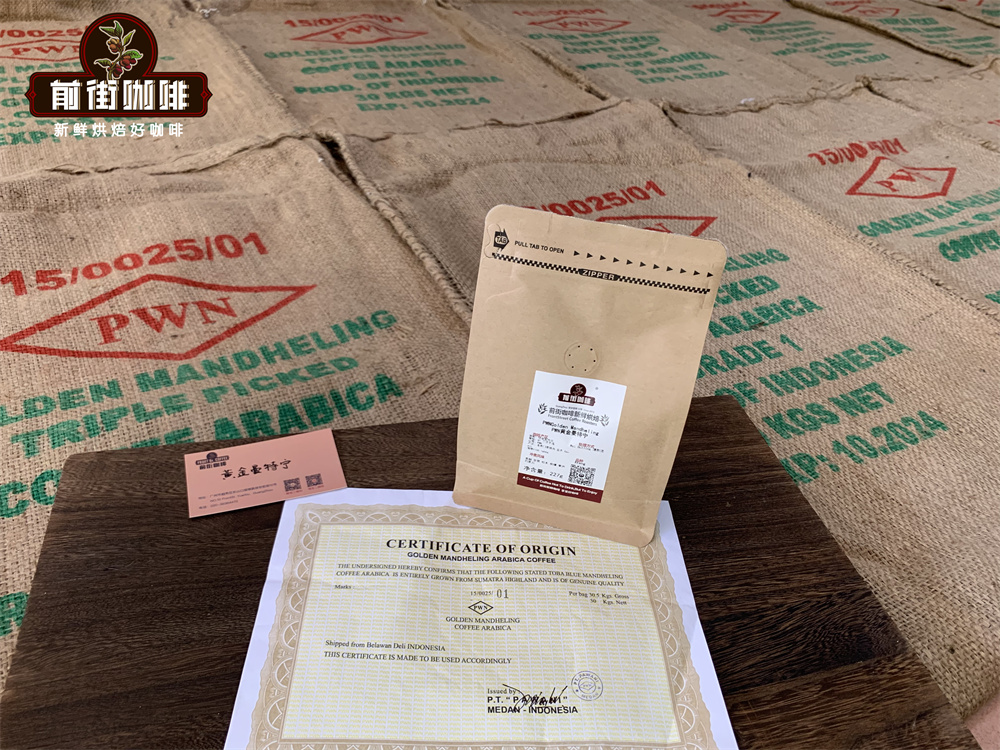
If you choose to brew Golden Mandheling via pour over, it is recommended to use freshly roasted beans, with the optimal flavor window being 4–7 days post-roast. After about six weeks, the aroma may gradually fade, and woody off-notes may emerge. To highlight its rich profile—including herbal, dark chocolate, caramel, nutty, and pine notes—it is recommended to use a Kono filter. This filter’s rib design does not extend beyond half its height, allowing the filter paper to sit closer to the cup wall, reducing airflow and extending the contact time between water and coffee grounds. This enhances extraction uniformity and body, while the bottom groove helps create a siphoning effect.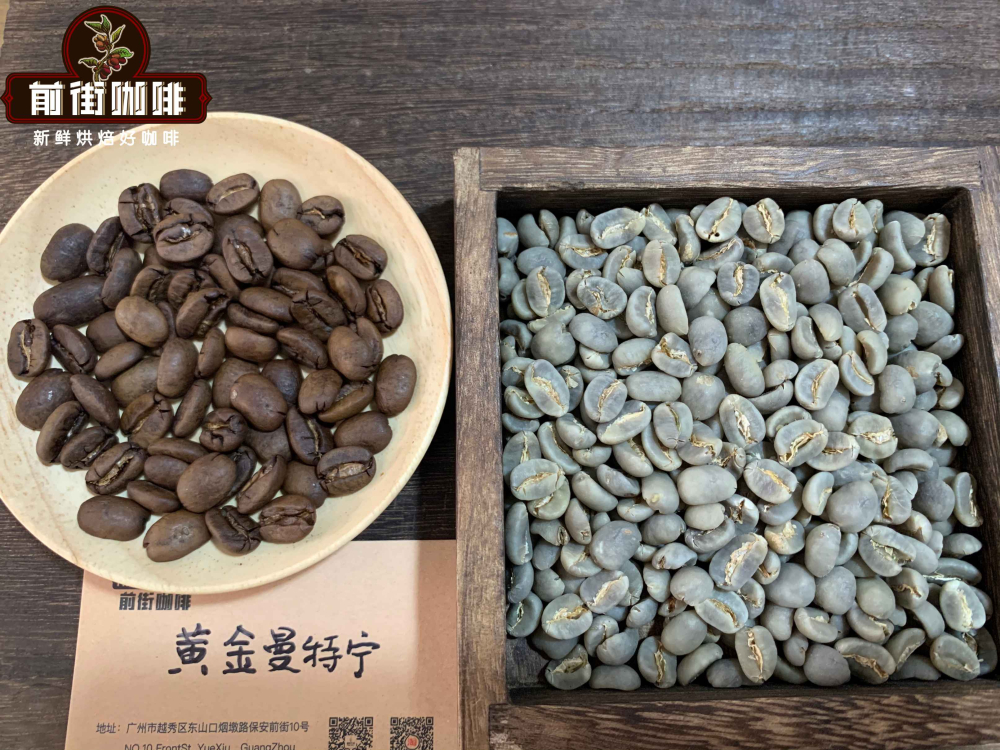
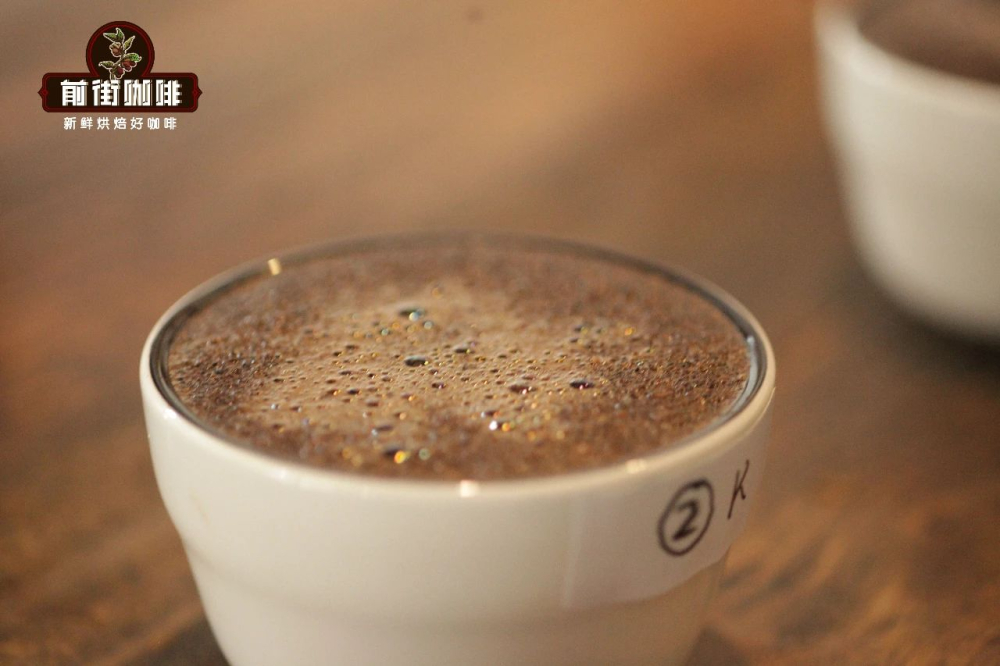
Additionally, because dark-roasted beans have a looser structure and higher water absorption, they are prone to over-extraction and bitterness. It is advised to grind to a medium level (approximately 70% extraction through a Chinese No. 20 sieve), and use slightly lower water temperature. Practical pour over parameters are as follows: water temperature 87–88°C, 15 grams of coffee, a 1:15 coffee-to-water ratio, using a three-stage pouring method—first, a 30ml bloom pour to moisten the grounds and release gases; second, a 100ml pour to bring out the golden crema and expand the coffee bed; finally, a gentle 95ml center pour. Once all the coffee has dripped through, remove the filter and gently swirl the brew in the server.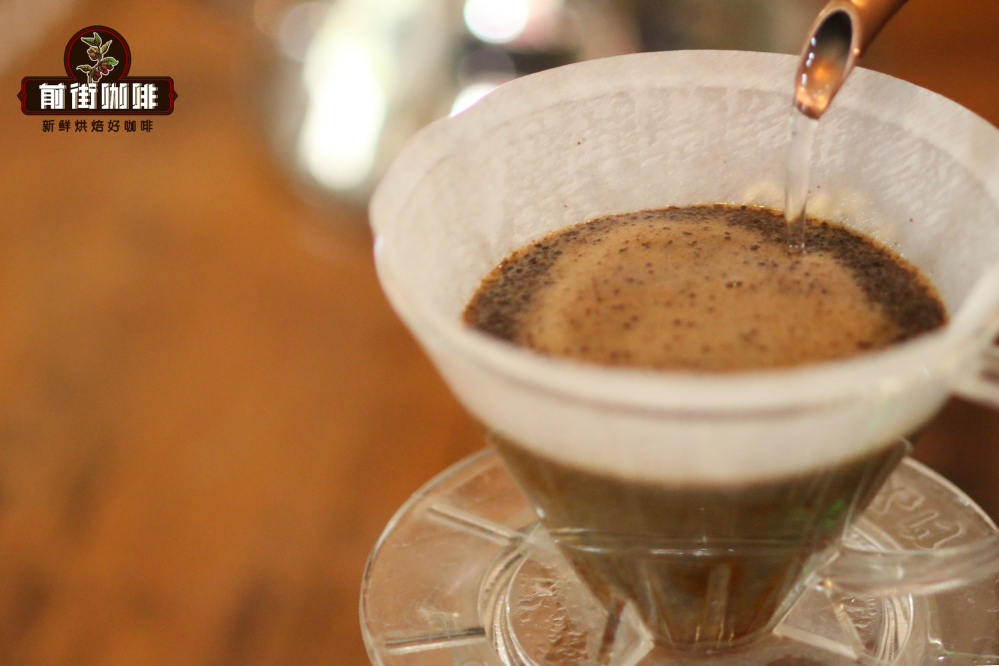
Through these techniques, pour over brewing of PWN Golden Mandheling reveals intense spicy and herbal aromas, paired with a solid and bold body, as well as bright caramel sweetness and lingering notes of chocolate and nuts—letting you fully experience the unique charm of Sumatra Mandheling.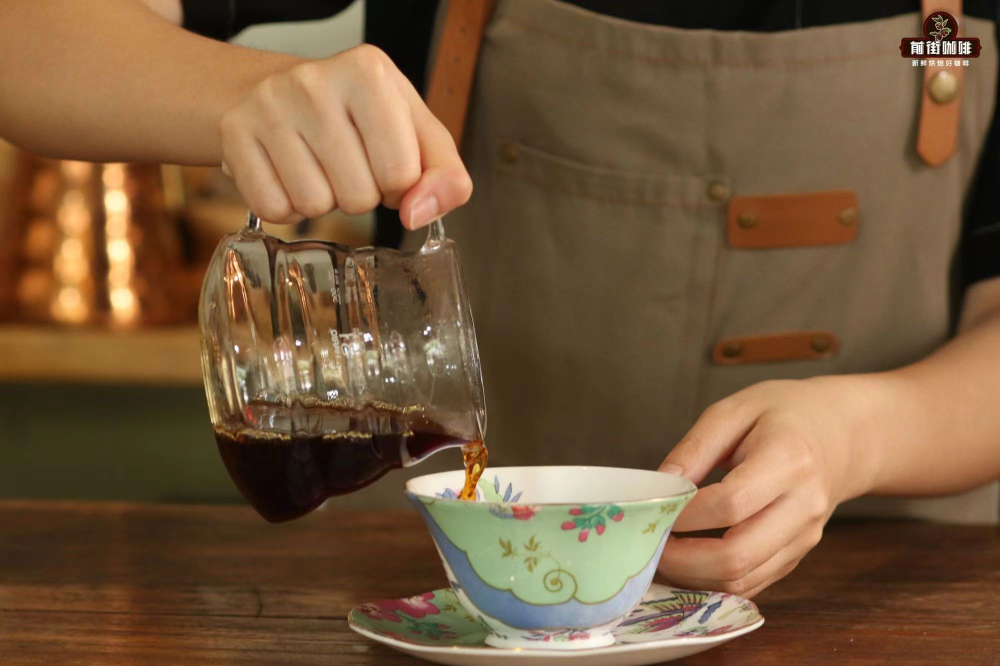
The above content is compiled by CoffeeHunters, a coffee news website.


