








Introduction:Specialty coffee has become a focal point for many coffee enthusiasts in recent years, but what exactly is specialty coffee? How is it different from regular single-origin coffee? This article will delve into the definition of specialty coffee, taking you through how each step—from cultivation and processing to brewing—affects flavor. Through practical bean variety examples, we’ll explain which coffees can be classified as specialty coffee, helping you build foundational knowledge for selecting and tasting beans.
In modern food culture, the trend toward premiumization is everywhere, and coffee is no exception. When we talk about specialty coffee, it’s not simply about better-tasting coffee—it’s an entire system where every step from production to extraction emphasizes the highest quality. This concept was first introduced in 1974 by the “godmother of specialty coffee,” Ms. Erna Knutsen, in the Tea & Coffee Trade Journal. She emphasized that only under the most ideal microclimatic and soil conditions can coffee with truly unique flavors be grown, thereby distinguishing it from regular commercial-grade coffee.
The birth of specialty coffee is not just about market differentiation, but also about stringent requirements for every link in the coffee supply chain. The five key roles—coffee farmers, green coffee buyers, roasters, baristas, and consumers—all play indispensable parts in the process. Together, they are committed to maintaining high-quality standards, from selecting the growing environment and processing the green beans, to roasting techniques and the final brewing method. Every step demands precision and collaboration; only then can a true specialty coffee be achieved.

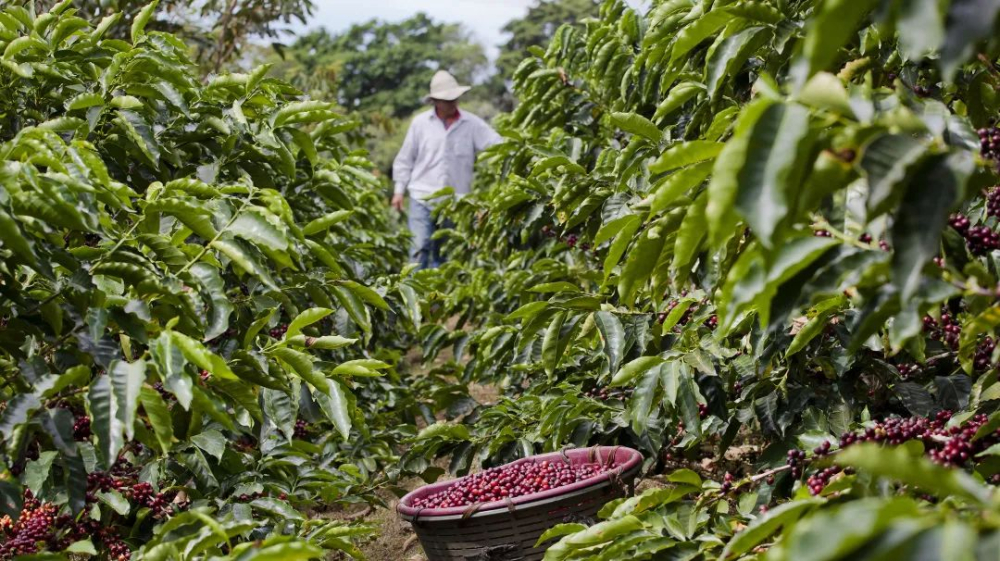
To be classified as specialty coffee, first, the beans must come from an environment best suited for the variety’s growth, including altitude, climate, and soil conditions. Next, during the post-harvest processing—whether washed or natural—it must be handled with extreme care to ensure the green beans are free of any defects. Transportation must also remain stable to preserve the original flavor potential when the beans reach the roaster. Finally, through the roaster’s expert skill, the beans’ richest regional characteristics are brought out, and using scientifically recognized brewing methods, the optimal flavor is presented.
So, what exactly qualifies as specialty coffee? The answer is simple: it must be a cup of coffee that delivers an exceptional flavor experience and earns positive feedback from consumers. Here, “exceptional flavor” refers to bright and clear acidity with layers, along with unique fruity or floral notes, and a noticeable sweetness in the aftertaste. More importantly, every step—from bean selection and processing method, to roasting and brewing—must strictly follow consistent standards and procedures to ensure stable and outstanding flavor.
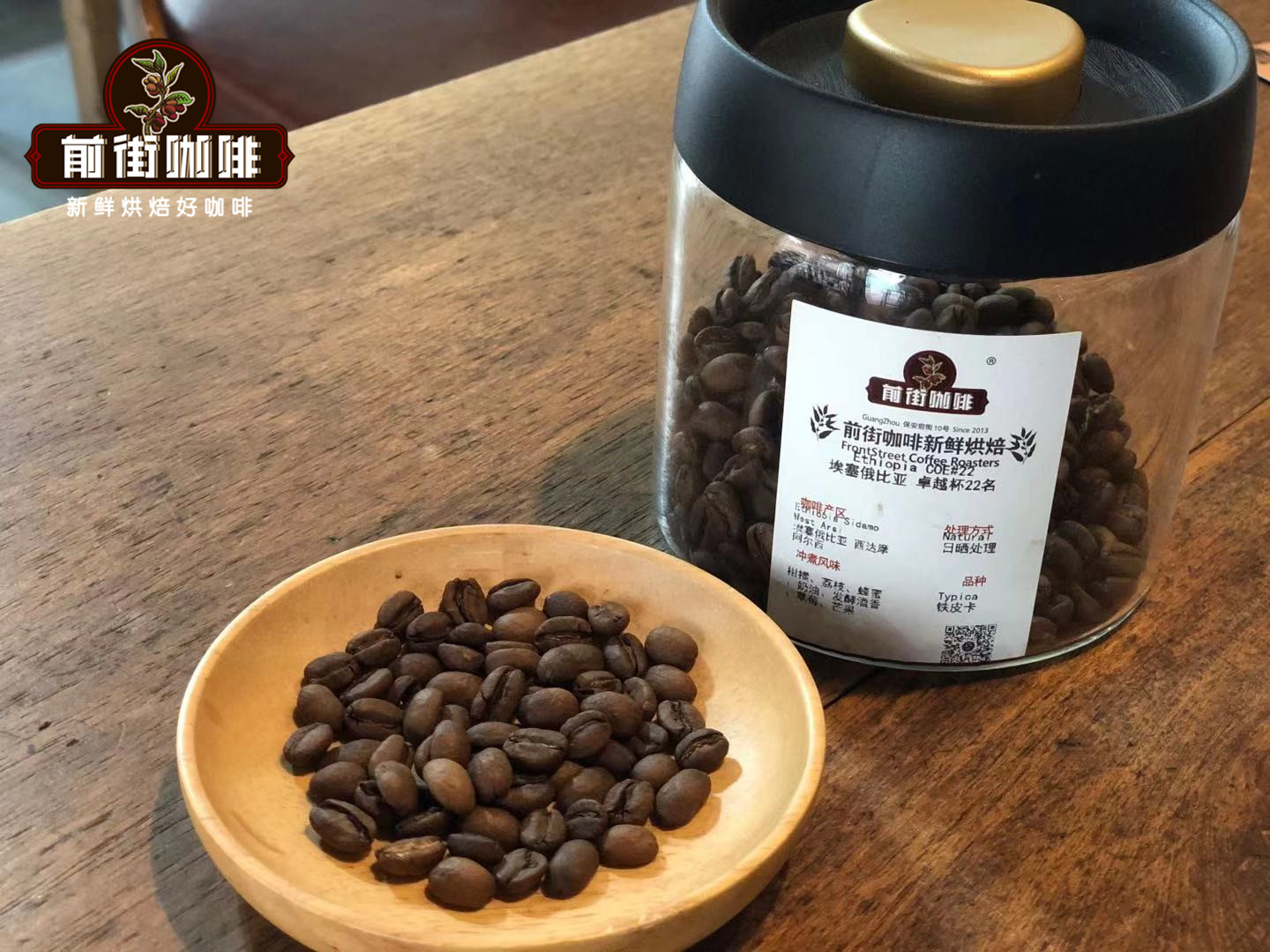
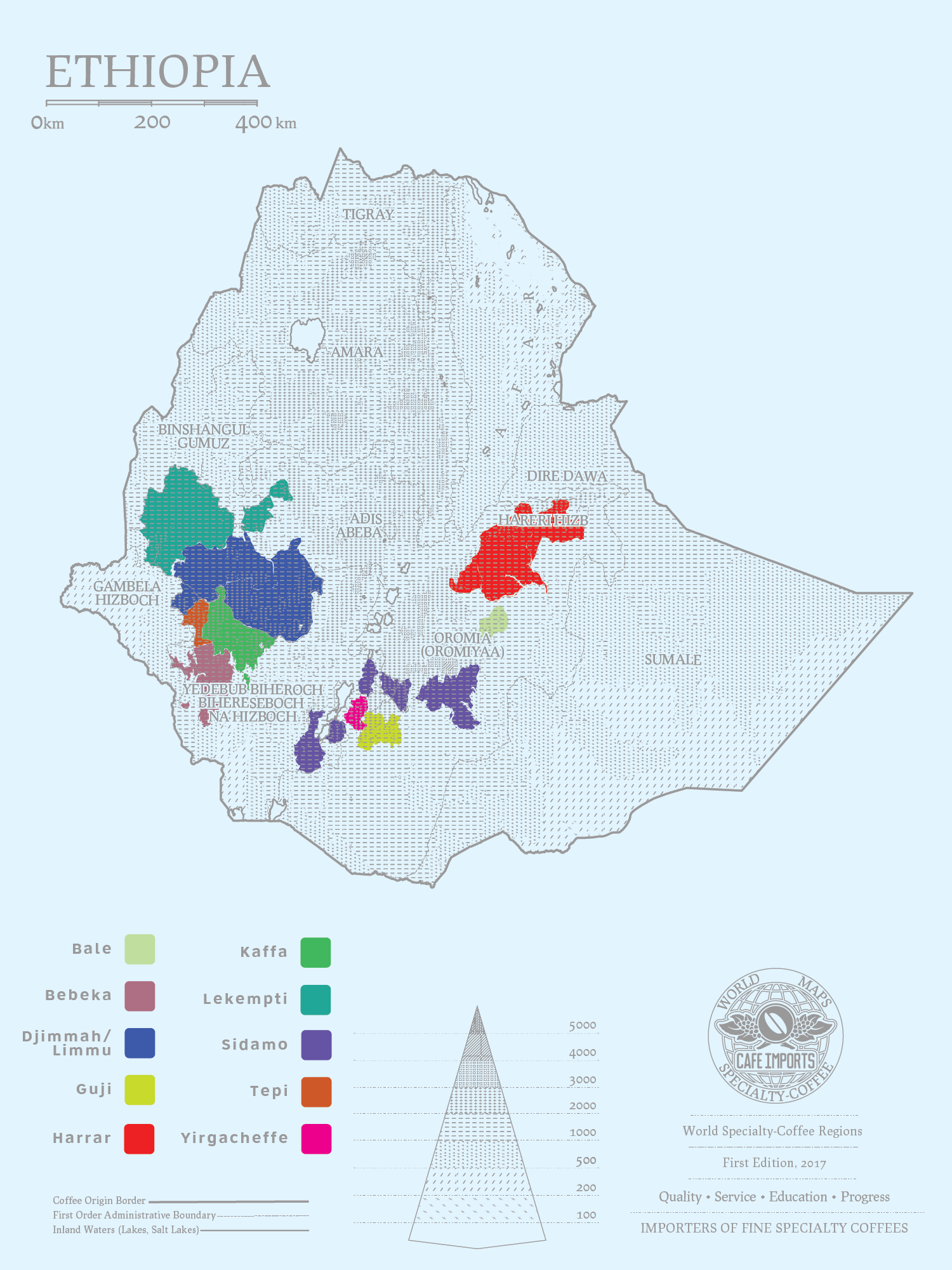
For example, one café’s menu item “COE22” comes from Alsie in Ethiopia’s Sidamo region and is one of the award-winning high-quality beans from the 2022 Cup of Excellence (COE) competition. This coffee uses one of the oldest Arabica varieties—Typica—and is processed using the natural (sun-dried) method. The growing area ranges between 1,900 and 2,200 meters in altitude, offering an exceptionally favorable geographical environment that provides ideal growth conditions, resulting in unique fruity aromas and a rich mouthfeel.
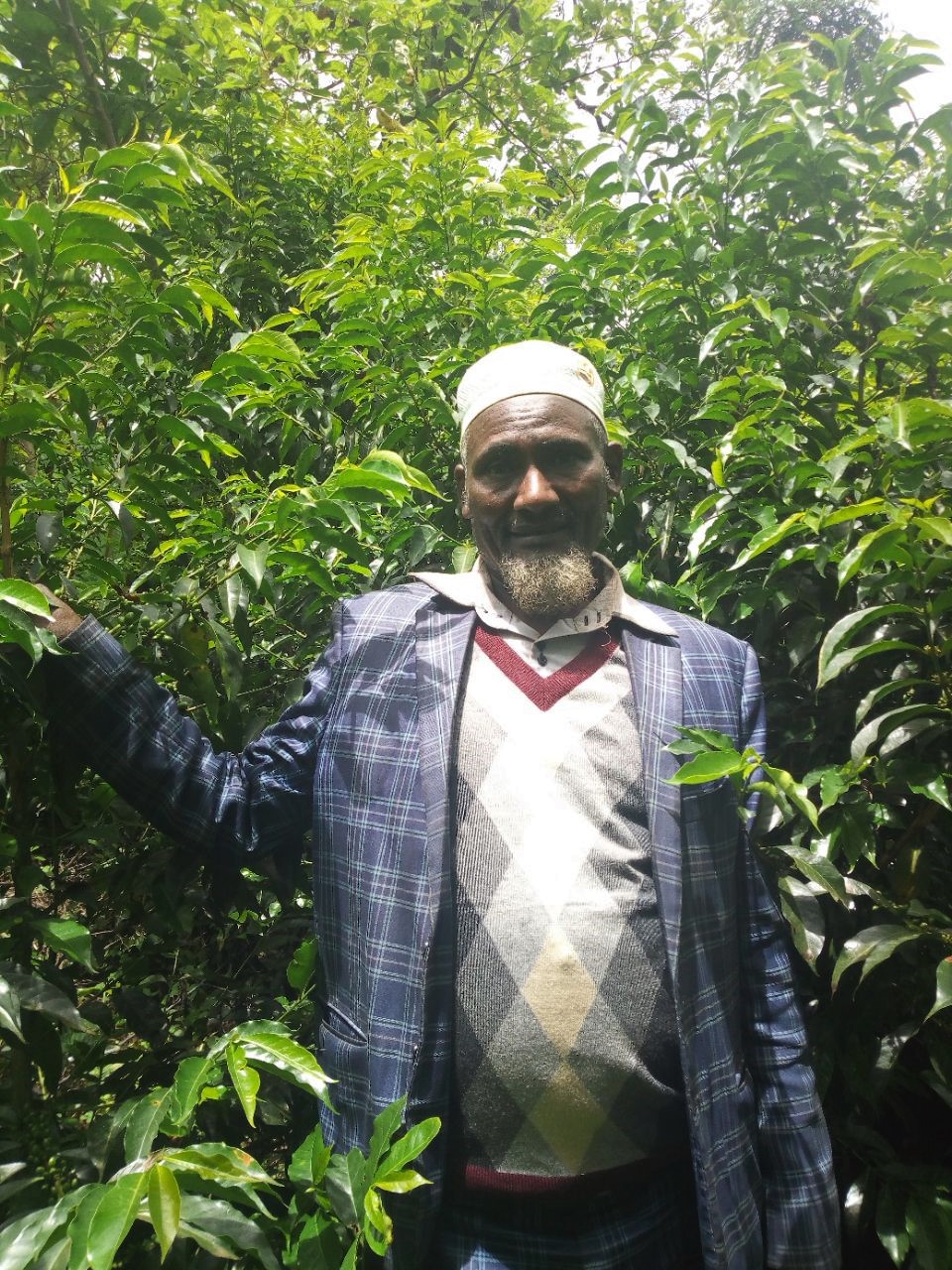
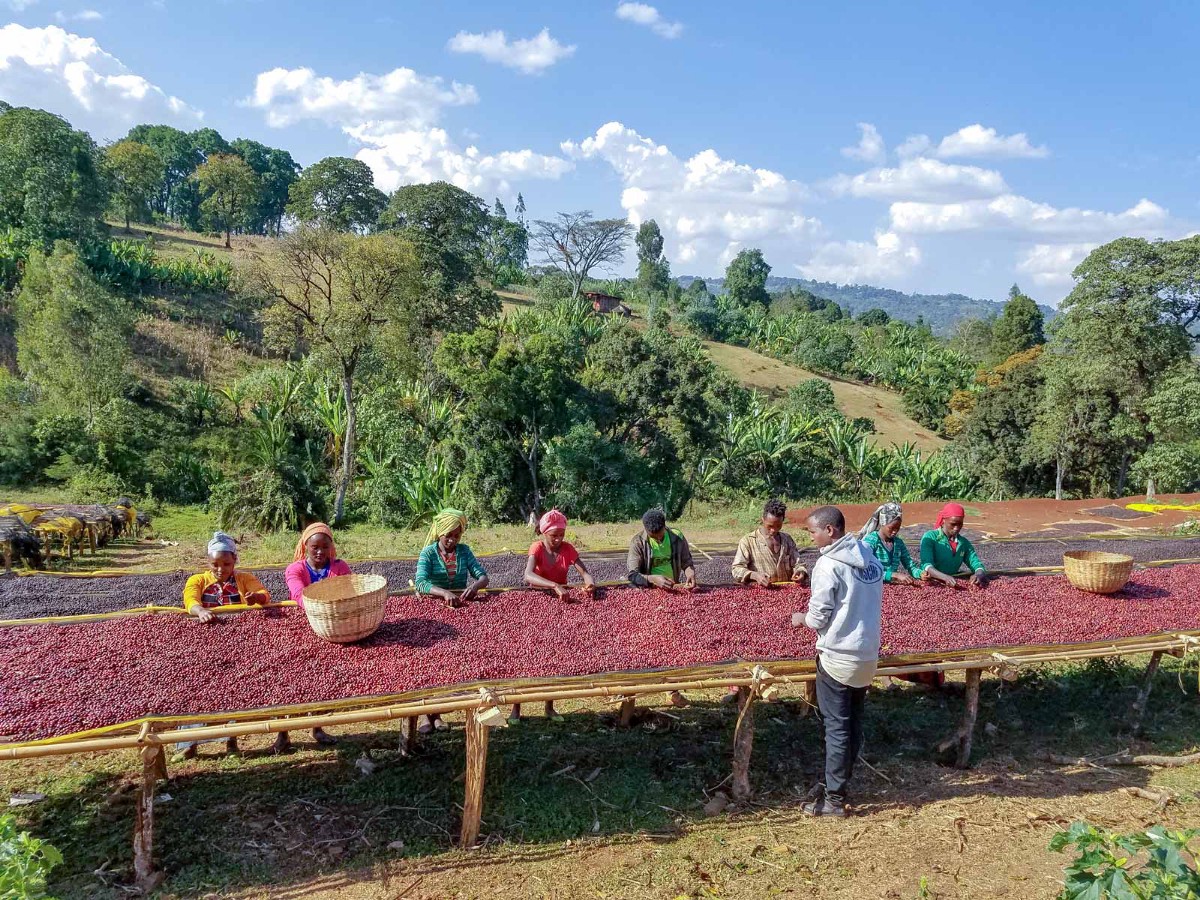
The coffee’s grower, Adem Banta Sute, carefully cultivated and harvested 4,500 kilograms of coffee cherries on his own 6-hectare land. He insisted on using the traditional natural processing method, drying the whole coffee cherries on raised beds and manually turning them every 30 to 60 minutes to ensure even heating and prevent over-fermentation. This complex and costly processing method effectively retains the natural sugars in the fruit pulp, delivering richer sweetness and fruity notes, ultimately resulting in a clean, layered, high-quality coffee bean.
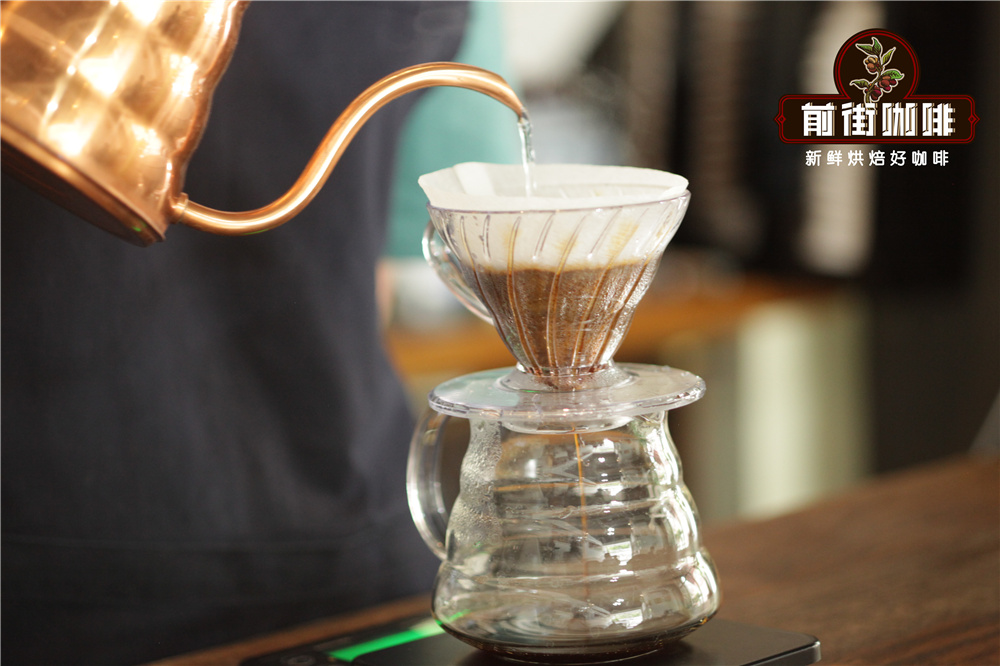
In terms of brewing, many specialty coffee shops, such as one café, often use a three-stage extraction method to fully unlock the bean’s potential. Specifically, they start with a 30-second bloom using 30 grams of water, followed by pouring in small circles until reaching 125 grams for the first pour, then continue pouring as the water level drops until reaching 225 grams and stop, with the total extraction time controlled at around 2 minutes. This technique evenly extracts acidity and sweetness while reducing the likelihood of bitter or astringent flavors.
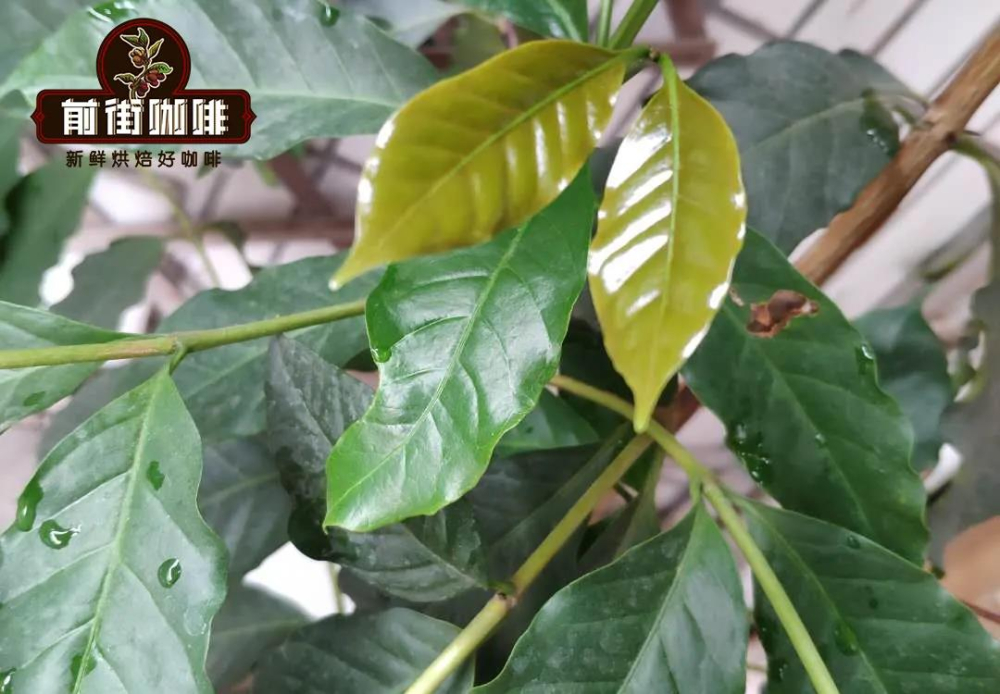
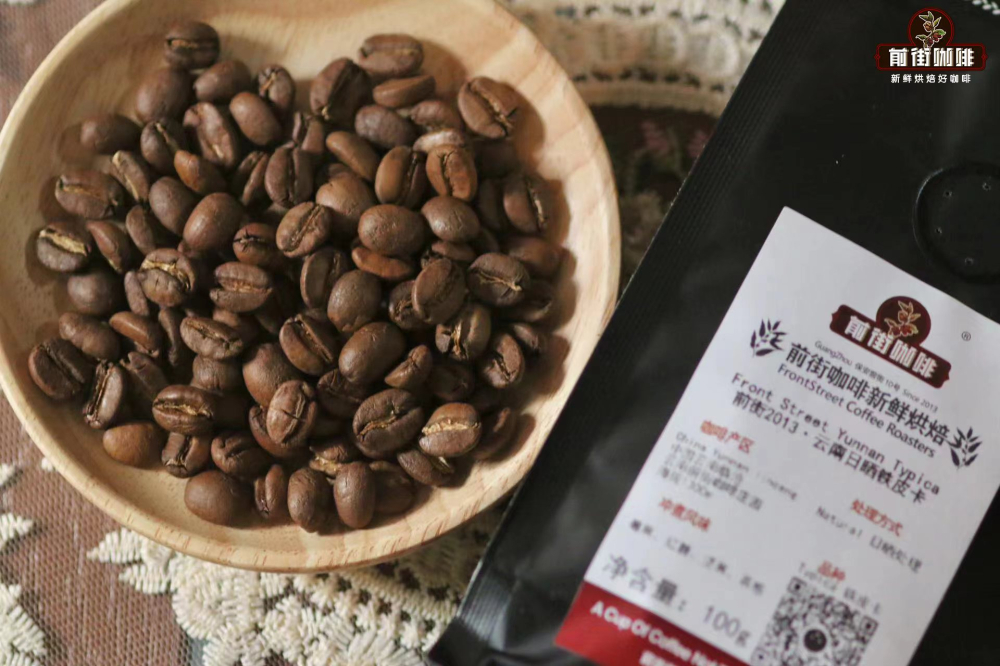
Ultimately, this COE22 coffee demonstrates a cup profile with bright citrus acidity, berry-like fruitiness, a creamy mouthfeel, and a honey-sweet aftertaste. This multi-layered flavor profile is a typical characteristic of specialty coffee. In comparison, a natural Typica from Yunnan showcases different regional traits, characterized by soft berry acidity, nutty notes, and a distinct tea-like quality, with a sweet brown sugar-like finish—making it ideal for drinkers who prefer low-acidity and full-bodied flavors.
In summary, specialty coffee is not just a marketing term but a strict commitment to quality across the entire coffee supply chain. From selecting the growing environment, the precision of green bean processing, to roasting and brewing techniques—each step influences the final flavor in the cup. If you want to explore the world of specialty coffee, start by getting to know COE-certified beans and trying single-origin beans from different regions, gradually developing your sensitivity and appreciation for flavor nuances.
The above content is compiled by CoffeeHunters, a coffee news website.


