







Introduction:SOE (Single Origin Espresso) and regular single-origin coffee both come from a single origin, but they differ significantly in application and flavor expression. This article will delve into the definition of SOE, its relationship and differences with single-origin coffee, and explain the key factors that influence SOE flavor, such as roast level, brewing method, and freshness. Additionally, we’ve selected four representative high-quality SOE coffee beans — ranging from bright fruity acidity to rich and bold profiles — to help you find your perfect match based on your taste preferences.
SOE is actually short for Single Origin Espresso, referring to espresso made using coffee beans from a single origin. Compared to common blends, SOE places greater emphasis on the uniqueness of the origin and its terroir expression. Many people confuse SOE with “single-origin coffee,” but the two are related by inclusion, not entirely equivalent.
Single-origin coffee generally refers to coffee beans from a specific origin or farm, which can be brewed in various ways such as pour over, French press, siphon, or AeroPress. When these single-origin beans are specifically used to make espresso, they become what we call SOE. In simple terms, SOE is one application form of single-origin coffee, but it focuses on the flavor expression achieved through espresso extraction.
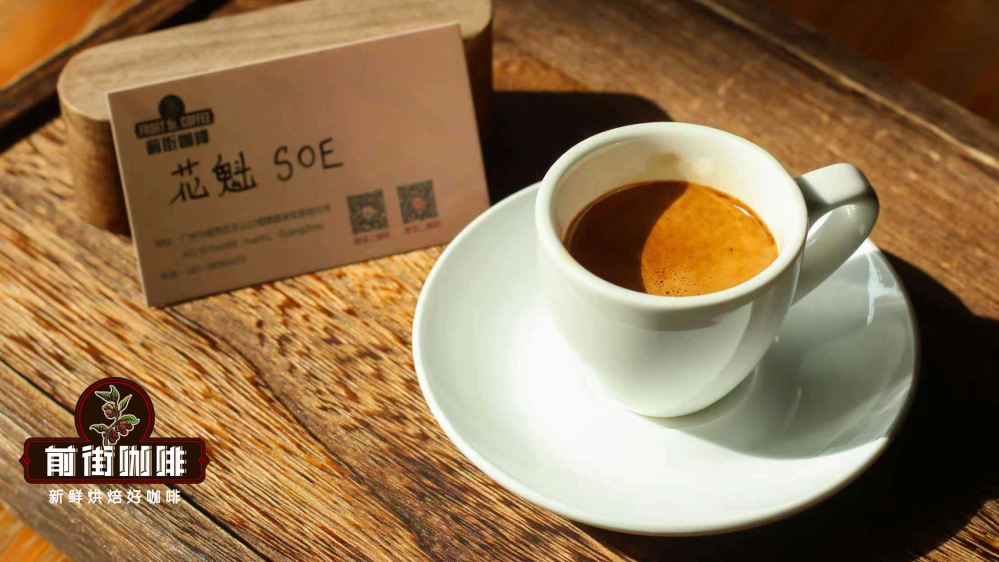
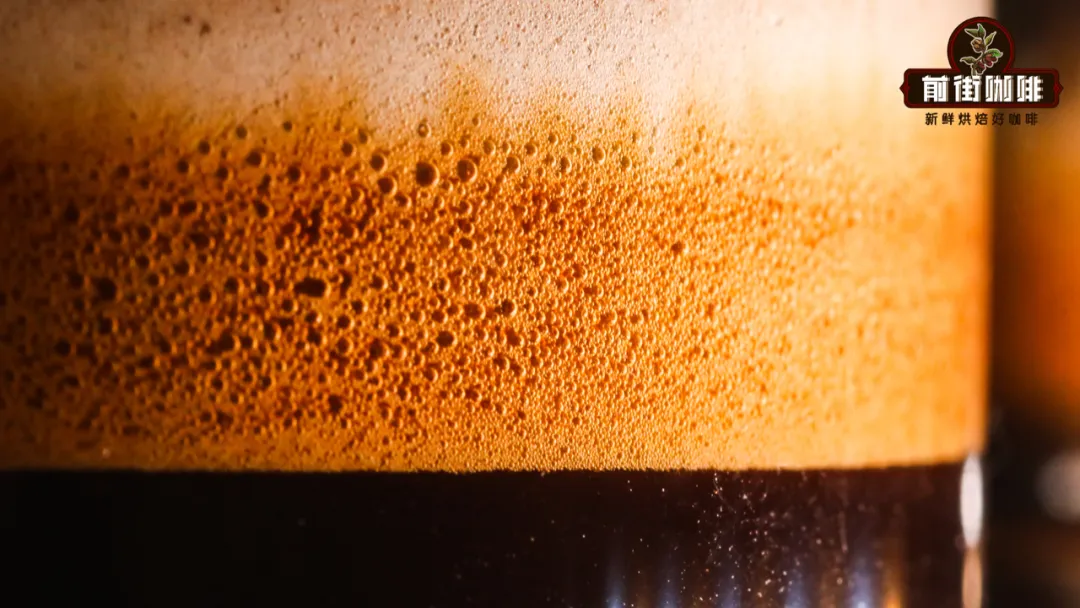
Whether it’s a blend or a single-origin espresso bean, the flavors are significantly amplified under the high temperature and pressure of an espresso machine. Acidity may become sharper, and bitterness more intense. Therefore, it’s especially important to use high-quality, low-defect single-origin beans to allow the SOE to showcase the unique personality and complexity of its origin.
During the roasting and extraction process, adjustments must also be made according to the flavor characteristics of the origin. If roasted too dark, it can easily result in monotonous burnt bitterness and charcoal notes, making it difficult for flavor compounds to shine. If roasted too light, it may lead to insufficient crema, incomplete flavor extraction, or even sharp sourness and astringency, especially when milk is added, resulting in a weak coffee flavor.
Generally speaking, it is recommended to choosemedium to medium-dark roastsingle-origin beans for making SOE. This not only preserves clear and distinct flavors but also ensures sufficient body and crema performance. In addition,the freshness of the coffee beans is crucial— it is recommended to use them within 50 days after roasting to enjoy the optimal aroma and flavor. Beyond this period, the flavors will noticeably decline, affecting the overall coffee experience.
To brew a high-quality SOE, in addition to bean selection and roasting, extraction parameters such as grind size, water temperature, pressure, and time must also be precisely controlled. Common recommended espresso parameters are: grind size similar to granulated sugar, water temperature around 90–94°C, coffee-to-water ratio about 1:2, and extraction time between 25–30 seconds. These conditions can be fine-tuned according to the actual characteristics of the coffee beans used to achieve the best balance.
Below are four SOE coffee bean recommendations from different origins, each showcasing diverse flavors. Each has its own unique flavor profile, suitable for coffee lovers with varying taste preferences.
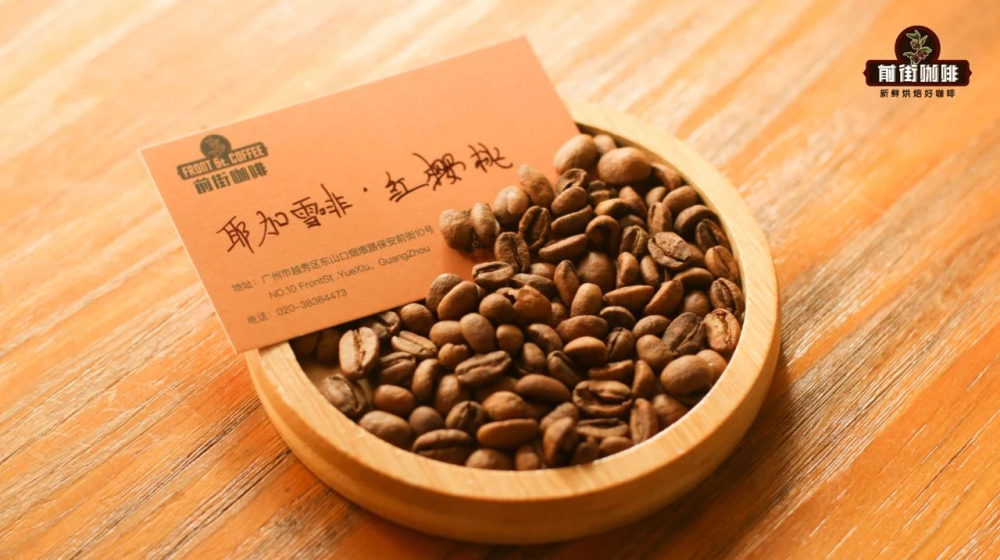
1. Yirgacheffe Red Cherry SOE
Coming from Ethiopia’s Yirgacheffe, a region long beloved by specialty coffee enthusiasts for its bright acidity, this Red Cherry SOE is medium-light roasted, ideal for those who enjoy fresh fruit aromas and vibrant acidity. The flavor profile includes layers of tropical fruits, berries, citrus, and guava, with a lively and refreshing aroma — perfect for enjoying as a black coffee or paired with light snacks.
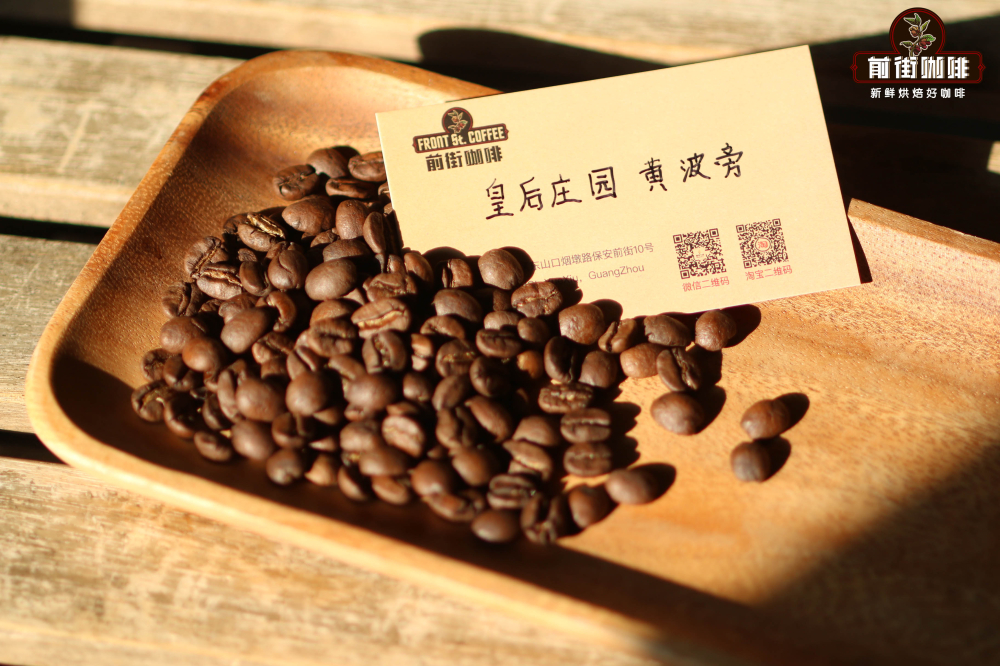
2. Queen Estate SOE
This Brazilian SOE uses coffee beans with chocolate and nutty characteristics, recommended for medium-dark roasting. The resulting espresso boasts a rich crema with creamy peanut and dark chocolate sweetness. It suits those who prefer a bold, low-acid profile and serves as an excellent base for lattes or cappuccinos.
3. Colombian Sidra SOE
Grown in Huila, Colombia, at elevations up to 1700 meters and processed with double anaerobic sun-drying, this Sidra coffee is rich and uniquely flavored. It showcases intense notes of grape, passionfruit, and citrus, making it particularly well-suited for cold brew or iced SOE preparations. The taste is refreshing with clear layers, offering an excellent balance of sweet and sour.
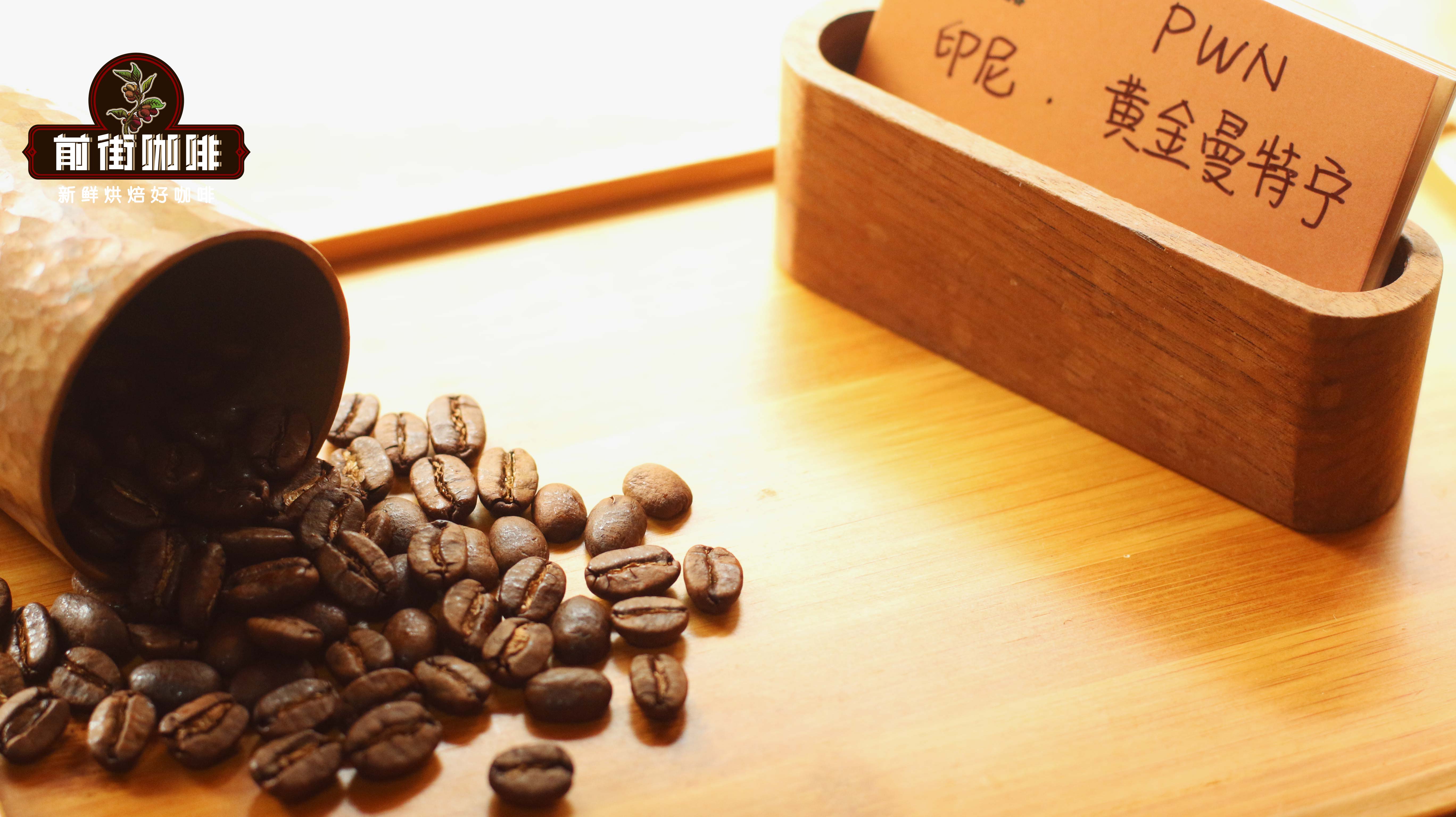
4. PWN Golden Mandheling SOE
As a classic representation from Indonesia’s Sumatra, this Golden Mandheling undergoes multiple rigorous hand-pickings with an extremely low defect rate. After medium-dark roasting, the SOE delivers a bold flavor with complex aromas of spices, herbs, sandalwood, and caramel. It’s especially suitable for lattes — the creamy, smooth texture pairs wonderfully with milk, leaving a lingering warmth of dark chocolate and cocoa in the aftertaste.
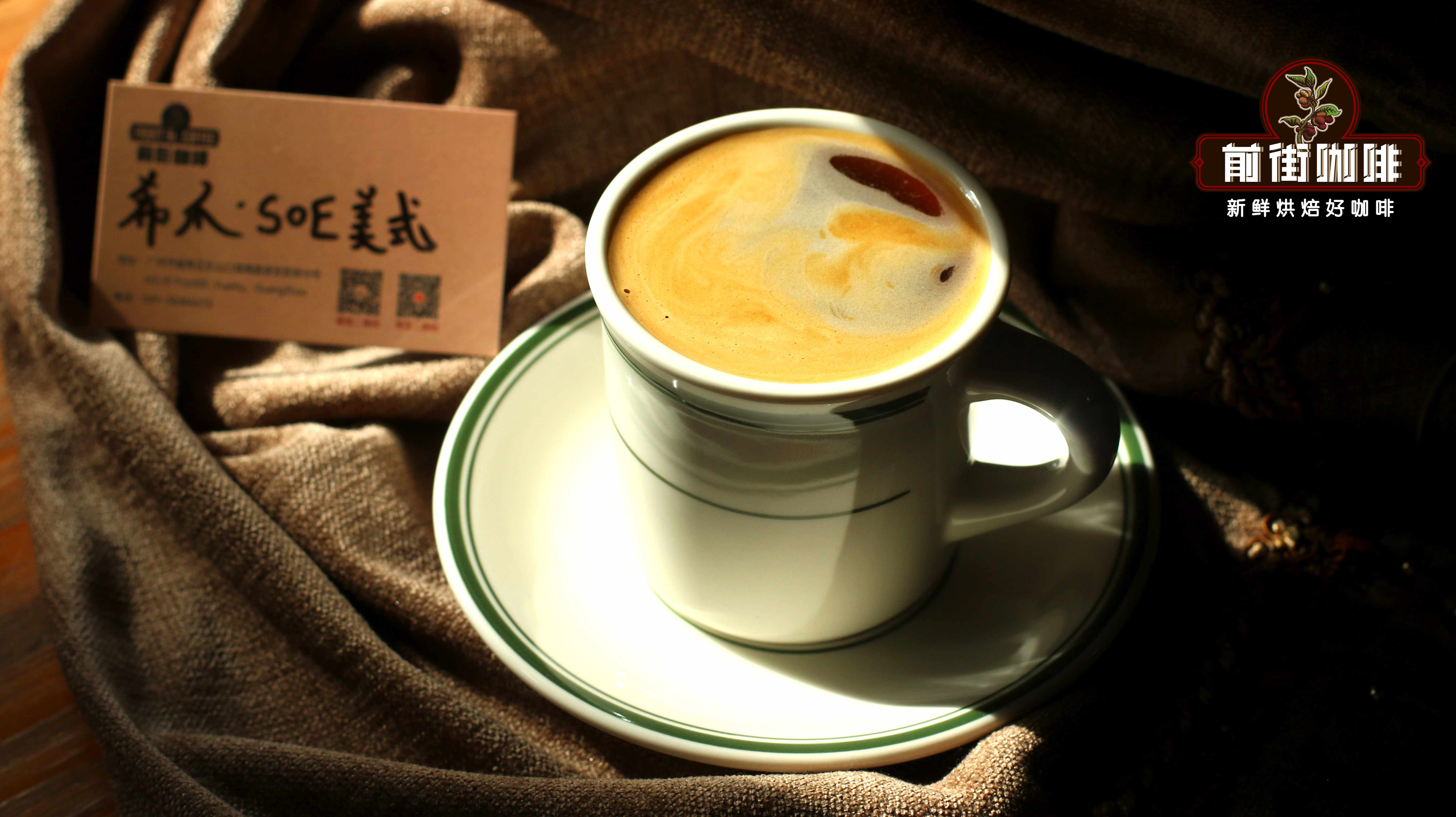
In summary, SOE is not just another name for single-origin coffee, but rather a coffee format that emphasizes origin characteristics and espresso flavor expression. By choosing the appropriate roast level, mastering precise extraction techniques, and ensuring bean freshness, you can truly appreciate the unique charm that SOE offers. Whether you prefer bright fruity acidity, rich chocolate, or bold spice notes, you’re sure to find a favorite among the four recommended options above.
The above content is compiled by CoffeeHunters, a coffee news website.


