







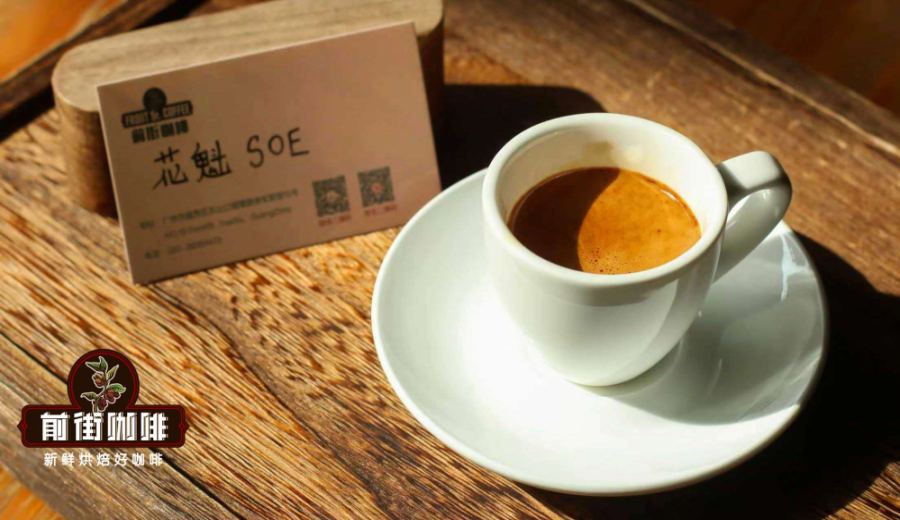
Introduction:SOE (Single Origin Espresso) has become a popular choice among specialty coffee enthusiasts in recent years. But do you know how different roast levels can affect the flavor and crema of espresso? This article delves into the differences in extraction performance between light, medium, and dark roast SOEs—from crema richness and flavor complexity to practical extraction parameters—to help you find the SOE beans that best suit your taste and understand why medium roast is often the go-to choice for espresso.
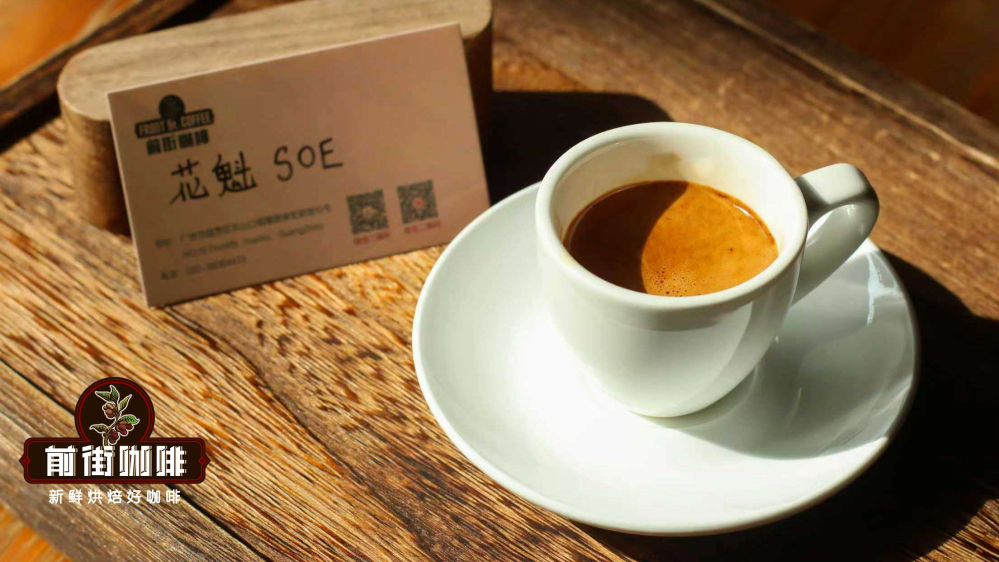
With the growing popularity of specialty coffee, consumers have become increasingly adept at identifying flavors from different regions, and ‘SOE’ has gradually become a focal point in the market. Short for ‘Single Origin Espresso’, SOE refers to espresso made using beans from a single origin. This approach highlights the unique flavor characteristics of that particular region, allowing drinkers to more clearly experience the distinctive profile of the coffee’s origin.
The very emergence of SOE is closely tied to showcasing regional characteristics. These beans not only emphasize the aromatic and flavor qualities of their origin but also intensify these traits through the form of espresso. For coffee lovers, choosing a suitable SOE bean is not only a treat for the taste buds but also an excellent way to explore the flavors of different regions.
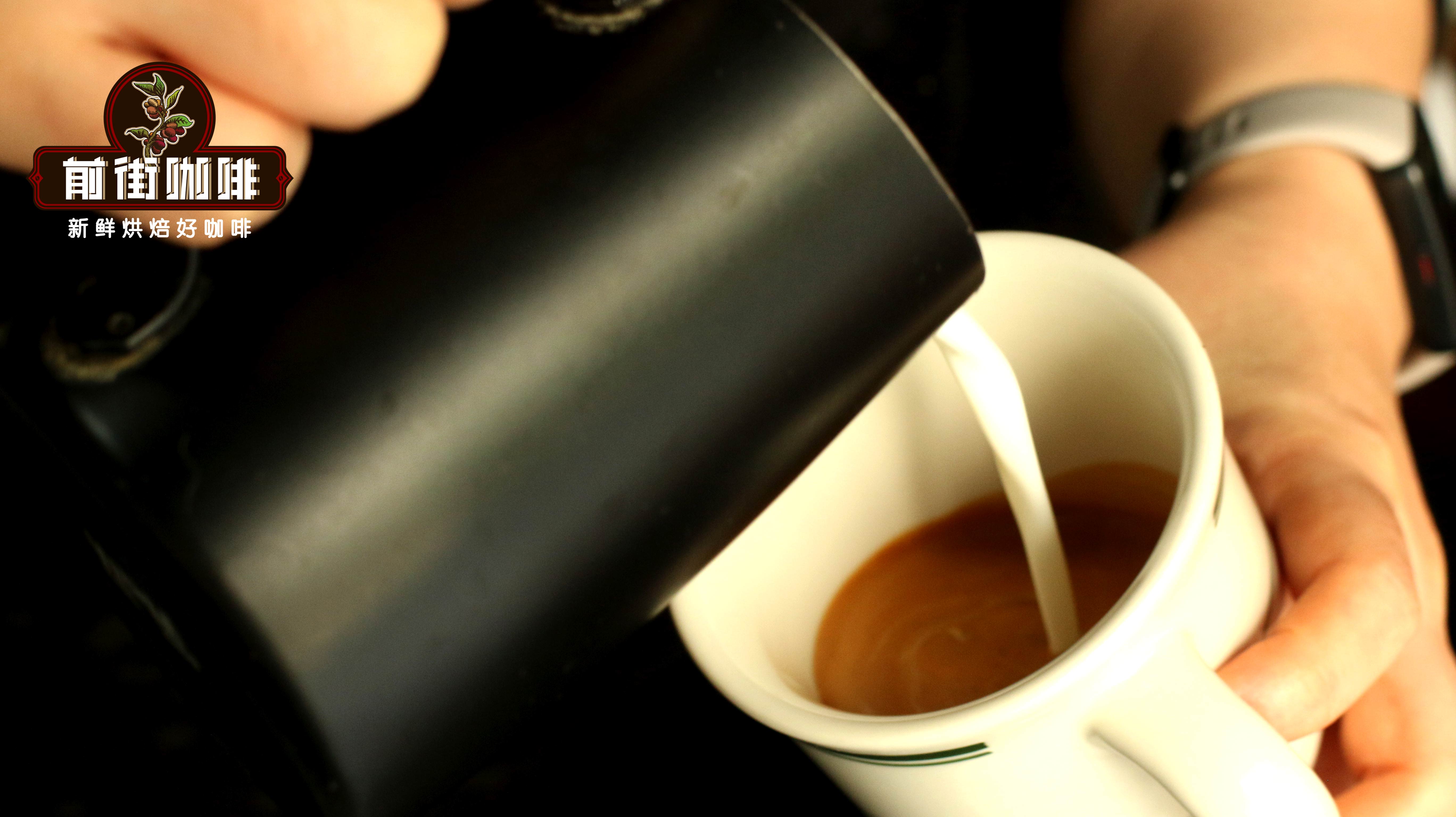
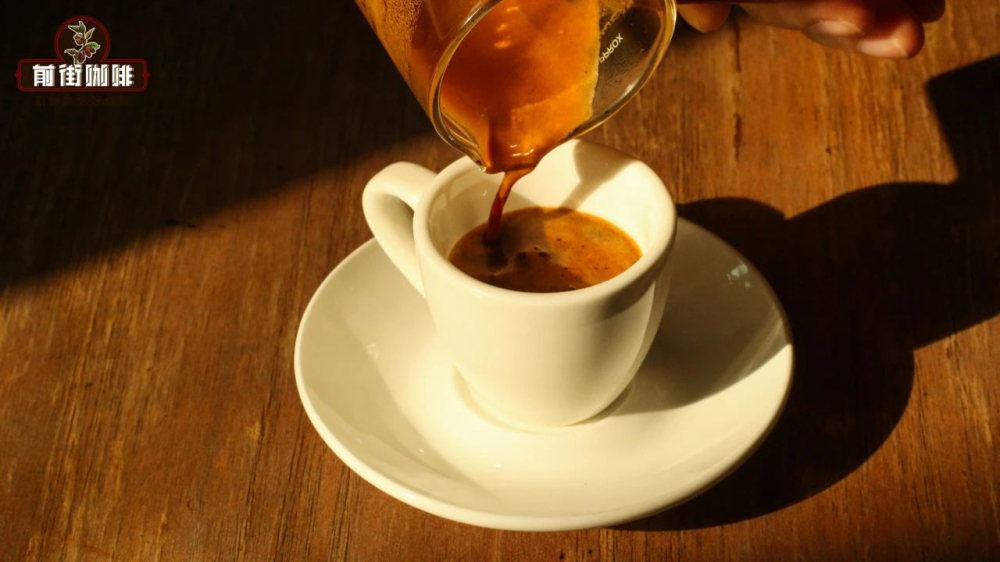
The nature of espresso lies in enhancing aroma while also amplifying acidity. Moreover, most people prepare espresso primarily as a base for milk-based drinks like lattes or cappuccinos, making the crema (coffee foam) especially important. Crema not only affects visual appeal but also directly influences flavor presentation and the layering of mouthfeel.
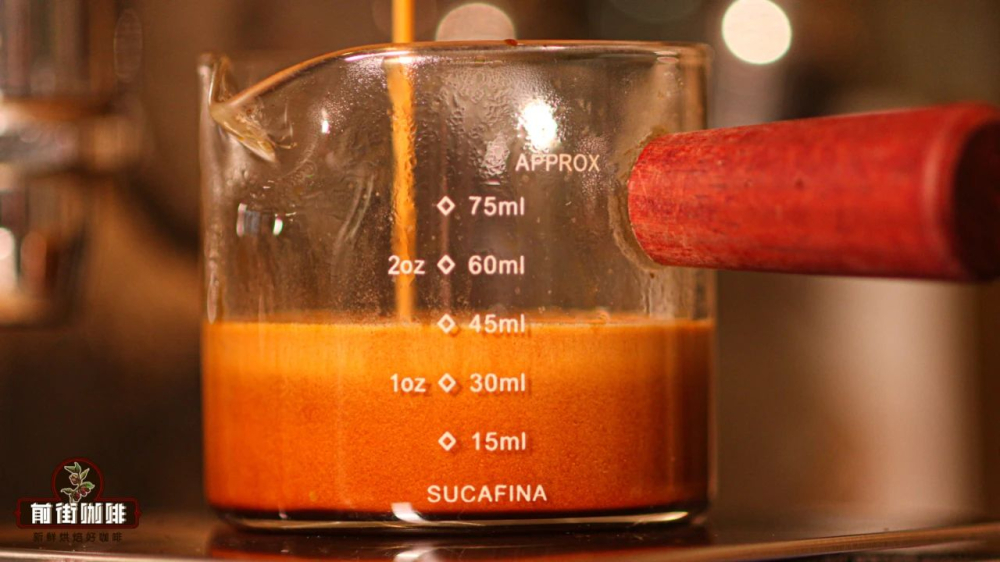
Unlike pour over coffee, espresso extraction takes an extremely short time—typically only 20 to 30 seconds—yet it releases a large amount of aromatic compounds during this brief process. The formation of crema results from the interaction of insoluble oils in the coffee beans and carbon dioxide, with the latter carrying a wealth of flavor compounds. Therefore, the thickness and stability of crema often determine the overall flavor performance of espresso, which is also why freshly roasted beans tend to produce richer crema.
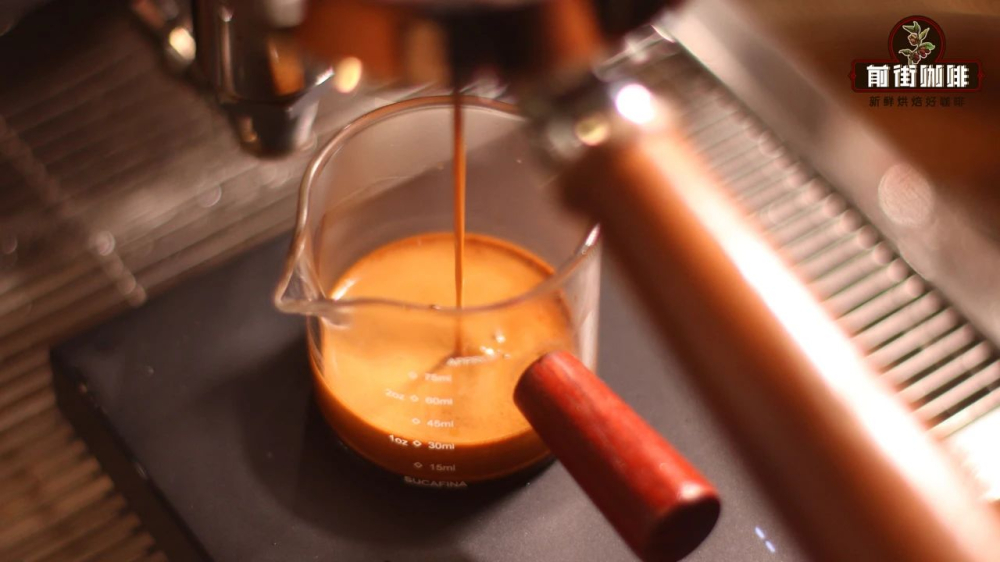
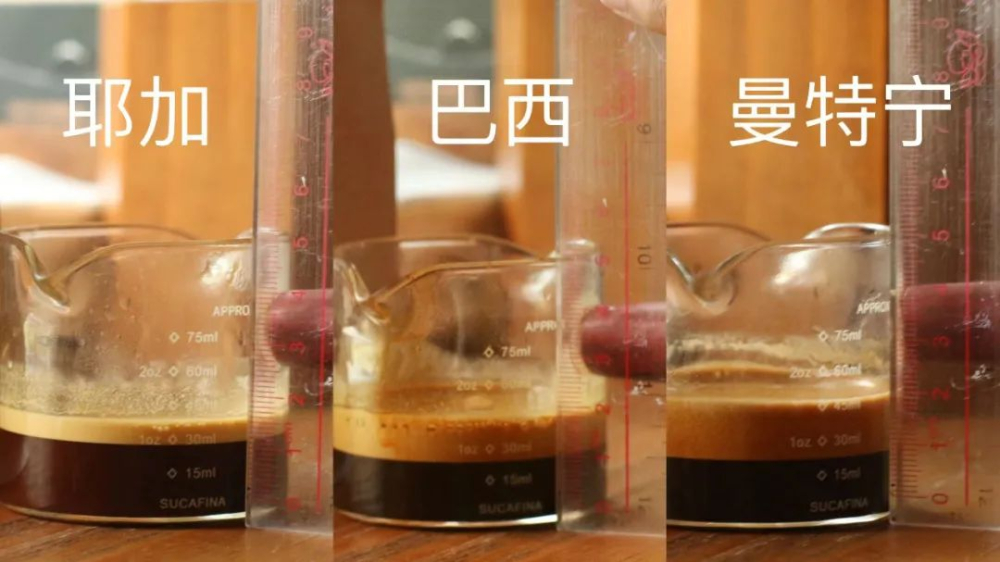
In practical extraction, standard espresso typically uses extremely finely ground coffee at a coffee-to-water ratio of 1:1.9 to 1:2, extracted at around 94°C and 9 bar pressure for 25 to 35 seconds. To explore how different roast levels affect SOE performance, we used three types of beans: a light-roasted Yirgacheffe, a medium-roasted Brazilian, and a dark-roasted Mandheling, all prepared with the same extraction parameters, and observed the differences in their crema and flavor profiles.
The specific parameters were as follows: 20 grams of coffee grounds for each shot, yielding 38 grams of espresso, with extraction times of 28 seconds for Yirgacheffe and 30 seconds each for Brazilian and Mandheling. The experimental results showed that under the same conditions, the light-roasted Yirgacheffe produced significantly less crema, with a lighter color; the medium-roasted Brazilian was in the middle, while the dark-roasted Mandheling exhibited the richest crema. Thus, the order of crema richness is roughly: Yirgacheffe < Brazilian < Mandheling.
In terms of flavor, the light-roasted Yirgacheffe displayed distinct lemony acidity, with a bright and refreshing taste but a shorter aftertaste and an overall thinner mouthfeel. In contrast, the medium-roasted Brazilian and dark-roasted Mandheling showcased richer notes of nuts and chocolate, with more pronounced sweetness and a smoother, fuller mouthfeel. The Mandheling also had a hint of unique herbal finish. If you prefer SOEs with prominent acidity, light-roast beans remain a viable option; however, if you value crema performance and a richer, more intense mouthfeel, medium to medium-dark roast beans are a more practical choice.
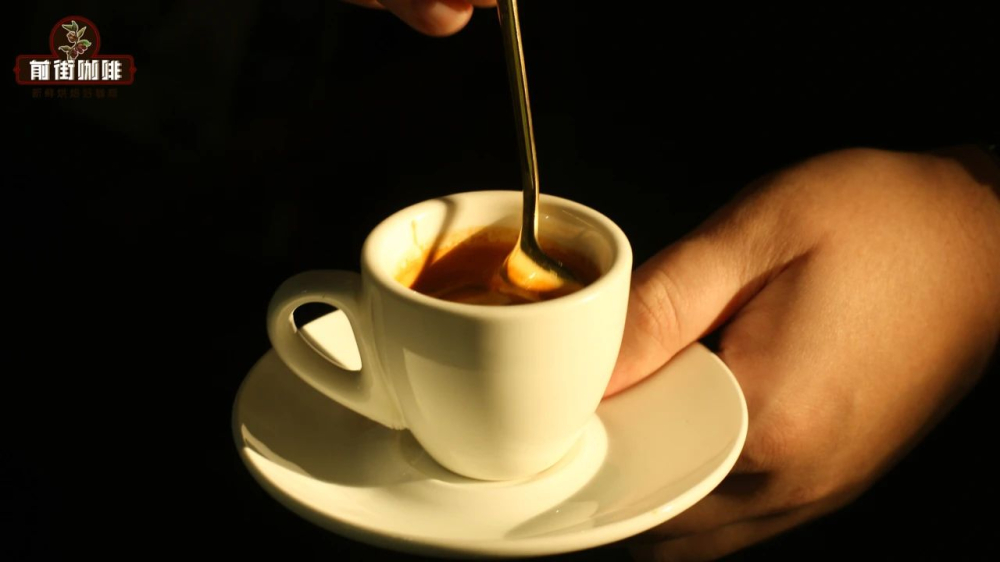
While SOE effectively highlights the original flavors of a single origin, its limitation lies in its relatively simple flavor profile. For instance, the light-roasted Yirgacheffe may have excellent acidity but often lacks body. If you want to adjust the flavor balance, you usually need to modify the roast curve, which might sacrifice some fruitiness and floral notes. In such cases, blends become a solution, as complementary beans from different origins can achieve a rounder and more balanced taste.
Of course, if your budget allows, opting for high-quality single-origin specialty beans as SOE can also deliver a stunning experience. For example, certain Geisha varieties with grape or passionfruit notes can exhibit exceptional aroma even without particularly emphasizing crema. Going further, selecting a medium-roasted blend like Costa Rica Miramar not only meets crema expectations but also combines the aroma and complexity of specialty beans, often resulting in an impressive overall performance.
In summary, this article analyzes the impact of different roast levels on SOE espresso from the perspective of crema performance. If you’re aiming for a rich mouthfeel and abundant crema, medium or medium-dark roast beans are the top choice; but if you prioritize acidity, light-roast beans can also meet your needs, albeit with potential compromises in crema and body. Understanding these differences will help you make more personalized and satisfying choices when selecting SOE coffee beans.
The above content is compiled by CoffeeHunters, a coffee news website.

