







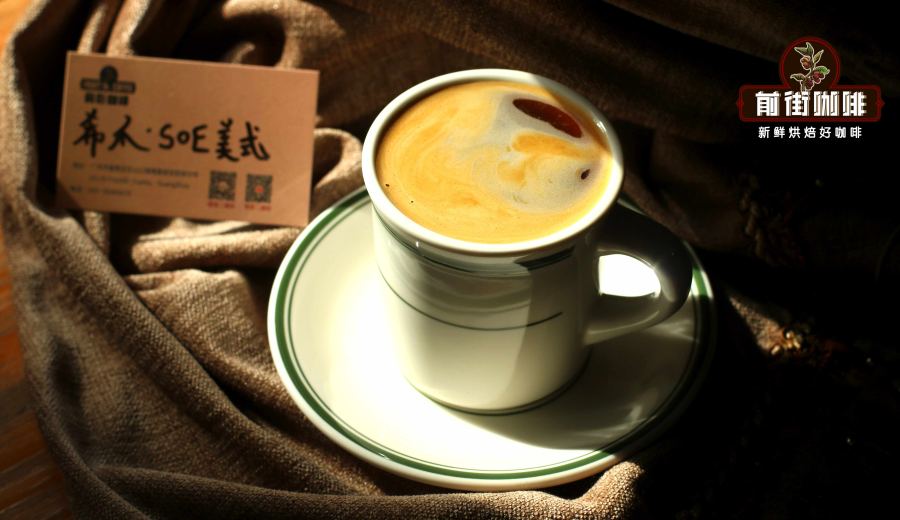
Introduction:SOE single-origin espresso has become increasingly popular among coffee enthusiasts in recent years, but do you really understand the difference between it and regular single-origin beans? This article delves into the definition, characteristics, and extraction essentials of SOE — from coffee-to-water ratio, grind size to extraction time — offering practical parameter suggestions and flavor descriptions to help you better understand how to brew high-quality SOE espresso.
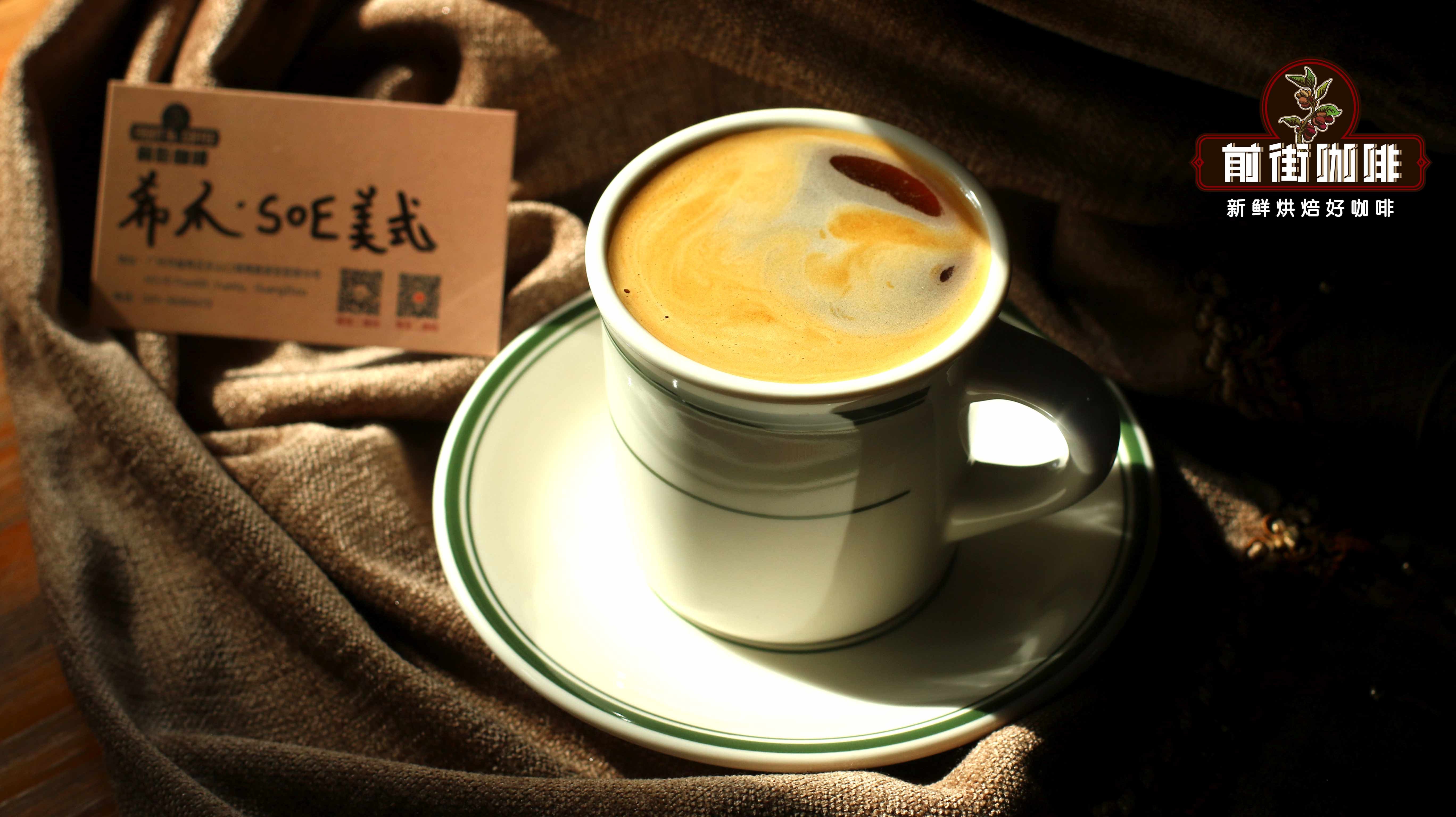
Many newcomers to coffee might be unfamiliar with the term SOE, but for seasoned coffee lovers, it’s already an important choice for experiencing unique coffee flavors. SOE, or Single Origin Espresso, refers to espresso made using beans from a single origin. Although it may sound premium, it is essentially a type of coffee based on single-origin beans, specifically crafted for espresso or milk-based drinks. However, the charm of SOE lies in its ability to more precisely showcase the unique flavor profile of its origin.
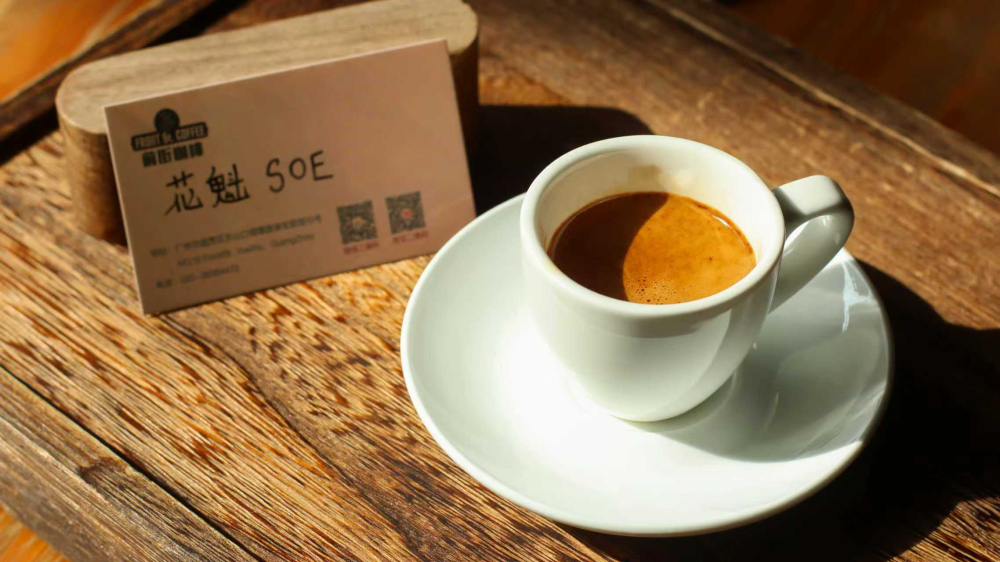
So what exactly is SOE coffee? Simply put, SOE stands for ‘Single Origin Espresso,’ meaning espresso made from a single-origin coffee bean. This type of coffee emphasizes the pure expression of regional flavors. For example, if you prefer bright acidity, you might opt for an SOE made from Yirgacheffe single-origin beans; if you enjoy a rich and bold taste, Mandheling single-origin beans are a great choice. Compared to common blends, SOE can better highlight the distinctive characteristics of a specific region or country, which is why it has gained attention in the international coffee market.
The main advantage of SOE coffee is its ability to clearly present regional flavors, making it easier for drinkers to identify the origin characteristics of the coffee. However, it also comes with clear challenges, including higher prices and potential instability in flavor. Since coffee is an agricultural product, annual climate variations can affect the performance of beans each year. Therefore, SOEs from the same region may show significant flavor differences across different batches. Additionally, if made from micro-lot beans, supply can be limited, adding to its rarity.
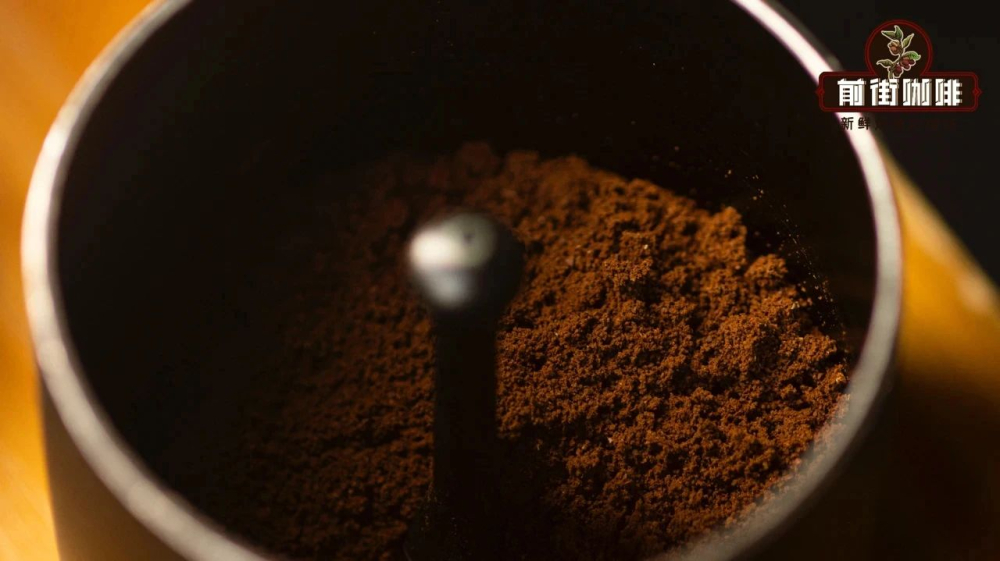
When it comes to the origins of SOE, we must mention the 2007 World Barista Championship (WBC), where that year’s champion used an SOE coffee to win the competition. This move quickly made SOE a focal point in the industry and drew more attention and experimentation with this type of single-origin espresso. However, precisely because SOE emphasizes the characteristics of a single origin, the flavor profile of each batch can vary greatly — which is also what makes it both the most challenging and the most fascinating.
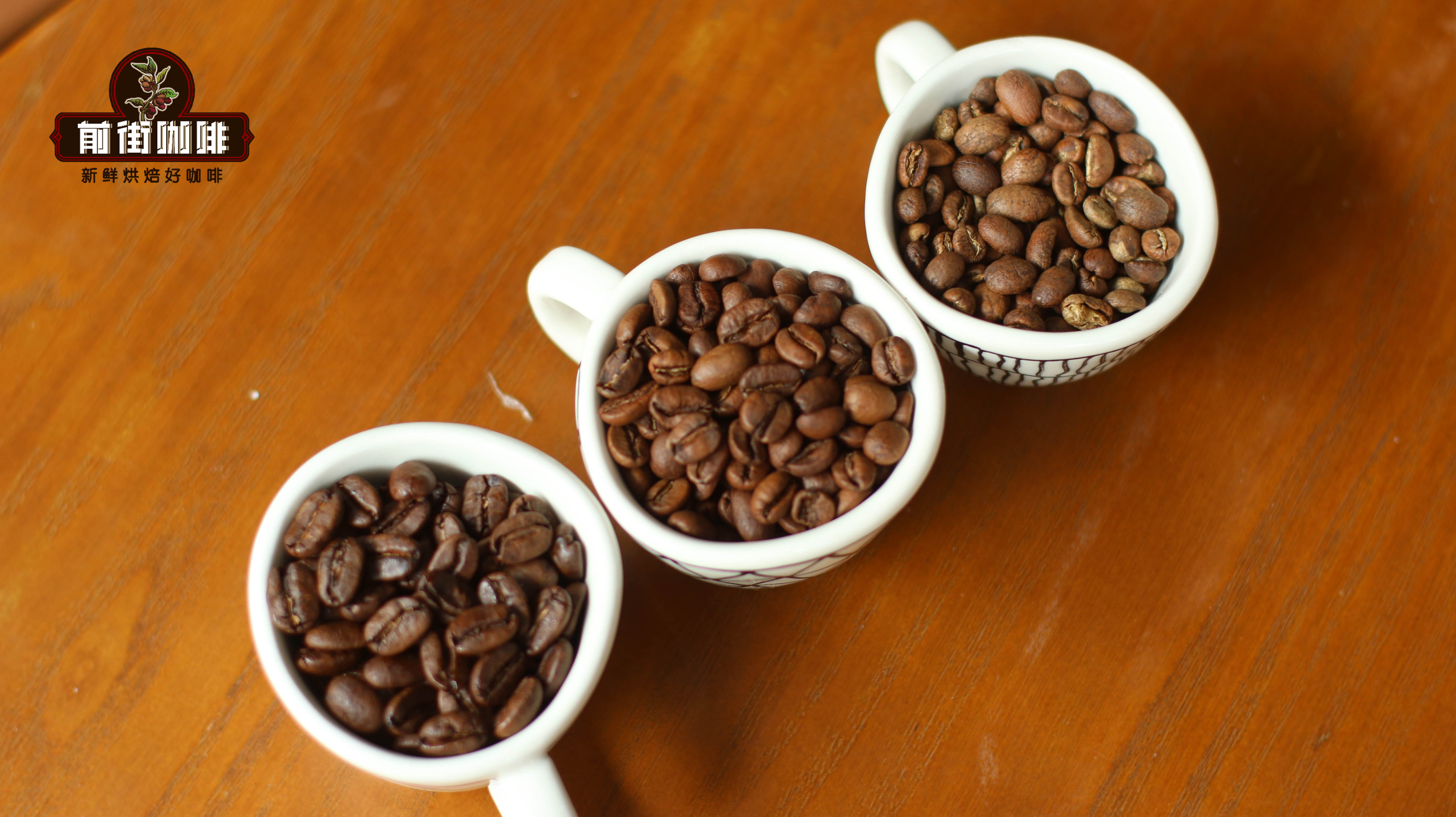
Many readers may wonder, since SOE is made using single-origin coffee beans, how is it different from regular single-origin beans? The first factor is the choice of roast level. The roast level of SOE must be adjusted according to the final brewing method. Whether it’s light, medium, or dark roast, it should aim to fully express the regional flavors while providing sufficient crema for support. An overly light roast — such as using Yirgacheffe beans, which are usually suitable for pour over, directly for SOE — may result in insufficient crema and overly sharp acidity, affecting the overall taste. Therefore, the roasting of SOE is often moderately adjusted from the base of single-origin beans to suit the needs of espresso extraction.
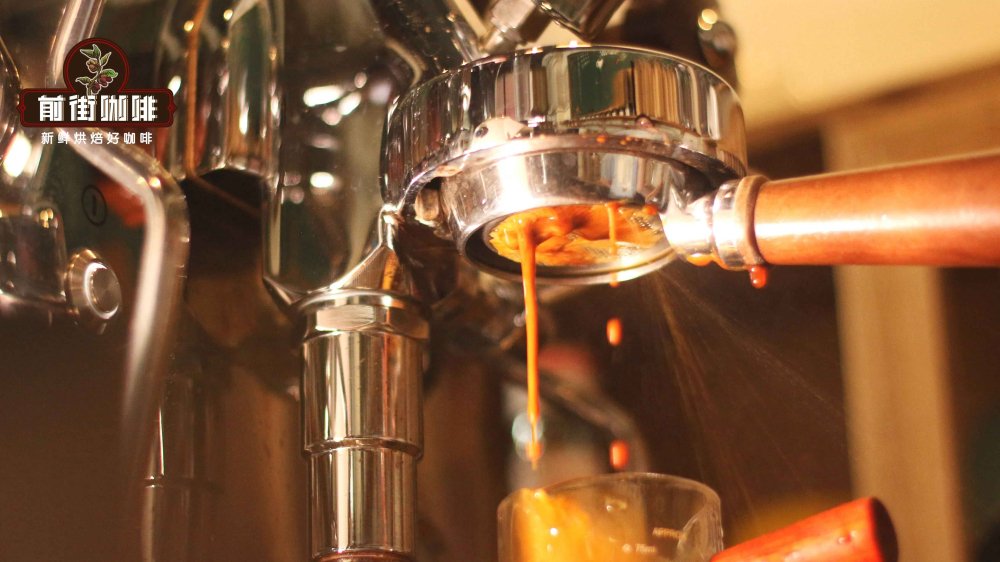
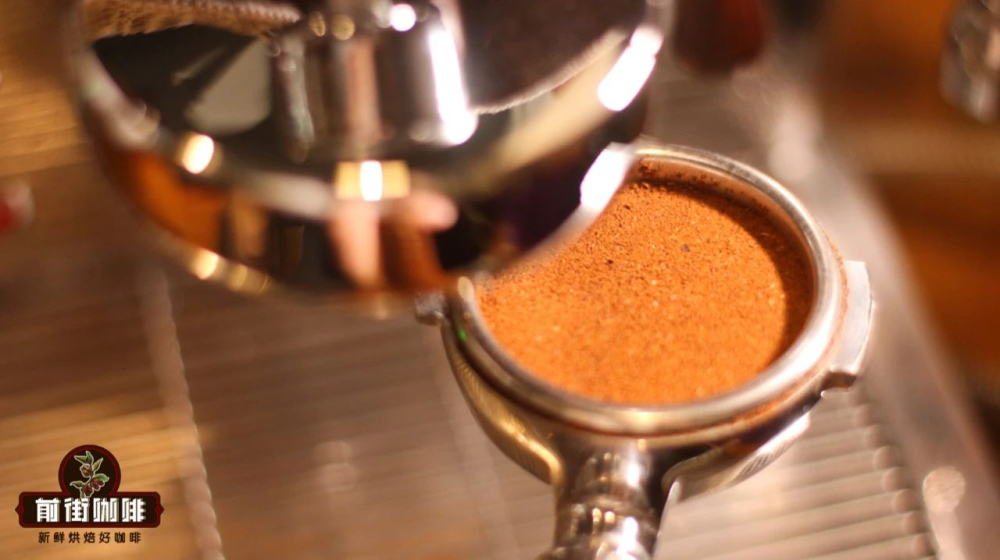
The extraction method is another key difference. SOE is primarily extracted under high pressure using an espresso machine, which demands higher stability from the machine and precise control over grind size. Compared to pour over coffee, espresso has higher solubility and presents flavors in a more concentrated form. Therefore, even if the same single-origin beans are used, failure to adjust the roast and grind for espresso extraction characteristics may result in thin crema and uneven flavors. A stable machine and appropriate parameter settings are essential for brewing a high-quality SOE.
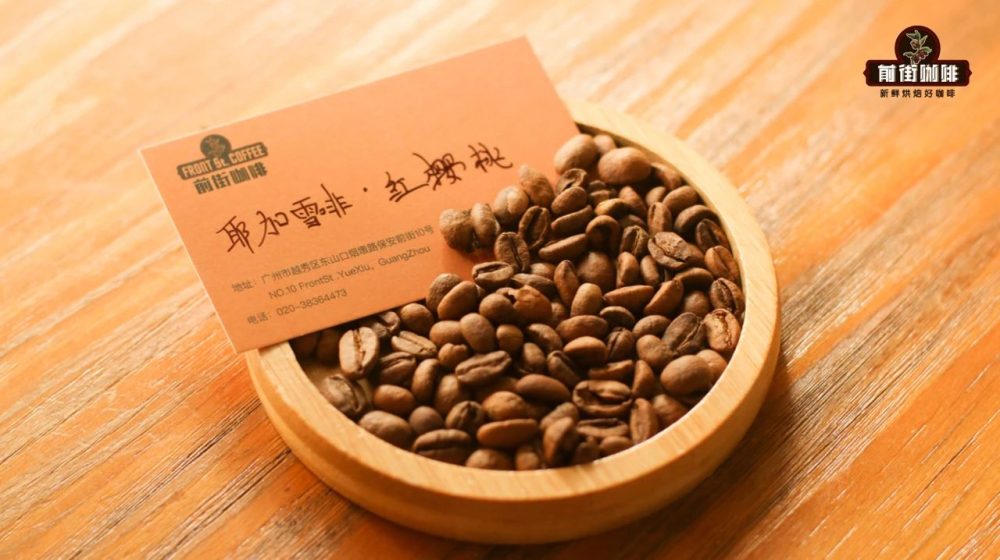
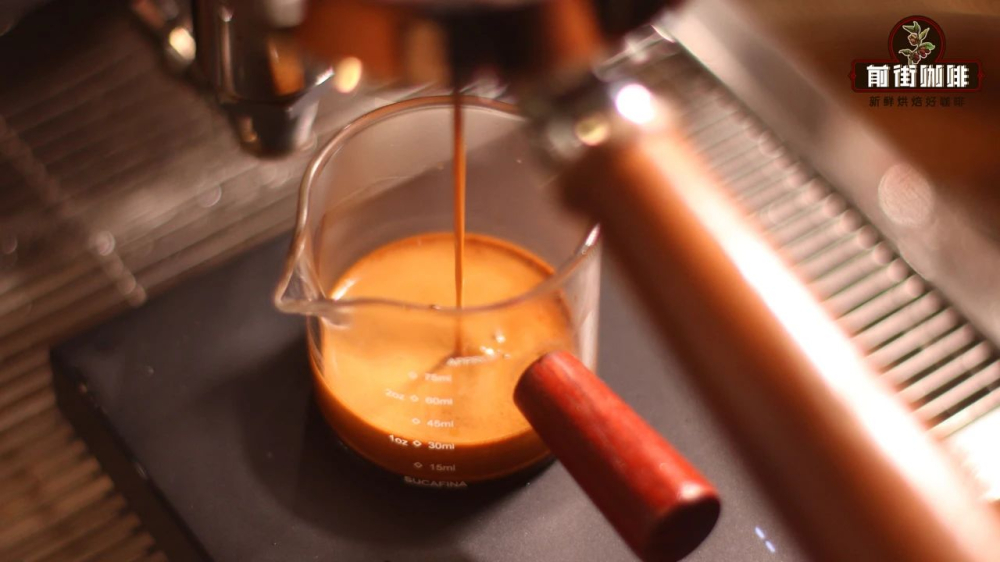
Take the Ethiopian Red Cherry coffee beans as an example. The producing region is Yirgacheffe, with an altitude of about 2000 meters, the variety is heirloom, and it uses a natural processing method, roasted to a light level. When making SOE from these beans, it is recommended to use the following parameters: 20 grams of coffee grounds, 40 grams of espresso, extraction time of 27 seconds, and a grind size of 1.7 on the P900N (equivalent to #1.7 on Pergtamp/P900N). Under these parameters, the brewed SOE exhibits medium acidity, medium to low bitterness, medium-low sweetness, a viscous mouthfeel, berry juice-like flavors with a slight tea note, a long aftertaste, but relatively poor crema stability that dissipates quickly.
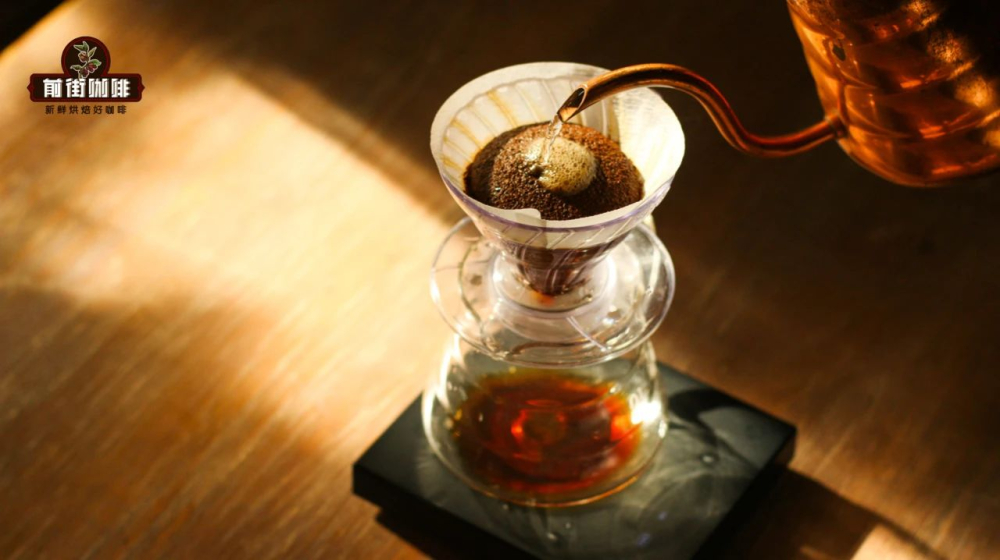
If using the same beans for pour over, the recommended parameters are: water temperature 91°C, coffee-to-water ratio 1:15, using a V60 dripper, grind size similar to superfine sugar, and employing a multi-pour method. The specific steps are: first pre-infuse with 30 grams of water for 30 seconds, then pour in a small circular motion up to 115 grams for the first pour, followed by three more pours up to 225 grams before stopping, with a total extraction time of about 2 minutes. With this method, the flavors showcase sweet notes of tropical fruits, strawberries, berries, and honey, forming an interesting contrast to the concentrated expression of SOE.
In summary, SOE single-origin espresso is a type of espresso that highlights the flavors of a single origin. It not only challenges the barista’s skills but also provides drinkers with a more layered taste experience. Every element — from coffee-to-water ratio, grind size to extraction time — affects the final flavor presentation. If you’re a coffee enthusiast, try adjusting these parameters yourself to experience how SOE changes under different settings. It might just bring a whole new sensation to your daily coffee routine.
The above content is compiled by CoffeeHunters, a coffee news website.

