







Introduction:The Kafa Forest is regarded as the birthplace of coffee and the legendary home of Geisha coffee. But are the coffee beans produced here truly Geisha? This article delves into the geographical environment and unique coffee varieties of the Kafa Forest, clarifies common misconceptions in the market, and provides practical pour over recommendations and flavor profiles for washed-processed beans, helping you understand the true flavor profile of this mysterious producing region.
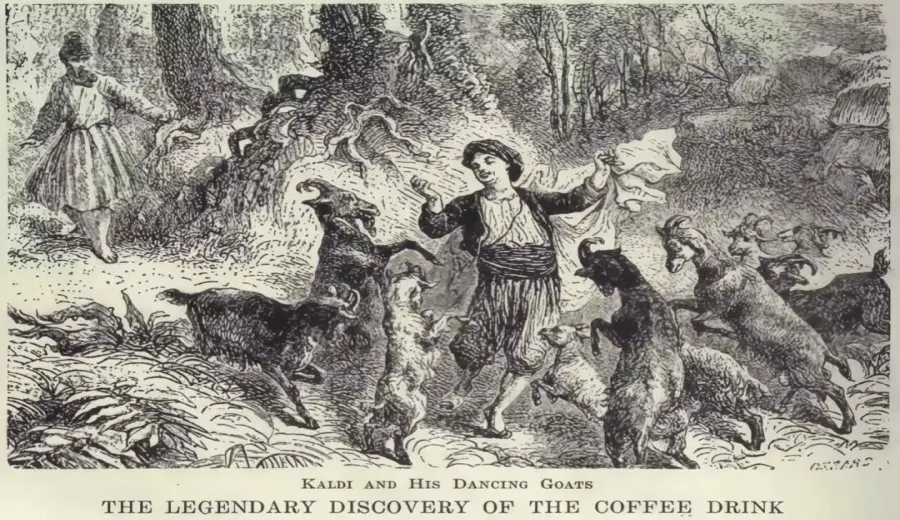
Between the 6th and 8th centuries, a shepherd named Kaldi from Ethiopia was tending his goats in the mountains when he noticed that they became unusually energetic after eating red berries from a certain tree—even weak or sickly goats regained vitality. Upon trying the berries himself, he experienced an unprecedented sense of alertness and energy, thus marking the beginning of humanity’s relationship with coffee. This widely circulated “coffee shepherd legend” took place in what later generations call the Kafa Forest.
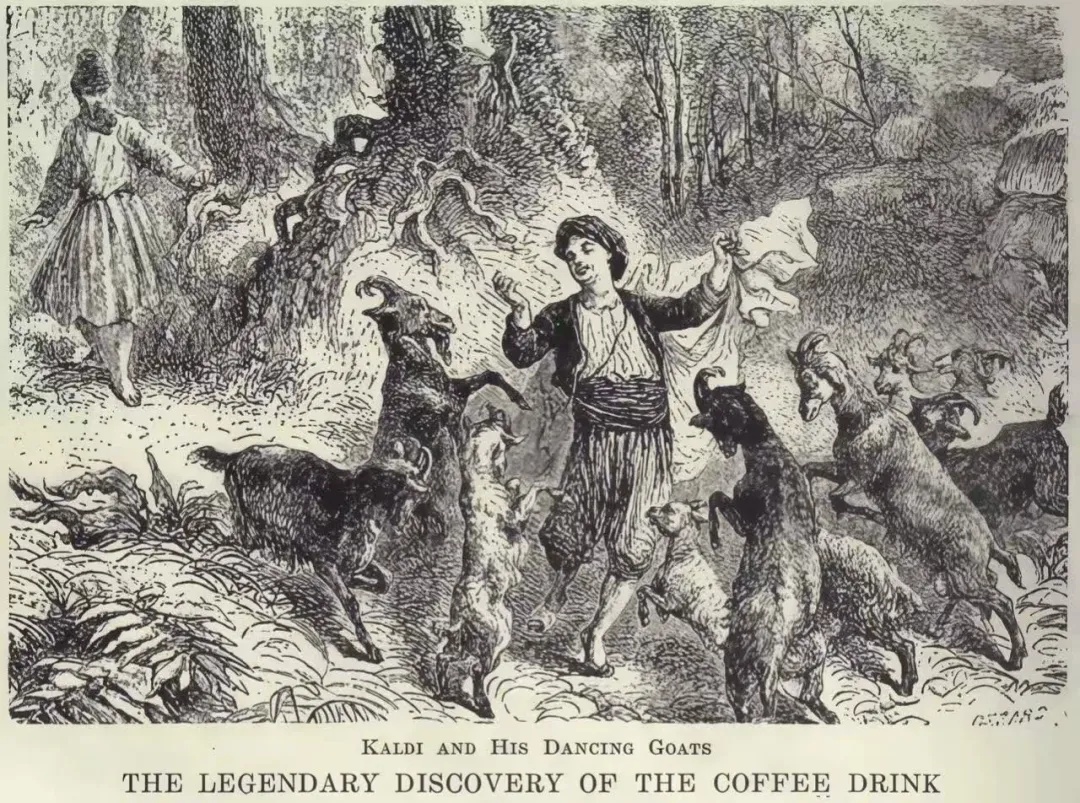
The Kafa Forest is not only the setting of this famous origin story but is also widely recognized as the birthplace of coffee worldwide. Moreover, many articles about Geisha coffee trace its roots back here—reportedly in 1931, a British expedition ventured into the Geisha Mountains (Geisha Mountain) in this area and brought back the T2722 variety of Geisha, which would later shine in Panama. For this reason, the Kafa Forest has long been regarded as the cradle of Geisha. But is the truth really that simple?
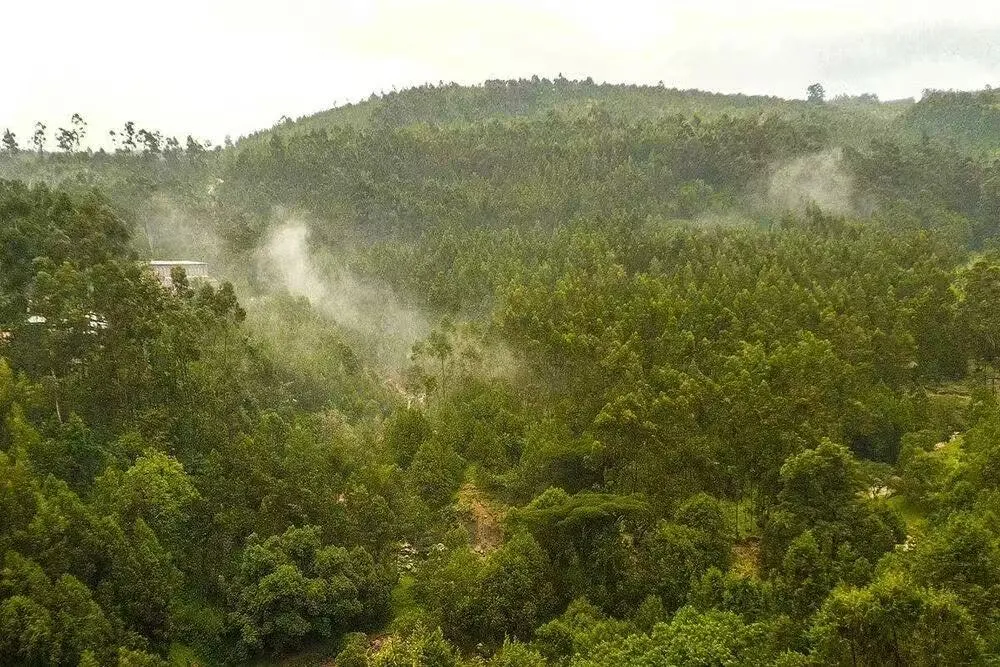
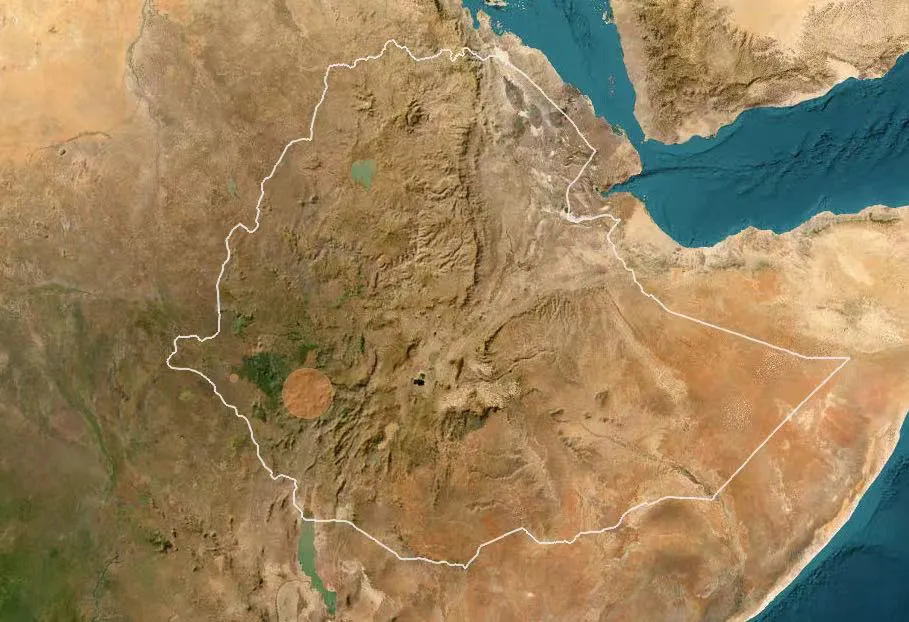
Located in the southwestern part of Ethiopia, the Kafa Forest is part of the Kafa Biosphere Reserve, approximately 460 kilometers from the capital Addis Ababa. This vast reserve spans 760,144 hectares, with over 422,260 hectares covered by forest—more than half of the total area—featuring diverse ecosystems and climatic conditions that are extremely favorable for coffee cultivation. The region boasts mineral-rich red soils, consistent high rainfall, significant elevation, and a unique microclimate, all contributing to an exceptionally well-suited environment for growing coffee.
Through long-term natural evolution, the Kafa Forest has become one of the regions with the highest genetic diversity of Arabica coffee in the world. Thousands of coffee tree varieties grow here, including some indigenous types that have existed for hundreds of years. These trees coexist with the surrounding ecosystem, earning the Kafa Forest the reputation of a “natural museum of coffee varieties.” However, unlike the smallholder farm plots commonly seen in other parts of Ethiopia, coffee in the Kafa Forest is mostly harvested by local residents during the ripening season as they enter the forest, after which it is processed and sold by cooperatives or processing facilities.
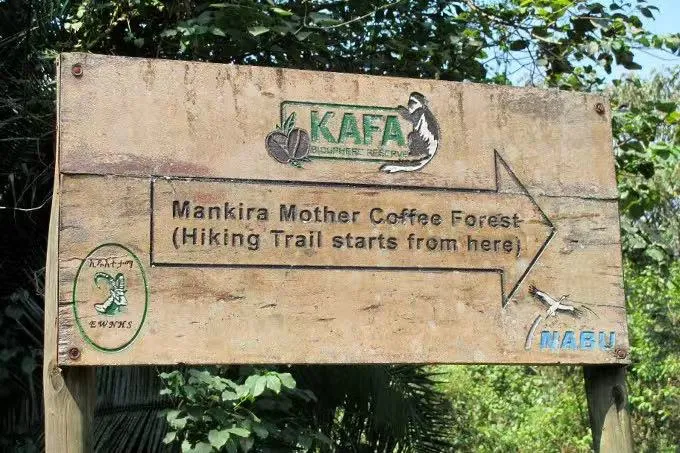
Since the Kafa Forest is considered the legendary birthplace of Geisha, many businesses label beans from this region as “Kafa Forest Geisha.” However, these beans are not directly related to the famous Panamanian Geisha variety T2722, differing significantly in both appearance and flavor characteristics—they can at best be considered distant relatives. As a result, many professional platforms do not adopt the commercial name “Geisha” when introducing this coffee, but instead accurately label it as “heirloom” and use the producing region “Kafa Forest” as the product name, highlighting its distinctive regional flavors.

Due to the extreme diversity of coffee varieties grown within the Kafa Forest, a single flavor profile is difficult to define. Moreover, most of these varieties are not commercially selected strains, making them more suited to being named by region and emphasizing their terroir characteristics. To fully showcase the unique personality that this pristine forest imparts to the coffee, most processors opt for the washed process to minimize the impact of fermentation on flavor and preserve the purest regional characteristics. Paired with a light roast, this approach better highlights floral and fruity aromas as well as bright acidity, making it ideal for coffee enthusiasts who appreciate delicate flavors.

Below is the actual information for a coffee bean from Ethiopia’s Kafa Forest, processed using the washed method:
Country of Origin:Ethiopia
Region:Kafa Forest
Elevation:Approximately 1800 meters
Variety:Heirloom (not Geisha)
Processing Method:Washed
Grade:G1
Flavor Profile:Bergamot, white floral notes, orange, apricot, with a light oolong tea aroma, featuring bright acidity and clear layers.
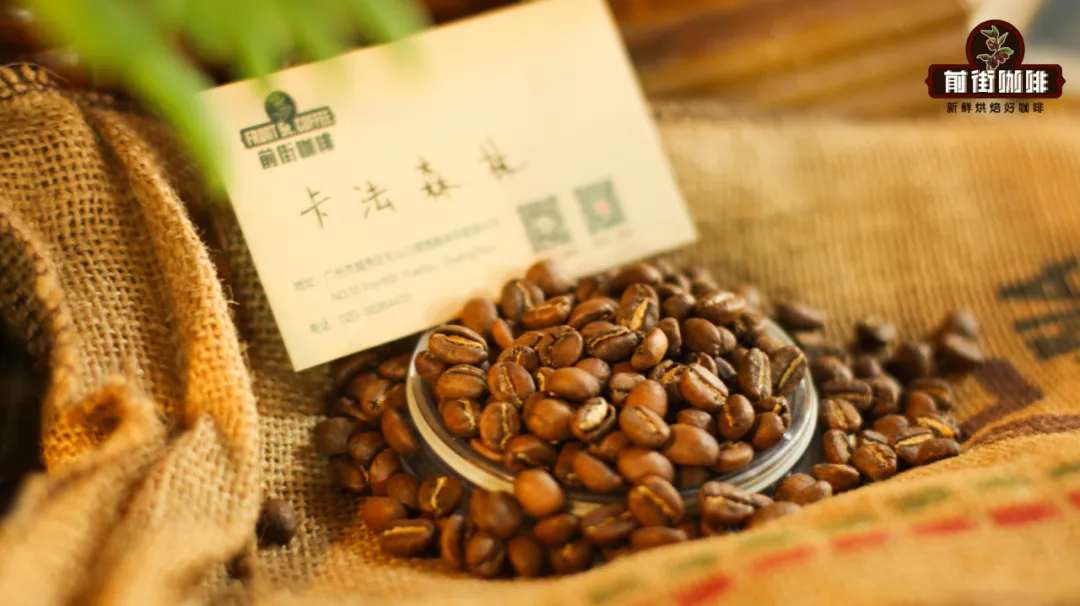
Due to the use of a light roast and washed processing, this coffee is well-suited for pour over brewing with higher extraction efficiency to fully express its floral and fruity characteristics. Recommended pour over parameters are as follows: 15g coffee, 1:15 coffee-to-water ratio, water temperature around 92°C, grind size at 75%–80% through a #20 sieve (equivalent to medium-fine grind), with total extraction time controlled to around 2 minutes.
In actual tasting, the first impression is bright fruit acidity and refreshing floral notes, with aromas of sweet orange, nectarine, and white flowers, interwoven with a fresh oolong tea-like scent. As the temperature drops, the acidity gradually softens, and the fruit flesh sensation becomes more pronounced, such as the juicy feel of apricot and citrus fruits emerging one by one. The overall mouthfeel is light, with a lingering finish of fruity and tea-like sweetness, offering a pleasant and enduring aftertaste—perfect for enjoying in the morning or afternoon to elevate your sensory experience.

The above content is compiled by CoffeeHunters, a coffee news website.

