







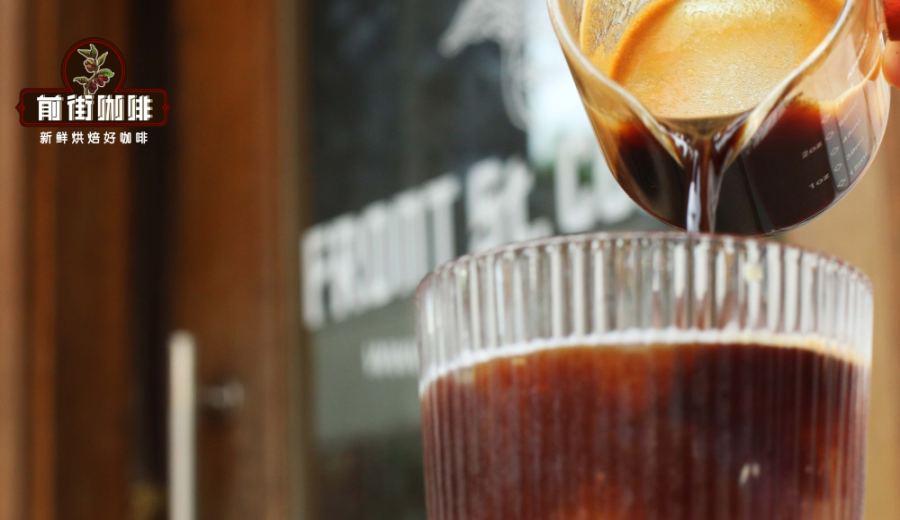
Introduction:Many coffee enthusiasts wonder whether SOE (single origin espresso) is necessarily superior and more expensive than blended espresso. This article delves into the characteristics of SOE and blended espresso, analyzes their performance differences in pour over and espresso extraction, and explains the applicable scenarios for single-origin coffee beans. By understanding the influence of different roast levels and regional flavors, it helps readers make more suitable choices based on personal taste.
What is SOE (Single Origin Espresso)?
SOE (Single Origin Espresso) made its mark on the international market over a decade ago and has gradually gained popularity in Taiwan and overseas Chinese communities in recent years. Many people mistakenly believe that SOE is always more expensive or offers better flavor than blended coffee, but this is a misconception. For example, if two blends consist of one combining Brazilian and Mandheling beans (a blended coffee), and another using only Mandheling (an SOE), although SOE is often considered more refined, it can also be an affordable and flavorful option—the key lies in the inherent quality of the beans and the roasting method.
The reason SOE frequently appears in competitions such as the WBC (World Barista Championship) is because it can showcase the unique flavor characteristics of a specific origin, allowing baristas to present regional traits more precisely. However, this does not mean that all SOEs are superior to blended beans; selection should still take into account brewing methods and personal preferences.
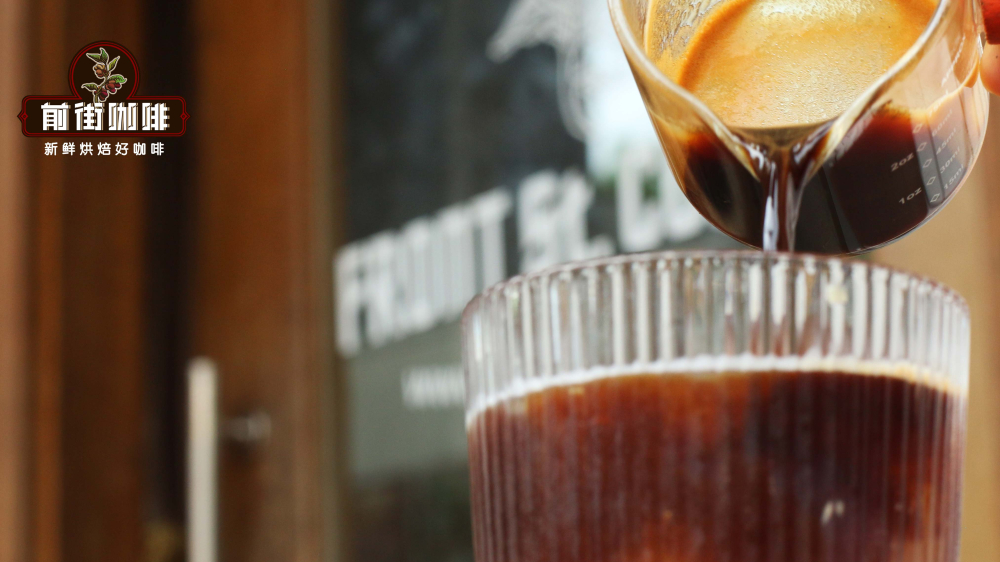
Challenges and Limitations of Single-Origin Espresso
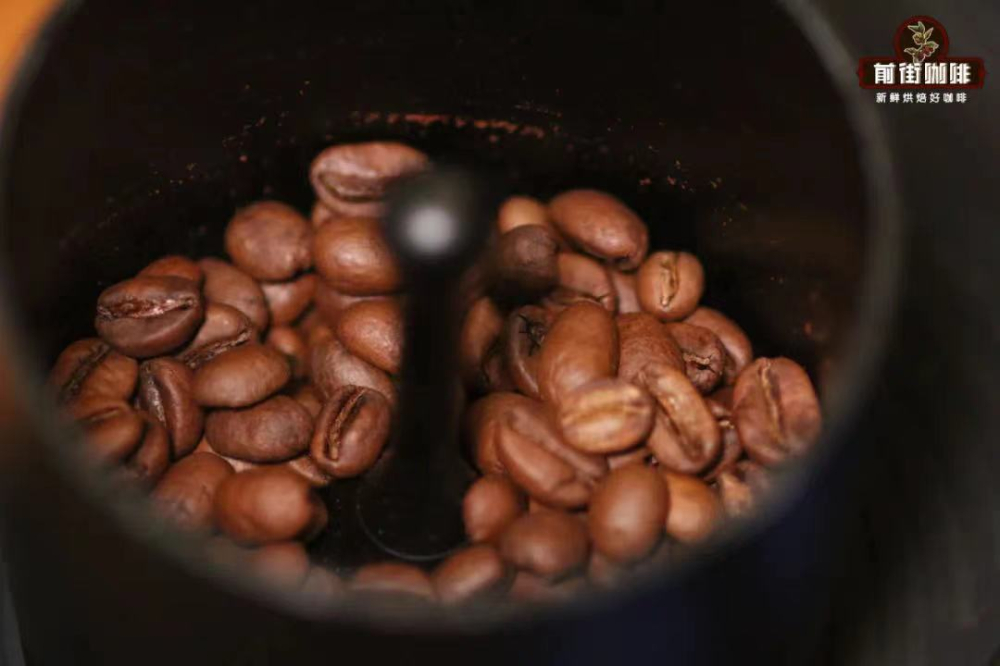
Although single-origin coffee beans can be used to make espresso, not all are suitable. As an agricultural product, coffee's flavor is easily influenced by the climate of its origin, resulting in relatively low flavor stability. Additionally, the high pressure and high temperature of espresso extraction amplify the inherent flavor characteristics of the beans. If a single-origin bean with excessively high acidity or insufficient body is chosen, it may lead to results that are overly sour, astringent, burnt, bitter, or even thin in mouthfeel. Therefore, if you want to experience SOE espresso, it is recommended to choose beans roasted to a medium or darker level specifically for espresso to achieve a more balanced flavor profile.
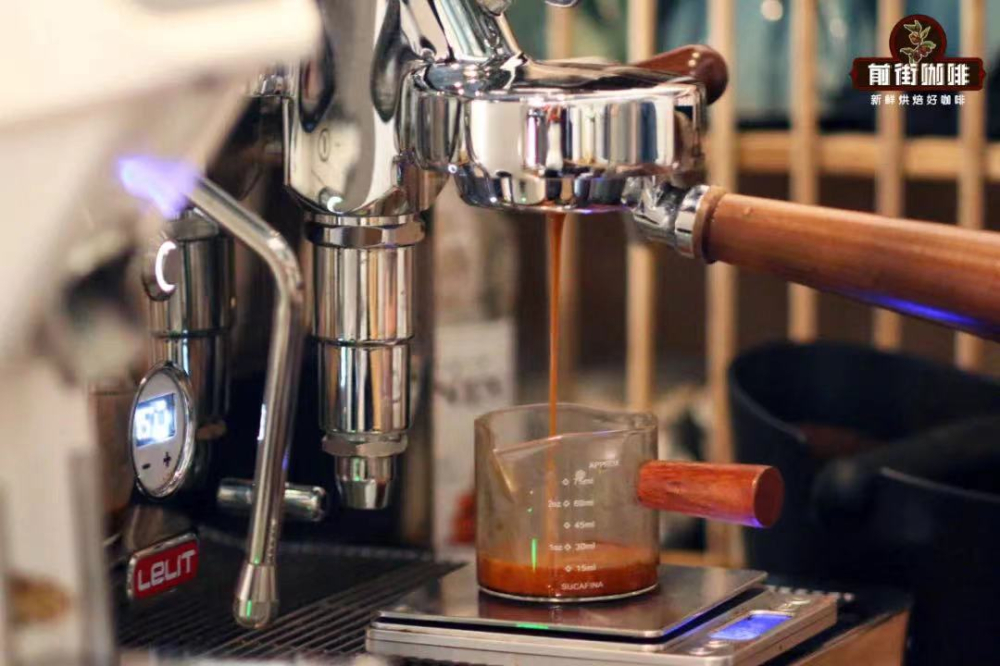
What is Blended Espresso?
Blended espresso is the most common type of espresso base on the market today, typically composed of two or more coffee beans from different origins mixed in specific proportions. Its advantages lie in a rich, full-bodied flavor with low acidity and pronounced aftertaste, making it suitable for a wide audience. The purpose of blending is to take the strengths of beans from different regions and complement their weaknesses, ensuring a stable flavor profile across different seasons and roast batches—an achievement that single-origin beans often struggle to match.
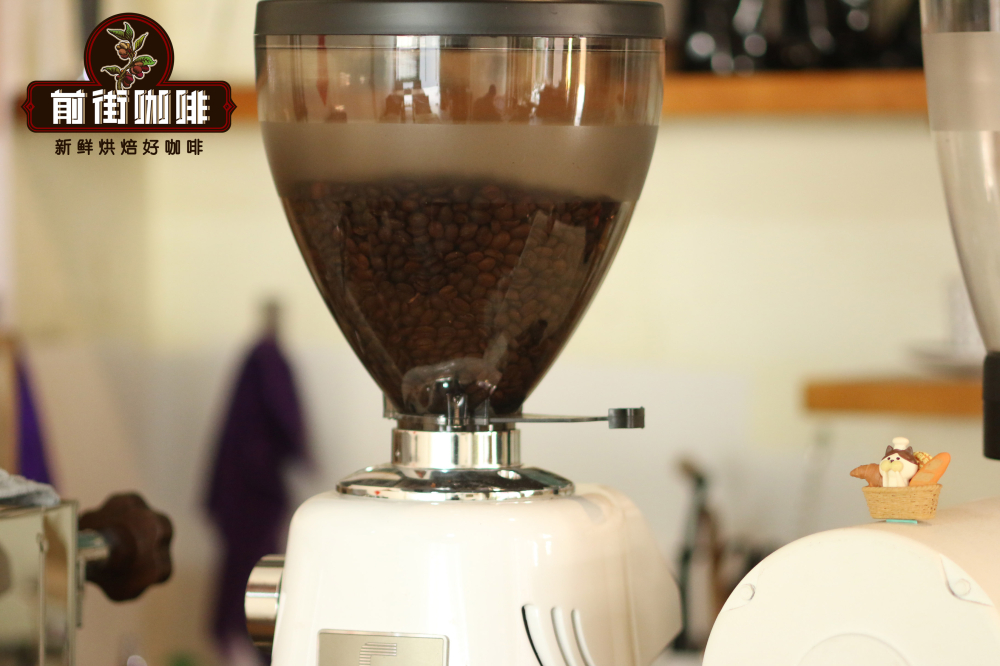
Many coffee shops opt for blended beans as the daily espresso base due to their stability and suitability for most customers' tastes. For those seeking more variety, a small amount of SOE can also be added to adjust the flavor layers.
Common Types and Characteristics of Blended Coffee Beans on the Market
Generally, blended coffee beans are categorized by use into specialty, commercial, and flavored types. For instance, some blends combine Ethiopian natural-process beans with Honduran sherry cask-fermented beans, offering wine-like aromas, berry acidity and sweetness, and roasted nut flavors; others primarily use Colombian and Brazilian beans, presenting notes of nuts, dark chocolate, and caramel. Different blending ratios can adjust the overall body, sweetness, and acidity, suiting various brewing equipment and extraction methods.
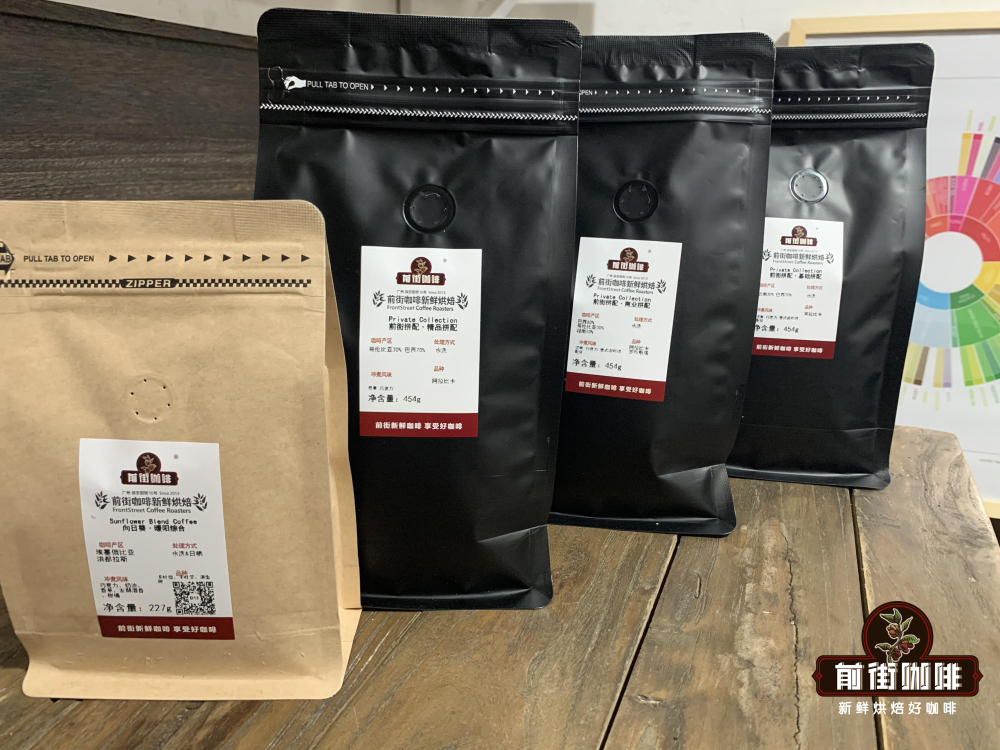
It’s worth noting that the roasting and shipping time of blended beans greatly impact their flavor. It is recommended to choose products shipped within five days of roasting to ensure optimal flavor performance.
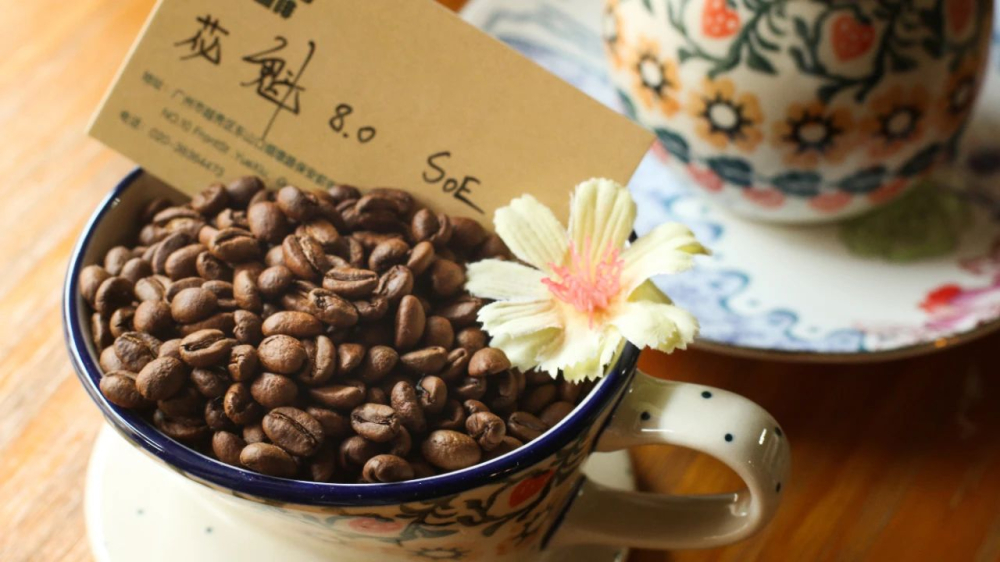
Which Tastes Better: SOE or Blended Espresso?
The criteria for evaluating coffee quality include bean quality, freshness, roast profile, extraction parameters (such as water temperature, pressure, and grind size), equipment, and personal taste preferences. SOE simply refers to espresso made from single-origin beans, but its flavor is not always superior to blended coffee. Blended coffee emphasizes stability and balance, making it suitable for most drinking occasions.
If you prefer coffee with distinct flavor layers that highlight the characteristics of a specific origin, you may choose a high-quality SOE; if you value stable mouthfeel and a rich flavor, blended espresso might be the more practical choice. It is recommended to try various options based on actual brewing conditions and personal taste preferences to find the type that suits you best.

The above content is compiled by CoffeeHunters, a coffee news website.

