







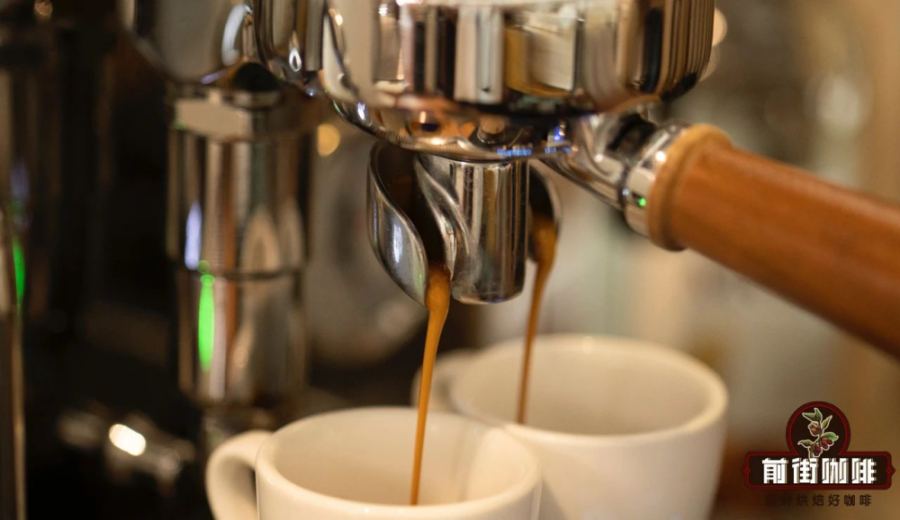
Introduction:Want to explore the unique flavors of SOE espresso? This article delves into the characteristics of Single Origin Espresso, from choosing the roast level to recommending three major flavor profiles, helping beginners master the brewing essentials of medium-roast SOE beans. Includes practical flavor descriptions and parameter references to help you easily find a single-origin espresso bean that suits your taste.
The full name of SOE espresso is 'Single Origin Espresso', which means espresso made from a single origin. Compared to common blends, the biggest feature of SOE is its ability to clearly present the unique flavor characteristics of a specific growing region, allowing drinkers to more easily experience the terroir charm of the coffee's origin.
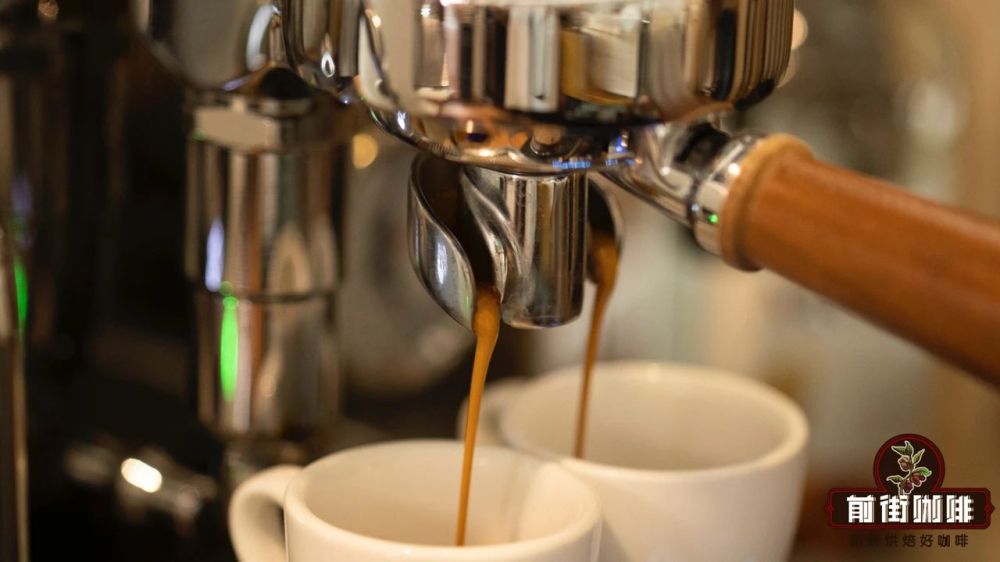
Roasting SOE coffee beans is a technical challenge. To preserve the origin flavors, the roast level should not be too dark, but it must also ensure the rich body and stability required for espresso. Therefore, medium roast is usually the best balance point. This roast level can bring out the origin characteristics while providing sufficient body and crema performance.
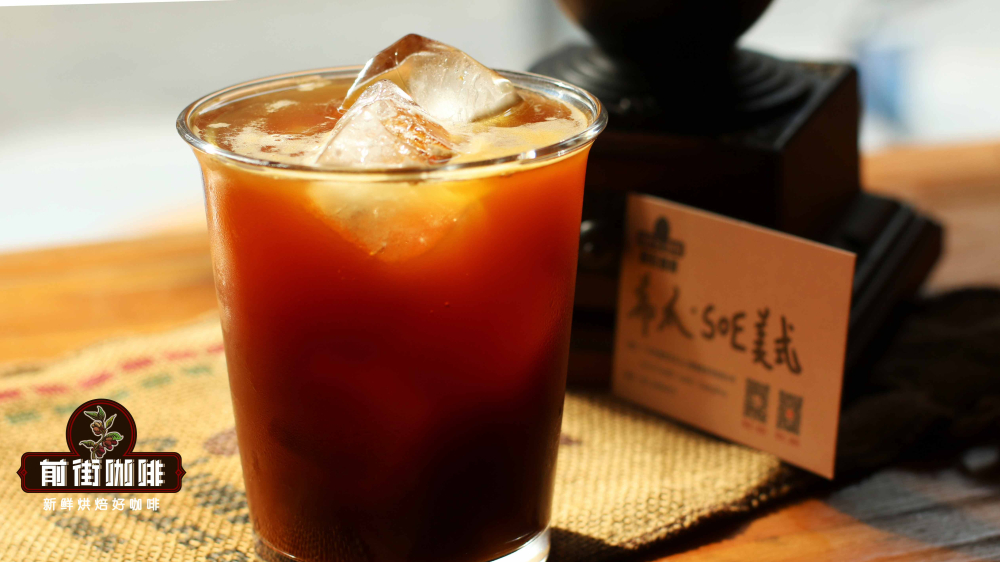
In actual tasting, medium-roast SOE can be divided into three major flavor types: The first is the floral and fruity type, which typically features bright acidity and fruity notes; the second is the fermented wine-like type, which delivers a rich, sweet profile similar to fruit wine through special processing methods; the last is the rich body type, suitable for drinkers who prefer traditional coffee flavors, with warm notes such as nuts and chocolate as the main characteristics.
For fans of floral and fruity profiles, it is recommended to try medium-altitude coffee beans processed with double anaerobic natural sun-drying. This processing method enhances fruit flavors and presents bright acidity notes like blueberry and passion fruit under moderate roasting. Note that during brewing, extending the pre-wetting time appropriately can help fully showcase the layered flavors.
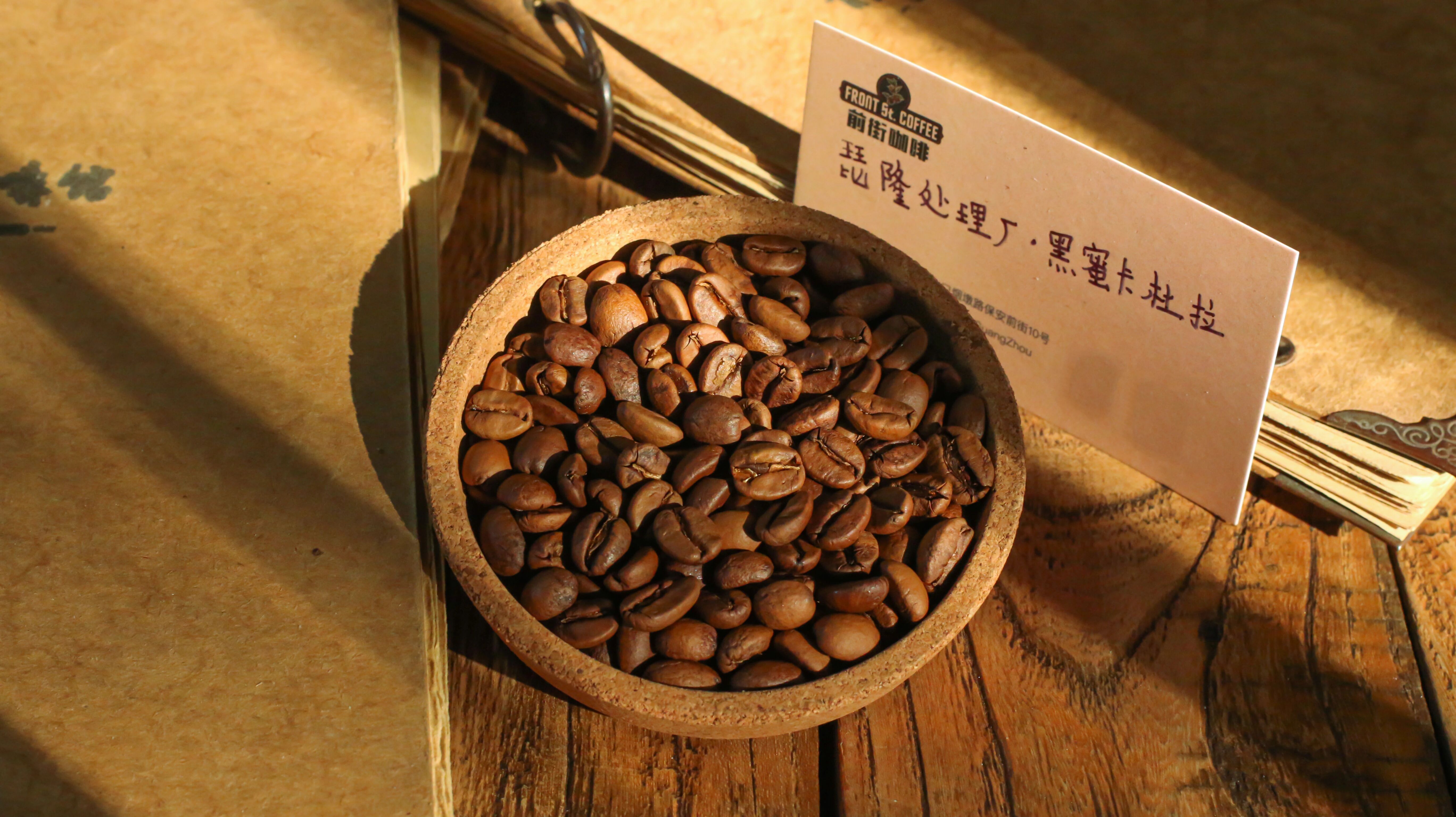
The key to fermented wine-like SOE lies in the choice of processing method. Honey processing with a high retention of fruit mucilage, especially black honey processing, undergoes prolonged drying of over 14 days, accumulating rich sugar conversion. For this type of coffee, it is recommended to use a higher coffee-to-water ratio during extraction to better balance sweetness and richness.
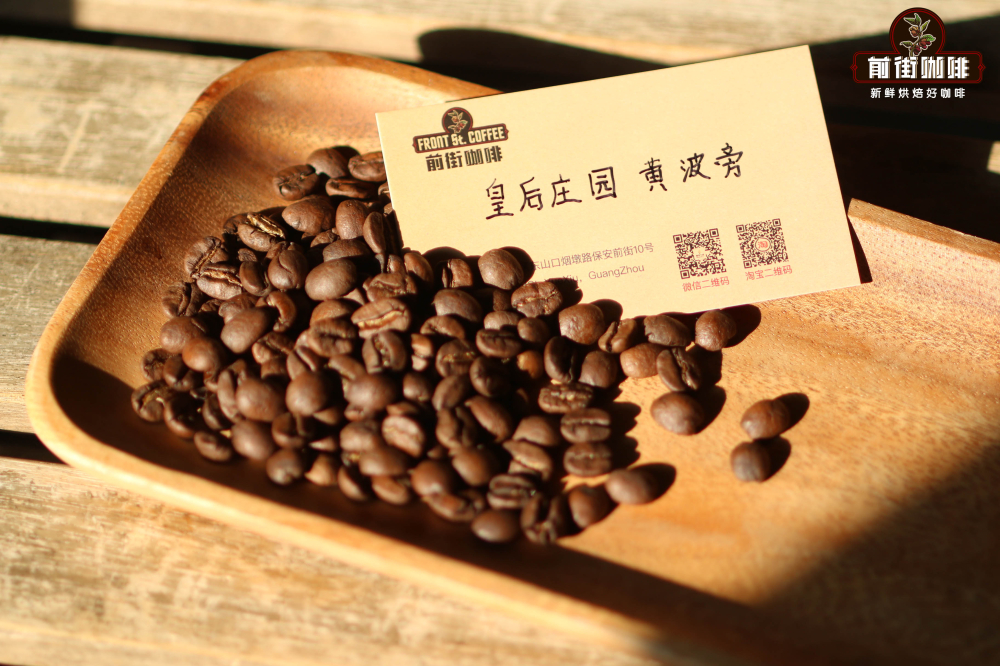
Drinkers who prefer traditional coffee flavors can choose Yellow Bourbon varieties grown at altitudes between 1400-1950 meters. Semi-sun-dried processing combined with medium roast can bring out mellow flavors such as roasted nuts, creamy peanuts, and caramel. For extraction parameters, a slightly finer grind paired with water at 92-94°C can help highlight the chocolate and cookie-like aftertaste.
The above content is compiled by CoffeeHunters, a coffee news website.

