







Introduction:To brew a great cup of coffee, choosing the right beans is key. This article dives deep into the differences between commercial pour-over single-origin beans and espresso beans, covering everything from freshness assessment to flavor characteristics, and offering practical buying advice. Whether you're a beginner just starting with pour-over or a coffee professional looking to stock your café, you’ll find a curated selection of specialty coffee bean recommendations here, along with an understanding of how different processing methods bring out unique flavor profiles.
The world of specialty coffee is rich and diverse, with each producing region offering beans of distinct flavors due to variations in climate, variety, and processing methods. Whether you plan to enjoy pour-over at home or are preparing to open a coffee shop, the first step is always selecting the right coffee beans.

When making your selection, in addition to considering roast level and origin,the freshness of the coffee beansis also a crucial factor affecting extraction performance. Freshly roasted beans retain their full flavor profile, and it’s recommended to choose beans roasted within 7 to 21 days for optimal extraction. Furthermore, selecting beans that suit your brewing method will fully showcase the potential of each coffee.
To determine which coffee beans are suitable for your needs, the primary consideration is your specific purpose for using them. Common brewing methods such as espresso, pour-over, cold brew, or moka pot each have specific requirements for roast level and processing method. If you love milk-based coffees like lattes and cappuccinos, it’s advisable to choose blends specifically designed for espresso machines; if you prefer to highlight the pure terroir flavors of a single origin, then single-origin pour-over beans are your best bet.
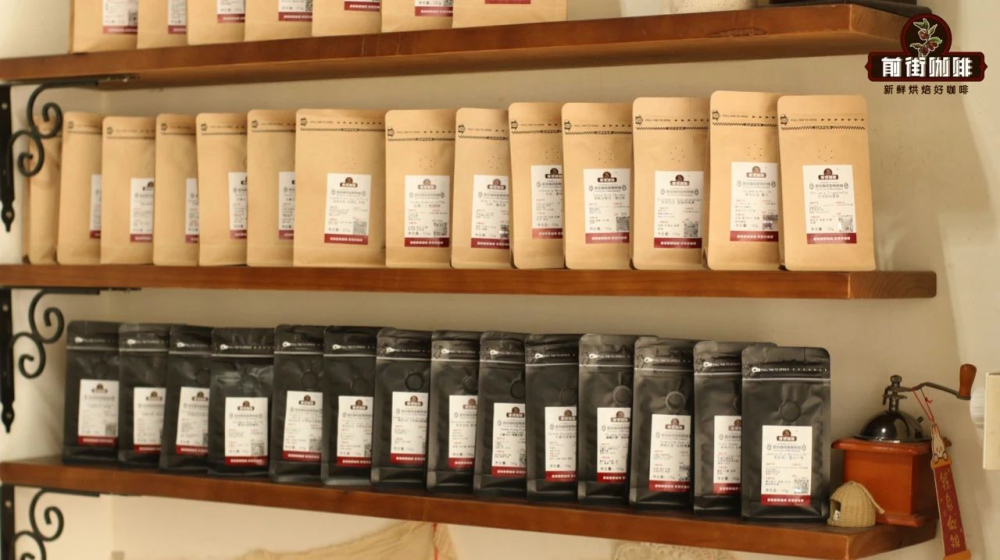
For commercial espresso use,crema and bodyare two key criteria for evaluating a bean. High-quality espresso blends typically feature rich crema and long-lasting aromas, capable of holding their own even when milk is added. Blends suitable for making popular drinks like lattes and flat whites should excel in balancing bitterness and sweetness while maintaining aromatic persistence, ensuring consistency for high-volume production.
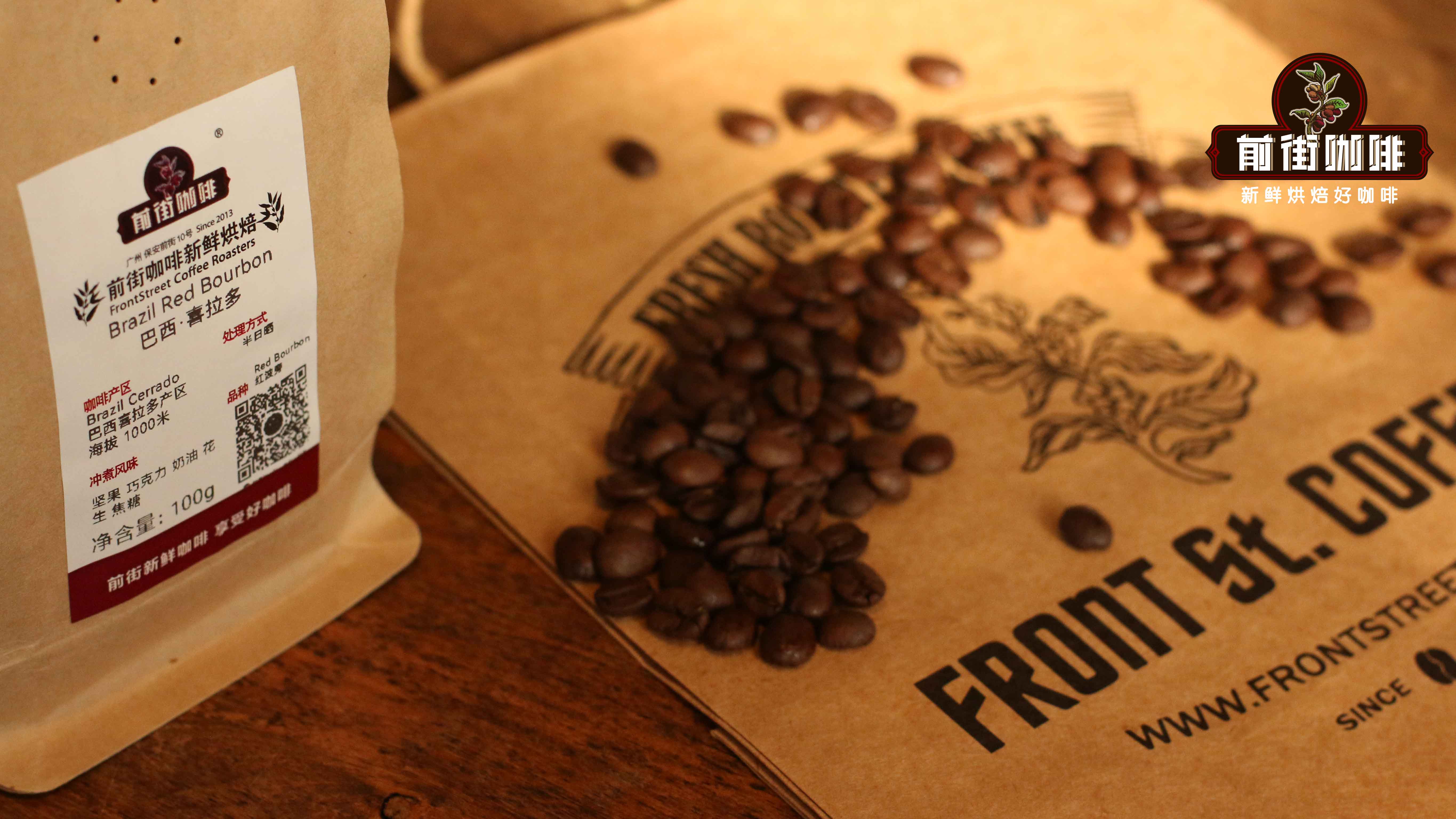
Among the many commercial espresso bean options, those that deliver a pronounced chocolate note and a velvety crema are especially noteworthy. Such beans not only facilitate latte art but also contribute to a fuller mouthfeel in milk-based coffee. Some blends also incorporate caramel or nutty elements to add complexity, catering to a variety of consumer taste preferences.

For pour-over enthusiasts, single-origin coffee beans offer an excellent opportunity to explore the characteristics of different regions. Unlike espresso beans, single-origin pour-over beans emphasize showcasing the terroir of the coffee itself—from bright fruit acids to rich sweetness—allowing you to savor a variety of flavor layers during the pour-over process. Whether you prefer refreshing fruity notes or deep, sweet flavors, you can find a bean that suits your personal taste.
For beginners just starting with pour-over, it’s recommended to begin with medium to light roasted single-origin beans. These beans usually retain more of their original flavors, with bright acidity that is not overly sharp. When paired with appropriate grind size and water temperature, they can highlight the unique characteristics of the origin. Additionally, many single-origin beans are also well-suited for cold brew, offering a different flavor experience.
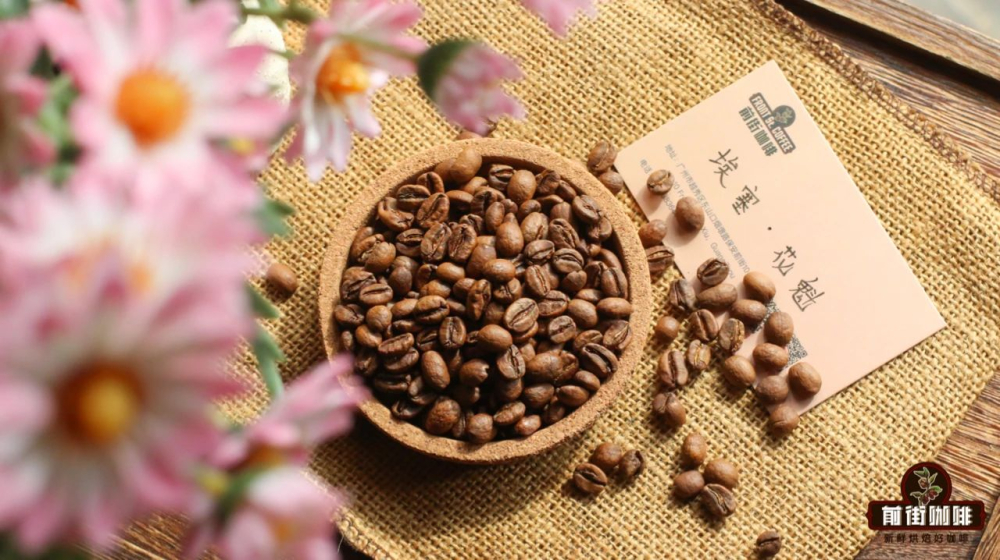
Among the many single-origin pour-over beans, Ethiopian sun-dried processed beans are known for their rich fruit and floral notes. These beans often carry bright notes of strawberry, citrus, and similar flavors, followed by a tea-like, hearty aftertaste reminiscent of black tea—perfect for those who enjoy a clean and refreshing cup. When brewing, it’s suggested to use slightly higher water temperatures and a coarser grind to fully bring out their multi-layered flavor structure.
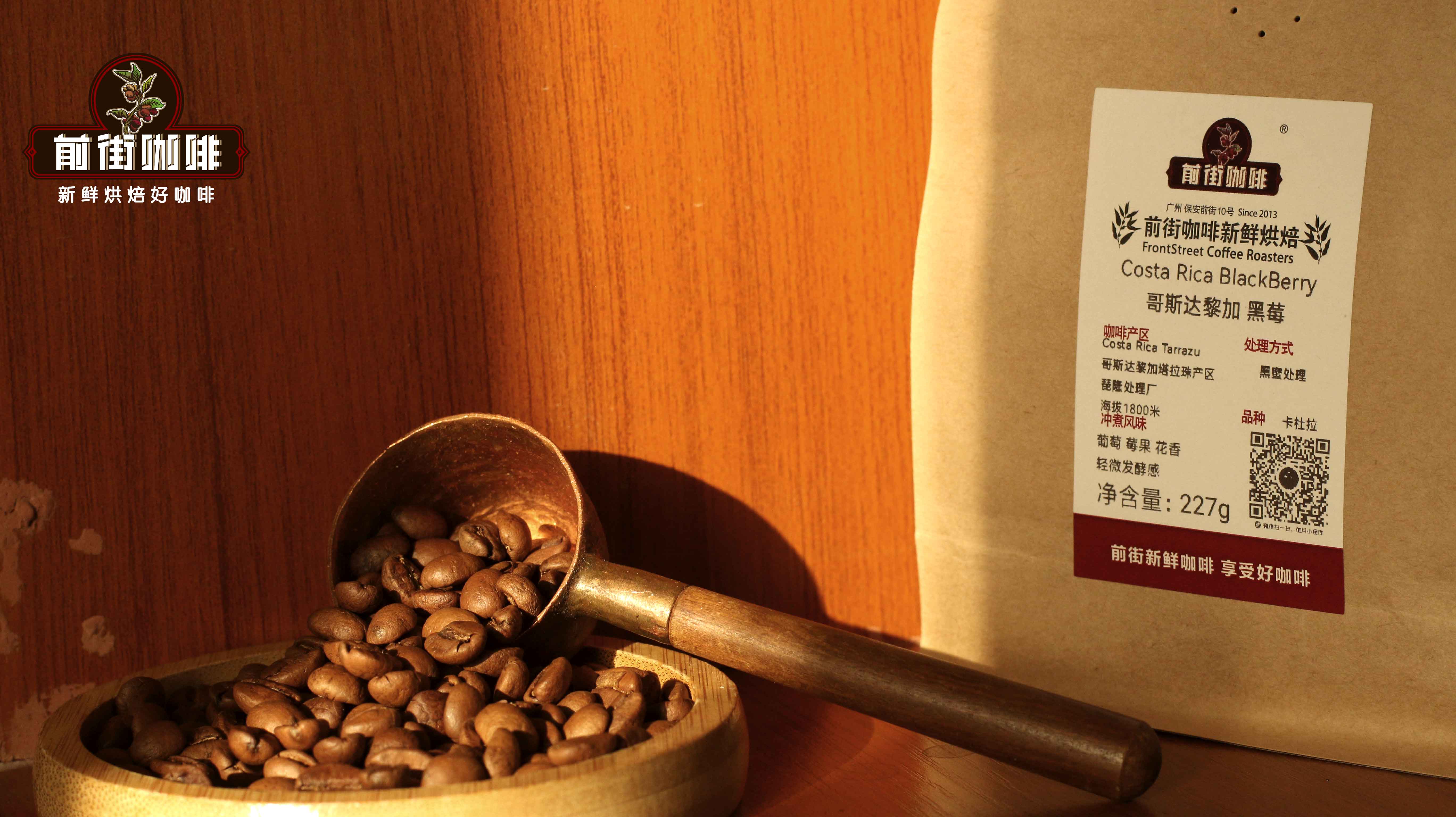
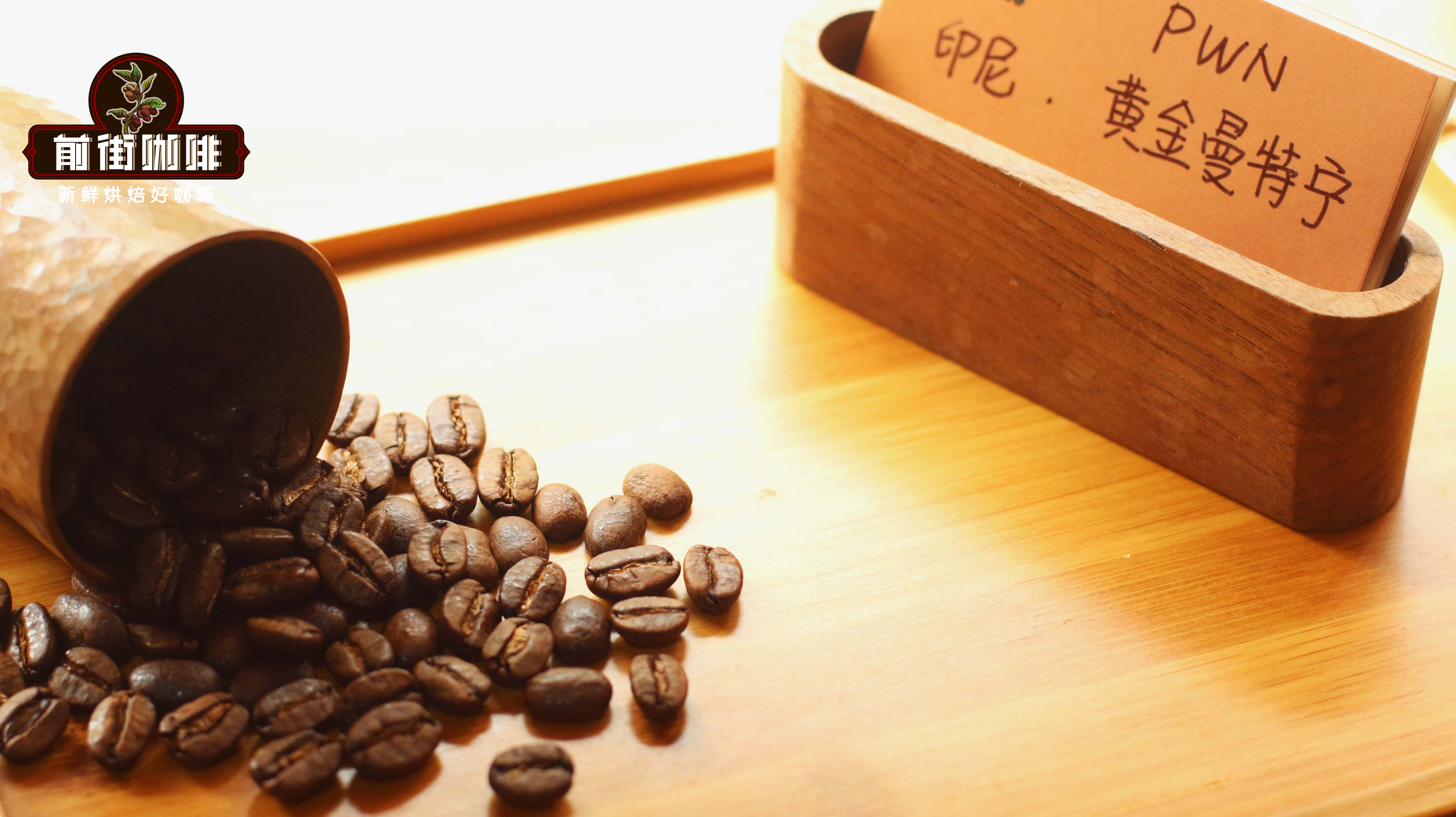
Another popular choice is coffee beans processed using special methods, such as Costa Rica’s honey process or Indonesia’s wet-hulled process. These techniques impart unique sweetness and body to the beans, ranging from honey-like sweetness to the deep richness of nuts and chocolate, adding variety to the pour-over experience. Whether you favor a balance of acidity and sweetness or prefer low-acidity and full body, there are corresponding specialty single-origin beans on the market to match your preference.


The above content is compiled by CoffeeHunters, a coffee news website.

