







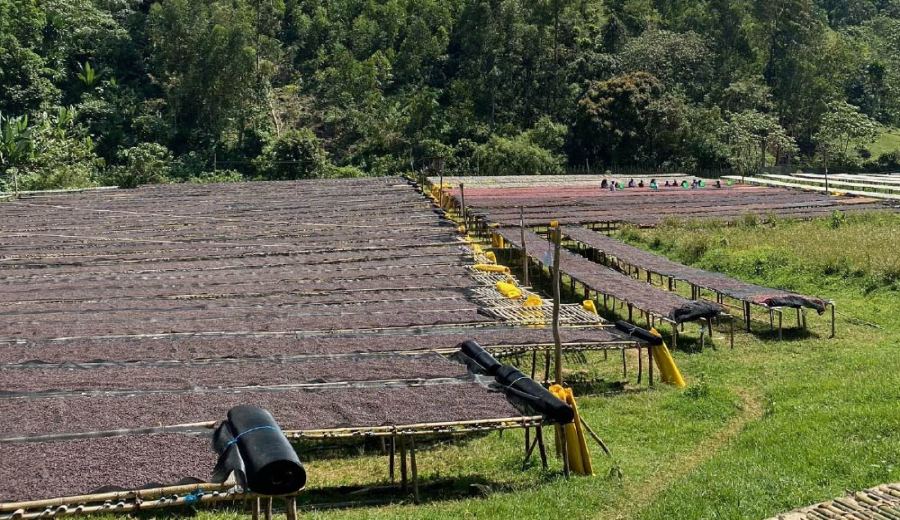
Introduction:Washed and natural are two mainstream coffee bean processing methods that significantly influence the final flavor’s clarity, acidity, and complexity. This article delves into the differences in their processing techniques, taking you through the six key steps of the washed method, water requirements, and cost structures. It also compares the characteristics of washed beans from renowned origins such as Ethiopia and Kenya. From fermentation control to drying techniques, mastering these details helps you find the ideal beans for pour over or extraction.
The washed processing method is one of the most widely used coffee bean processing techniques globally and also one of the oldest traditional methods. Compared to natural beans, washed coffee usually exhibits a clearer acidity profile, higher clarity, and more vibrant and layered acidity. For example, popular beans on the market such as the highly regarded Ethiopian Gedeo Cooperative beans, Kenya AA, Panama Geisha, and Guatemala Gesha are all meticulously processed using this traditional method.
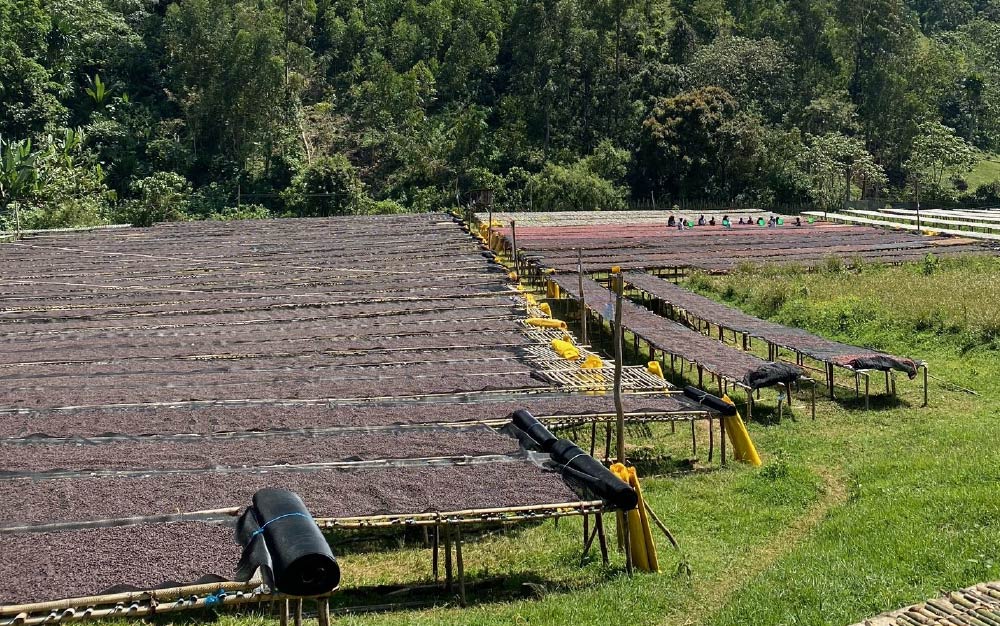
Looking back in history, the earliest method of processing green coffee beans was the traditional natural method, which was quite simple—just spread the harvested coffee cherries directly in courtyards or rooftops to dry. This method required no special equipment or high costs and could be operated by almost anyone. However, this traditional technique also had obvious flaws: in areas with unstable weather, the drying process was easily disrupted by rainfall, leading to mold or rotting of the beans; additionally, the abundant sugars in the pulp often attracted insects, seriously affecting the final coffee quality. Before the coffee reform system was implemented in Ethiopia, coffee beans processed via the natural method could only be graded as high as G3 at best.
As global consumers' demands for coffee flavor and quality continued to rise, natural beans gradually failed to meet market needs due to inconsistent quality and low stability. To improve yield consistency and product uniformity, Dutch colonists first introduced washed processing technology in the West Indies in 1740. It was discovered that soaking depulped coffee beans in water could effectively soften and remove the sticky mucilage layer, not only shortening the drying time but also significantly reducing the risk of mold and pest infestation. At that time, washed beans had already become a symbol of high-quality coffee.
In 1844, the invention of specialized coffee depulpers further improved the efficiency of washed processing. However, the biggest bottleneck of washed processing lies in its high water demand—processing every 200 kilograms of green beans typically requires 10 to 20 tons of clean water, hence washed processing plants are mostly located in areas with abundant water sources. It is evident that the popularity of the washed method is based not only on flavor considerations but also involves comprehensive evaluations of yield stability, quality control, and cost-effectiveness. To this day, the washed method remains one of the most common coffee bean processing methods on the market.
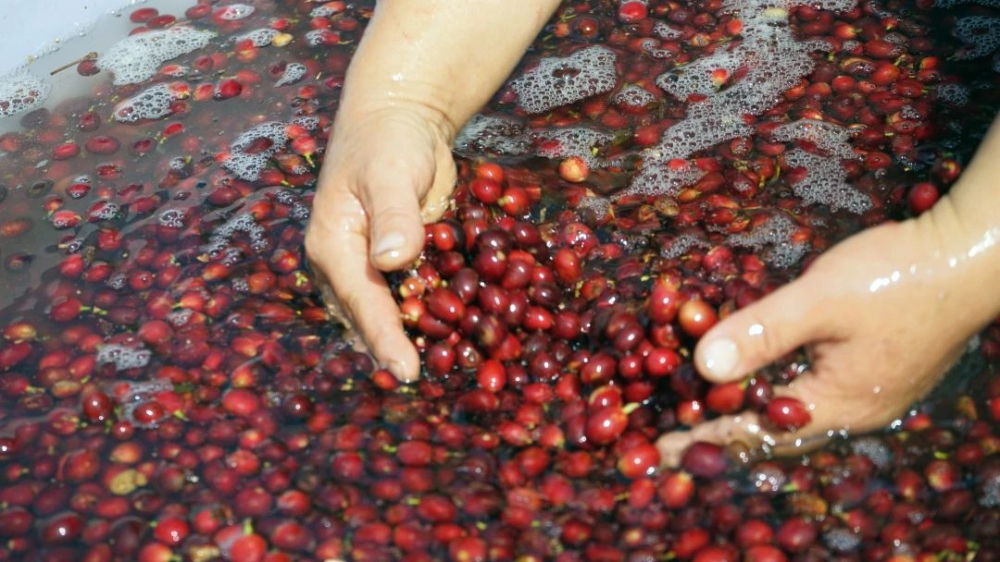
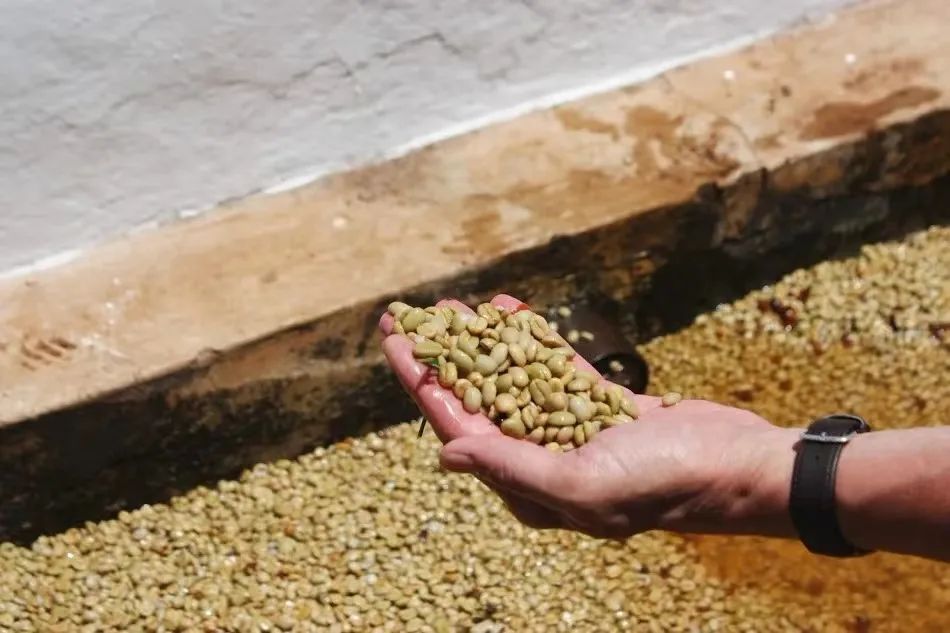
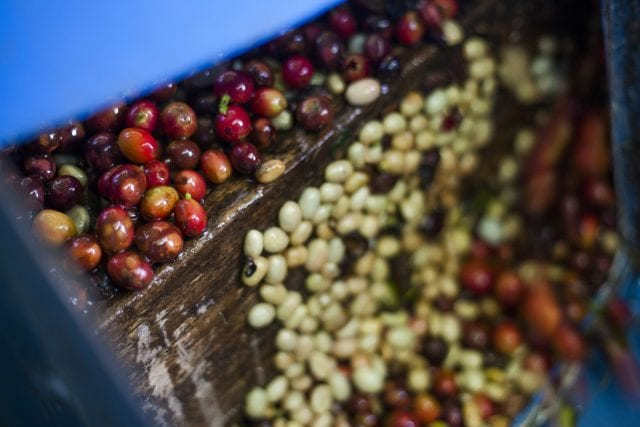
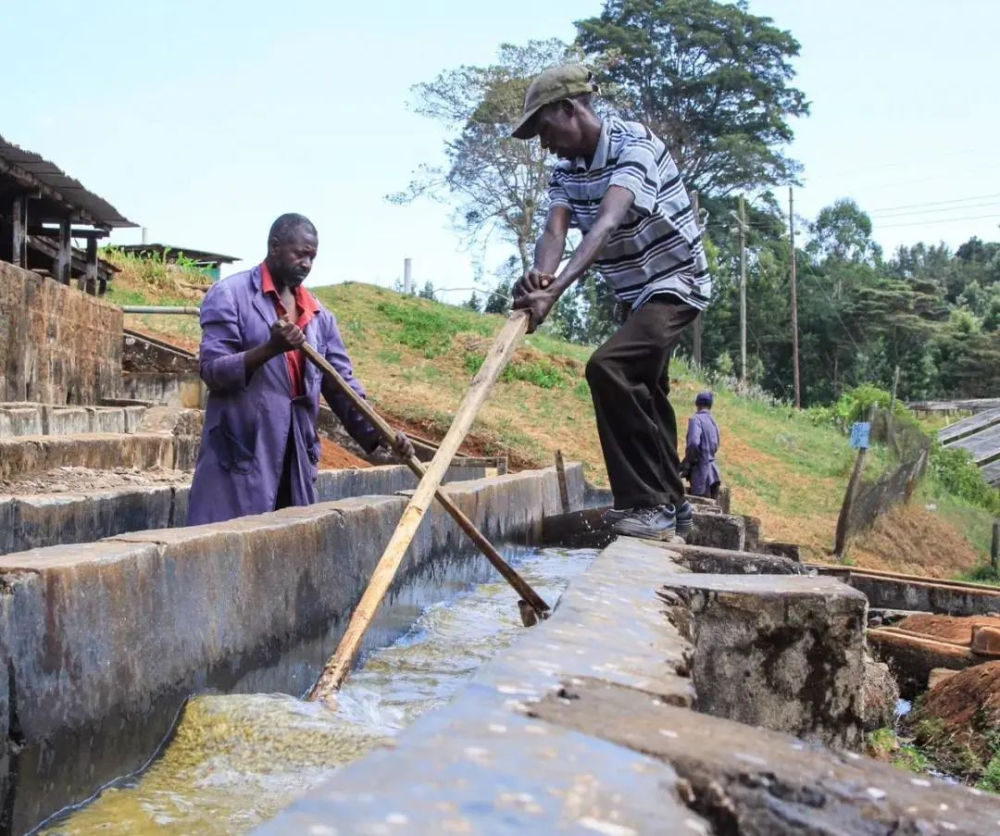
The washed processing workflow begins with the flotation stage: fresh-picked coffee cherries are placed in water, where the buoyancy principle is used to sieve out unripe or insufficient-density cherries. Next, a pulper is used to remove the skin and pulp of the berries, leaving the coffee beans with a slippery surface, referred to as "parchment beans." These are then poured into a fermentation tank and left to rest for about 24 hours, during which microbial action breaks down the mucilage, releasing acidic substances that help detach adhering matter. After fermentation, the beans still need to be washed by hand or mechanical tools with running water for 30 to 60 minutes to ensure complete mucilage removal. Finally, through a specially designed channel for density sorting, defective beans and light beans are removed, retaining only high-quality parchment beans for drying. Once the moisture content meets the standard, they can be packaged and stored.
Since each step of the washed method can effectively eliminate defective beans, the overall defect rate is greatly reduced, resulting in more stable flavor performance. During the drying process, without the pulp wrapping, the final coffee presents a bright, vibrant acidity and extremely high clarity, clearly showcasing the unique terroir characteristics of a single origin. If you want to deeply experience the "regional flavor" of a certain origin, it's recommended to start exploring from the washed batches of that region. Taking the renowned Ethiopian Yirgacheffe as an example, its washed beans are often medium-to-light roasted, and when brewed, they release bright jasmine floral notes, citrus and lemon acidity, along with a honey-like sweet finish.
It’s worth noting that Ethiopia in Africa, despite having a long history of coffee cultivation, has traditionally mostly used the natural method due to its location in a drought-prone area and long-term water shortages. However, the crude natural method often caused beans to absorb earthy off-flavors or undergo over-fermentation due to uneven heating, seriously affecting quality. To address this, the Ethiopian government introduced advanced washed processing techniques and equipment from Central and South America in 1972, successfully enhancing the flavor profile of coffee from regions such as Yirgacheffe—the clarity and acidity became more refined, and a unique, refreshing citrus tone and elegant white floral notes emerged. This transformation led Yirgacheffe to break away from the Sidamo region and rise to become a focal point for global specialty coffee enthusiasts.
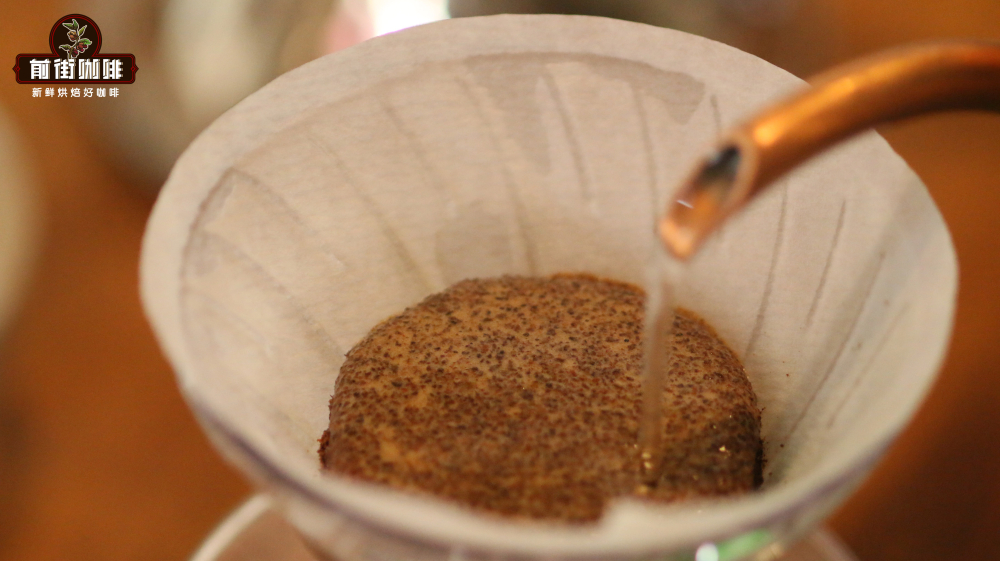
For brewing washed Yirgacheffe, it is recommended to use a V60 filter, with water temperature controlled at 92–93°C, a coffee dose of 15 grams, and a coffee-to-water ratio maintained at 1:15. The grind size is advised to be adjusted to the size of fine sugar (approximately 78% fineness after sieving through a #20 sieve). The specific operation steps are as follows: first, pour 30 grams of water for a 30-second bloom; then pour 95 grams of water (scale reading approximately 125 grams), completed within about 1 minute; when the water level drops to 2/3 of the coffee bed, pour the remaining 100 grams of water (scale reading approximately 225 grams), with a total extraction time of about 1 minute and 35 seconds. Finally, once the dripping is complete, remove the filter to finish the extraction.
The flavor profile of washed Yirgacheffe is clear: upon tasting, you can perceive distinct jasmine floral notes, lemon and citrus acidity, along with a green tea-like freshness; as the temperature lowers, berry, cream, and sugarcane undertones gradually emerge, with a long-lasting aftertaste, clean and sweet mouthfeel—perfectly suited for coffee lovers who enjoy bright acidity and layered flavors.
The above content is compiled by CoffeeHunters, a coffee news website.


