








Introduction:Gain an in-depth understanding of how the washed processing method shapes the bright acidity and clean flavors of coffee. This article details the steps involved in processing washed coffee beans from fruit to green beans, analyzes their advantages and disadvantages as well as suitable roast profiles, and recommends several highly acclaimed washed single-origin beans from African regions to help you make more precise judgments when selecting and brewing.
Globally, coffee bean production reaches as high as 8.4 billion kilograms per year, yet beyond variety and origin, what most influences the final flavor is the processing method. Among these, the washed process is renowned for its rigorous procedure and clear flavor profile, making it a favorite among many specialty coffee enthusiasts. Coffee beans processed by this method usually possess bright acidity, clear layers, and a clean taste with minimal impurities.
[The Structure of Coffee Beans and Processing Basics]
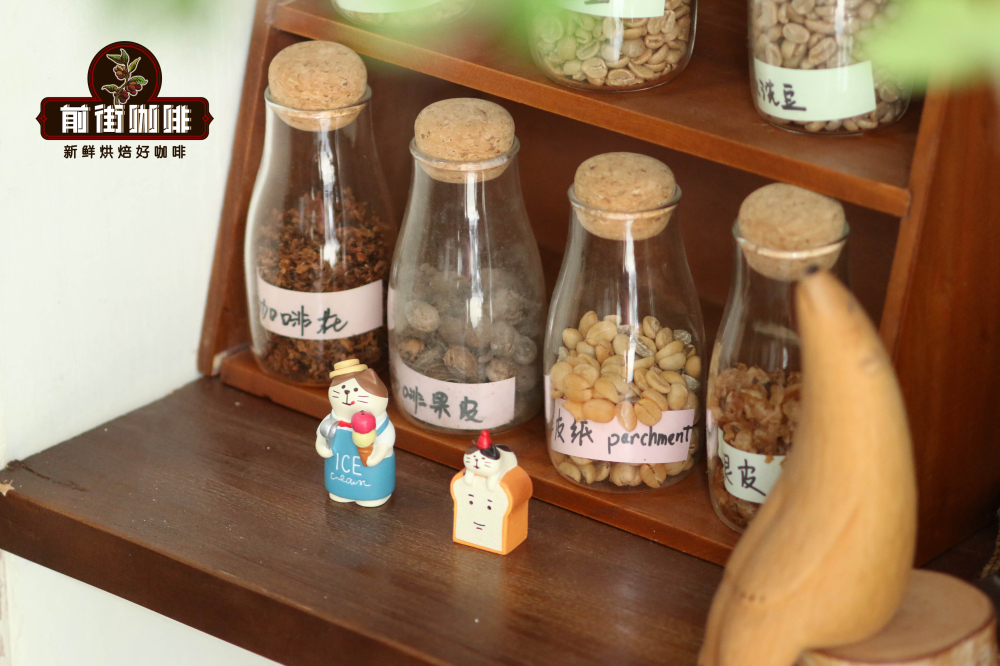
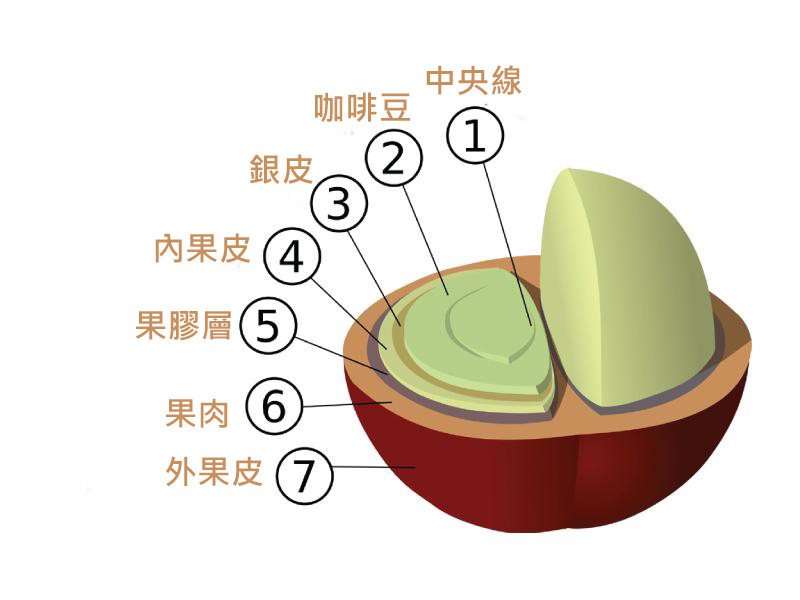
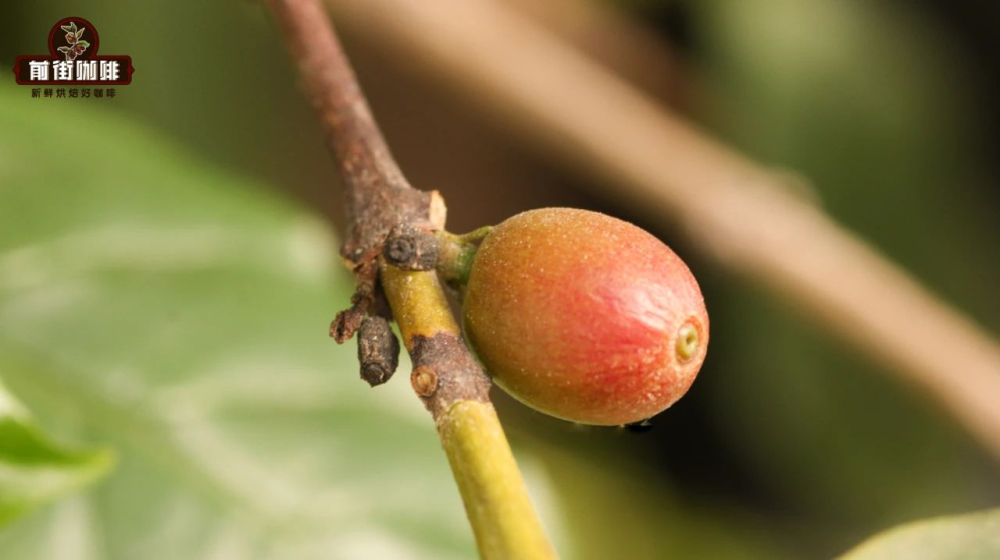
Many people mistakenly think they are drinking coffee fruit, but in fact, what we call "coffee beans" are actually the seeds inside the coffee fruit. The coffee fruit, also known as a coffee cherry, resembles a cherry in appearance and turns red or yellow when ripe. Internally, it consists of skin, pulp, mucilage, parchment, and seeds. The so-called coffee processing refers to the process of separating the seeds from the pulp. Common methods include natural (sun-dried), washed, and honey processing, with the washed method standing out for its high stability and distinct flavor.
[Detailed Process of Washed Coffee Processing]
The key to the washed process lies in using water and fermentation to remove the mucilage layer. The steps include:
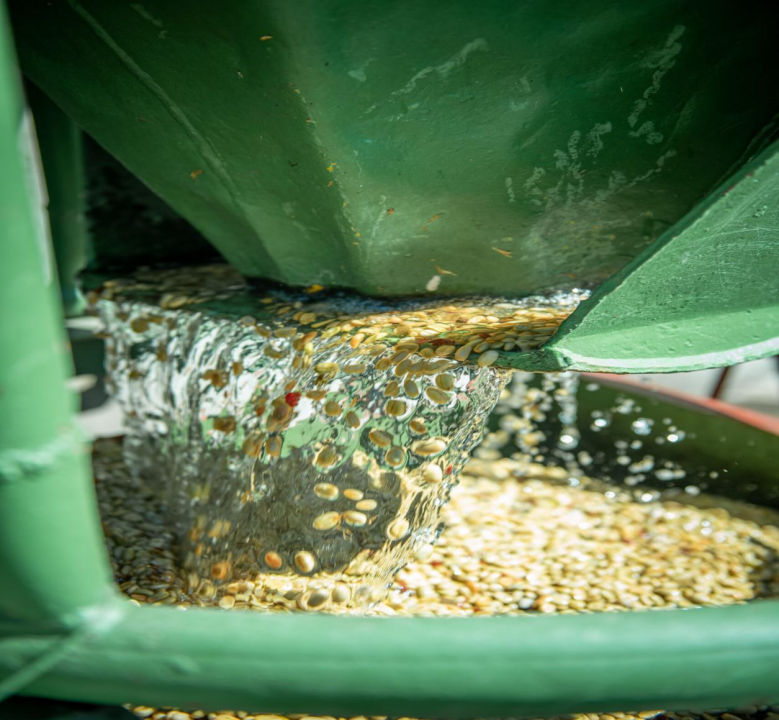
1. Floating Bean Removal: Place harvested coffee cherries in a water tank; unripe beans float while ripe, dense beans sink. Removing the floating beans completes the first screening step.
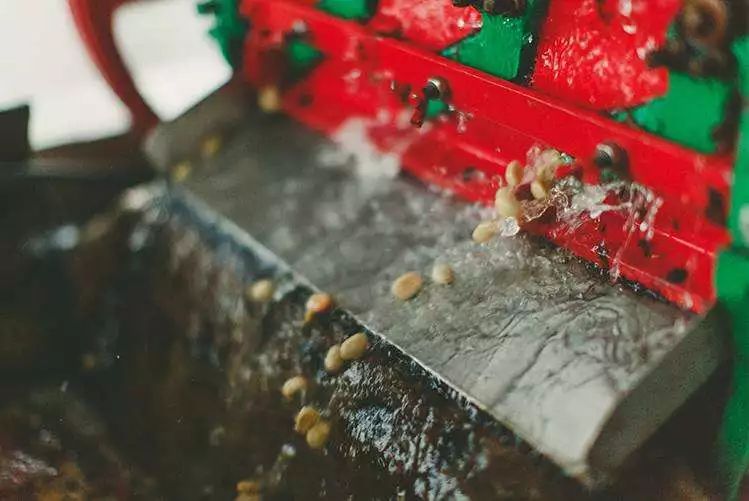
2. Pulp and Skin Removal: Use a pulper to remove the outer skin and pulp. At this stage, the mucilage layer, inner skin (parchment), and silver skin remain attached to the seed.
3. Fermentation: Soak the beans with mucilage in water, allowing microbes to break down the mucilage. This typically takes between 24 to 72 hours.
4. Washing: After fermentation, rinse the beans multiple times with clean water to remove residual mucilage, fermentation bacteria, and impurities. This step consumes a significant amount of water—approximately 40–50 liters per kilogram of coffee beans.
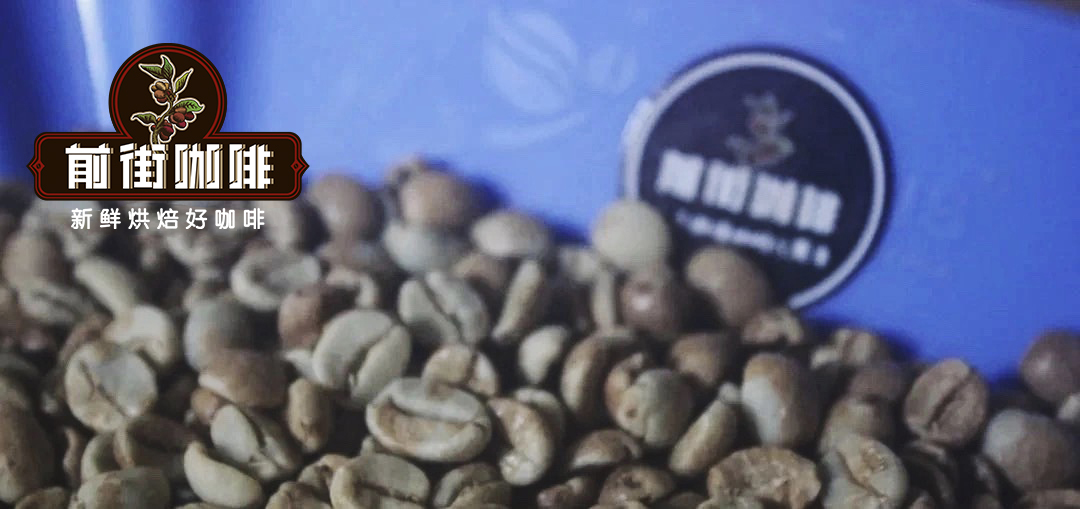
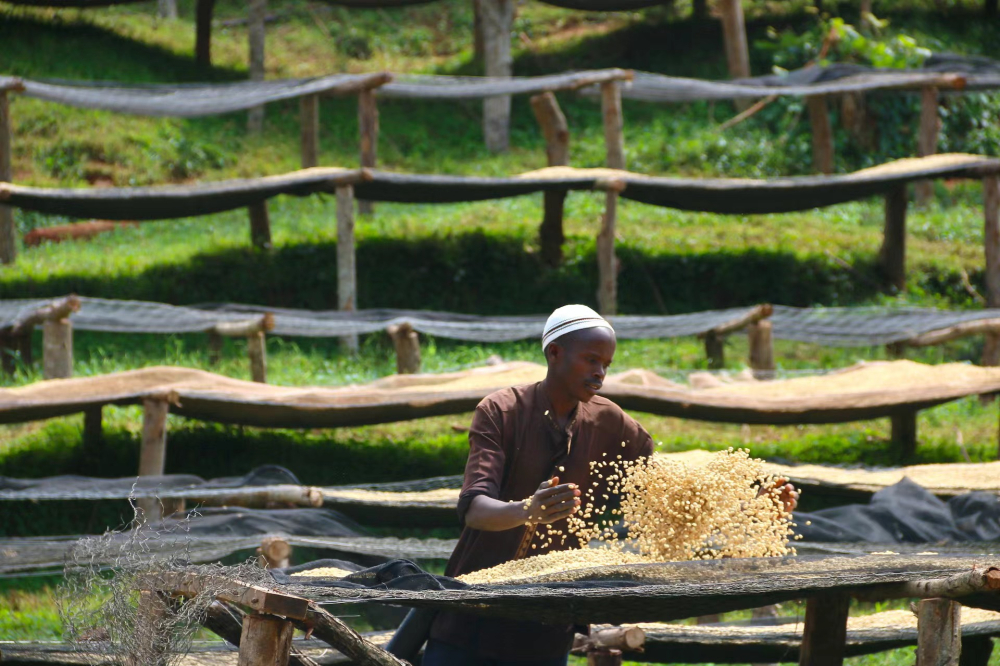
5. Drying and Hulling: Spread the beans on raised beds or the ground to dry until the moisture content drops to 10–14%, then use a hulling machine to remove the parchment and silver skin, resulting in the familiar green coffee beans.

[Advantages and Disadvantages of Washed Coffee]
The advantage of the washed process is that it produces high-quality and consistent green beans. The process is mostly carried out indoors, effectively controlling contamination and mold risks. The beans have intact appearances and good market appeal. However, its disadvantages are also quite apparent—not only is the process complex and costly, but it also requires large amounts of water, making it difficult to implement in arid regions.
In terms of flavor, washed beans often exhibit bright fruit acidity, clear floral notes, and citrus tones. The taste is clean with no off-flavors, making it ideal for coffee drinkers who prefer a refreshing style.
[Roast Recommendations for Washed Beans]
Because of their clear flavor and prominent acidity, washed beans are generally suitable for light to medium roasts to preserve their inherent characteristics. Over-roasting can easily mask their delicate acidity and fruity notes. It’s recommended to pay attention to the development time after first crack during roasting to fully bring out the layered complexity.

[Recommended Washed Beans from African Regions]
Africa is a major producing region for washed coffee. Below are two classic washed single-origin beans recommended:
1. Kenya Asali: Produced in the Thika region, at altitudes of 1550–1750 meters, with varieties SL28 and SL34. It undergoes Kenya’s unique 72-hour multi-stage fermented washed process. The acidity is intense yet refined, often featuring aromas of black plum, cherry tomato, and pear. The mouthfeel is full-bodied with a long-lasting aftertaste.
2. Ethiopia Yirgacheffe Guji Gedeo Zone Guddu: Grown at altitudes of 1900–2300 meters, with heirloom variety, processed via traditional washed method. This bean has a refreshing flavor, offering citrus and black tea notes on entry. As it cools, creamy, caramel, and almond sweetness emerges. The aftertaste is clean and sweet.

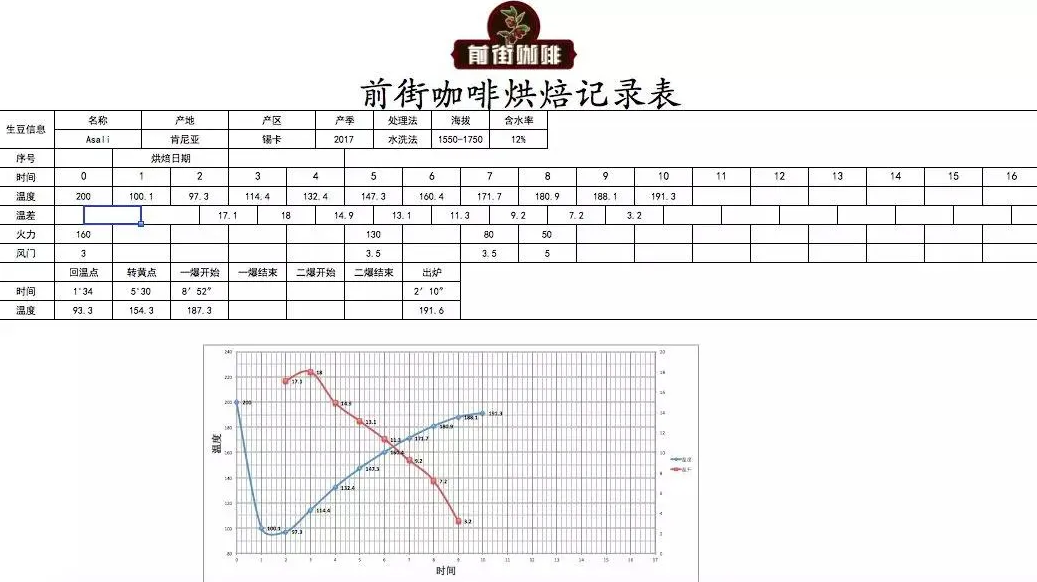

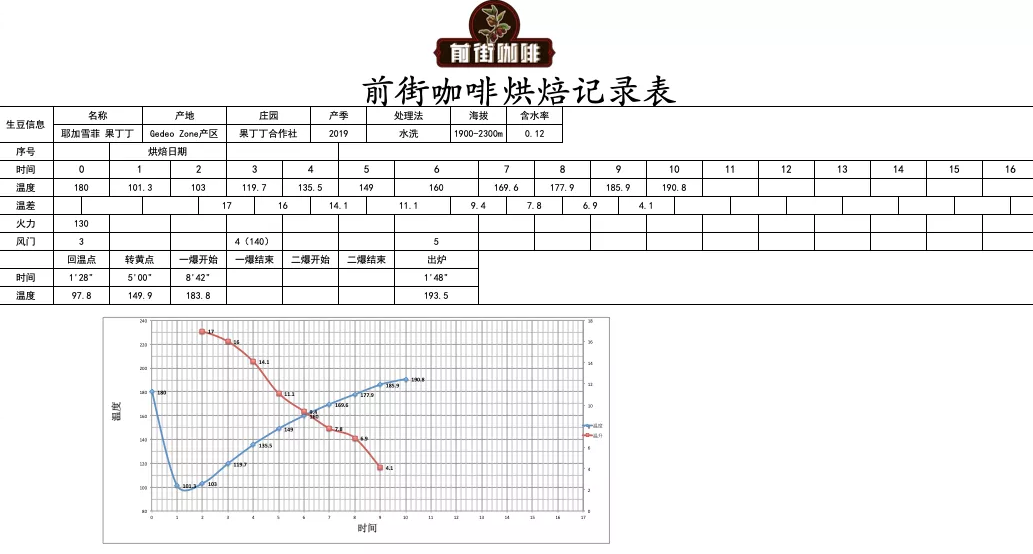


When brewing, it’s recommended to use a medium-fine grind (e.g., BG-6S 20# sieve at 80% passing rate), water temperature around 90°C, paired with a V60 filter and a 1:15 coffee-to-water ratio. Employing a pulse pouring technique can better highlight the details and layers of washed beans.
In summary, the washed processing method not only creates many classic-flavored coffee beans but also allows us to appreciate the unique personalities expressed by different regions, altitudes, and varieties. Even within the same processing method, differences in origin and fine details can yield vastly distinct taste experiences—this is the captivating charm of specialty coffee.
The above content is compiled by CoffeeHunters, a coffee news website.


