








Introduction:For those new to specialty coffee, washed Yirgacheffe beans are an iconic entry-level choice. These small-bean Ethiopian heirloom coffee varieties, grown at high altitudes of 1900–2300 meters, develop distinct floral and fruity notes through the washed processing method. With bright acidity and a clean flavor profile, this guide delves into the characteristics of the Yirgacheffe growing region, the washed processing workflow, and recommends a high-value medium-light roasted bean. We’ll analyze its flavor profile and suitable brewing methods to help you find your first premium pour-over coffee.
Why is Yirgacheffe ideal for coffee beginners?This classic coffee from Ethiopia’s renowned growing region is celebrated for its unique floral, citrusy notes and honey-like sweetness. The washed processing enhances clarity and brightness, with lively yet smooth acidity and a clean mouthfeel—making it perfect for appreciating the nuanced flavors of pour-over brewing.

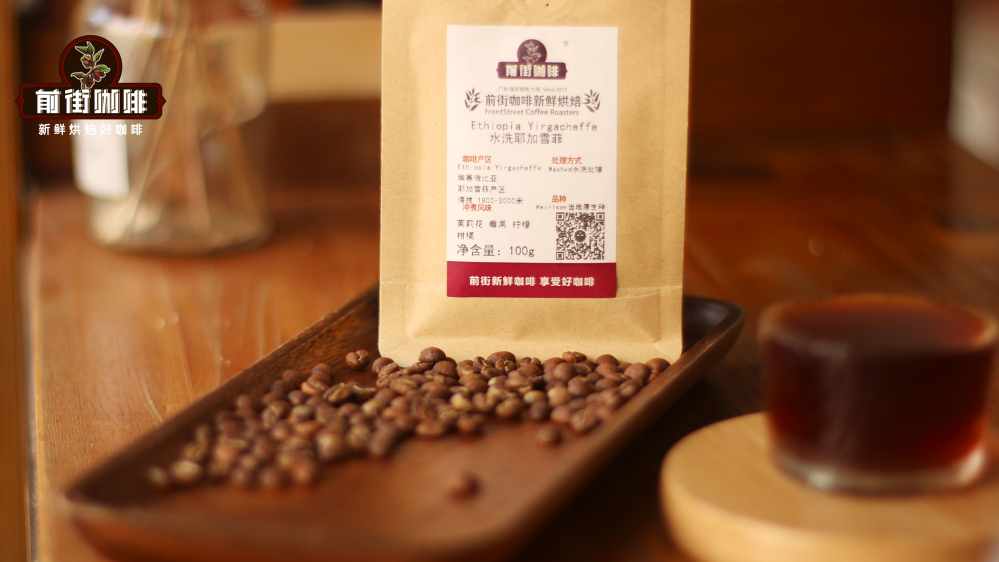
If you’re looking for a Yirgacheffe washed bean with distinct flavors and great value, medium-light roasted beans from farms at 1900–2300 meters altitude are a reliable choice. These coffees typically showcase white floral, berry, citrus, and honey notes, sometimes with a green tea-like finish. They have a refreshing, non-cloying taste with minimal bitterness, and are versatile for brewing via pour-over, drip bags, cold brew, French press, or siphon—ideal for daily drinking and brewing practice.

What makes the Yirgacheffe growing region unique?
Though administratively part of Ethiopia’s Southern Region (Sidama), Yirgacheffe has earned independent distinction for its refined washed coffee. Most coffee farms here lie on highlands around 2000 meters altitude, where cool climates and significant day-night temperature variations slow fruit ripening, allowing richer flavor compounds to develop.
Notably, decades of cultivation have significantly reduced original forest cover, with most production now from smallholder family farms. Additionally, Ethiopia boasts one of the world’s most diverse coffee gene pools. As a result, most Ethiopian beans are labeled “Heirloom” (local native variety)—a catch-all term for numerous wild or semi-wild strains rather than a single cultivar.
Key steps in washed processing
The allure of Yirgacheffe washed beans largely stems from their meticulous processing:
1. First, harvested coffee cherries are placed in water tanks; unripe or defective beans float due to lower density, while denser, higher-quality ones sink—this initial step helps pre-screen quality.
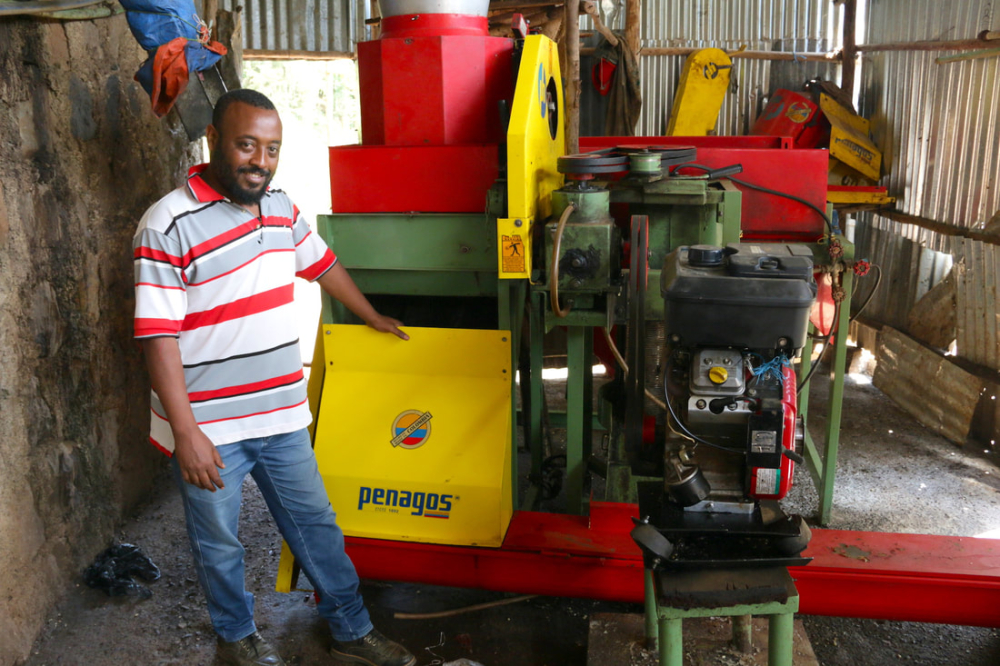
2. Next, qualified cherries are fed into a pulper to remove the outer skin and pulp, though a sticky mucilage layer remains on the beans.
3. Mucilage removal relies on fermentation, typically taking about 18 hours. Once fully broken down, the beans are thoroughly rinsed with large amounts of water. This stage consumes significant water—estimates suggest 40–50 kg of water per 1 kg of coffee beans—making washed processing impractical in water-scarce regions.
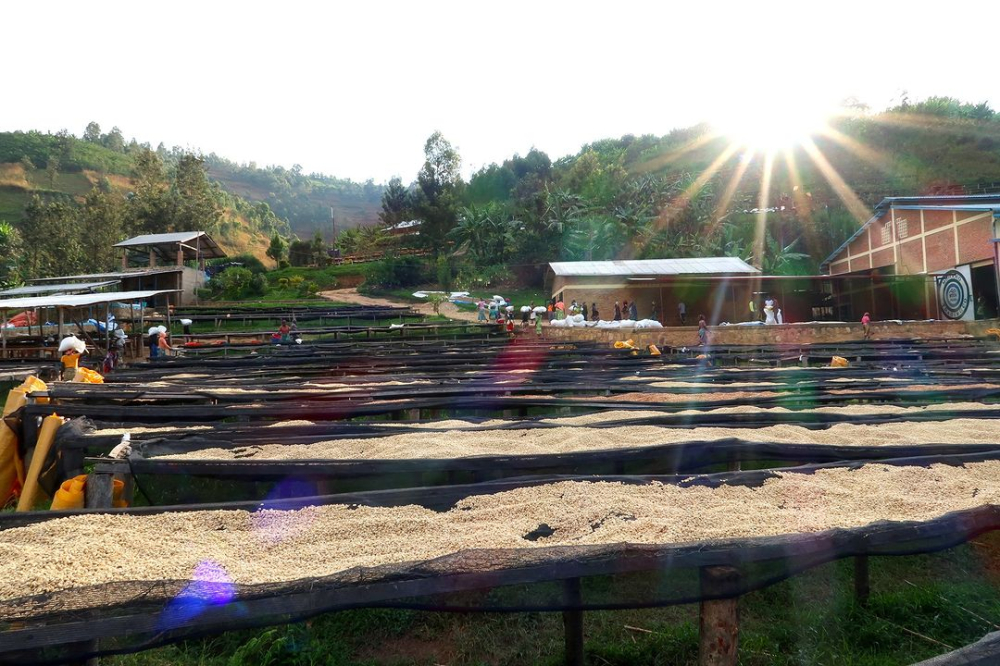
4. Washed beans undergo drying, varying by region: some are sun-dried outdoors, others mechanically dried, with the goal of reducing moisture content to around 11% for better storage and transport.
5. Finally, properly dried beans are stored and packaged for export worldwide.
Flavor characteristics of washed processing
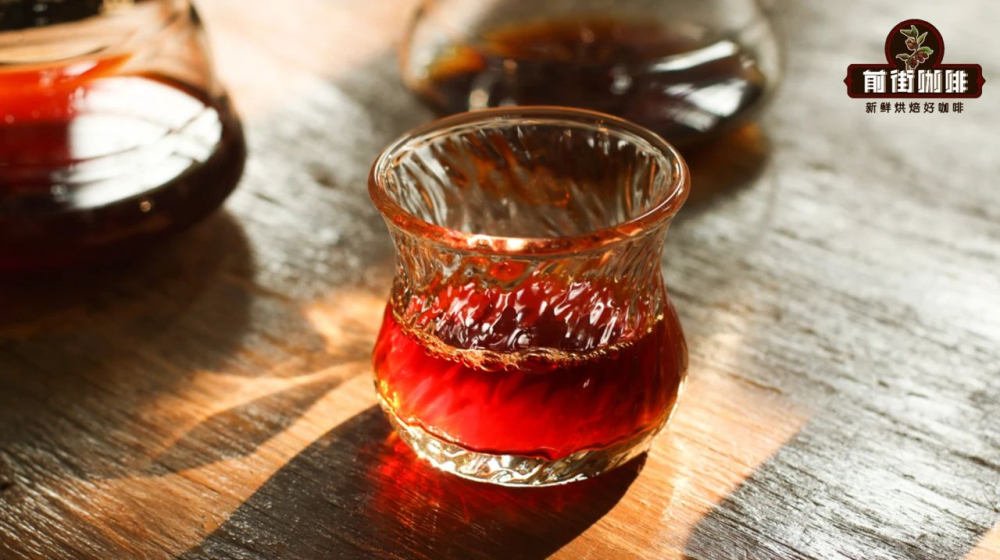
Compared to natural (sun-dried) or other methods, washed coffee beans generally exhibit clearer acidity, brighter mouthfeel, and purer fruity notes. Yirgacheffe washed beans, in particular, showcase vibrant citrus acidity paired with floral aromas and subtle honey sweetness. The overall flavor profile is balanced—light-bodied yet with lingering aftertaste—making it an excellent practice bean for pour-over beginners and a delight for fruit-forward coffee enthusiasts.
The above content is compiled by CoffeeHunters, a coffee news website.


