







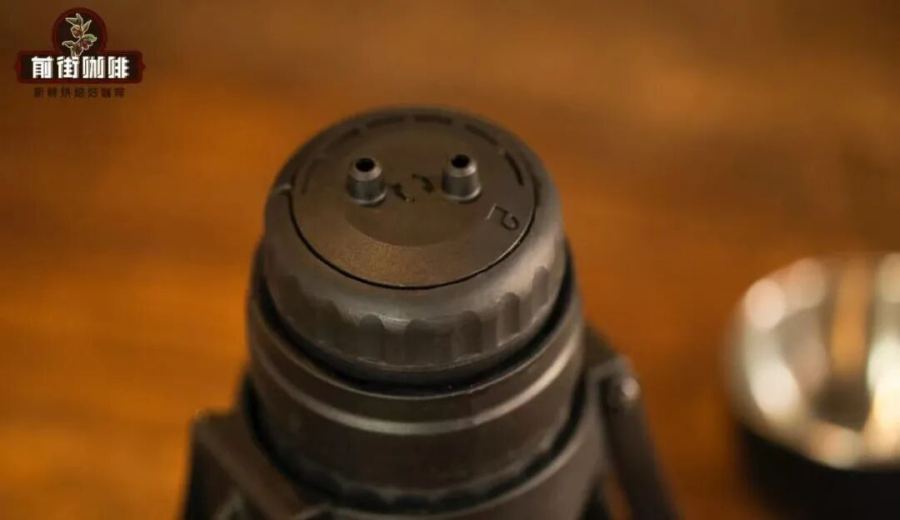
Introduction:Manual coffee machines have garnered significant attention in recent years. With their affordable prices and the convenience of not requiring a power outlet, they have gradually carved out a niche among coffee enthusiasts. But how do they actually compare to semi-automatic machines, which can cost 10 to 20 times more, in terms of espresso extraction performance? This article delves into the extraction results of both types of machines through real test data and flavor comparisons, and shares key operational tips and common pitfalls for manual coffee machines to help you make a more informed choice.
Manual coffee machines have emerged as a surprising force in the coffee scene in recent years. Although their functionality cannot rival that of semi-automatic machines, their affordability and plug-free design have still won over many coffee aficionados. However, when faced with equipment that may differ in price by a factor of ten or more, many wonder: is there really a noticeable difference in the espresso they produce?
To answer this question, this test used a manual coffee machine — the Xingli San (an earlier model, now discontinued), along with a semi-automatic machine, the Lelit V3, which is also one of the commonly used models in many professional cafés. During the test, we extracted three shots of espresso using each machine and measured their concentration and extraction yield. Finally, we compared their flavor profiles through actual tasting.
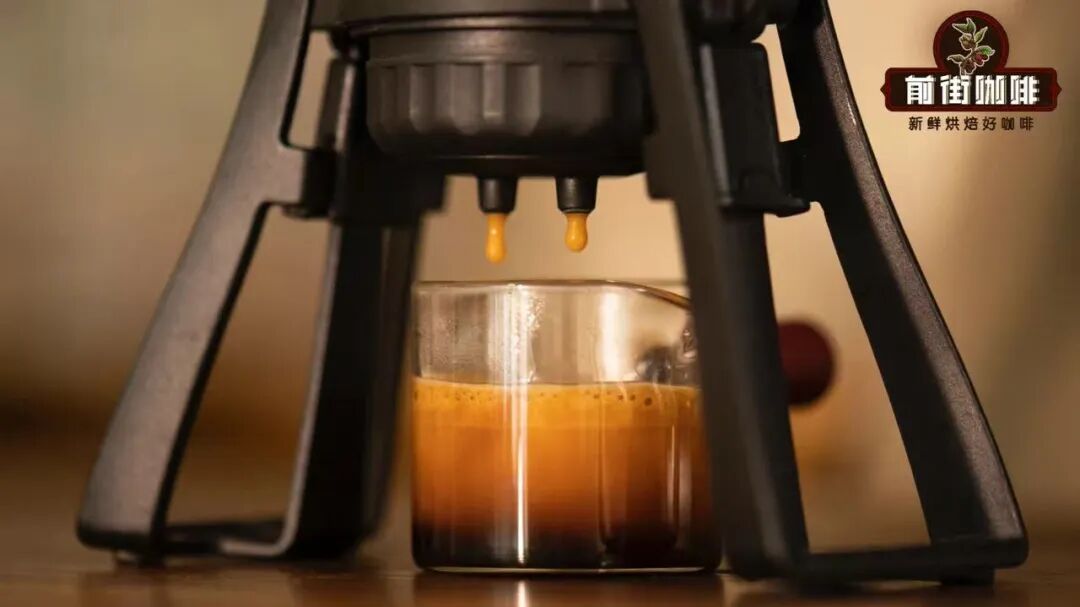
Throughout the experiment, both machines used the same blend — the Warm Sun Blend, with identical extraction parameters: 19.5 grams of coffee, a grind setting of 1.0 on the Galileo Q18, and a target yield of 38 milliliters. All conditions were kept the same, with the only variable being the type of coffee machine, ensuring a fair comparison.
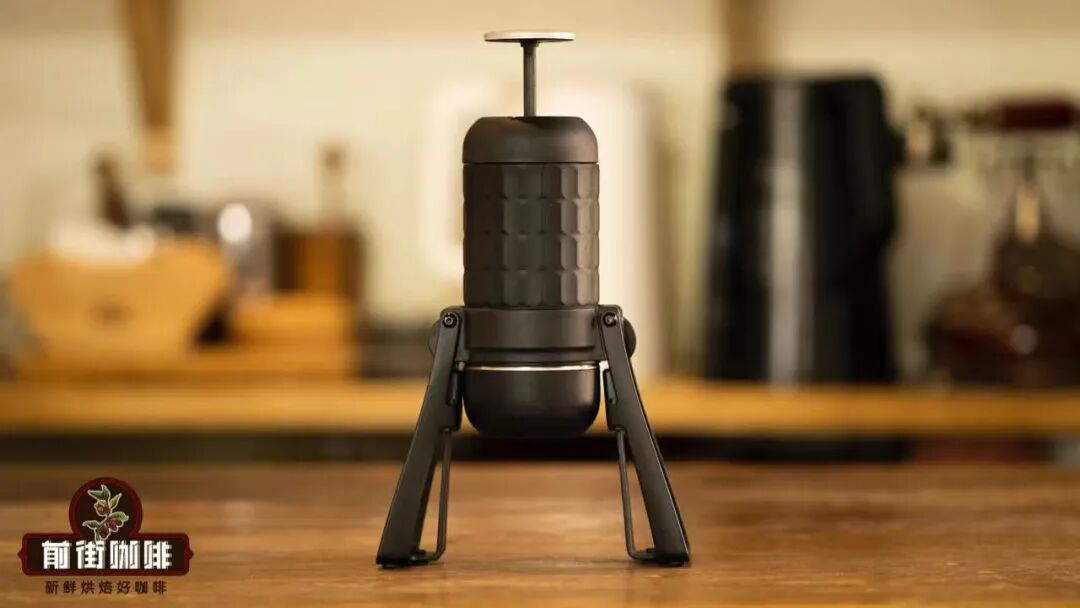
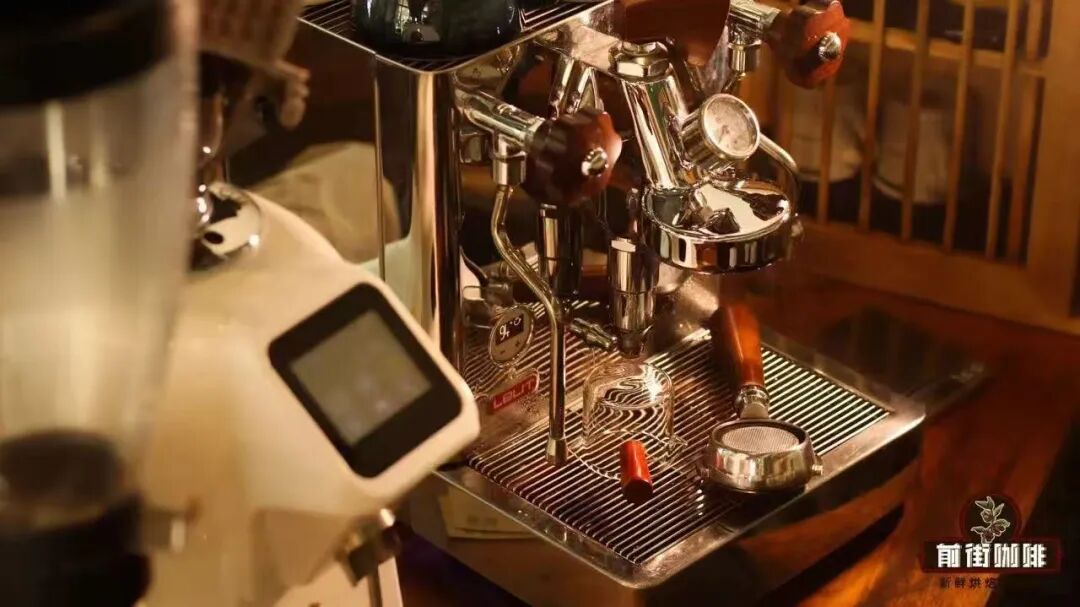
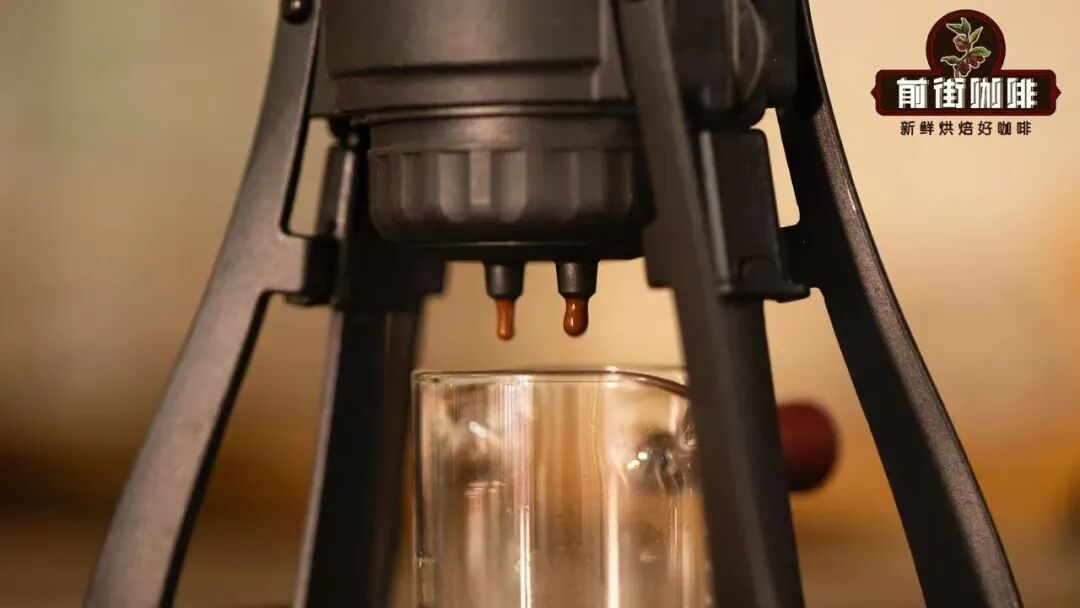
After extraction, we tasted each cup immediately and measured its concentration and extraction yield, taking the average of the three extractions as the final reference. The test results showed that the Xingli San manual coffee machine produced espresso with an average concentration of 10.04% and an extraction yield of 20.27%; while the Lelit V3 semi-automatic machine yielded 10.60% concentration and 21.41% extraction yield. Statistically, the difference between the two is not significant.

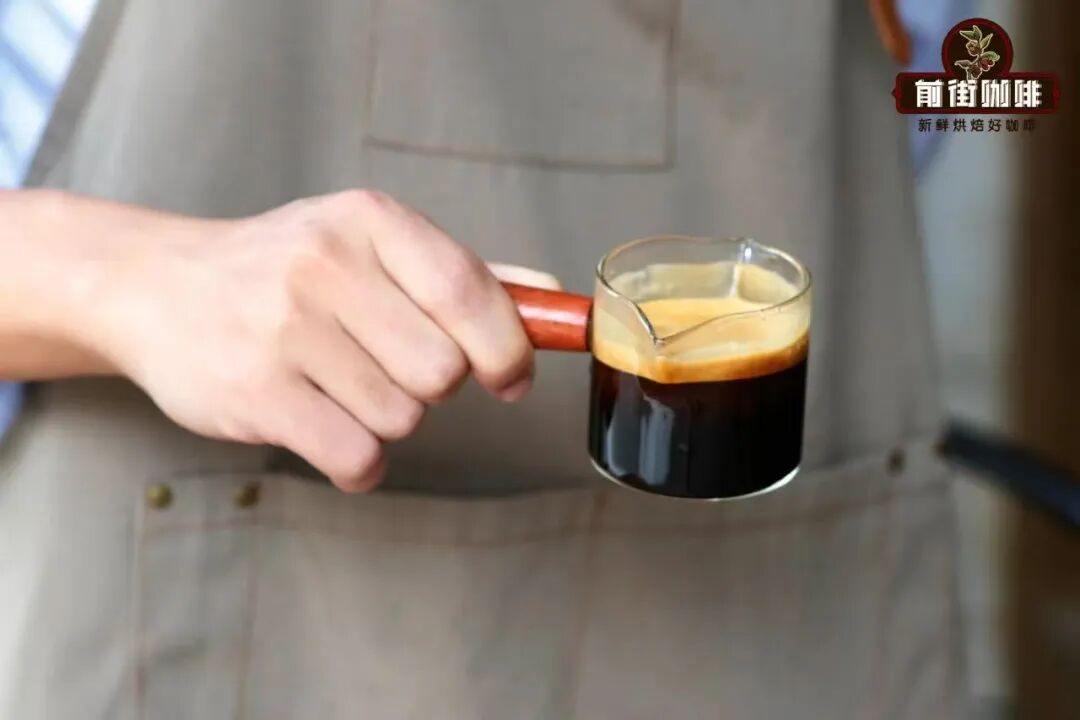
In terms of flavor, the two also showed similar trends. Both coffees exhibited clear notes of whiskey, buttery cookies, and berries, with balanced overall profiles — neither overly acidic nor burnt-bitter — and both produced rich and nuanced crema. However, upon closer tasting, the espresso from the manual machine had a slightly thinner mouthfeel and was marginally less full-bodied than that from the semi-automatic machine.

Interestingly, many readers might wonder which photo shows the crema from the manual machine and which from the semi-automatic one. The answer is: the right side is from the semi-automatic machine, and the left is from the manual machine. Although there are slight differences in crema fineness, both display sufficient thickness, proving that manual coffee machines still achieve a certain level of pressure output.
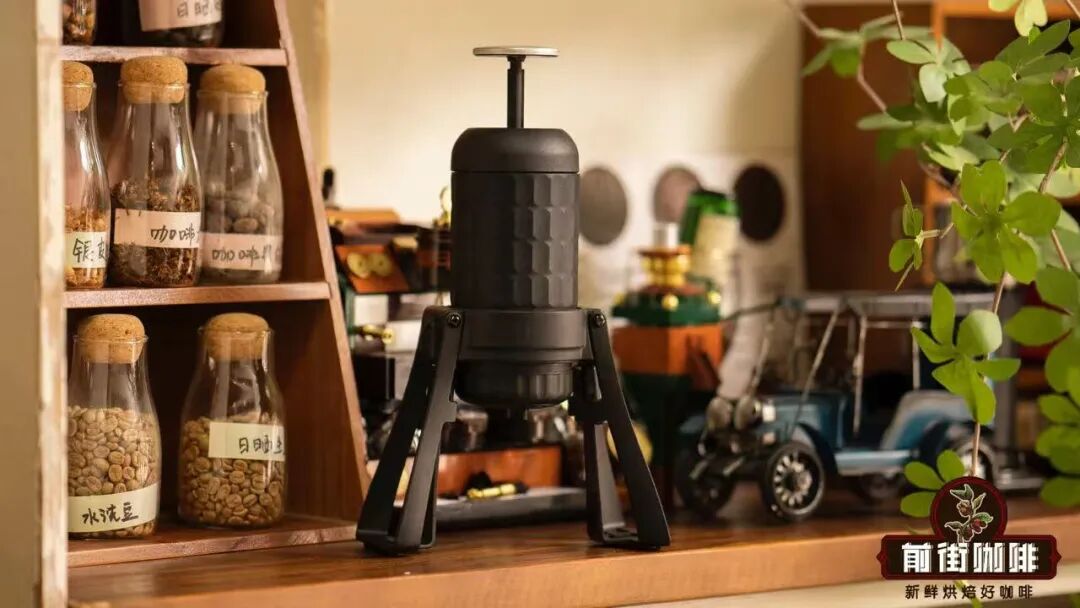
However, many users sharing their experiences with budget manual coffee machines online often encounter issues such as overly light extraction, lack of crema, or even rough, bubbly shots. These problems mostly stem from improper parameter settings, including water temperature, grind size, pressure control, and brew ratio — all critical factors that influence the final extraction quality.
If you want to use a manual coffee machine to produce espresso with performance close to that of a semi-automatic machine, the following operational details are crucial:
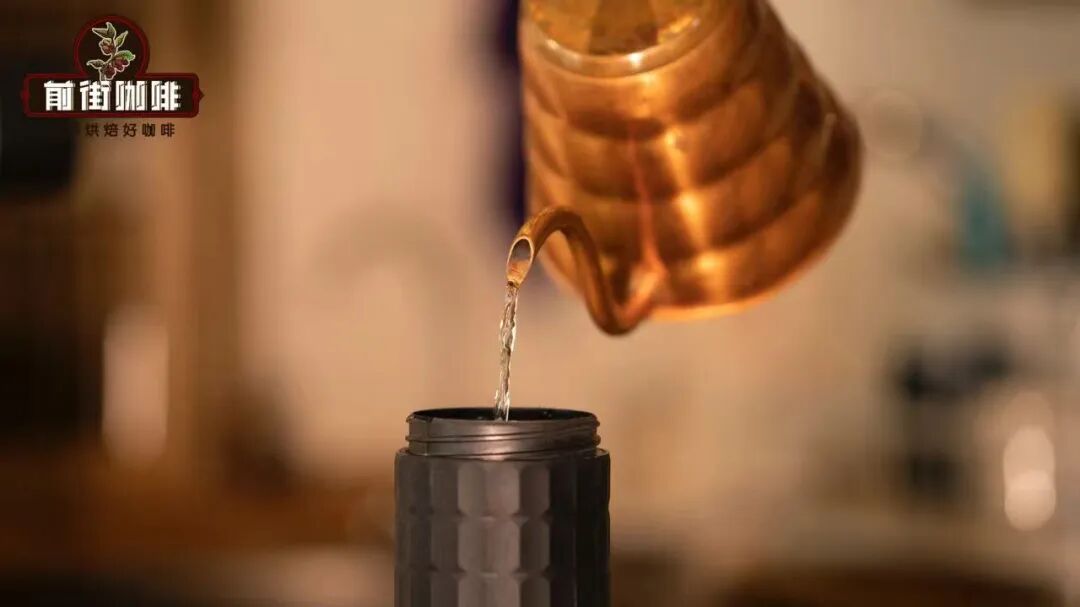
First, unlike electric machines, manual coffee machines do not provide stable and continuous pressure. Especially without modifications, their pressure output tends to fluctuate more. Therefore, it is recommended to use a higher water temperature, such as 95°C, to enhance the hot water’s ability to dissolve coffee grounds. Additionally, since the water needs to be boiled beforehand when manually adding it, it is advisable to use a separate kettle and to preheat the machine’s water reservoir with hot water during the first use to minimize heat loss.
Secondly, grind size also requires special attention. To create enough resistance for proper pressure application, it is recommended to adjust the grind to a finer setting, similar to the fine grind commonly used in electric machines. After filling the portafilter, make sure to distribute the grounds evenly and tamp them appropriately to avoid channeling and uneven extraction.
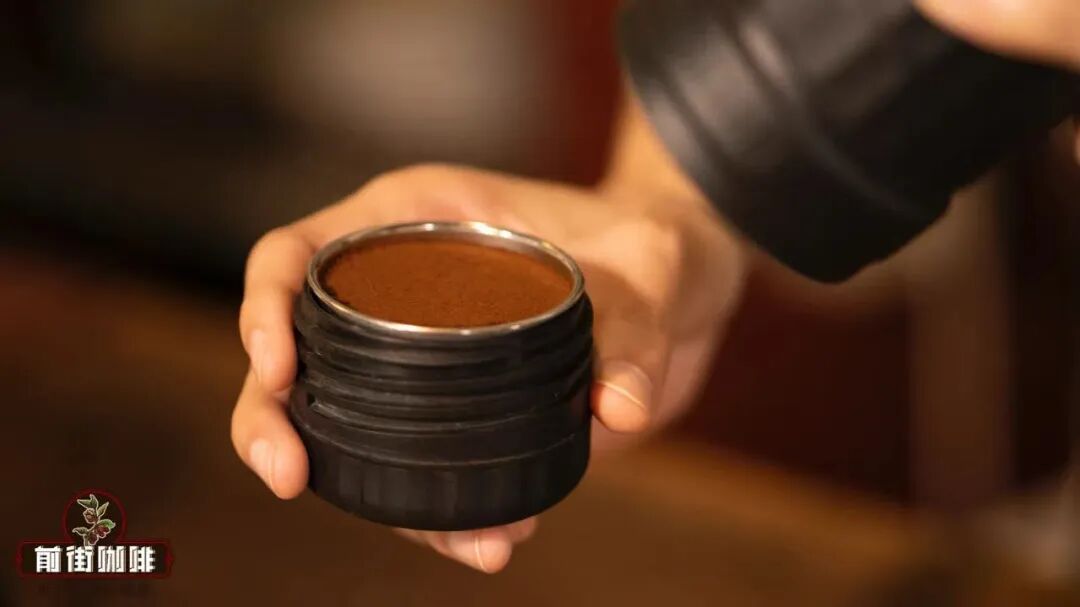
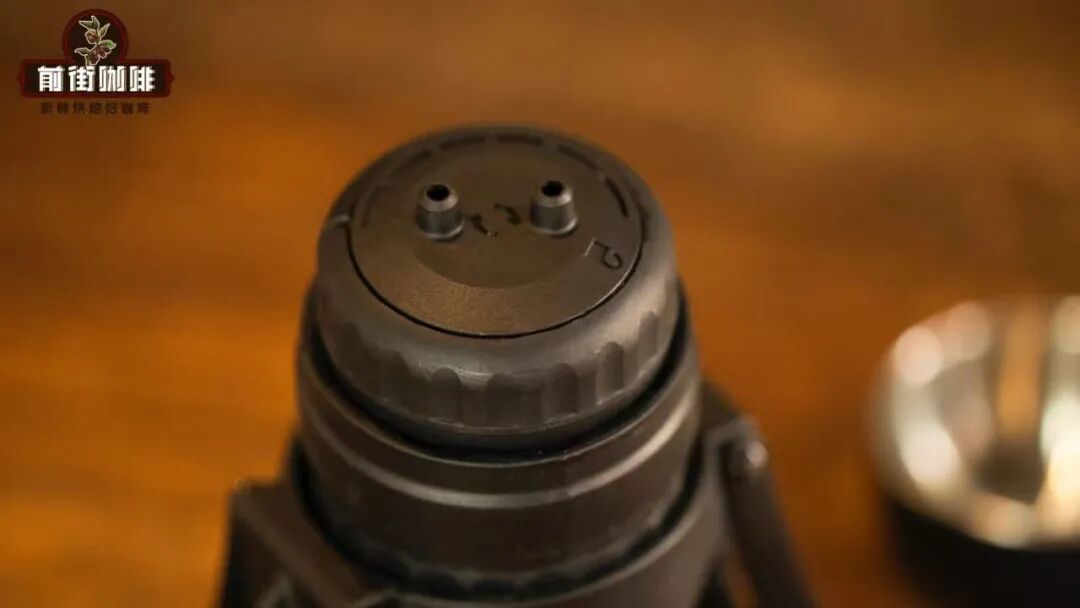
Furthermore, many manual coffee machines come equipped with a pressure regulation valve. For example, the Xingli San has a bottom dial that allows you to adjust the pressure level. It is generally recommended to set it to the maximum pressure to achieve better extraction results.
Finally, mastering the brew ratio is equally essential. Using the standard espresso brew ratio of 1:2 (grounds to liquid) as a baseline, converting this to a powder-to-water ratio of approximately 1:3.5 to 1:4 can effectively enhance the coffee’s concentration. It is suggested to fine-tune the water volume according to your personal taste preferences to achieve the ideal extraction result.
In summary, manual coffee machines offer clear advantages in terms of price and convenience. If you are not a heavy coffee drinker or simply enjoy the occasional hand-poured espresso, they are definitely a practical option worth considering. However, if you are aiming for ultimate stability and multifunctional operation, semi-automatic machines remain the more comprehensive solution. With the correct parameter adjustments and mastery of operational details, manual coffee machines can also deliver surprisingly delightful espresso flavor experiences.
The above content is compiled by CoffeeHunters, a coffee news website.


