







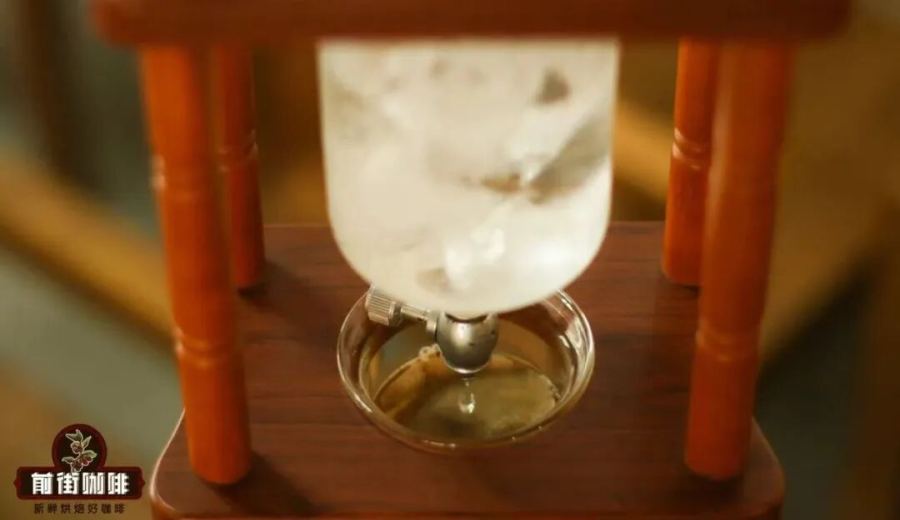
Introduction:Although cold drip coffee also falls under the category of black coffee, it is often priced higher than pour over and Americano. What exactly makes it different? This article delves into the brewing principles, process, and cost structure of cold drip coffee, helping you understand the reasons behind its labor-intensive and time-consuming nature, as well as why it delivers unique flavors and textures—giving you a deeper appreciation for this “slow-dripped coffee.”
The term “black coffee” refers to pure coffee beverages brewed solely with water, without the addition of milk, sugar, or cream. Whether it's pour over, Americano, or cold drip, all fall under the umbrella of black coffee. Since they are not influenced by other ingredients, they better showcase the inherent flavor characteristics of the coffee beans. However, many consumers have noticed that within the same café, cold drip coffee is often priced higher than pour over and Americano—even when the same coffee beans are used, the price difference remains noticeable. So why is cold drip more expensive than other types of coffee? The key lies in its complex brewing process and higher material costs.
First and foremost, the brewing time for cold drip coffee is significantly longer than that of other common types of black coffee. Typically, pour over or Americano coffee is brewed using hot water, leveraging high temperatures to accelerate the release of flavor compounds, with the entire brewing process usually taking just a few minutes. In contrast, cold drip coffee is a type of cold brew, utilizing near-freezing low-temperature water for an extremely slow extraction. The low water temperature greatly reduces the efficiency of flavor release, thus requiring as long as5 to 8 hours, or even moreto complete the extraction, substantially increasing time costs.
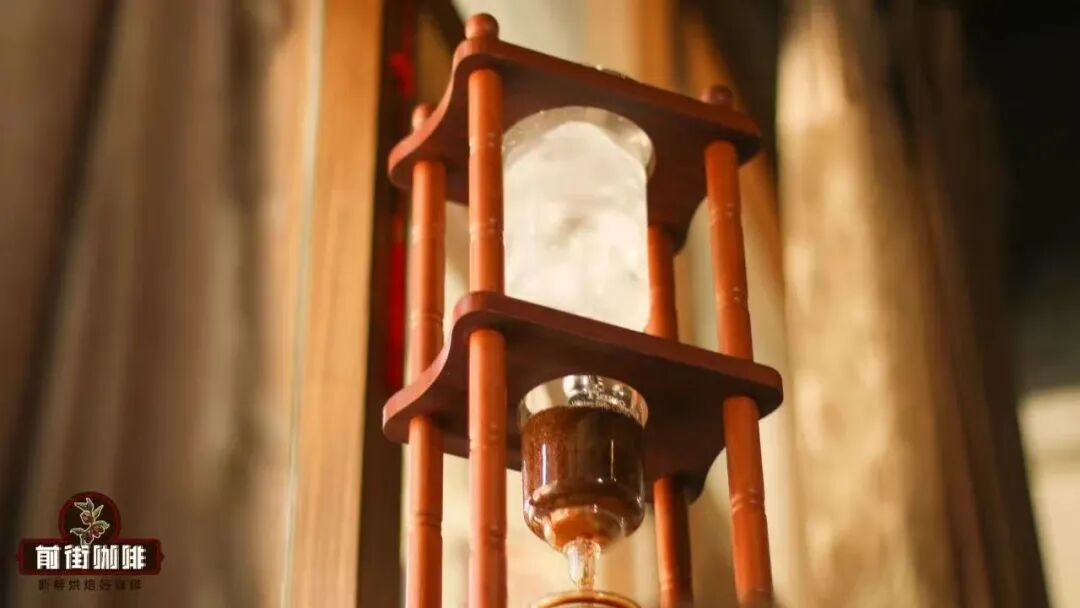
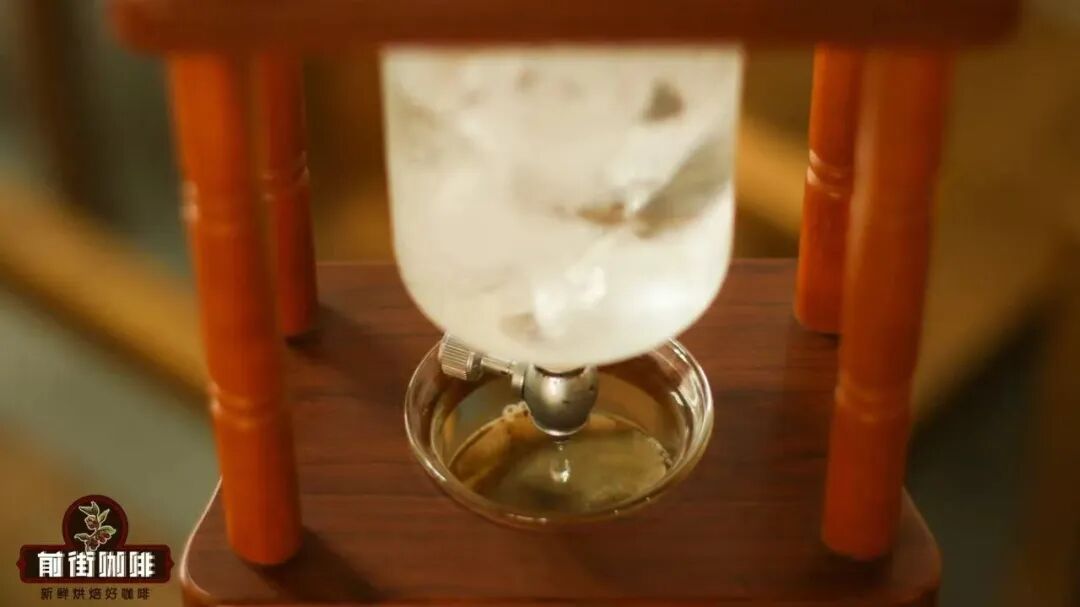
To manage such a slow extraction process, businesses typically use specialized cold drip brewers, which feature precisely set drip valves allowing ice water to drip at an extremely slow rate of7 to 8 drops per 10 seconds, continuously soaking the coffee grounds. Taking a common cold drip recipe as an example, it uses60 grams of coffee grounds with 600 milliliters of ice water, resulting in a coffee-to-water ratio of approximately 1:10. The overall extraction time varies depending on ambient temperature and equipment conditions, generally ranging from 5 to 8 hours—this is just the extraction phase alone.
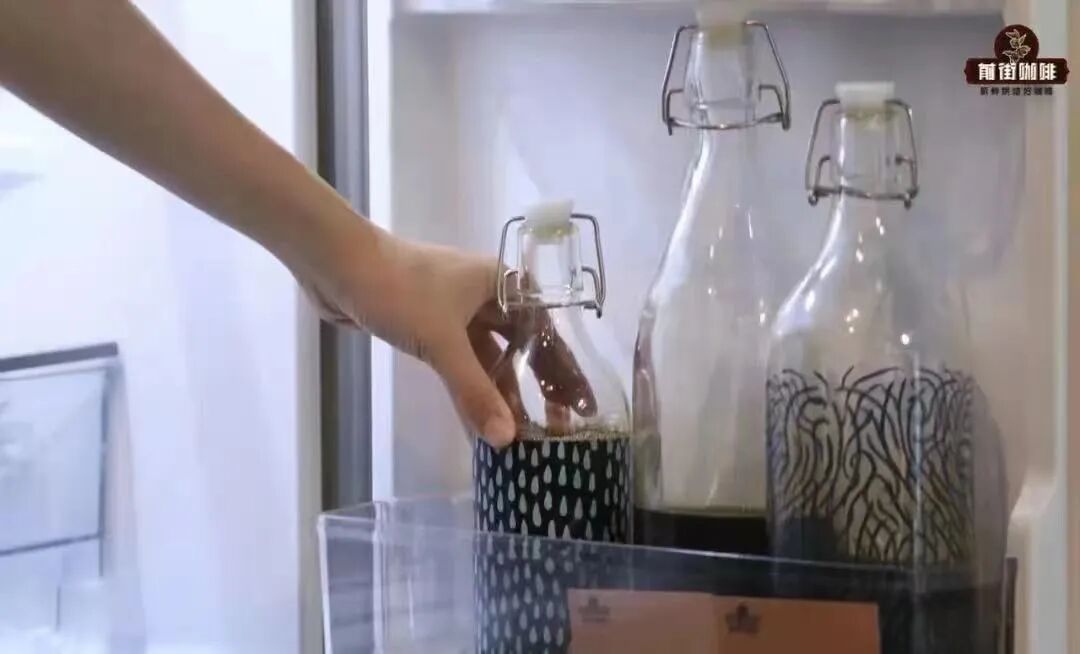
Even more notably, cold drip coffee cannot be consumed immediately after the dripping process is complete. To allow the coffee flavors to further develop, it usually undergoes a period of “low-temperature aging.” The method involves pouring the filtered coffee liquid into a sealed container and placing it in the refrigerator for several hours. It is recommended to age it for at least8 hours or more, enabling the coffee to develop a fermentation-like aroma reminiscent of wine in the low-temperature environment, adding unique layers and aftertastes. In practice, cold drip coffee is refrigerated and aged for at least 8 hours to ensure full flavor development.
If we calculate the entire production process as a whole—from the start of the dripping to the final drinkable state—the total time required to produce a 600-milliliter pot of cold drip coffee often exceeds13 hours, and that’s considered relatively fast. Furthermore, in terms of the typical output of a café, a 600-milliliter pot of cold drip coffee is usually divided into only3 servings (each about 200 milliliters, with 1 to 2 ice cubes). In comparison, making 3 servings of pour over or Americano might take only around 10 minutes, making the time efficiency difference dozens of times greater—a major reason why cold drip commands a higher price.
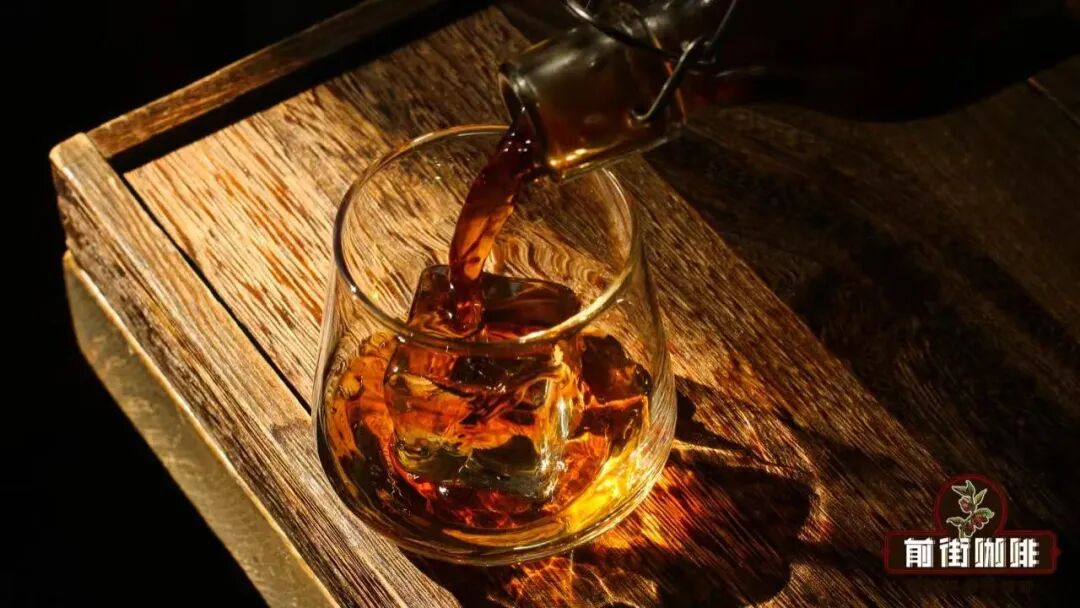
Aside from time costs, material costs are also a key factor in the higher pricing of cold drip. For instance, using the same 60 grams of coffee grounds, if it were used for pour over coffee, based on common serving standards (such as 15 grams per brew), it could produce about 4 cups. But if used for cold drip, those same 60 grams of coffee grounds can only make 3 cups. In other words, each cup of cold drip coffee uses a relatively larger amount of coffee grounds, directly raising the single-cup raw material cost and thus affecting the final retail price.
In summary, the reason cold drip coffee is priced higher is not only due to its time-consuming and labor-intensive brewing process—from slow dripping, low-temperature aging, to limited final output—but also includes the higher unit cost of the coffee beans used. Understanding these details makes it easier to see why cold drip often ranks among the priciest items on café menus. Yet, it is precisely because of its unique flavors and artisanal craftsmanship that it has become the ultimate experience sought after by many coffee enthusiasts.


The above content is compiled by CoffeeHunters, a coffee news website.


