







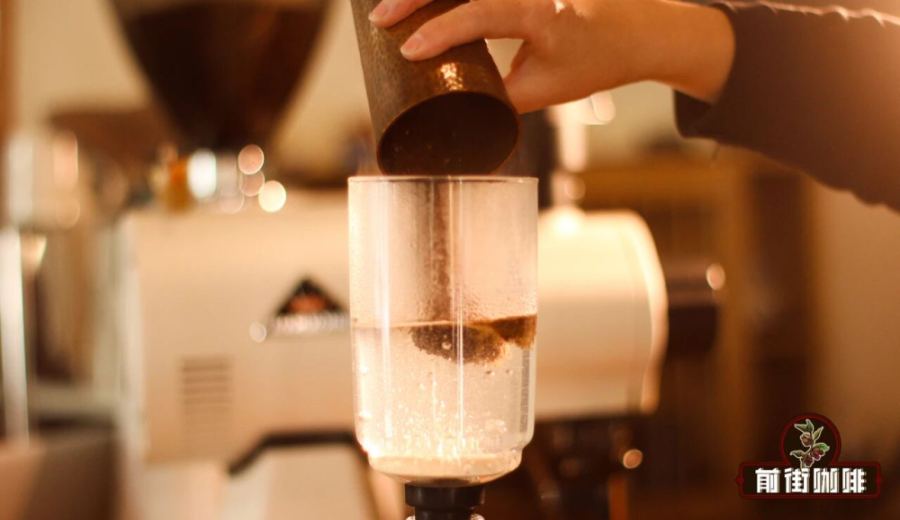
Introduction:Why is pour over the predominant method for serving single-origin coffees in most specialty coffee shops? This article delves into the unique advantages of pour over coffee across key dimensions such as flavor expression, ease of use, and extraction efficiency. It also compares it with other brewing methods like French press and siphon, helping coffee enthusiasts understand the logic behind professional choices. Additionally, it offers practical pour over parameter references and flavor optimization tips.
"Small but complete." This is how people often describe small specialty coffee shops — within limited space, they not only display best-selling coffee beans from around the world, but also feature a variety of brewing devices in the corner, such as siphons, French presses, clever drippers, and even Turkish coffee pots.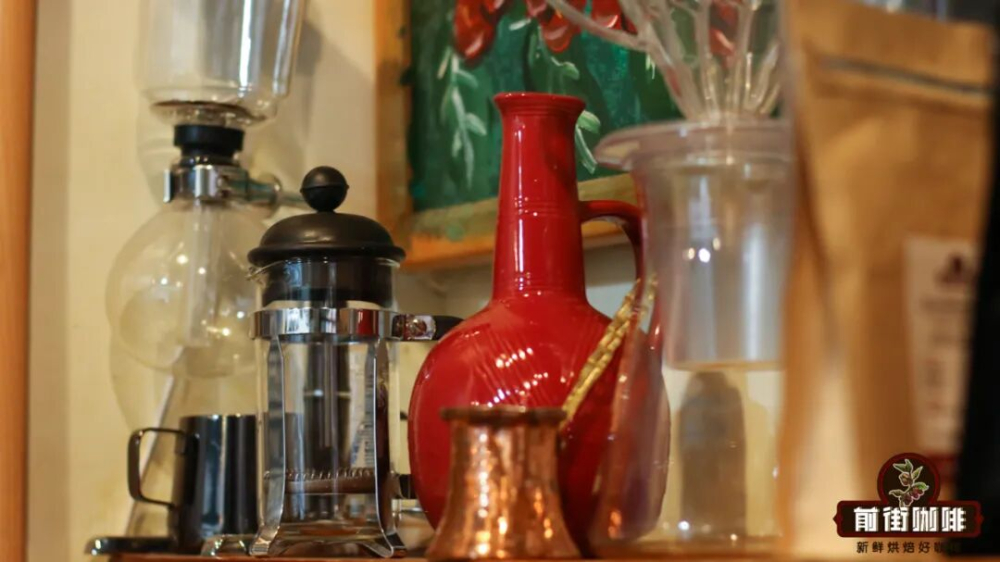 Customers often wonder: why are these unique brewing tools rarely used for everyday single-origin coffee? And when they learn the reason, they often follow up with questions like: "Is it because other methods lack flavor?" or "Why do professional shops generally prefer pour over?"
The core of the answer lies inthe overall balance of pour over coffee.Like a "six-sided warrior" in the coffee world, it may not excel in any single metric (such as the body provided by a French press), but thanks to its multi-dimensional strengths in flavor presentation, operational efficiency, and controllability, it has become the preferred method for showcasing single-origin varieties.
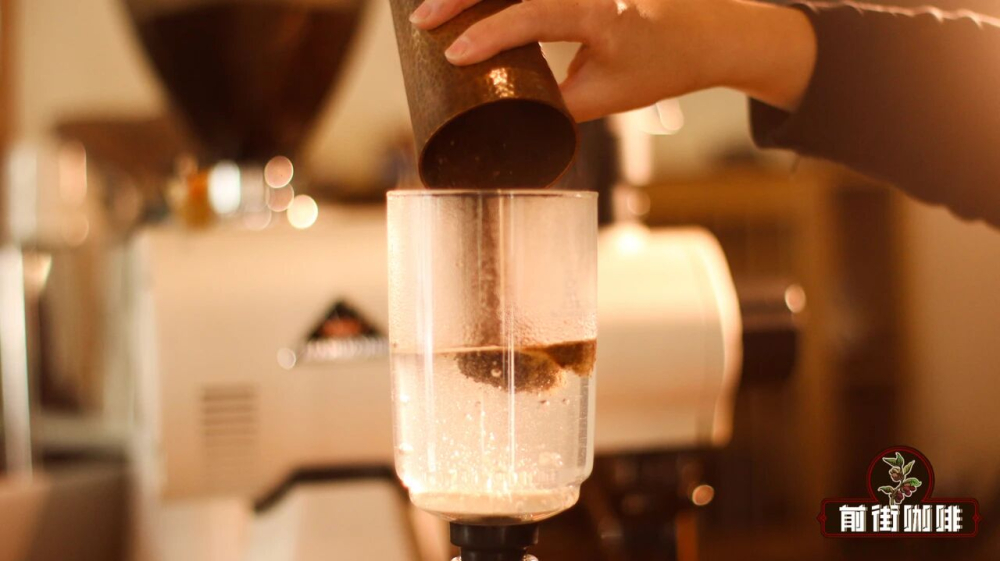
Since the rise of the specialty coffee concept in the 1990s, the industry has consistently pursuedclear flavor expression.As a representative of drip extraction, pour over allows for uniform water flow control, fully releasing the fruity acidity of strawberries and citrus, the creamy body, and even the layered aftertaste found in coffee. For example, an Ethiopian Huila bean at a certain shop, when brewed using pour over, often exhibits distinct strawberry aroma, bright citrus notes, and a light mouthfeel, making its flavors highly recognizable.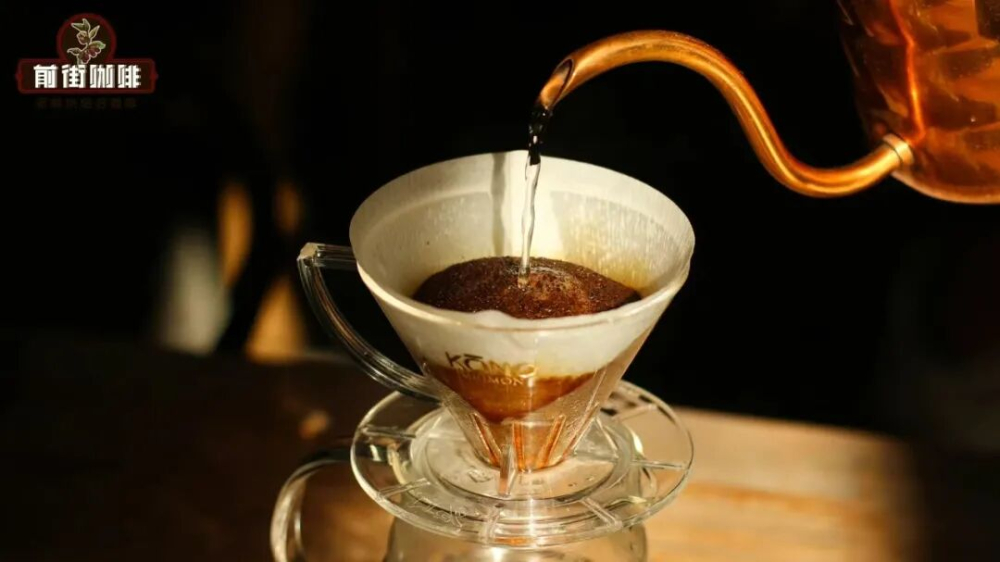 In contrast, immersion brewers like the French press may deliver a rounder body (richness), but finer flavor details can be masked.
Theease of useof pour over is equally crucial. It requires only a filter cone, paper filters, and a gooseneck kettle — no complicated setup. After brewing, the disposable filter paper can be discarded along with the coffee grounds, and the filter cone can be rinsed clean with water. This low-maintenance design significantly reduces the daily operational workload for shops.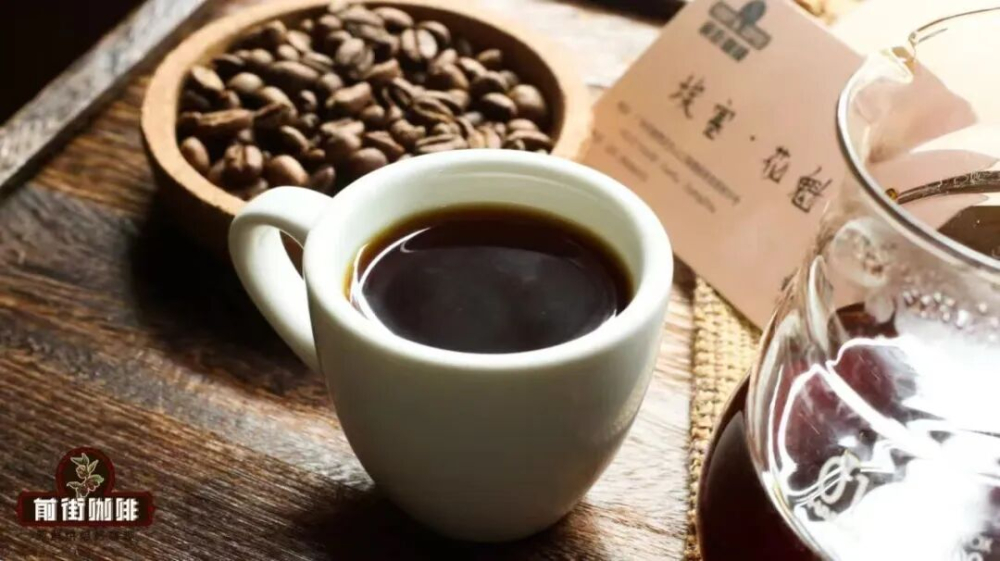
Time efficiency is another major advantage. A standard pour over process takes about 5 minutes from pouring to completion, while French press or siphon methods typically require 10 minutes or more. For coffee shops with high customer traffic, pour over ensures both brewing speed and consistent flavor quality.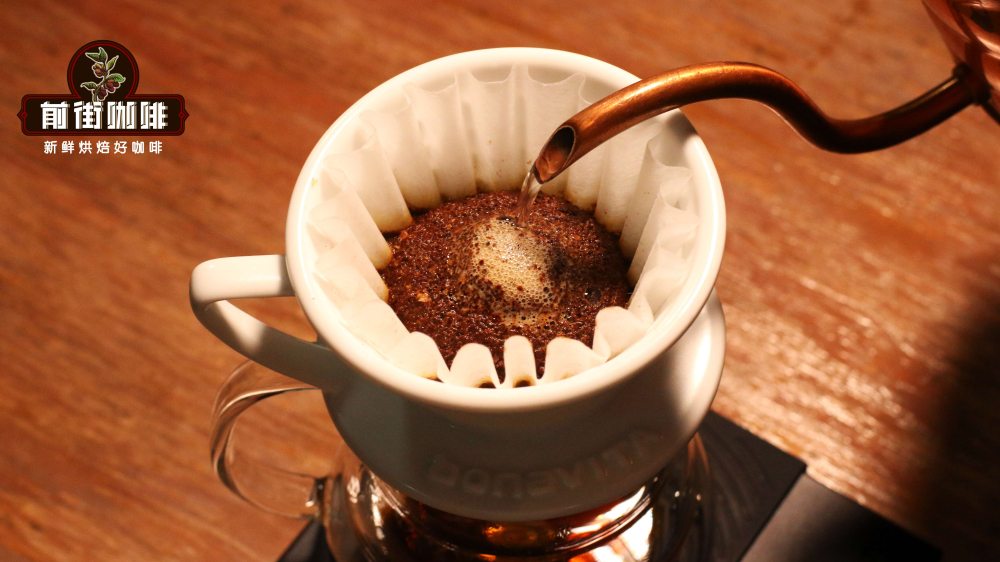
Professional baristas also value theprecision and controllabilityof pour over. By adjusting grind size (e.g., medium-fine), water temperature (commonly 90–93°C), brew ratio (1:15 to 1:16), and pouring technique (e.g., center pour or circular pour), they can flexibly adapt to different coffee beans. For instance, light roasts may require slightly higher temperatures to enhance acidity, while dark roasts benefit from lower temperatures to avoid over-extraction and bitterness. Throughout the process, baristas can also assess extraction uniformity in real time by observing the coffee bed (e.g., expansion height, flow rate).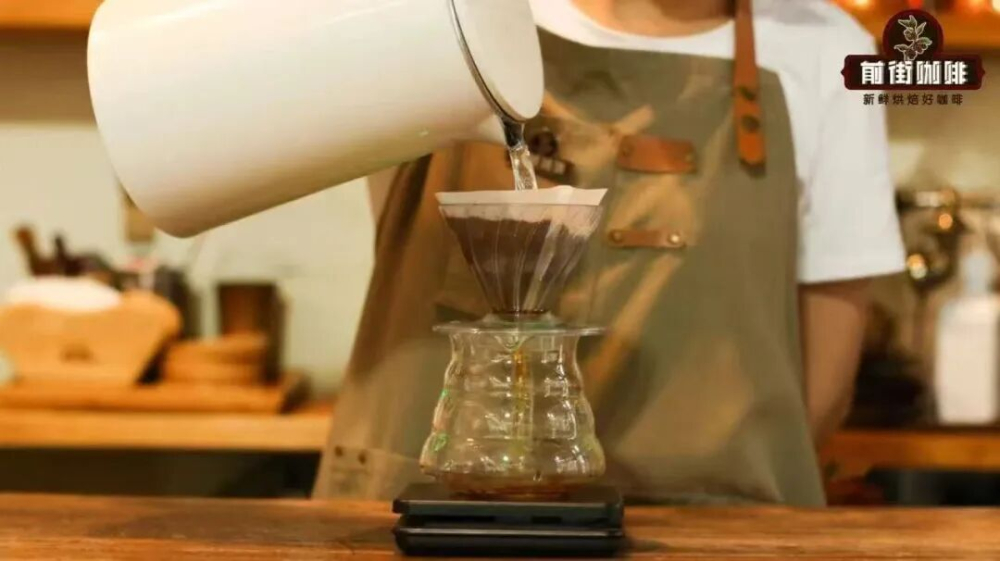
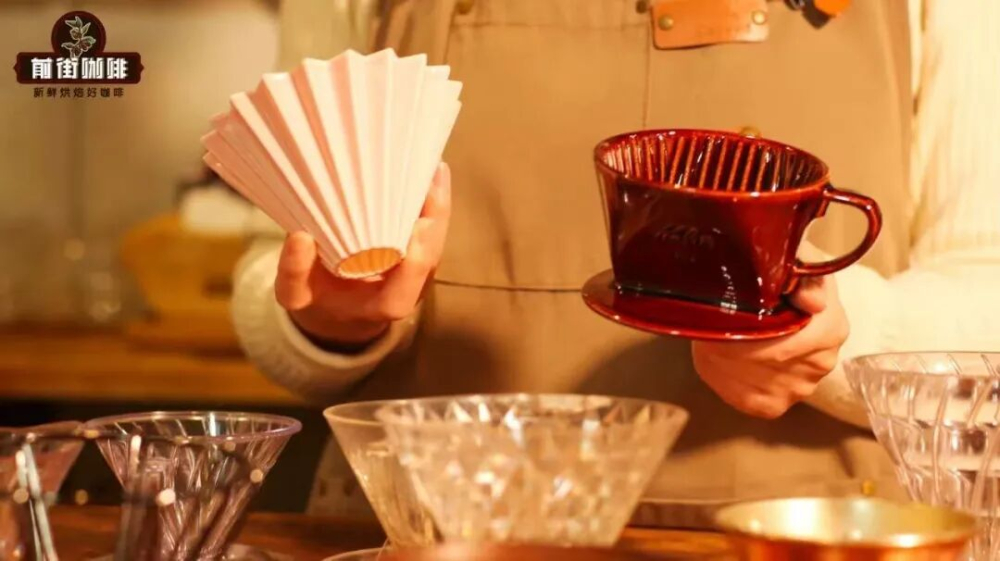
The playfulness of pour over is equally appealing. From filter cone designs (like V60 or fan-shaped cones that affect flow rate) to pouring methods (such as three-pour, pulse pour, or stirring techniques), each combination can create a unique flavor experience: fine grind with slow pouring may enhance sweetness, while fast, high-volume pouring can highlight bright acidity. The choice of filter paper material also affects the balance between cleanliness and body.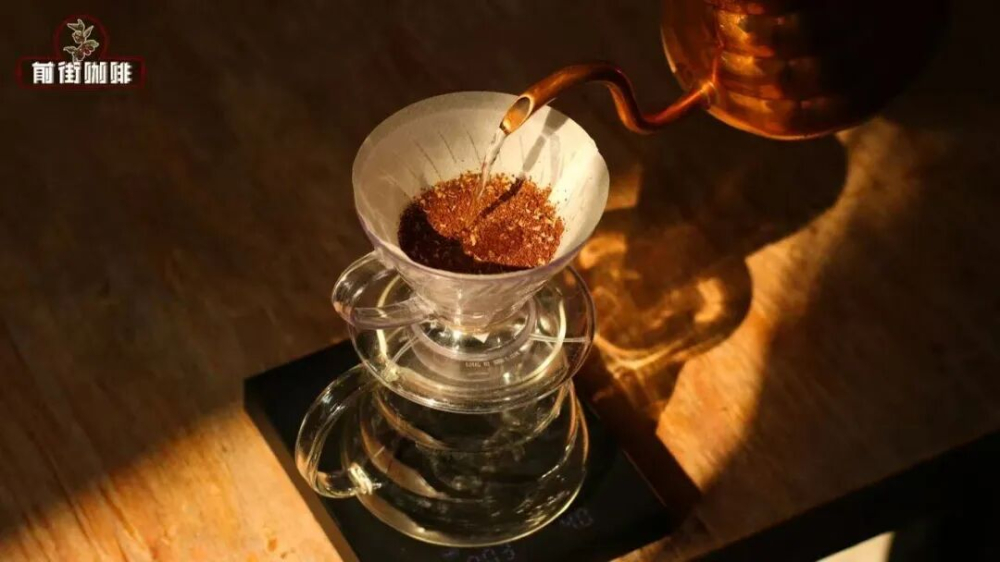
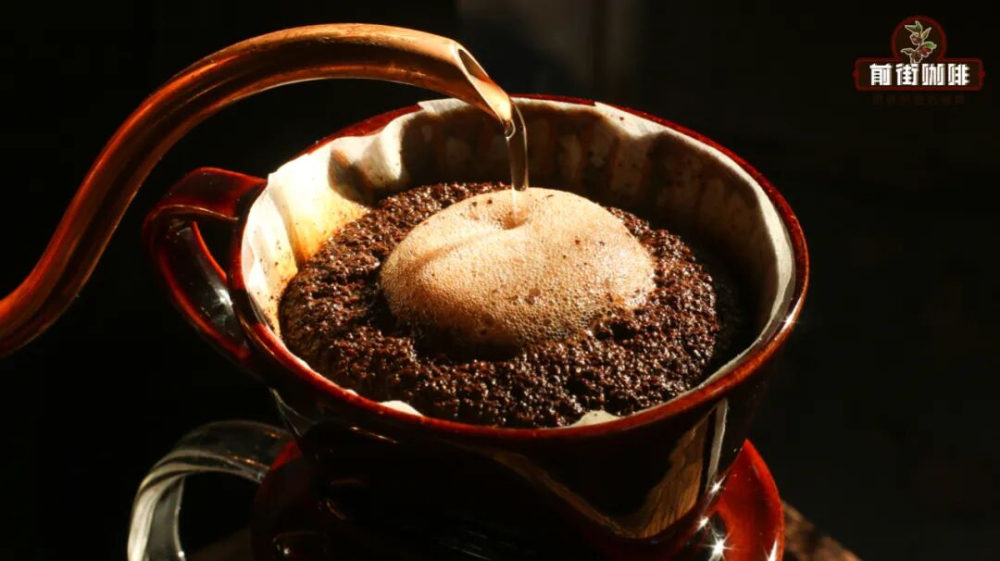
Finally, thevisual experienceshould not be overlooked. During pour over, the barista’s focused pouring posture, the spiral trajectory of the water flow, the "hamburger bun"-like swelling of coffee grounds during blooming, and the indentation left in the coffee bed after dripping — all provide customers with an immersive sensory experience. These details collectively make pour over coffee irreplaceable in professional settings.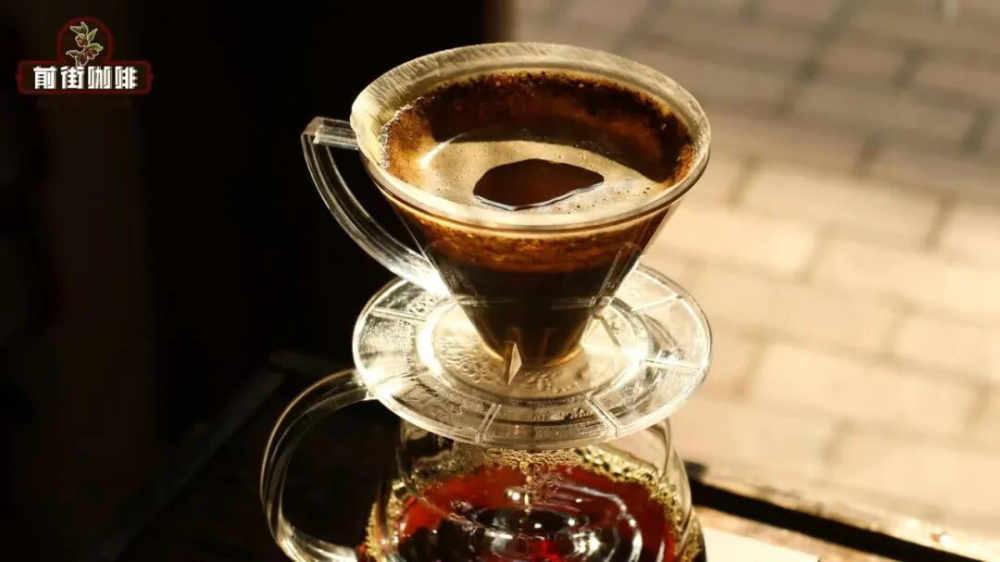
Considering overall flavor performance, operational efficiency, learning curve, and aesthetic value, pour over coffee is undoubtedly the best choice for specialty coffee shops to present single-origin beans — of course, this does not deny the unique charm of other brewing methods, but each has its emphasis in different scenarios.
The above content is compiled by CoffeeHunters, a coffee news website.


