







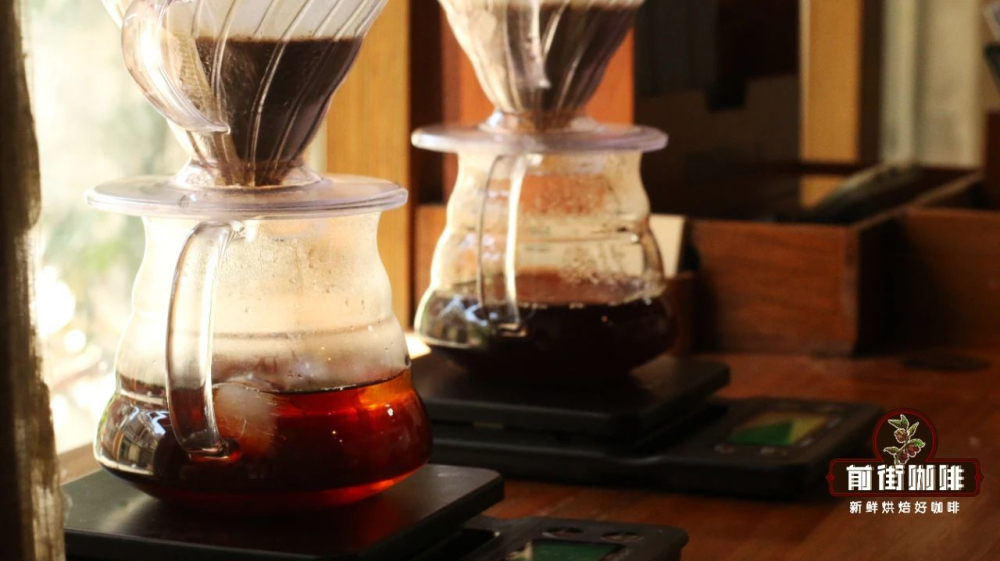
Introduction:One of the key factors in pour over coffee is water temperature control, but many beginners often mistakenly believe that water temperature is the only determinant of extraction quality. In reality, while water temperature does affect flavor release, different roast levels of beans each have their own optimal water temperature ranges. This article will guide you through common water temperature recommendations, common misconceptions, and an analysis of the principles and practice of variable temperature brewing to help you precisely master the critical parameters of pour over coffee.
Many people think that water temperature is the most important factor affecting pour over coffee extraction, but in fact, although it is important, it is not the only key factor.Water temperature primarily affects the rate at which soluble substances are released.The higher the temperature, the faster the extraction, but it also tends to extract more bitter compounds, so choosing an appropriate water temperature range is especially important.
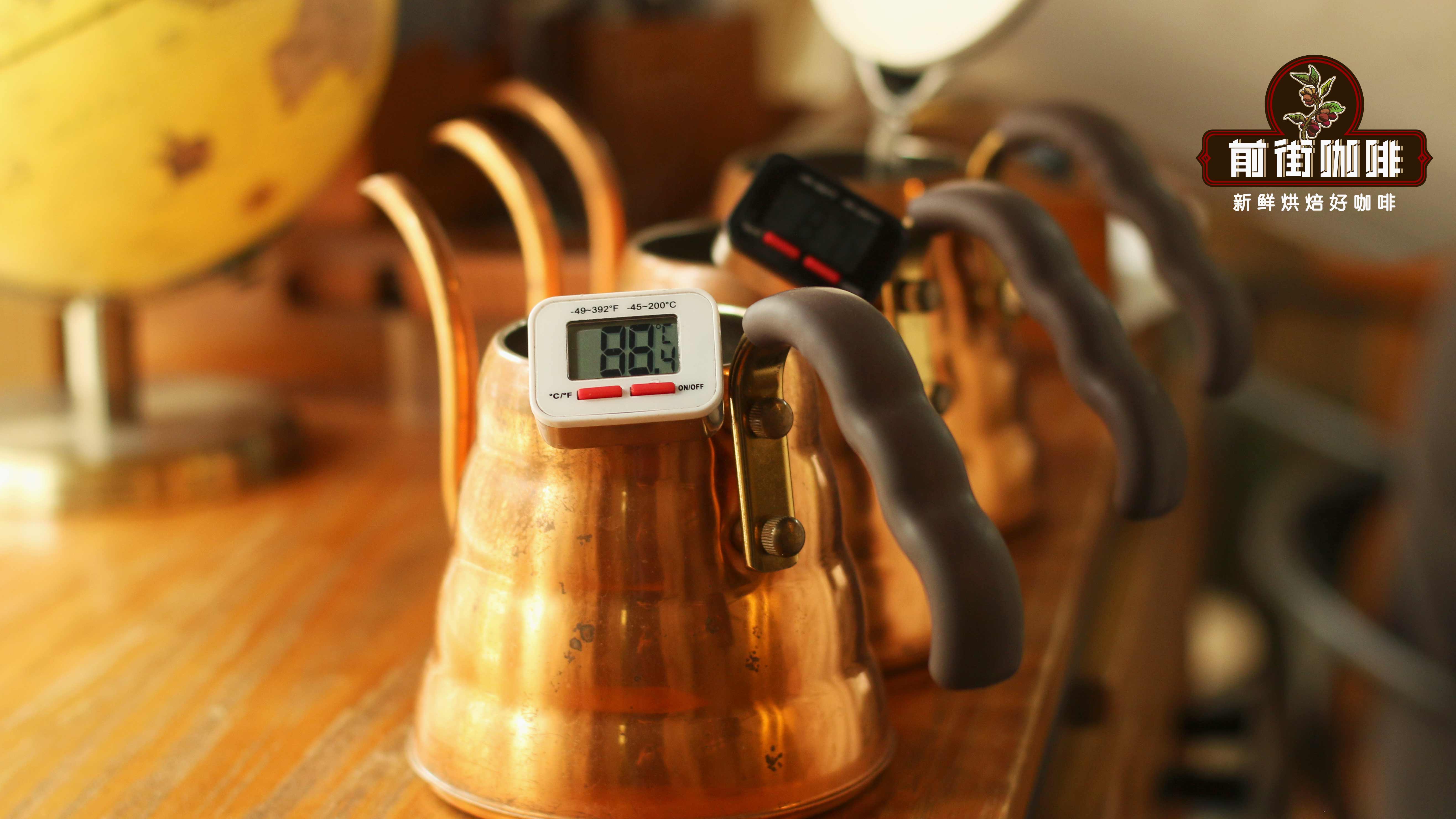
Generally speaking, for most commercially available coffee beans,it is recommended to use water at 86 to 93°C for pour over brewing.If you prefer high-altitude, medium to light roasted beans—such as Ethiopia Huila Guji, Panama Geisha, or Kenya AA—you can try using water at 91 to 93°C. For darker roasted beans, such as Golden Mandheling, Blue Mountain No.1, or Brazil Queen’s Estate, it is recommended to lower the temperature to 86 to 88°C to avoid over-extraction that leads to bitterness.
If your brewed coffee shows both noticeable acidity and bitterness,90°C is a relatively safe and balanced choice.It helps avoid over-extraction or under-extraction issues.
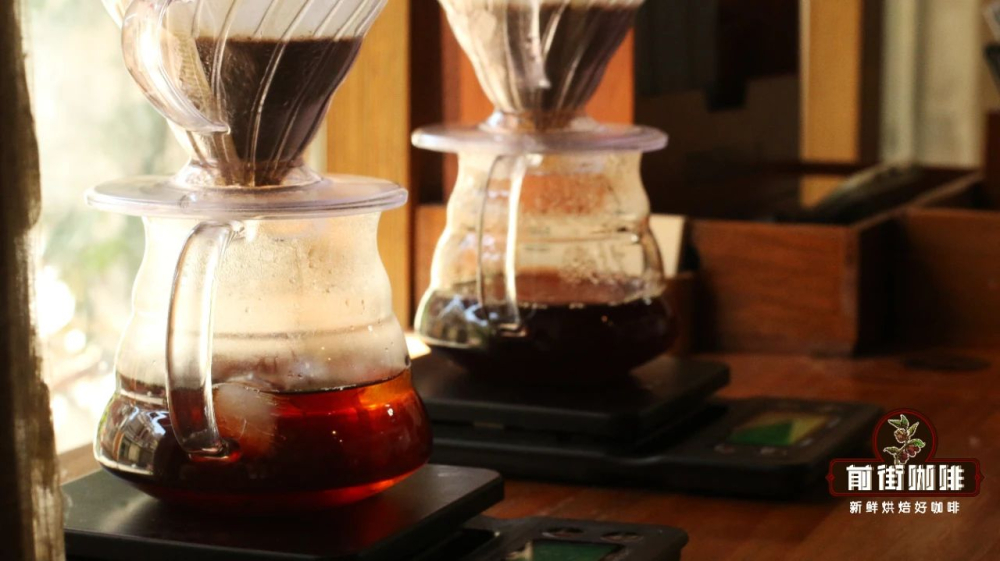
However, many coffee beginners tend to fall into a misconception:that even a 1°C difference in water temperature will lead to drastically different flavors.For example, a customer followed the recommendation to brew Sidama coffee beans at 91°C, but found the aroma lacking and the bitterness pronounced. They then adjusted the temperature downward on their own, but saw no improvement. Upon inquiry, it turned out the real issue was overly fine grind size, not the water temperature itself.
In reality, according to experiments,the flavor differences between coffee brewed at 91°C and 93°C are actually quite minimal.Unless you deliberately conduct an A/B test comparison, it’s hard to notice any significant difference. Therefore, as long as the water temperature is not extremely off from the suggested ranges and the coffee performance is abnormal, it’s advisable to first check other variables, such as grind size, brew ratio, or brewing technique.
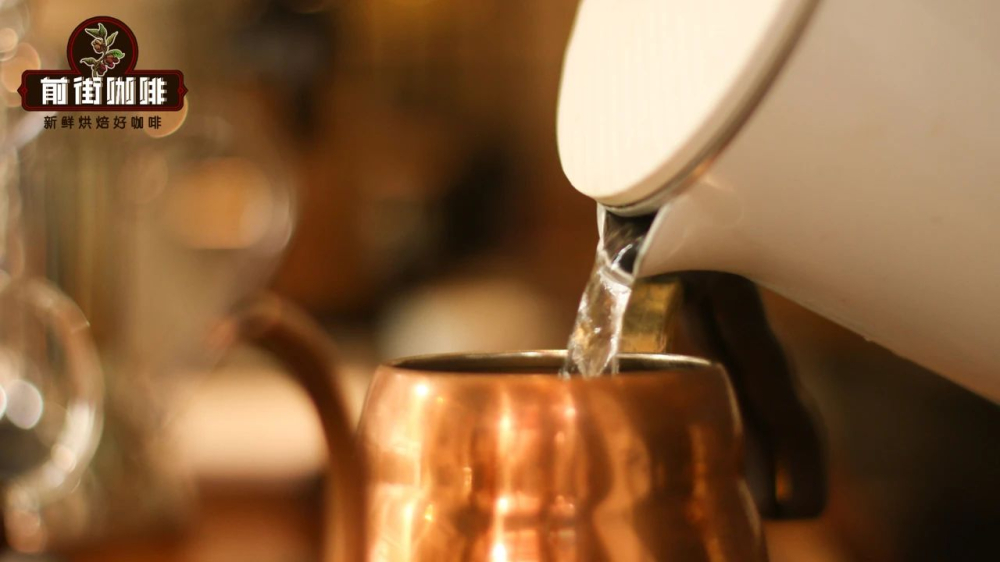
In recent years, in domestic and international coffee competitions, more and more competitors have adopted the "variable temperature brewing" method—adjusting water temperature during the brew process to achieve a richer and more balanced flavor profile. What’s so special about this technique?
In fact, variable temperature brewing isn’t a new concept. Many years ago, Mr. Wu Zelin proposed what he called the "Three-Temperature Brewing Method," one of the early practices of variable temperature techniques. This method uses 16 grams of coffee grounds, with a total water volume of 240 milliliters, divided into four pours: 40, 80, 80, and 40 milliliters respectively. The first two pours use 94°C high water temperature, the third is reduced to 90°C, and the final pour goes down to 80°C. This stepwise temperature change controls the pace of extraction.
Similarly, in the 2021 World Barista Championship (WBrC) champion Matt Winton’s competition strategy, he also used variable temperature brewing. He started with 20 grams of coffee grounds and a total water volume of 300 milliliters, divided into five pours: 60, 80, 60, 60, and 40 milliliters. The first three pours maintained 93°C, and the last two were reduced to 88°C.
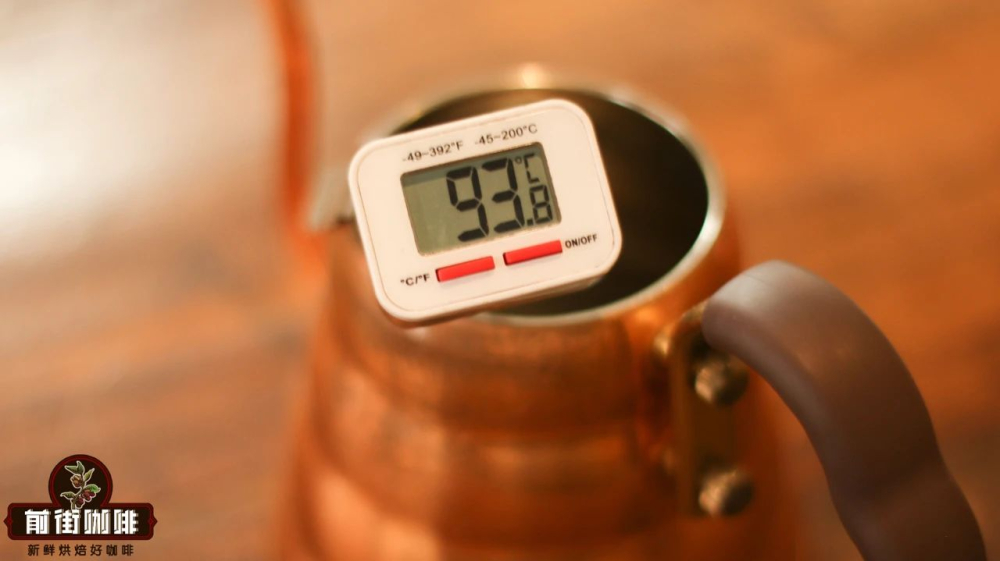
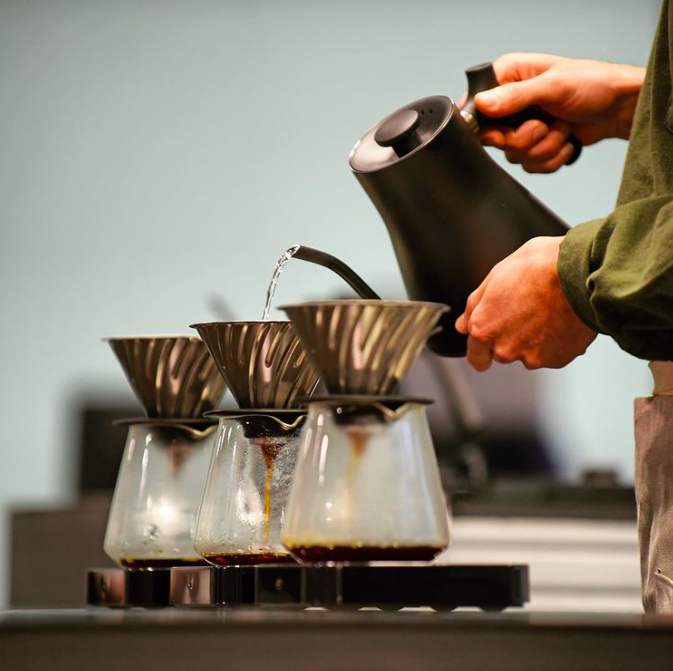
Observing these variable temperature strategies, we can identify a commonality:The first two-thirds of the pouring stages use higher water temperatures, while the latter stages switch to lower temperatures.This approach aims to first enhance the extraction of acidic and sweet compounds, then suppress the over-extraction of bitter substances. Based on this principle, we also conducted practical tests using similar methods to compare the differences between variable and constant temperature brewing.
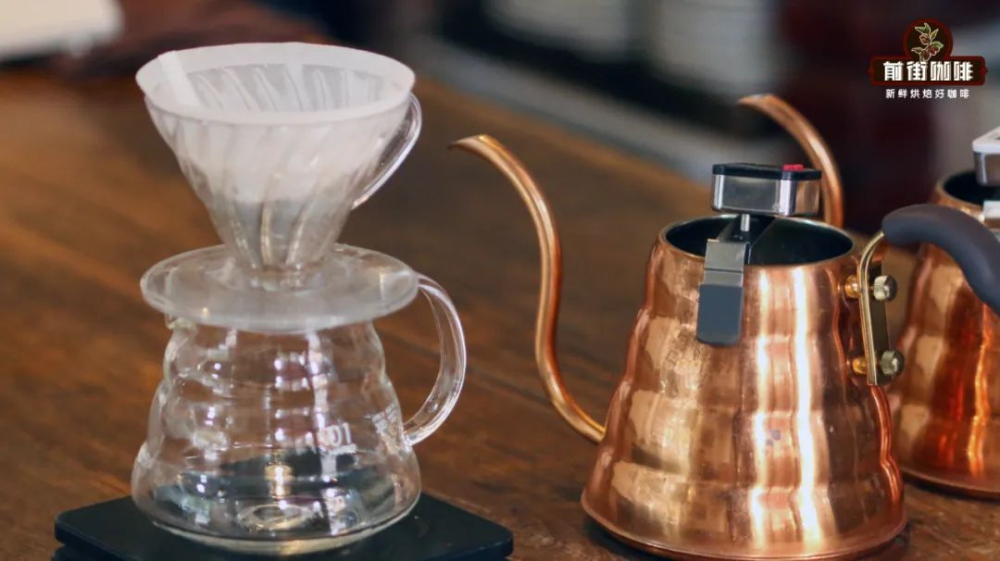
The experimental setup was as follows: using 15 grams of medium-fine ground (80% passing through a 20-mesh sieve) Panama Geisha Huahuajiang coffee beans, with a total water volume of 240 milliliters, divided into three pours: 30, 120, and 90 milliliters. The variable temperature group used 94°C for the first two pours and dropped to 88°C for the final pour; the constant temperature group used 91°C throughout, which is also one of the standard parameters commonly used by many baristas.
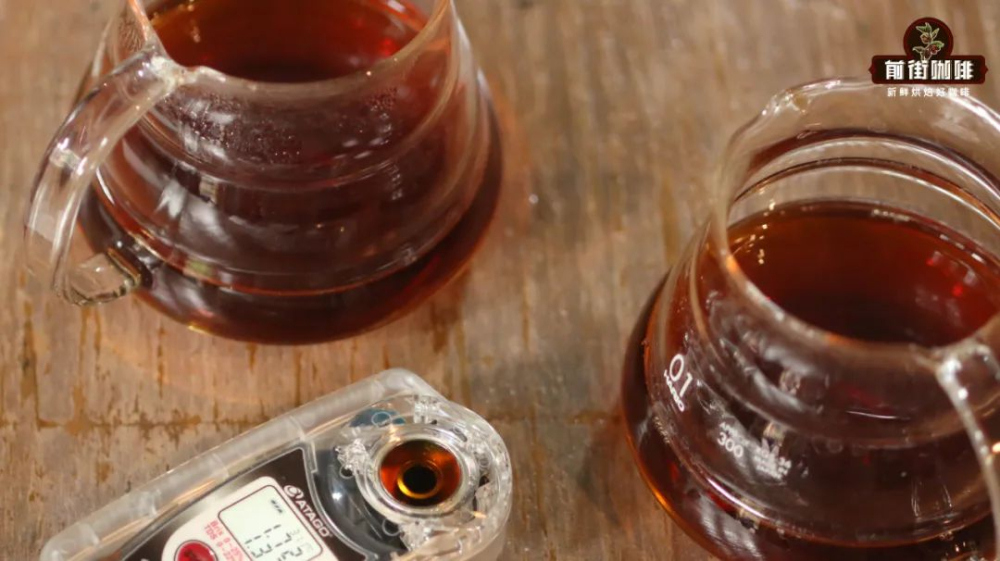
To ensure a fair comparison, we also measured the coffee concentration of both groups. The results showed that the variable temperature group had a concentration of 1.34%, and the constant temperature group had 1.31%. Both extraction rates were similar, making them suitable for flavor comparison.
In terms of flavor profile, the constant temperature group presented a soft main note of berries and honey, with an oolong tea-like aftertaste. The overall mouthfeel was smooth and balanced. The variable temperature group, on the other hand, showcased a more pronounced fruity acidity and sweetness, with brighter acidity, though the honey sweetness was relatively more restrained, and the aftertaste leaned towards a green tea flavor. The overall flavor profile was more distinct.
To understand these differences, we can start with two key points: First, so-called "constant temperature" is actually just the starting water temperature. As the pouring time extends, the water temperature in the kettle naturally gradually decreases. For example, starting at 91°C, after one minute and twenty seconds, the temperature may drop to around 89.5 to 90°C.
Second,high water temperature helps extract more acidic and sweet compounds, but it also tends to release more bitterness.And the order in which coffee flavor compounds are extracted is generally acid → sweet → bitter. Therefore, by adjusting the water temperature up or down, you can control the extraction characteristics at different stages, thereby shaping different flavor profiles.
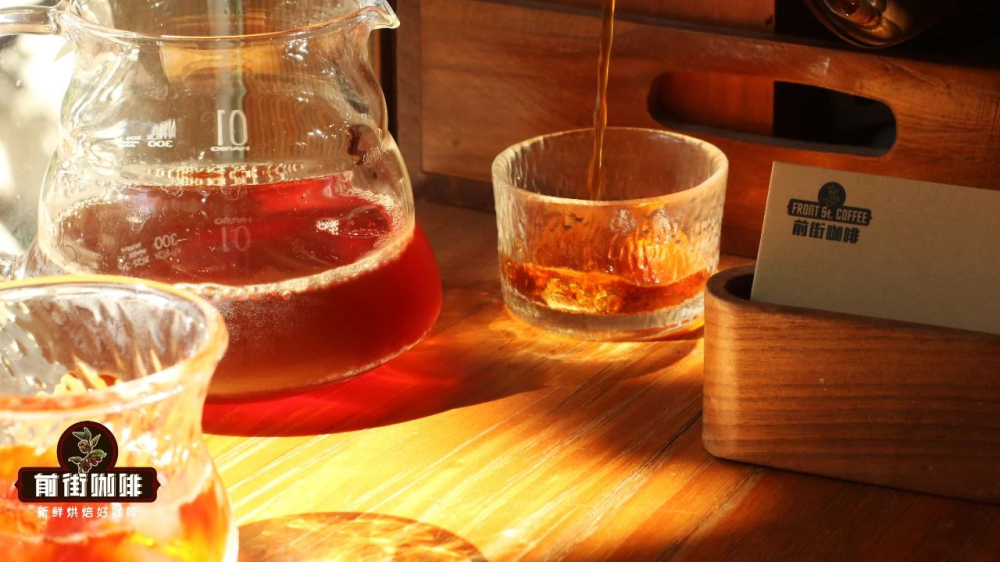
In simple terms, a higher water temperature in the early stage helps enhance the extraction of acidic and sweet flavors, while a lower temperature in the later stage suppresses excessive bitter release, resulting in a more focused and layered drinking experience. The essence of this technique is essentially "artificially creating a temperature differential" to regulate the proportion of substances extracted at different stages.
However, in actual practice, accurately mastering the combination of high and low water temperatures and the ratio of pours requires extensive experimentation and adjustment—it’s not something that can be achieved overnight. Based on the sensory evaluation of this test, although the variable temperature group slightly outperformed in flavor intensity, the overall balance and smoothness were still slightly better in the constant temperature group. Therefore, for beginners, it is recommended to first become familiar with constant temperature brewing before gradually trying variable temperature techniques, in order to more steadily improve the quality of your pour over coffee.
The above content is compiled by CoffeeHunters, a coffee news website.


