








Introduction:Want to brew a clean and bright pour-over single-origin coffee at home, but always struggle with water temperature, grind size, or pouring rhythm? This article delves into the four key elements that influence coffee flavor—grind size, water temperature, coffee-to-water ratio, and pouring technique—and provides practical brewing parameters and steps using Ethiopia Yirgacheffe Guji Dingding washed beans as an example. Whether you're just starting out or aiming to improve your brewing consistency, you’ll find ways to optimize your process here.
What is Pour-Over Coffee?
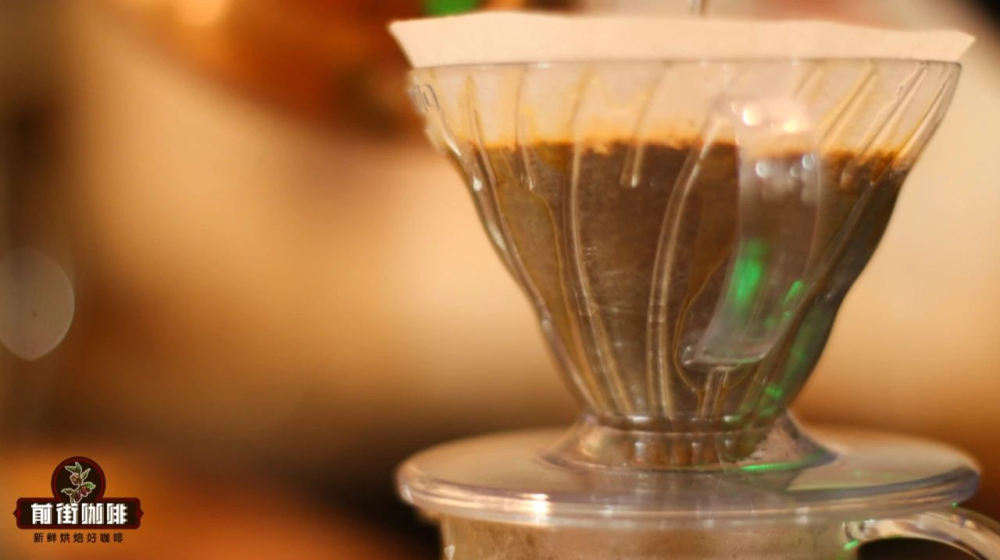
Pour-over coffee is a method where ground coffee is placed in a filter holder with a paper filter under standard atmospheric pressure, and hot water is manually poured over it at a specific temperature and volume to extract the coffee. Though seemingly simple, this brewing technique places high demands on water temperature control, grind fineness, pouring technique, and timing—all of which significantly affect the final flavor profile.
Understanding the Charm of Single-Origin: Region and Flavor Connection
Pour-over coffee typically uses single-origin coffee beans (i.e., single-origin beans), which can be traced back to specific farms or regions and exhibit unique regional flavor characteristics.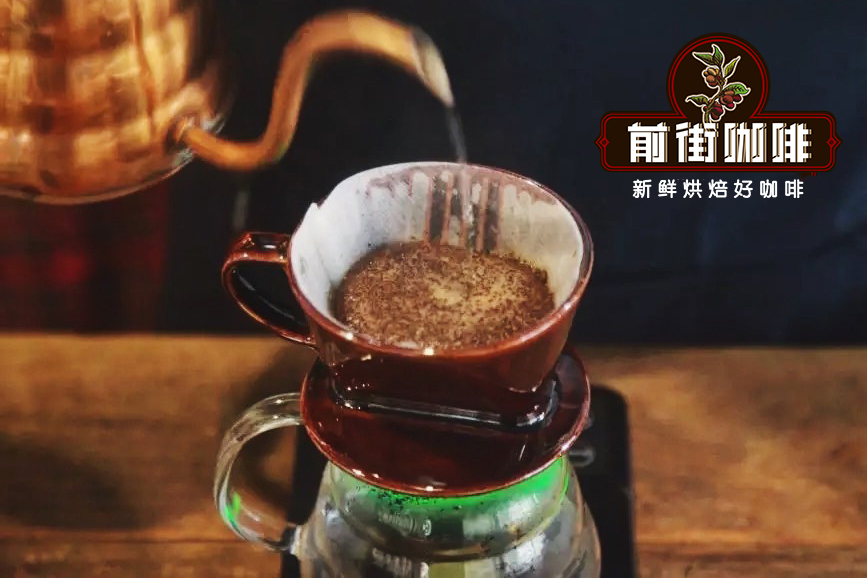 The world’s premium coffee-growing regions are mainly concentrated in Asia, Africa, and Latin America. Due to differences in altitude and climate, beans from each area have distinct flavor profiles: Asian beans (such as Mandheling) often have herbal and spicy notes with a heavier body; African beans (such as Guji Dingding) are known for their bright citrus acidity and vibrant fruitiness; Latin American beans fall between the two, with prominent nutty and cocoa flavors and good balance.
How Do the Four Key Parameters Influence Flavor?
To achieve an ideal flavor, the following elements must be precisely controlled:
1. Grind Fineness: Uneven grinding or too much fine powder can lead to over-extraction or channeling.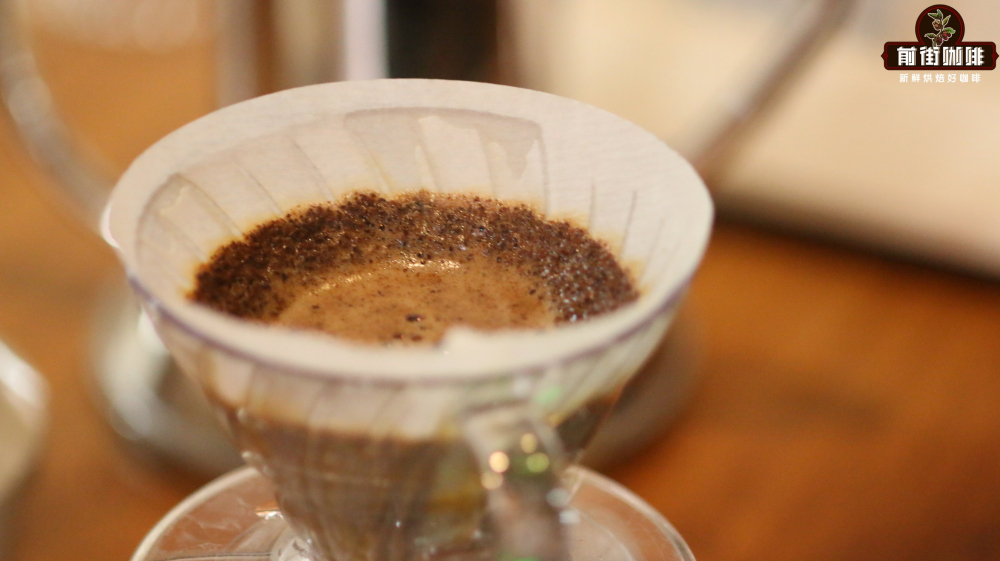 It is recommended to use a Chinese Standard No. 20 sieve for testing, aiming for about 80% passing rate (approximately equivalent to the SCAA cupping standard of 70–75% passing rate). For light roasts, adjust to within this range.
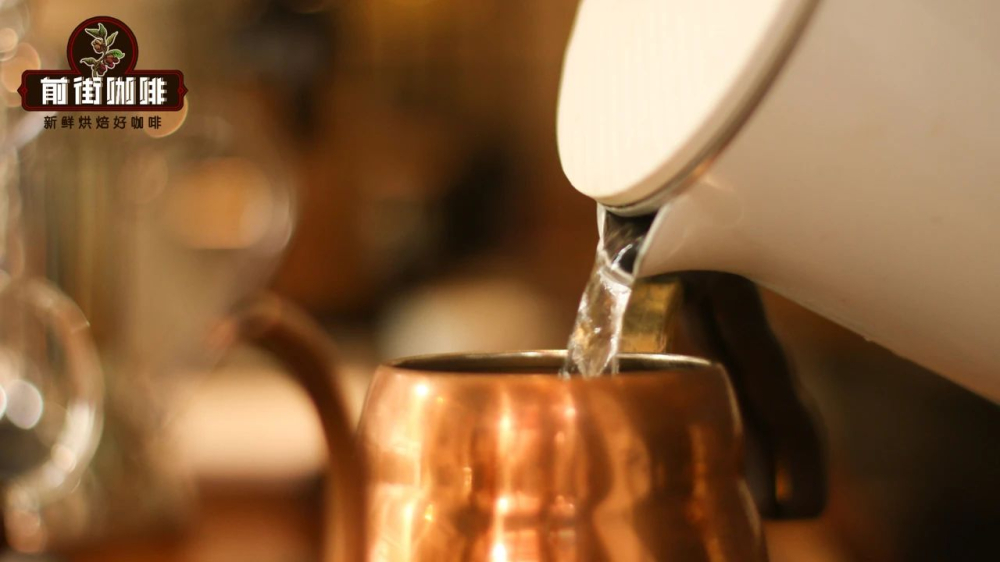
2. Water Temperature Control: The optimal range is 86–93°C,with light roast beans (such as Guji Dingding) suited to 90–91°C, and dark roasts lowered to 88–89°C.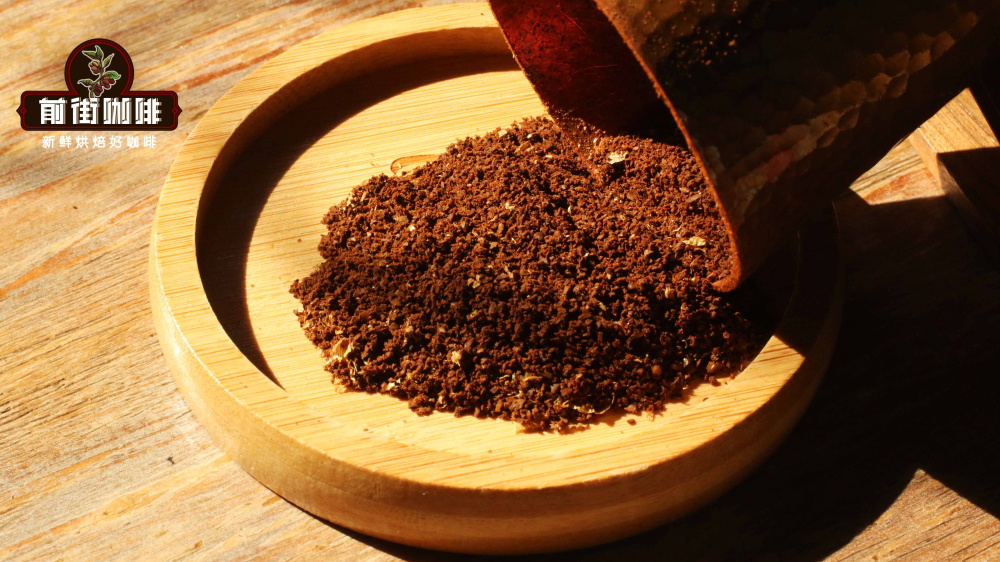 Water that is too hot can extract bitter and astringent compounds, while water that is too cool may result in overly sharp acidity or lack of flavor.
3. Coffee-to-Water Ratio: Common ratios range from 1:10 to 1:16,with 1:15 recommended for balancing concentration and taste.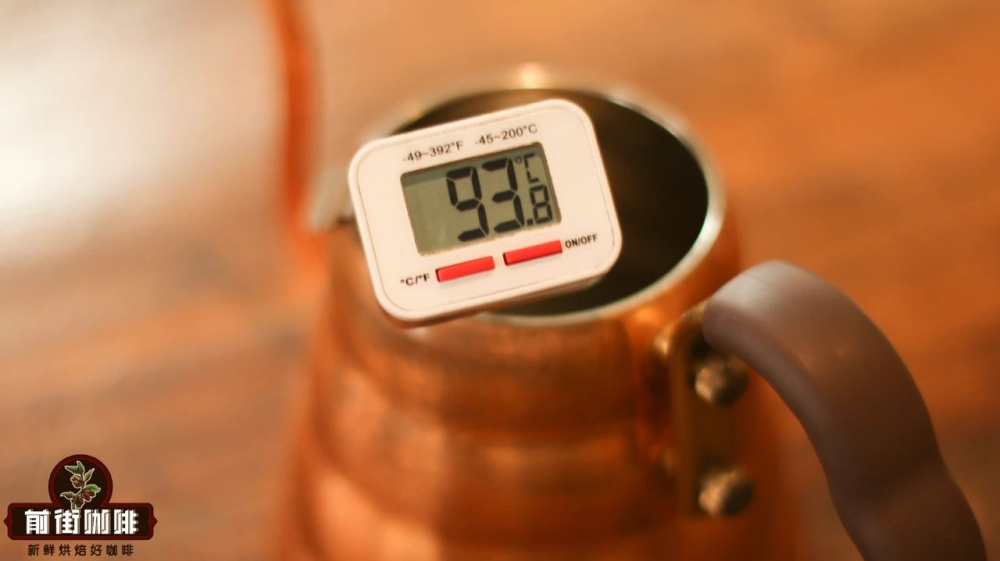 According to the SCA Golden Cup theory, 1:12–1:13.5 is considered strong, 1:14.5–1:15.5 is moderate, and 1:16.5–1:18.5 is on the lighter side.
4. Pouring Technique: The three-pour method is the most beginner-friendly process, clearly highlighting the flavor layers of the early, middle, and late stages.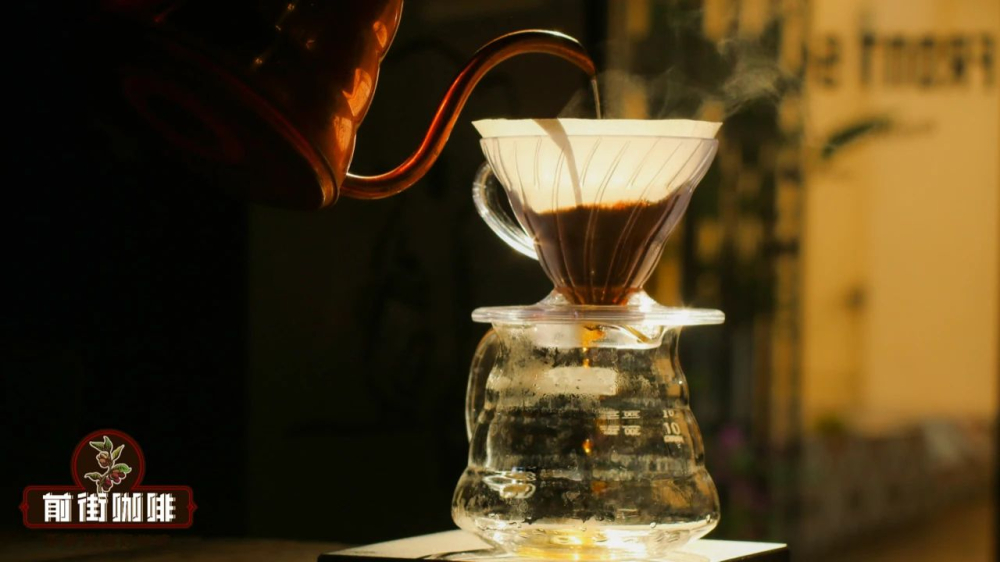
Three-Pour Method Practical Steps
First Pour: Bloom(Key Degassing Step)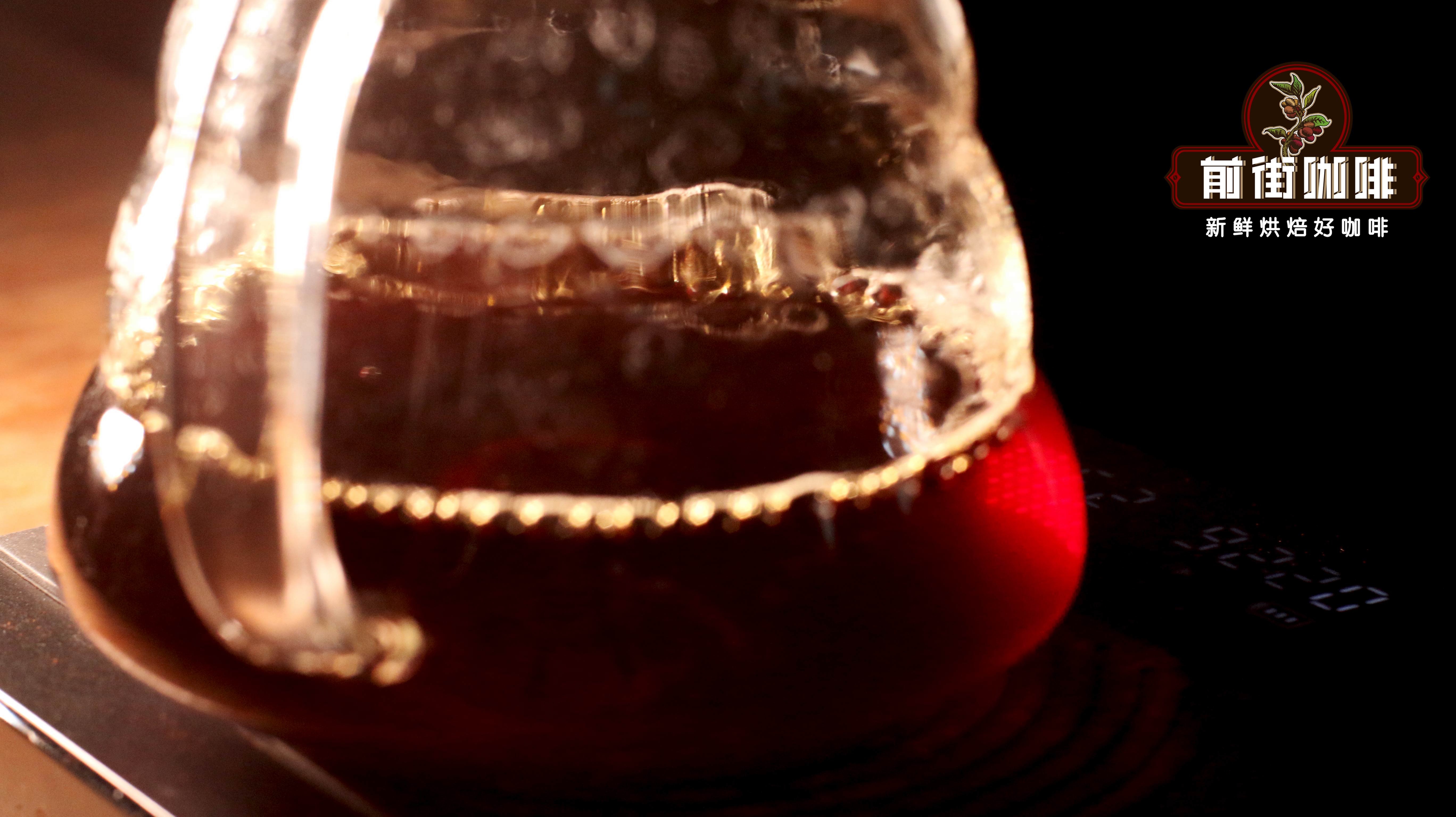 Freshly
Second paragraph: Circular pouring from the center Pour water from the center of the coffee grounds using a small stream, keeping the circular motion within the size of a one-yuan coin. Slowly pour until about 95 grams (total water volume approximately 125 grams), taking around 1 minute. Be careful not to let the water level exceed the height of the coffee bed to avoid over-extraction.
Third paragraph: Bottom layer replenishment When the water level drops to about two-thirds of the coffee bed, continue pouring until reaching 100 grams (total water volume approximately 225 grams), maintaining the same circular pouring technique. Observe the speed of the water level dropping and adjust the pouring rhythm as needed to prevent long pauses that can lead to astringent or off flavors in the final sips.
Brewing complete Control the total time between 2 minutes 00 seconds and 2 minutes 10 seconds. Once all the coffee has dripped through, remove the filter.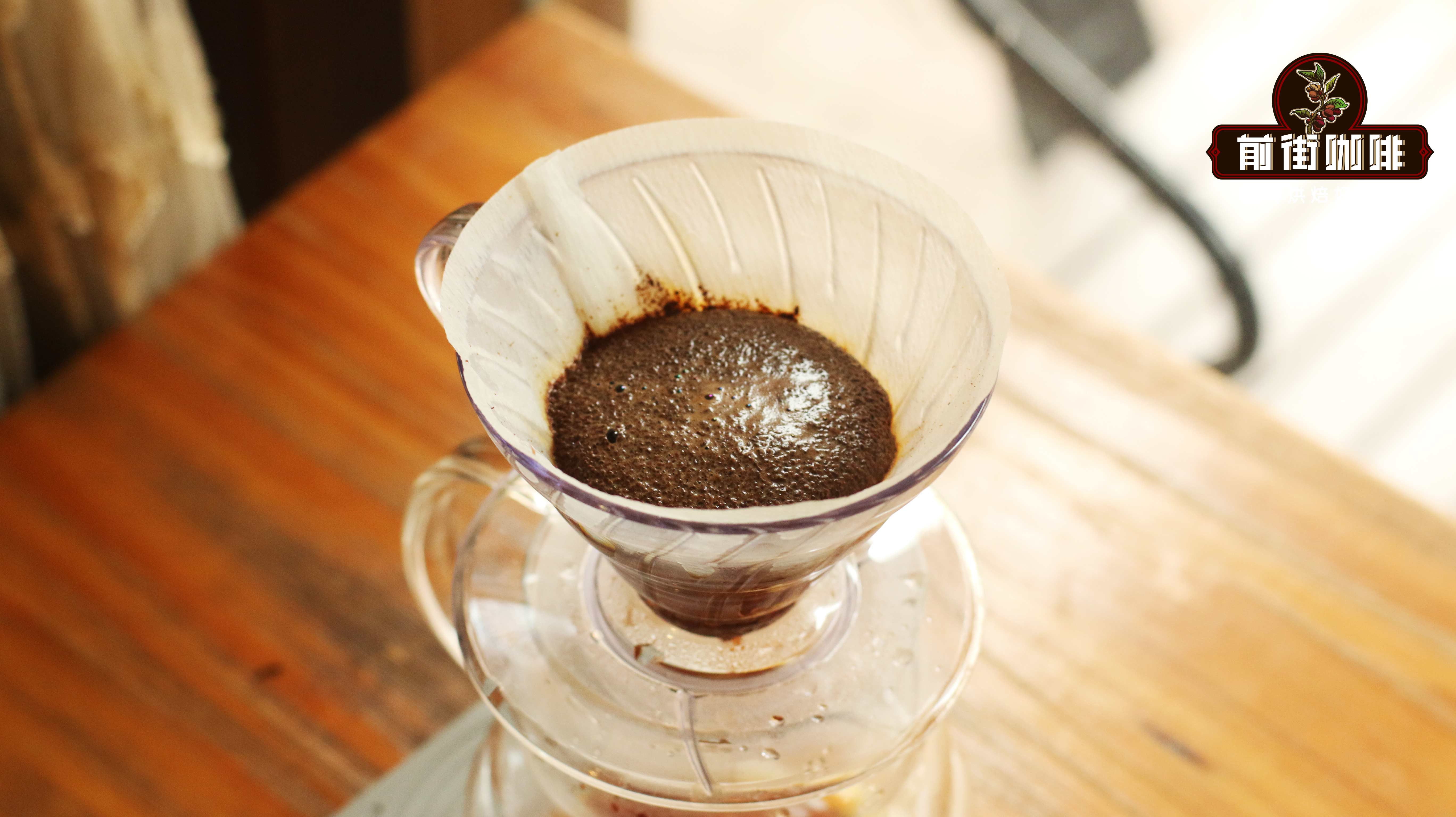
Common issues and how to avoid flavor defects
If the brewed coffee tastes astringent or has off-flavors, possible causes include: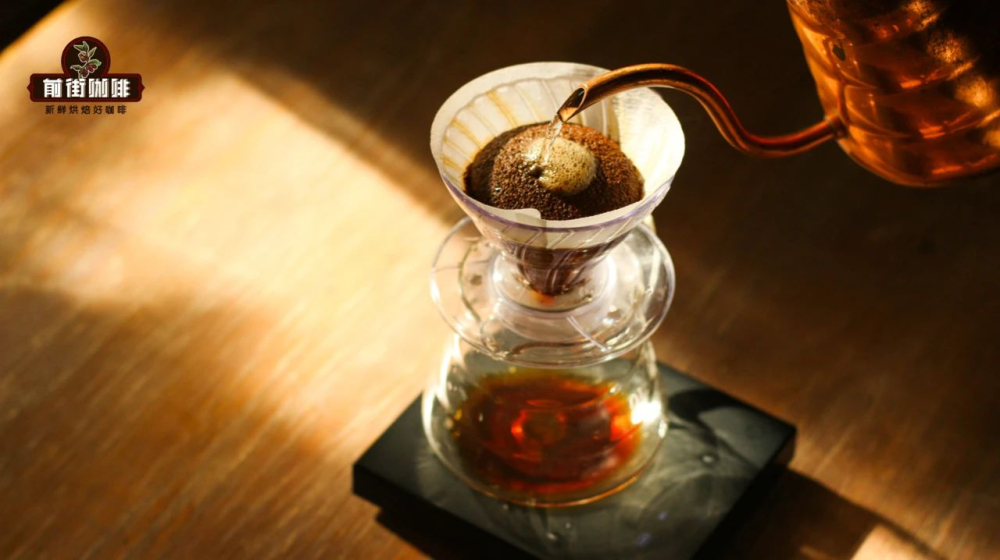 ① Water temperature too high or continuously heated; ② Water temperature too low leading to under-extraction; ③ Water flow too fast or uneven in thickness; ④ Grind too fine resulting in excessive fines; ⑤ Grind too coarse leading to insufficient extraction. Adjusting these parameters can effectively improve flavor balance.
Essential pour over equipment checklist
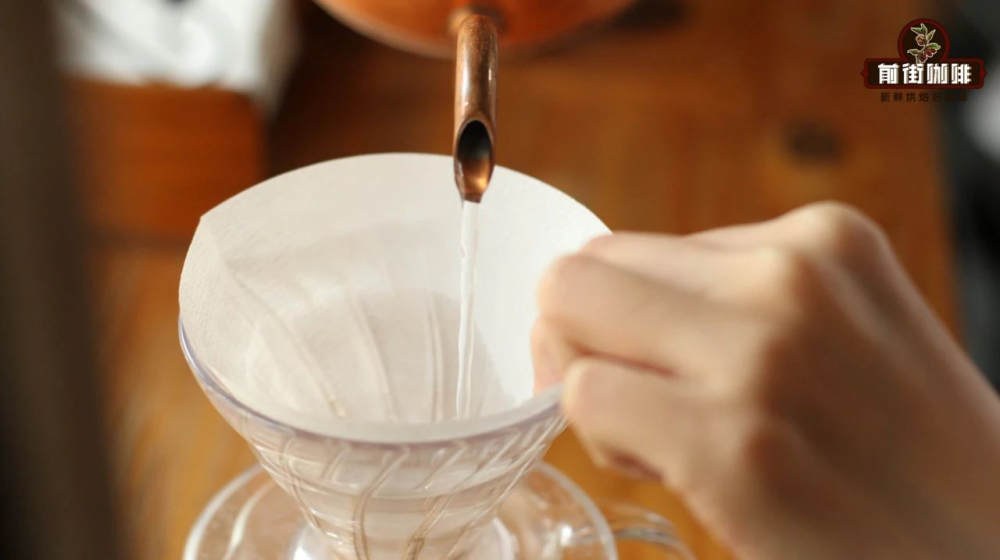
• Pour over kettle: A gooseneck kettle allows for better control of water flow; note that the spout design affects pouring stability.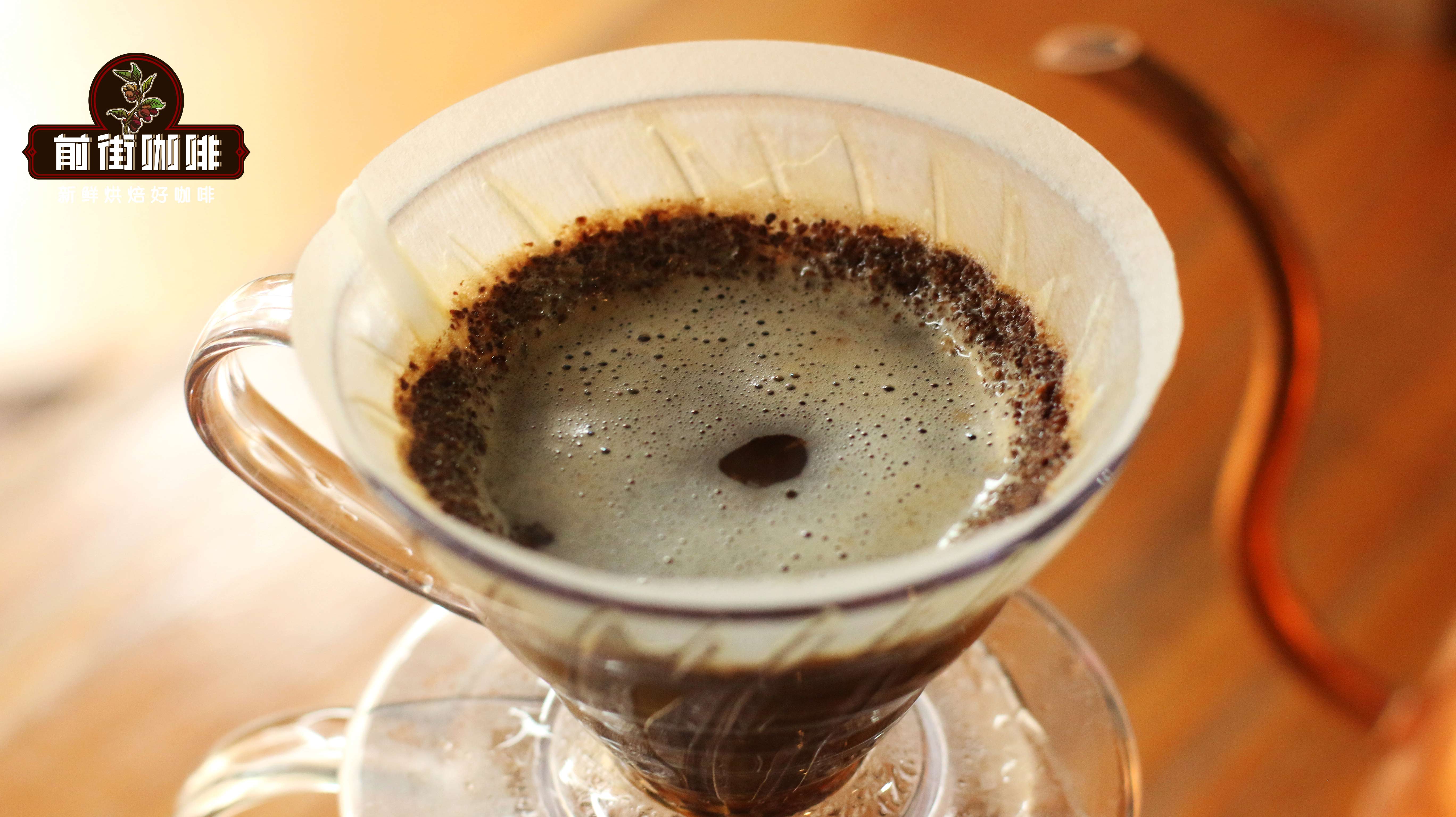
• Filter cone: The V60 conical dripper offers fast flow and bright flavors; fan-shaped drippers yield a fuller body; wave-shaped drippers provide even extraction.
• Filter paper: Choose between bleached or unbleached based on the type of dripper used, and ensure the size matches.
• Grinder: Opt for a grinder with stable burr performance; flat burr, conical burr, or burr-with-teeth designs each impart distinct flavor tendencies.
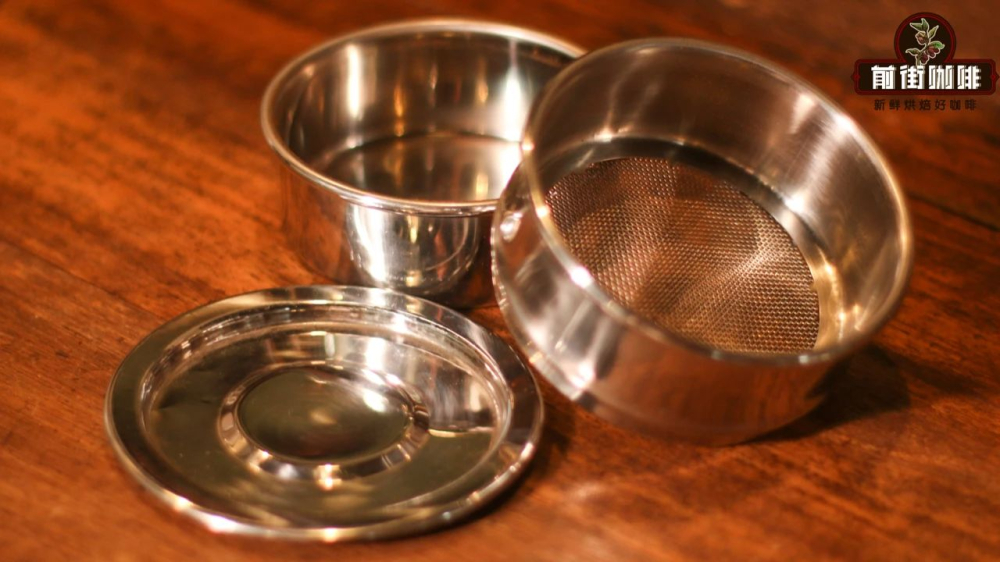
• Accessories: A thermometer, digital scale, and sieve can further enhance brewing precision.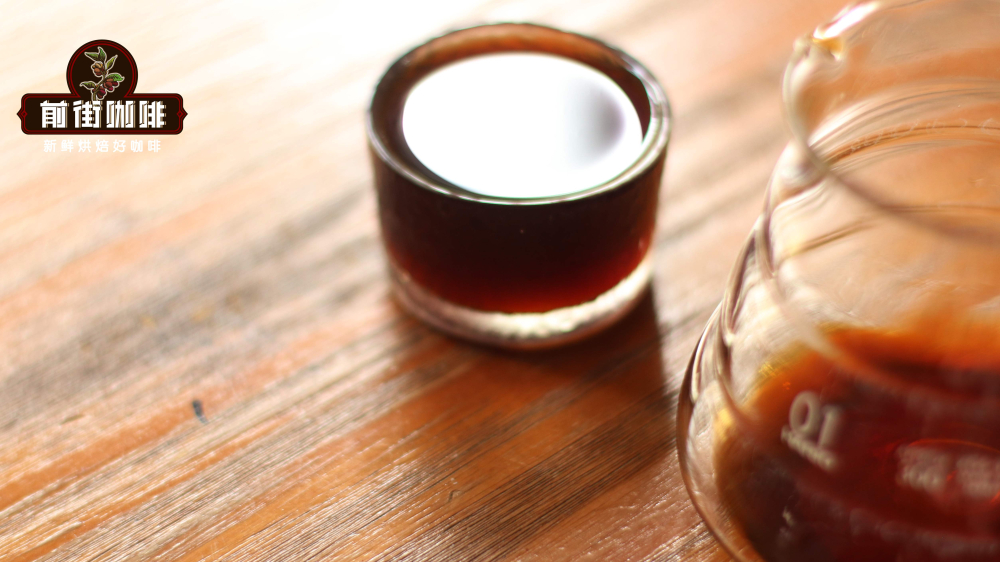
Ethiopian Yirgacheffe Guddina brewing parameter example
Region: Yirgacheffe | Altitude: 1900–2300 meters | Processing method: Washed | Variety: Heirloom | Flavor notes: Citrus, black tea, cream, berries, honey
Equipment used: V60 #01 dripper | Grind size: BG 6M (medium-fine, approximately 80% through a #20 mesh sieve)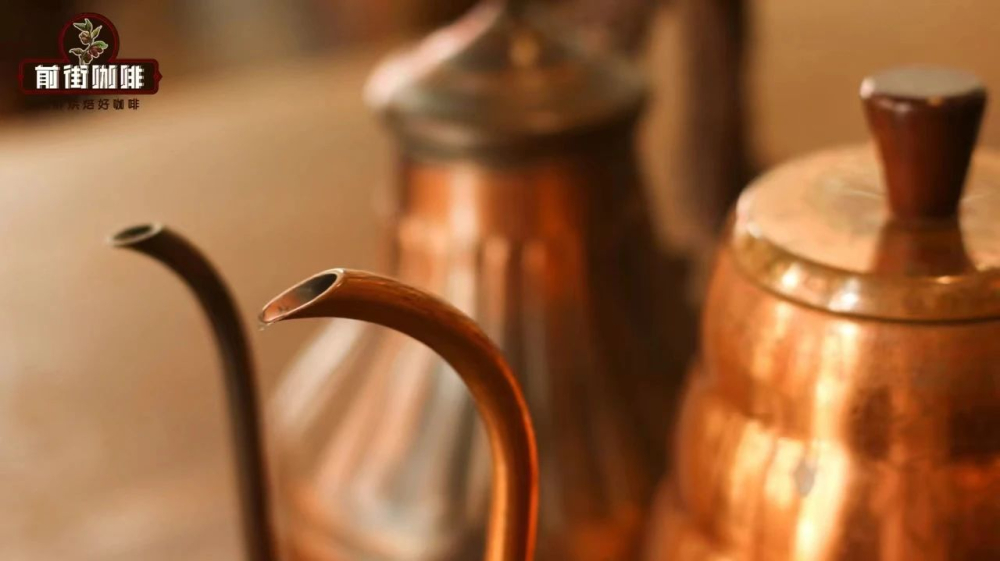
Specific parameters: Coffee dose 15 grams | Water temperature 90–91°C | Coffee-to-water ratio 1:15 (total water volume 225 grams)
Steps: ① Pour 30 grams of water for a 30-second bloom; ② Pour 95 grams of water (total about 125 grams) in about 1 minute; ③ When the water level drops to two-thirds of the coffee bed, pour 100 grams of water (
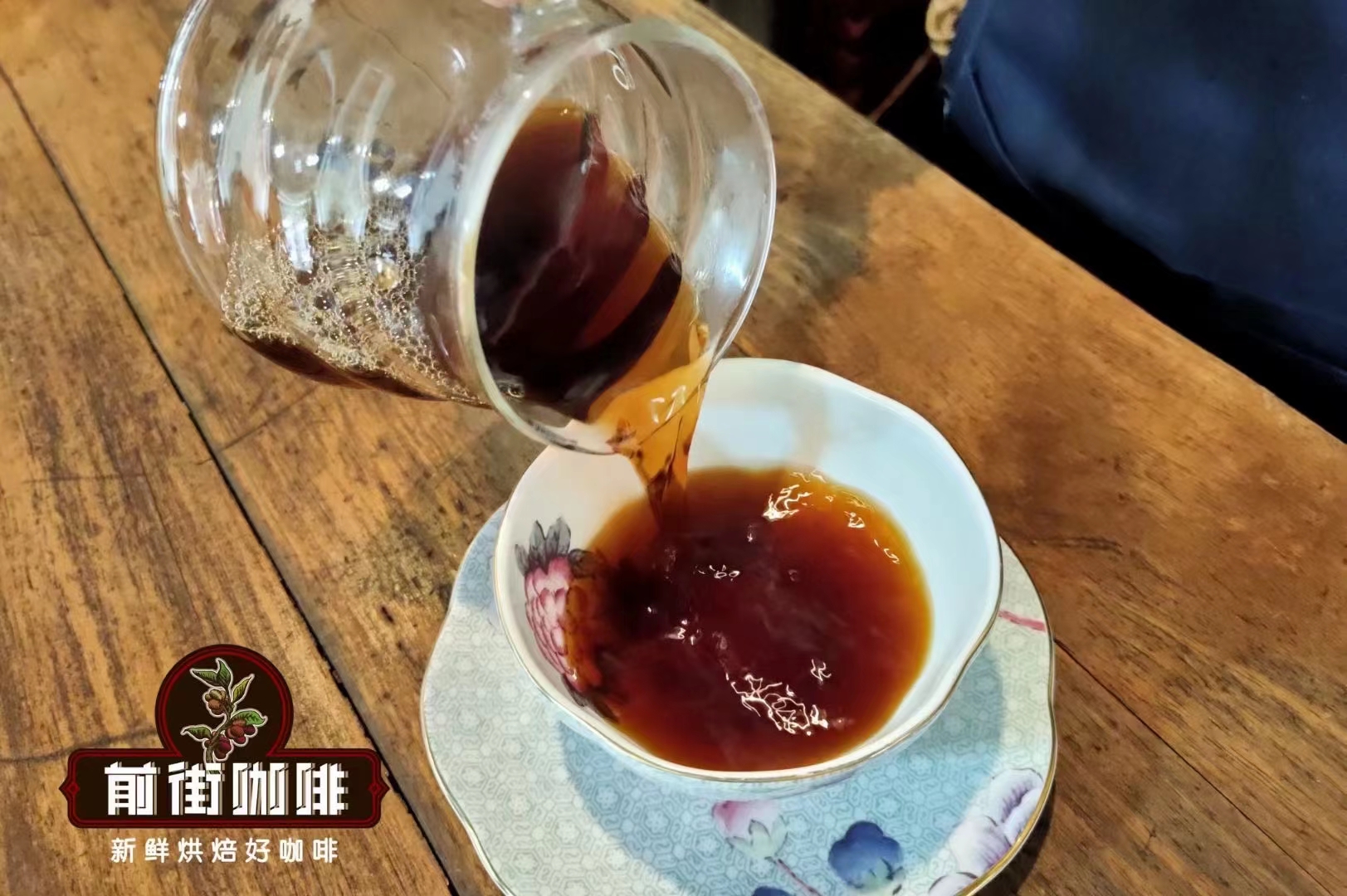
Flavor profile: The cup opens with pronounced citrus and black tea notes, followed by creamy and caramel undertones as it cools slightly. Almond aromas linger persistently, delivering an overall clean and sweet impression.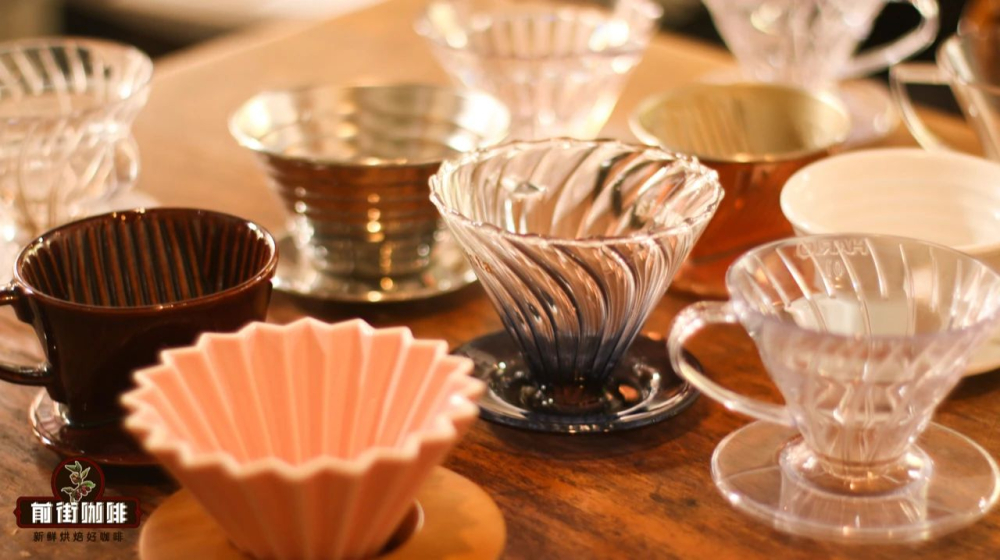

The above content is compiled by CoffeeHunters, a coffee news website.


