







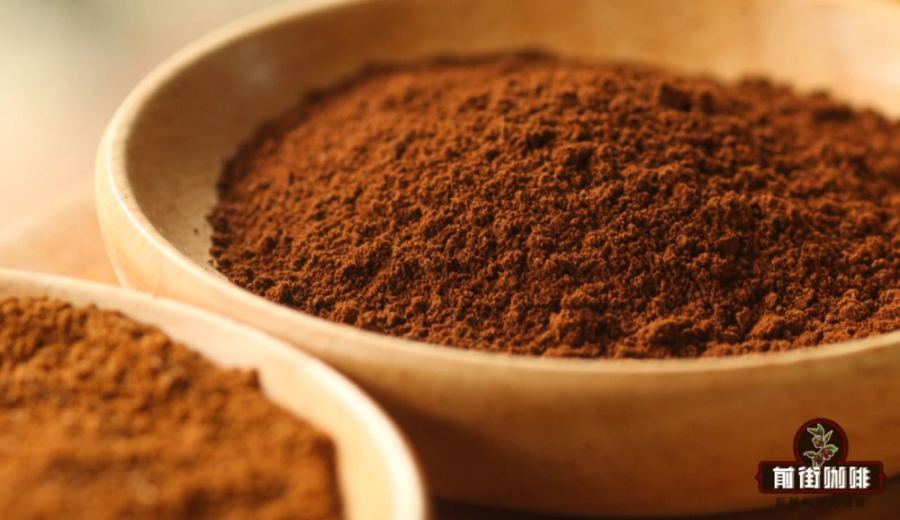
Introduction:Only have superfine coffee grounds meant for espresso, but craving a pour over black coffee? Don’t toss them out just yet. This article puts medium-dark roasted beans to the test using a fine grind (close to espresso standards) for pour over. We break down key parameters such as water temperature, brew ratio, filter choice, and pouring technique—teaching you how to avoid over-extraction bitterness and preserve a rich layered profile. We also compare the taste difference between two brew ratios, helping you flexibly adjust the coffee grounds you already have on hand.
Coffee enthusiasts often ask: What if the beans you bought home accidentally get ground into the superfine powder used for espresso? Can this kind of coffee still be used for pour over? If you directly apply standard pour over parameters, the fine grounds can easily lead to over-extraction and produce sharp bitterness. In fact, by adjusting your brewing strategy, fine-ground coffee can still deliver unique flavors.
This time, we’re using aMandhelingas an example—it’s a bean commonly found in espresso blends, with rich notes of chocolate, caramel, and herbs, closely resembling the flavor profiles of most commercial espresso beans, making it especially relevant for comparison.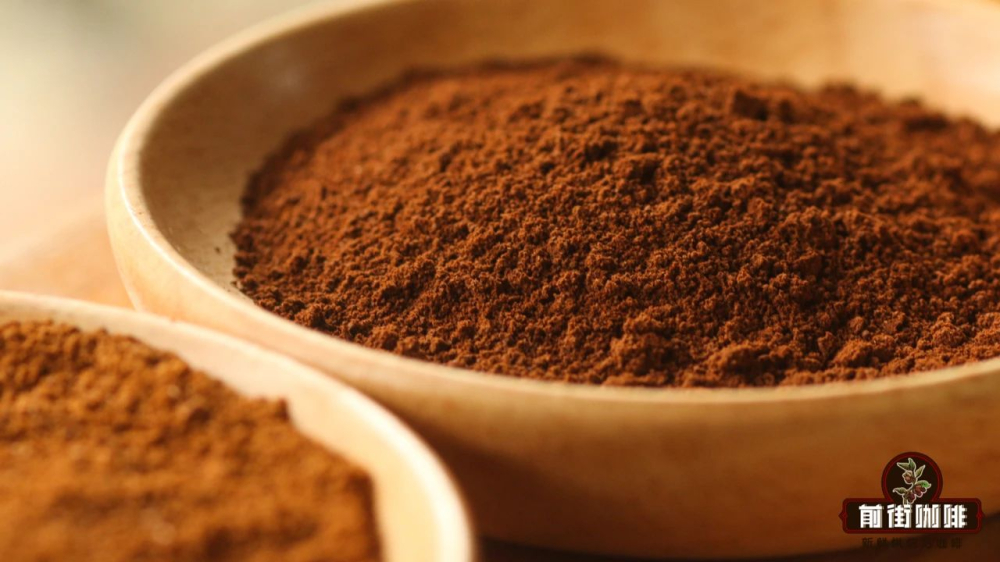
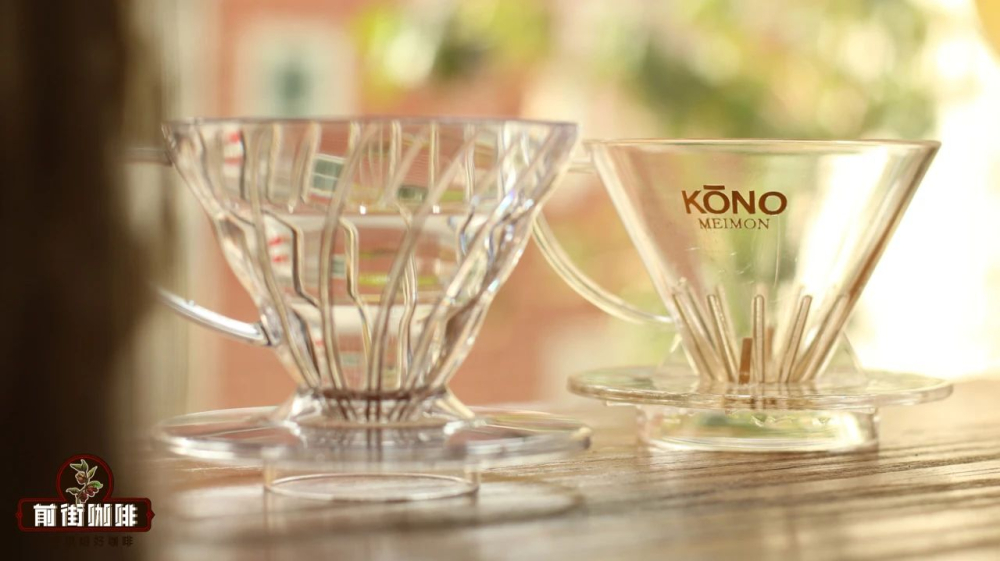
To replicate a common home scenario, we used a shop-grade espresso grinder (Galileo model), setting the grind size to2.5 notches(equivalent to a very fine grind). For the filter, we selectedHario KONO: its ribs only extend halfway up the filter cup, and the design that allows the filter paper to cling tightly to the cup walls after pouring restricts airflow, prolonging the water absorption time of the coffee grounds, thus ensuring a more even extraction—especially effective for medium-dark roasts to showcase a solid mouthfeel.
When using a fine grind with dark roasts,the water temperature is recommended to be controlled at 81–83°C—higher temperatures can accelerate the release of bitter and astringent compounds, so a slightly lower temperature helps balance extraction. As for brew ratio, we recommend1:15(standard concentration) or1:10(high concentration, then diluted with water later). The former offers a more focused flavor in direct extraction, while the latter allows flexible adjustment of strength.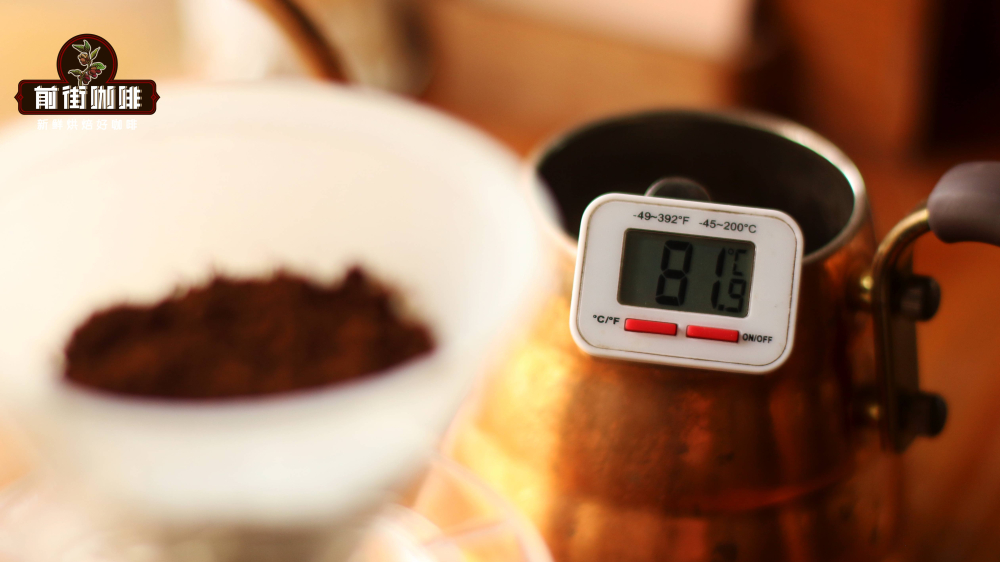
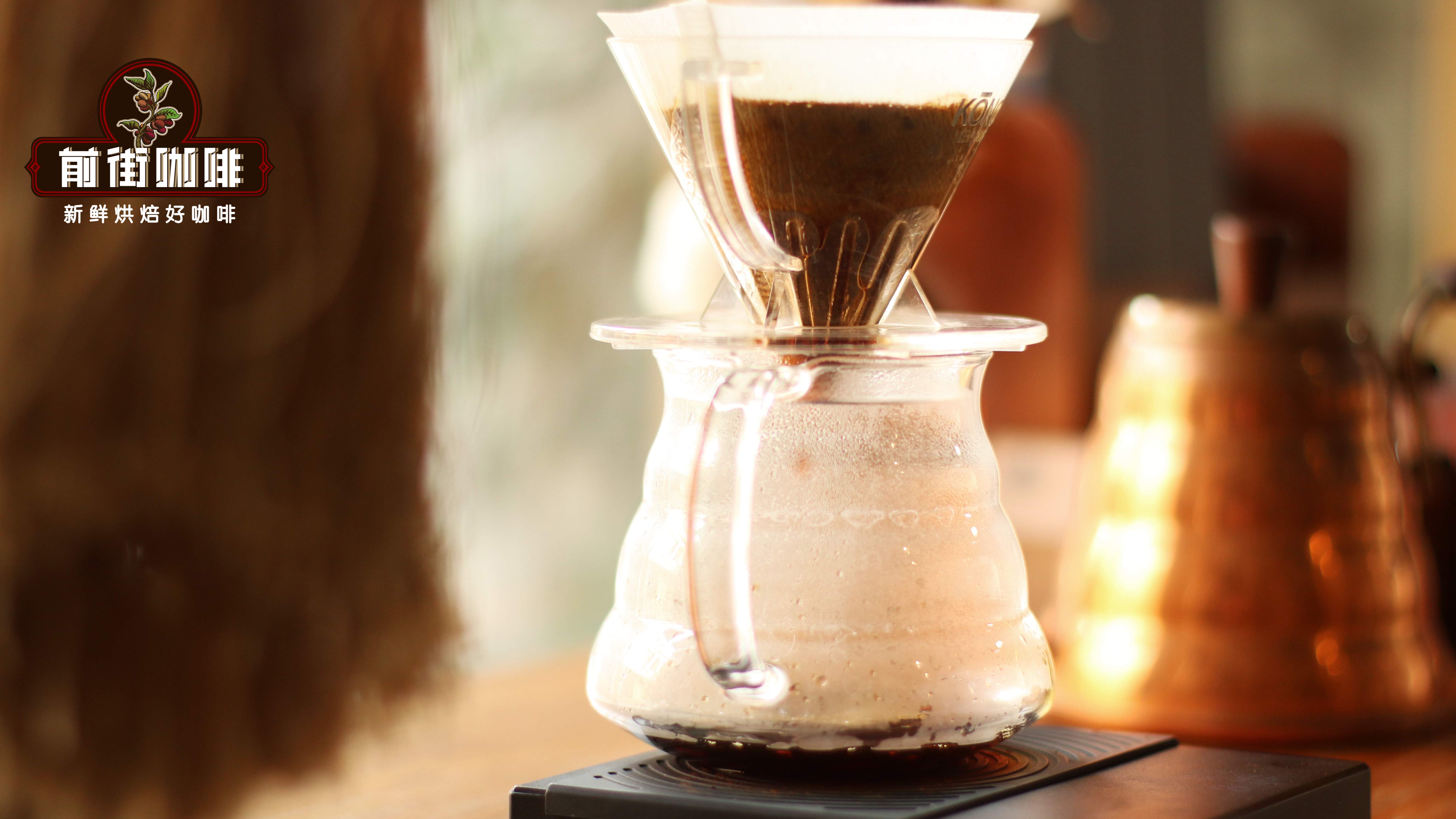
The pouring technique needs special attention: fine grounds are loose in texture, so center-pouring (avoid disturbing the coffee bed) can reduce the risk of over-extraction. During the bloom phase, pour30 grams of water(for 30 seconds) to help release gases, then proceed to pour slowly from the center of the filter. The water flow will cause the coffee bed to roll inward and quickly pass through the bottom holes, which is why the leftover coffee grounds in the filter often show a noticeable indentation.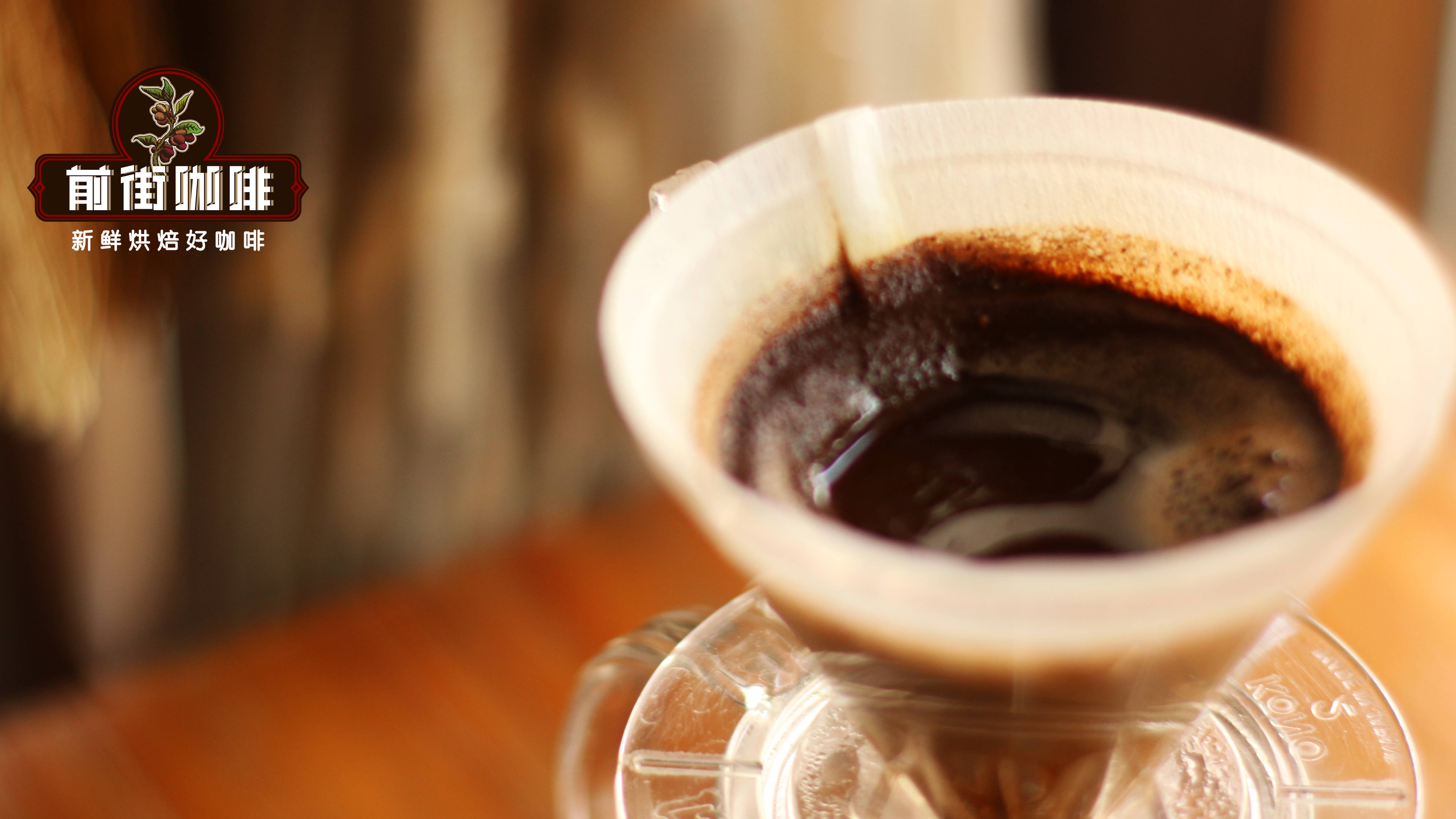
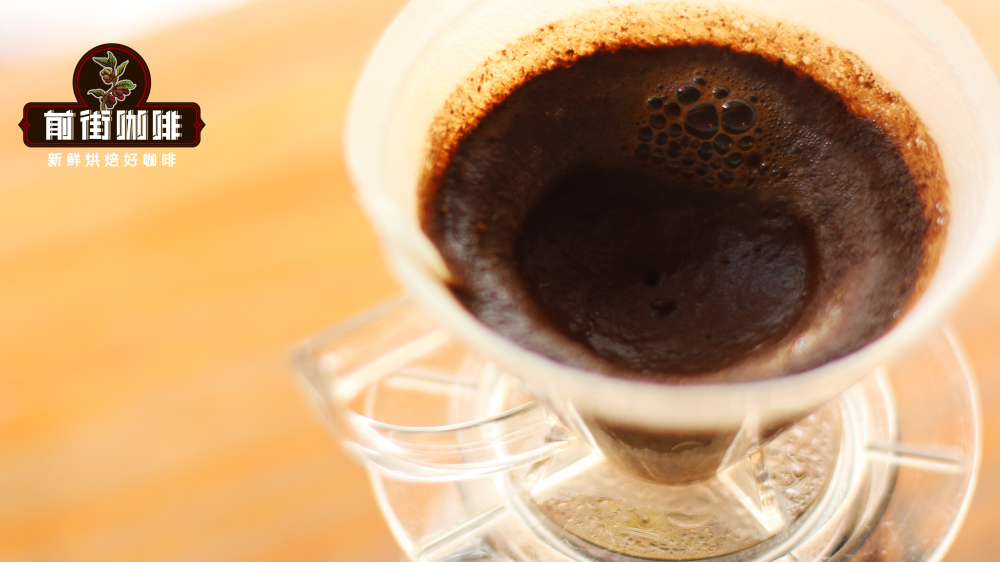
To control the total brew time (recommended1 minute 10 seconds to 1 minute 35 seconds) and avoid over-dissolving the flavor compounds from the fine grounds, we experimented and compared the results of two different brew ratios:
【Brew Ratio 1:15】We poured a total of225 grams of water(after bloom, pouring directly from the center until the target volume was reached), and removed the filter when the water flow dropped to half,with a total brew time of about 1 minute 10 seconds. Flavor profile: bold notes of dark chocolate and roasted hazelnuts stand out, with a caramel-like sweetness lingering in the aftertaste—overall, a rich and full-bodied cup.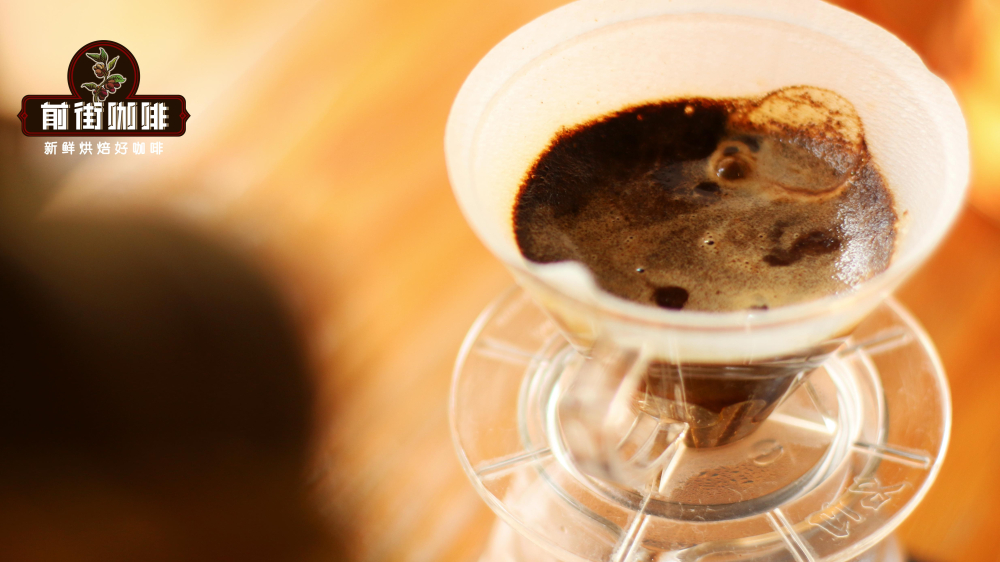
【Brew Ratio 1:10】We first poured150 grams of water(after bloom, pouring from the center), then removed the filter when the water flow slowed andadded 100 grams of water to dilute,with a total brew time of about 1 minute 35 seconds. The flavor is more balanced and refreshing, with a chocolate base complemented by notes of nuts, herbs, and pine, along with hints of creaminess and caramel sweetness emerging mid-cup.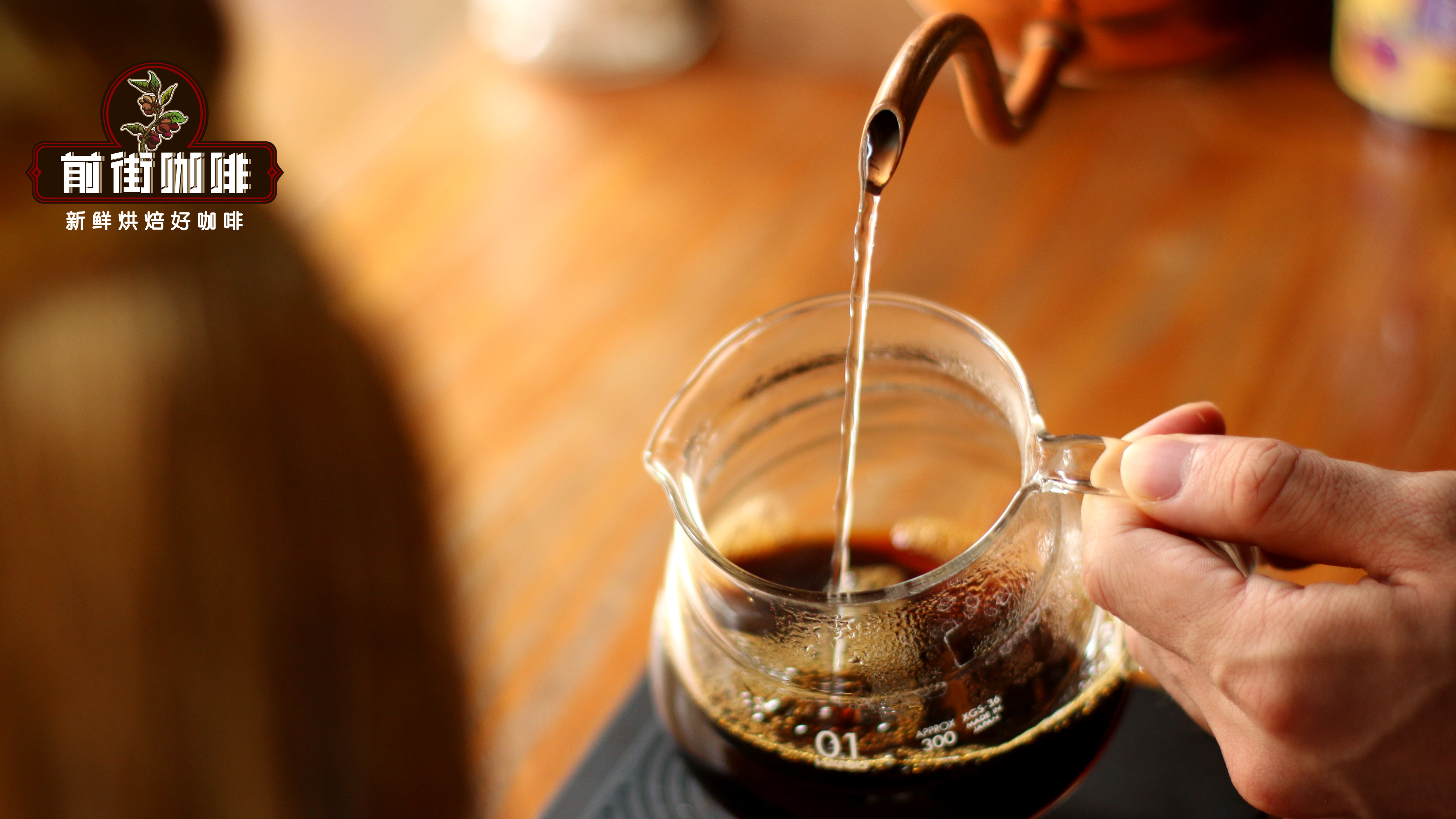
In summary, when working with overly fine coffee grounds, lowering the water temperature (81–83°C), reducing the brew ratio (1:15 or 1:10 with subsequent dilution), and minimizing disturbance to the coffee bed (center-pouring) are the keys. Depending on your personal taste preferences, you can experiment with different ratios and observe brew times to find your ideal balance.
The above content is compiled by CoffeeHunters, a coffee news website.


