







Introduction:Want to brew a rich and bold espresso at home but always confused about how to adjust the dose, extraction time, and pressure? This article takes you from the basics, diving deep into the extraction principles and key steps of espresso, including coffee bean selection, grinder types, brew ratio, pressure and temperature control, as well as how to properly distribute and tamp the coffee grounds—helping you master extraction techniques step by step and make professional-grade espresso.
With the rise of specialty coffee culture, more and more coffee enthusiasts are diving into the world of espresso, whether to enjoy the intense flavors of espresso itself or as the base for milk-based drinks like lattes and cappuccinos. Mastering the correct espresso extraction method is crucial. However, many people feel puzzled about how to properly use and adjust parameters after purchasing an espresso machine. This article will detail every step from coffee bean selection to the completion of extraction, helping you get started easily and make the ideal espresso.
Choosing the Right Coffee Beans is Key
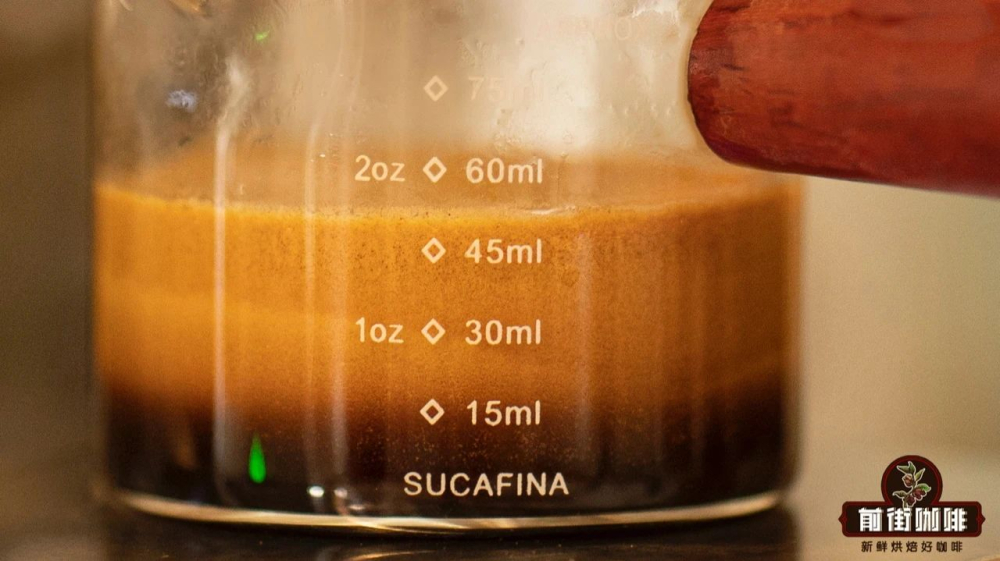
One of the charms of espresso lies in its delicate crema (coffee foam) on the surface, which is primarily formed by carbon dioxide released during the roasting process and tiny oil droplets. To achieve a rich crema, it’s recommended to use beans roasted within a few days to a few weeks—the freshness directly affects the carbon dioxide content and overall flavor. Stale beans not only produce thin crema but also lose aroma due to oxidation.
Most espressos are made with blends, combining beans from different regions and processing methods to balance acidity, sweetness, bitterness, and aroma, resulting in a rich and layered taste. For example, blending bright acidic beans with rich, oily beans can effectively harmonize the overall flavor profile. The blend ratio and bean selection are key factors in determining the flavor of espresso.

Grinder Selection and Settings
For making espresso, it’s recommended to use a burr grinder, as it provides a more uniform grind size, aiding stable extraction. Compared to blade grinders, burr grinders allow for more precise control over grind fineness, whether manual or electric—burr design should be prioritized. Additionally, there are many burr designs tailored for different brewing methods, such as conical, flat, and flat-plate burrs, but be aware that not all burrs are suitable for the extremely fine grind required for espresso. It’s recommended to choose a grinder labeled as “espresso-specific.”
Grind Size and Extraction Parameters
The grind size for espresso needs to be fine enough to fully release flavors under pressurized extraction. Generally, when using a semi-automatic espresso machine, it’s advised to adjust the grind so that 16–18 grams of coffee grounds yield 32–36 grams of espresso in 20–30 seconds. If using a manual lever machine, it should generate 6–9 BAR of pressure and maintain a similar duration. Every time you change coffee beans, you should readjust the grind size to ensure even extraction and balanced flavor.
Distribution and Tamping Techniques
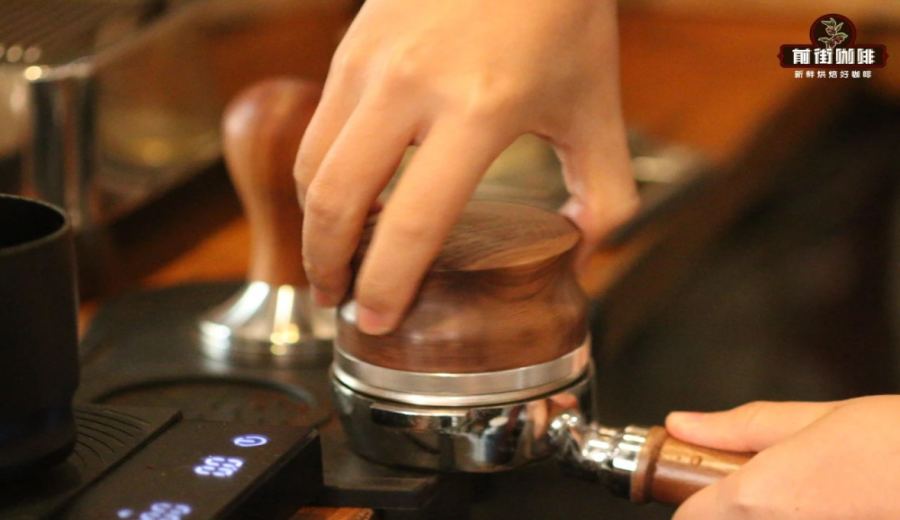
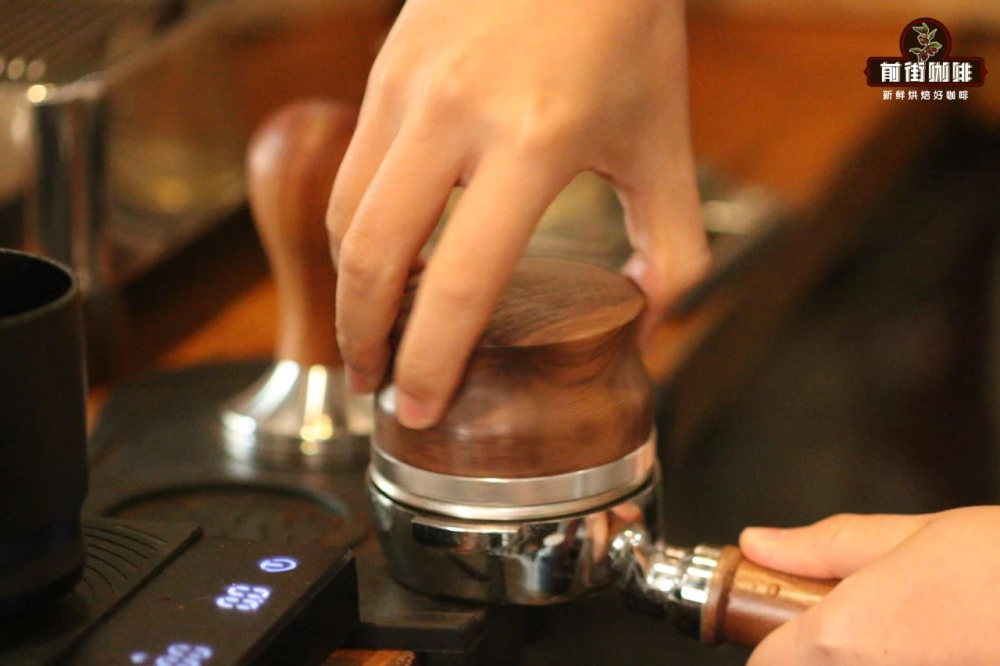
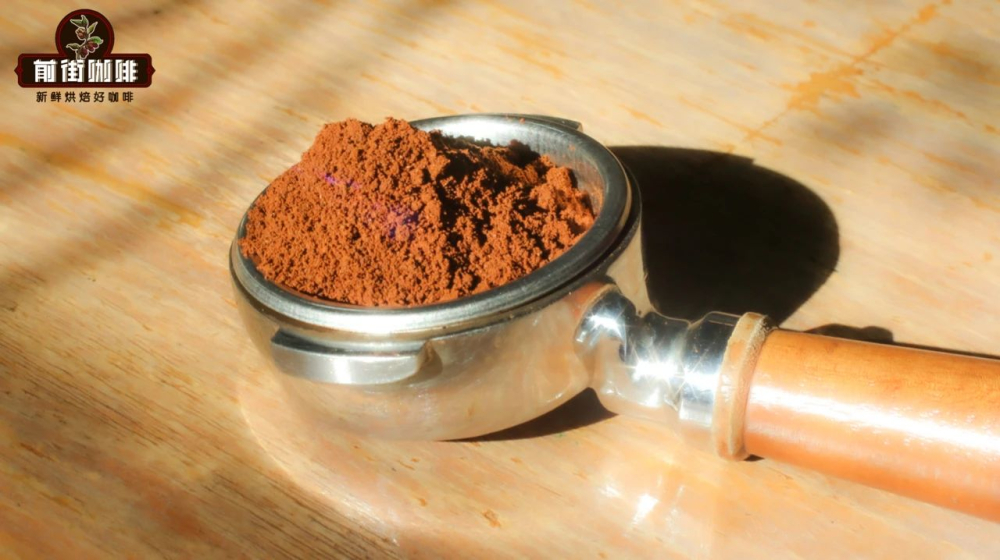
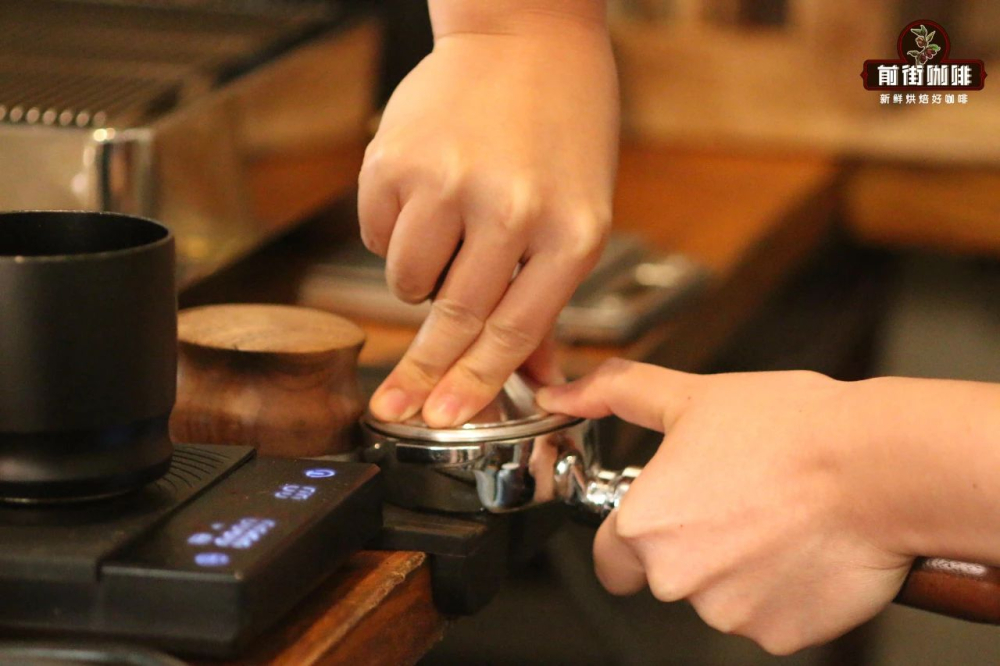
Evenly filling the coffee grounds into the portafilter is the first step to avoiding channeling. It’s recommended to use distribution methods like WDT (Weiss Distribution Technique) to ensure no clumps or gaps in the coffee bed. When tamping, the goal is to create a flat and compact puck—over-tamping may lead to uneven water flow. Aim to apply even pressure just to flatten the surface, which helps eliminate excess air and provides stable resistance for extraction.
Brew Ratio and Espresso Proportions
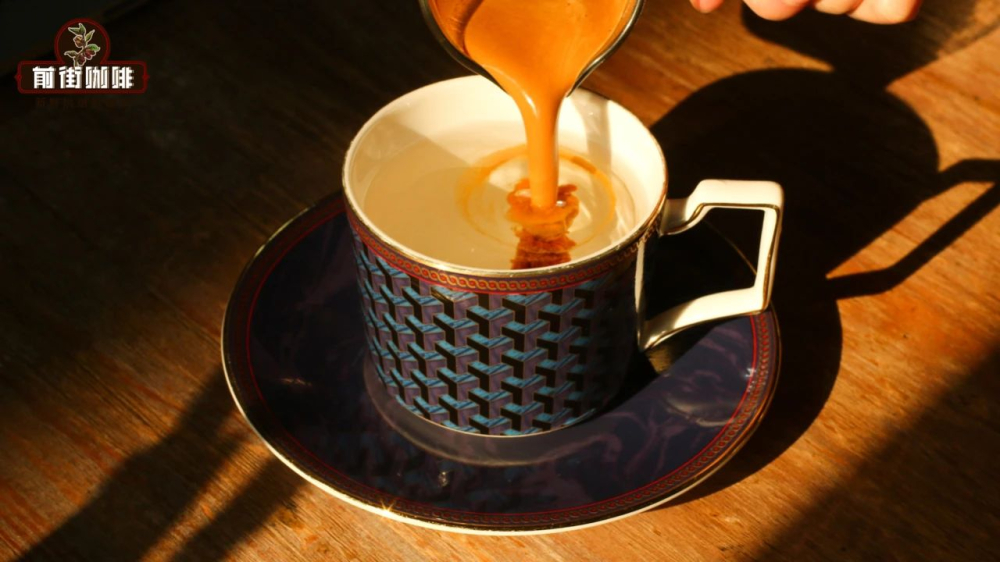
The standard espresso brew ratio is typically 1:2—for example, 20 grams of coffee grounds yielding 40 grams of espresso liquid. This ratio delivers a rich and balanced flavor. However, depending on personal preferences, the brew ratio can be adjusted from 1:1 to 1:4, such as for Ristretto (short shot), Normale (standard), and Lungo (long shot). Common lattes usually use a ratio of about 1:6 to 1:6.5 of espresso to milk, creating a smooth and velvety texture.
Fine-Tuning Pressure, Water Temperature, and Time
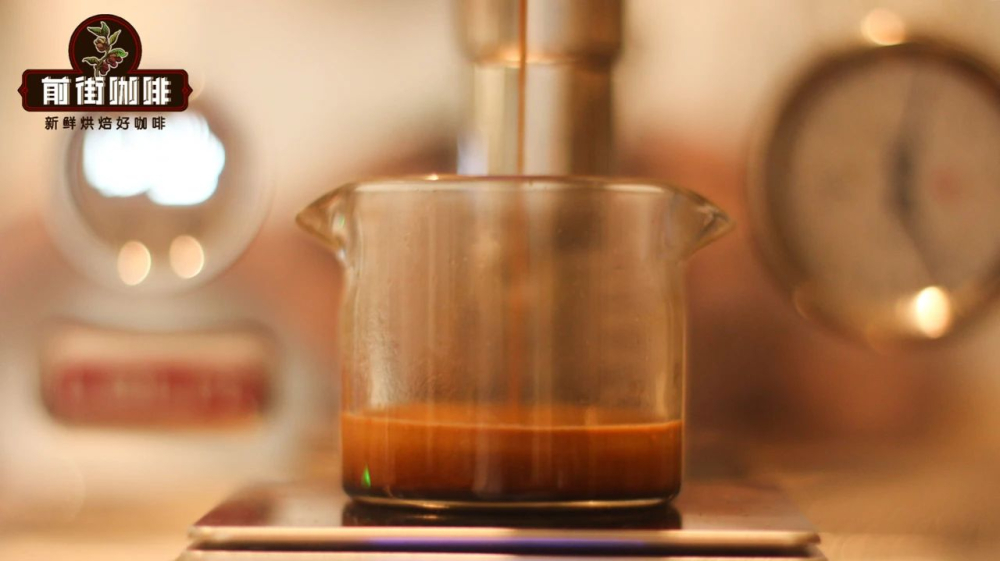
Espresso extraction should be performed under 6–9 BAR of pressure, with water temperature ideally controlled between 91–96°C. Excessively high temperatures can lead to over-extraction, making the coffee taste bitter; too low may result in under-extraction and a sour flavor. Moreover, different roast levels suit slightly varying water temperatures—darker roasts prefer slightly lower temperatures, while lighter roasts can tolerate moderately higher temperatures to highlight subtle flavors. Extraction time is generally maintained at 20–30 seconds, adjusted based on actual flow rate and desired flavor profile.
The Importance of Water Temperature and Machine Preheating
Espresso machines must be thoroughly preheated before use to ensure stable extraction temperature. Water temperature has a huge impact on flavor, so it’s advisable to conduct several tests before actual brewing to find the most suitable temperature and preheating routine for your taste. Stable water temperature is the foundation of consistent extraction—never overlook the preheating step.
Practical Application: From Espresso to Latte
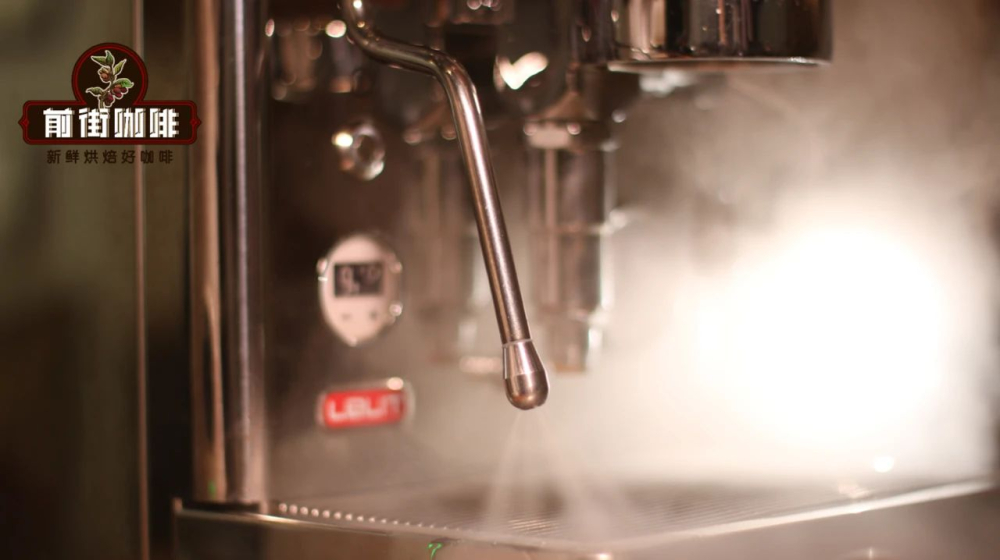
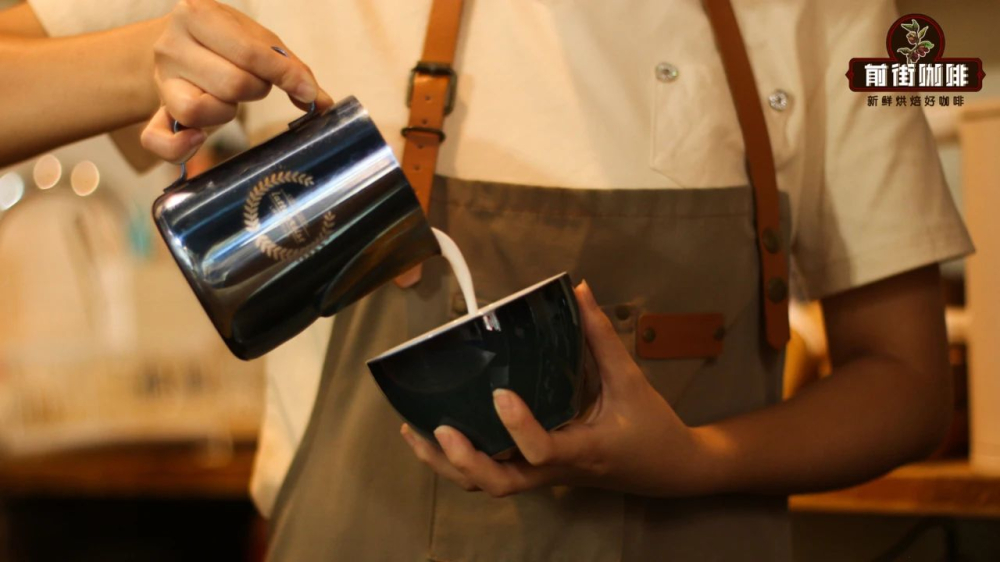
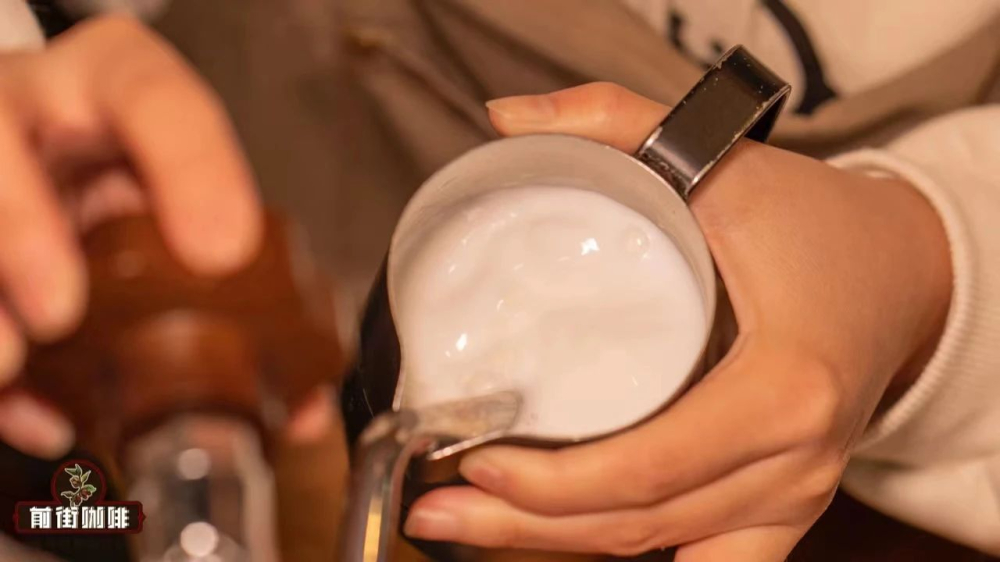
Once you’ve mastered espresso extraction techniques, you can try making various milk-based drinks, such as lattes. Using 20 grams of coffee grounds to extract 40 grams of espresso as the base, then pairing it with appropriately steamed milk foam, you can easily make a smooth and creamy latte. When steaming milk, it’s recommended to insert the steam wand to the proper depth in the milk, controlling steam intensity and temperature—the ideal final milk foam temperature is around 60–66°C for the best taste.

The above content is compiled by CoffeeHunters, a coffee news website.


